
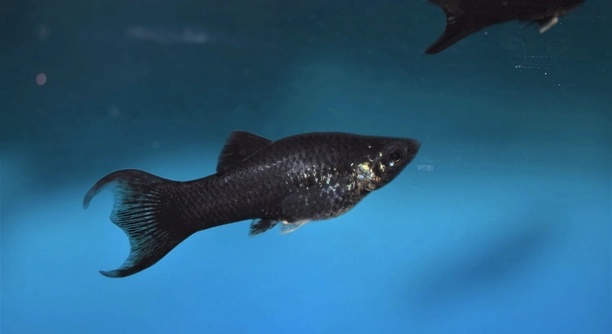
Black Mollies are lively fish that often brighten home aquariums with their movement and color. Observing their behavior can reveal patterns, especially when they consistently avoid certain areas of the tank. These habits can indicate comfort levels.
Black Mollies tend to avoid specific tank areas due to environmental factors such as water flow, lighting, temperature fluctuations, and territorial behavior. These preferences are instinctual, helping them seek safety, reduce stress, and maintain optimal health within their aquatic environment.
Understanding their movement patterns can help create a more comfortable tank environment and support their overall well-being and happiness.
Common Tank Areas Black Mollies Avoid
Black Mollies often steer clear of corners or areas with strong currents. These fish are naturally cautious and prefer spaces where they feel secure. Sudden changes in water flow, temperature, or lighting can make certain sections unappealing. Overcrowding or the presence of aggressive tank mates may also cause avoidance. Plants and decorations create hiding spots, which Black Mollies often favor, leaving open areas less populated. Observing their movement patterns can reveal their preferred zones and areas they find stressful. Providing gentle water flow and evenly distributed hiding spaces can encourage them to explore more of the tank. Over time, Mollies may gradually adjust, but respecting their natural tendencies ensures lower stress and healthier behavior. These observations can also guide tank layout decisions, ensuring every fish feels comfortable. A balanced environment reduces erratic swimming, improves feeding habits, and enhances social interaction within the tank, leading to a more harmonious setup.
Corners and strong current zones are often avoided as they increase stress and limit safe navigation.
Providing stable conditions, gentle currents, and multiple hiding areas helps Black Mollies feel secure and explore more confidently.
Environmental Factors Influencing Avoidance
Temperature and water quality significantly affect where Black Mollies spend time. Unstable conditions or high nitrate levels may push them toward safer, more comfortable regions.
Black Mollies prefer moderate lighting and steady water temperatures, avoiding areas that fluctuate or expose them to sudden changes.
Water flow, lighting, and decoration placement create microenvironments that impact behavior. Black Mollies avoid areas with rapid currents, bright lighting, or insufficient cover, seeking spots that mimic natural shelter. Aggressive tank mates or overcrowding can intensify this avoidance. Even subtle factors like shadows or proximity to filtration output can influence movement. By monitoring these elements, you can adjust placement and water flow to encourage more uniform activity. Adding plants, rocks, or decorations in underused areas provides hiding spots and reduces stress. Regular water testing ensures optimal temperature and quality, further promoting comfort. Understanding these environmental influences allows for a balanced tank where Black Mollies can swim freely, socialize, and display natural behaviors while avoiding areas that make them uneasy.
Social Behavior and Territory
Black Mollies often avoid areas dominated by other fish. Territorial behavior is common, especially with males competing for space.
Social hierarchies influence where Mollies swim. Dominant fish may claim central or open areas, pushing others to edges or behind decorations. Submissive Mollies often seek calmer spots with cover to avoid confrontations. Schooling behavior also affects movement, as these fish prefer staying together. Introducing new tank mates gradually helps reduce stress and territorial disputes. Observing interactions can guide adjustments in decoration placement or fish numbers to balance territories. This careful management encourages all Mollies to feel comfortable and minimizes areas they habitually avoid.
Dominant fish control open spaces, while others retreat to corners or sheltered areas to stay safe.
Providing multiple hiding spots and evenly spaced decorations allows every Molle to establish a territory without constant stress.
Feeding and Resource Distribution
Uneven feeding areas can influence where Black Mollies spend their time. They tend to avoid zones with limited food access or high competition.
Positioning food in different areas encourages movement throughout the tank. When food is only provided in one spot, some Mollies may dominate, while others remain in peripheral areas to avoid conflict. Over time, consistent feeding practices in multiple locations help reduce avoidance behaviors and promote balanced activity. Mollies are naturally curious but cautious; they explore areas gradually when resources are evenly distributed. Observing feeding patterns can help identify underused spaces, which can then be enhanced with plants or decorations to make them more appealing. Balanced resource distribution supports social harmony, encourages activity, and reduces stress.
Changing feeding spots and ensuring enough food for all encourages exploration and decreases avoidance behavior.
Strategically placing plants or decorations around feeding zones helps timid Mollies feel secure while accessing resources without confrontation.
Lighting Preferences
Black Mollies often avoid areas with overly bright light. Harsh illumination can make them feel exposed and stressed.
Dimly lit regions or shaded corners are preferred. Mollies naturally seek areas that mimic their instinctive shelters in the wild, helping them feel safe while resting or exploring.
Tank Decoration and Hiding Spots
Plants, rocks, and other decorations strongly influence where Black Mollies spend their time. These features provide shelter and a sense of security. Fish tend to cluster around well-structured areas, avoiding open spaces where they feel vulnerable. Decorations also reduce stress by breaking up the line of sight, limiting aggressive encounters, and giving timid fish options to retreat when needed. Properly arranged hiding spots encourage exploration while maintaining comfort, allowing Mollies to move freely without constantly avoiding certain sections of the tank. Observing their usage of decorations can help in adjusting layouts to suit their natural preferences.
Water Flow Sensitivity
Strong currents can push Black Mollies away from certain areas, as they prefer gentle, steady water flow.
Why do Black Mollies hide in certain areas more than others?
Black Mollies hide in specific areas to feel secure. They are naturally cautious and look for spots that provide shelter from perceived threats. Decorations, plants, or shaded corners create a safe environment where they can rest, feed, and socialize without stress. These hiding spots are important for their comfort and well-being, especially for more timid individuals.
Do strong currents affect where Black Mollies swim?
Yes, strong water currents influence their movement. Black Mollies prefer gentle, steady water flow, avoiding areas with rapid currents that can tire them or make swimming difficult. Uneven flow patterns near filters or pumps often cause them to congregate in calmer regions, where they can conserve energy and feel secure.
How does tank lighting impact their behavior?
Lighting plays a key role in their tank preferences. Bright or harsh lights can make Black Mollies feel exposed, prompting them to avoid illuminated zones. Dim areas, shaded corners, and spots behind plants or decorations allow them to rest and explore at their own pace, reducing stress and encouraging natural behavior.
Can other fish affect where Black Mollies spend time?
Social dynamics strongly influence their movement. Dominant or aggressive fish can claim central or open areas, forcing submissive Black Mollies to seek corners or hidden spaces. Schooling behavior also affects their choices, as they prefer staying together for safety. Gradual introduction of new tank mates helps reduce stress and territorial disputes.
Does tank decoration really make a difference?
Absolutely. Rocks, plants, and other decorations create microhabitats that Black Mollies can use for protection or exploration. Without sufficient hiding spots, timid fish may feel unsafe and stick to limited areas. Thoughtful placement of decorations encourages even tank usage, reduces stress, and allows all fish to establish comfortable territories.
How does feeding location influence their tank movement?
Feeding habits are closely linked to space usage. If food is always offered in one spot, dominant fish may take over, causing others to avoid that area. Spreading feeding locations and ensuring enough food for all encourages exploration, reduces competition, and allows timid Mollies to access resources without stress.
Do water temperature changes impact their preferred areas?
Yes, temperature is critical. Black Mollies favor stable water conditions, and fluctuations can push them toward safer, consistent zones. Cold or overly warm areas may be avoided, as Mollies instinctively seek temperatures that match their natural comfort range. Monitoring and maintaining consistent temperature ensures even tank activity.
Are Black Mollies sensitive to water quality?
Water quality strongly affects their behavior. High nitrate levels, ammonia, or poor filtration can make some areas unappealing. Fish may avoid these regions, clustering where the water feels clean and safe. Regular testing and maintenance help maintain balanced conditions, encouraging natural movement throughout the tank.
How long does it take for Black Mollies to adjust to new tank areas?
Adjustment depends on individual temperament and environmental factors. Some Mollies explore immediately, while others take days or weeks to feel secure. Providing gentle currents, multiple hiding spots, and consistent feeding practices accelerates comfort, allowing fish to gradually use the entire tank. Patience and observation are key.
Can overcrowding influence their behavior?
Overcrowding leads to stress and avoidance of certain areas. Limited space can cause aggression and force timid Mollies into corners or hidden zones. Ensuring proper stocking density and providing sufficient decorations or plants allows each fish to establish its territory comfortably, reducing stress and encouraging balanced tank usage.
Do Black Mollies ever avoid areas due to health issues?
Yes, illness or discomfort can affect their movement. Fish may hide more or avoid areas where they feel vulnerable. Observing unusual patterns, lethargy, or isolation can signal health concerns. Prompt attention, water testing, and proper care help ensure their well-being and prevent long-term stress.
How can I encourage Black Mollies to explore avoided areas?
Creating gentle currents, adding hiding spots, spreading feeding locations, and maintaining stable conditions can encourage exploration. Gradual adjustments to lighting and decoration placement make previously avoided zones more appealing, helping Mollies feel safe and confident throughout the tank.
Does social interaction help reduce avoidance?
Yes, healthy social interaction reduces fear of open or central areas. Small groups, well-spaced tank mates, and consistent routines help Mollies feel secure. Observing group dynamics and adjusting decorations accordingly encourages even distribution and reduces long-term avoidance behavior.
How important is observation in understanding their behavior?
Careful observation is essential. Watching where Black Mollies congregate or avoid reveals environmental issues, social dynamics, and potential health problems. Monitoring their behavior allows adjustments to tank setup, feeding, and water conditions, ensuring a balanced and comfortable habitat.
Can changing tank layout completely eliminate avoidance behavior?
While layout changes help, some avoidance may remain due to natural tendencies, social hierarchies, or individual temperament. Providing multiple safe zones, hiding spots, and gentle currents ensures comfort. Adjustments should focus on reducing stress rather than forcing uniform movement, respecting the fish’s instincts.
Do Black Mollies react differently to new decorations or plants?
Yes, new elements can initially cause avoidance or curiosity. Gradual introduction allows them to explore without stress. Placing decorations in underused areas and maintaining familiar hiding spots encourages comfort, helping them adapt and eventually use the entire tank more evenly.
Is water flow the biggest factor in avoidance behavior?
Water flow is one of several important factors, alongside lighting, temperature, social dynamics, and decorations. Excessive currents often push Mollies toward calmer zones, but combined attention to all elements ensures a healthier and more balanced tank environment.
How can I tell if avoidance is causing stress?
Signs include clustering in limited areas, frantic swimming, or hiding excessively. Stress may also manifest as decreased appetite, color fading, or lethargy. Monitoring behavior and adjusting environmental factors promptly helps reduce stress and promote natural movement patterns.
Are some Black Mollies naturally more timid than others?
Yes, individual temperament affects avoidance. Some fish are bolder, exploring open areas, while others prefer corners and hiding spots. Respecting these differences and providing varied habitats ensures all fish feel secure and can thrive within the tank.
Do seasonal changes affect their tank preferences?
Seasonal temperature shifts or lighting changes can influence movement patterns. Maintaining consistent water temperature and stable lighting helps minimize avoidance behavior, allowing Mollies to remain comfortable and active throughout the year.
Can enrichment reduce avoidance behavior?
Yes, adding plants, decorations, or areas for exploration encourages activity. Enrichment provides stimulation and safety, helping Black Mollies gradually use more of the tank while reducing stress-related avoidance. Observing responses to enrichment guides placement and selection for the best results.
Does tank size influence how much they avoid certain areas?
Tank size impacts territory and movement. Smaller tanks may force Mollies into closer quarters, increasing avoidance and stress. Larger tanks with multiple hiding spots and gentle currents give them freedom to explore while maintaining safety, reducing avoidance of specific areas.
How do I balance safety and exploration for Black Mollies?
Providing a mix of open spaces and hiding spots, stable conditions, gentle currents, and distributed feeding areas ensures comfort. Balanced social dynamics and thoughtful decoration placement allow Mollies to explore without feeling threatened, promoting healthy behavior throughout the tank.
Can regular observation prevent long-term avoidance habits?
Yes, consistent monitoring helps identify areas Mollies avoid and factors causing stress. Early intervention with adjustments to flow, lighting, decorations, and social structure prevents long-term avoidance patterns and supports a comfortable, healthy environment.
Do Black Mollies ever completely avoid certain tank areas permanently?
Some areas may remain less populated due to natural preferences, currents, or dominant fish territories. Complete avoidance is rare if the tank is well-designed, but respecting natural tendencies ensures Mollies feel secure and reduces stress even if certain zones are lightly used.
How long does it take for Black Mollies to feel fully comfortable in a new tank?
Adjustment varies by fish and environmental factors. Most Mollies take several days to weeks to explore fully. Providing gentle currents, multiple hiding spots, stable temperature, and even food distribution helps them feel safe and confident more quickly. Patience and observation are key to their comfort.
Can lighting adjustments encourage movement into avoided areas?
Yes, gradual dimming or repositioning of lights can make previously avoided areas more inviting. Combined with decorations and hiding spots, these adjustments help Black Mollies feel secure while exploring zones they once avoided.
Does aggressive behavior from tank mates increase avoidance?
Aggressive tank mates can push Mollies into corners or hidden areas. Managing fish compatibility, spacing decorations strategically, and monitoring interactions reduces avoidance and stress, helping timid Mollies feel safer and more confident in their environment.
Are hiding spots more important than open swimming areas?
Both are important, but hiding spots are essential for timid fish. Providing shelter reduces stress and allows safe exploration. Open swimming areas remain accessible when fish feel secure, ensuring a balanced tank environment.
Can I use water flow adjustments to encourage tank exploration?
Yes, reducing strong currents and creating gentle, evenly distributed flow encourages Mollies to explore more of the tank. Careful placement of filters and pumps ensures calm zones and prevents avoidance caused by strong currents.
Does food type influence where Mollies congregate?
Yes, preferences for certain food types can affect gathering spots. Spreading different foods in multiple locations encourages activity throughout the tank, helping reduce avoidance of specific areas.
Do Black Mollies avoid areas near tank equipment?
Yes, areas near filters, heaters, or pumps may be avoided due to noise, vibration, or strong currents. Creating buffers with plants or decorations can make these zones more comfortable, encouraging exploration without stress.
How can I tell if avoidance is temporary or long-term?
Temporary avoidance is often due to recent changes in the tank, such as new decorations, lighting, or tank mates. Long-term avoidance persists despite stable conditions. Careful observation of patterns and gradual adjustments help distinguish between the two.
Are Black Mollies more likely to avoid corners or open spaces?
They typically avoid open, exposed spaces and favor corners, shaded areas, and regions with cover. This behavior reflects their natural instinct for safety and shelter.
Does regular tank maintenance affect their comfort?
Yes, consistent cleaning, water changes, and monitoring of temperature and quality reduce stress and create an environment where Black Mollies feel safe to move freely and explore the entire tank.
Can timid Black Mollies ever become more confident?
Yes, with stable conditions, sufficient hiding spots, gentle currents, and balanced social interactions, timid Mollies gradually gain confidence and explore more areas, though individual temperament may always influence some level of caution.
How does overcrowding influence long-term avoidance?
Chronic overcrowding increases stress, leading to persistent avoidance of certain zones. Maintaining proper stocking density, adding hiding spots, and monitoring interactions help prevent long-term avoidance behaviors.
Is there a way to predict which areas Black Mollies will avoid?
Observation is key. Areas with strong currents, bright lighting, limited cover, or dominant fish influence their preferences. Adjusting tank layout and monitoring behavior allows prediction and management of underused areas effectively.
How important is patience when managing avoidance behavior?
Patience is critical. Black Mollies adapt gradually, and forcing movement can increase stress. Observing, adjusting environmental factors, and allowing time ensures natural, confident exploration of previously avoided areas.
Can adding new fish change avoidance patterns?
Yes, new tank mates can temporarily alter movement. Introducing them gradually and monitoring interactions ensures that avoidance remains minimal and stress is reduced, helping all fish adjust comfortably.
Do seasonal changes require tank adjustments to prevent avoidance?
Maintaining consistent temperature, lighting, and water quality minimizes seasonal impact. Minor adjustments may be needed to prevent avoidance and keep Black Mollies comfortable year-round.
Can avoidance behavior indicate overall tank health?
Yes, consistent avoidance may signal issues like poor water quality, strong currents, or social stress. Addressing these factors promotes well-being and balanced tank usage.
How do I create a balanced environment for all Mollies?
Provide multiple hiding spots, gentle currents, consistent lighting, and evenly distributed feeding areas. Monitor social dynamics and make adjustments as needed to ensure comfort and reduce avoidance.
Are there signs that a previously avoided area is now safe?
Increased exploration, relaxed swimming, and social interaction in previously avoided zones indicate comfort. Gradual changes and consistent conditions support this shift in behavior.
Can timid Mollies influence the behavior of others?
Yes, timid fish may cluster together, influencing movement patterns and avoiding open areas. Providing ample space and hiding spots allows more confident exploration while accommodating shy individuals.
Do Black Mollies avoid areas near the water surface?
Excessive light, sudden movements, or perceived threats above can make surface areas less appealing. Providing gentle lighting and floating plants helps Mollies feel more secure.
How often should I observe their behavior to manage avoidance?
Daily observation, even for a few minutes, helps identify stress points, preferred zones, and any changes in movement. Regular monitoring allows timely adjustments to maintain comfort.
Can I combine multiple strategies to reduce avoidance?
Yes, combining gentle currents, hiding spots, consistent feeding, proper lighting, and balanced social dynamics creates a supportive environment. Layering these strategies maximizes comfort and encourages even tank usage.
Do Black Mollies avoid areas near tank walls?
Some do, especially if walls reflect light or movement. Providing plants or decorations along walls creates a sense of security and encourages exploration without stress.
Is it normal for Black Mollies to avoid certain areas permanently?
It is normal for them to favor some zones over others, but most areas should be used over time. Ensuring comfort and multiple safe spots helps minimize permanent avoidance.
How does individual personality affect avoidance?
Bold Mollies explore widely, while timid ones stay in sheltered areas. Respecting these differences ensures all fish feel secure and reduces stress-related avoidance.
Can adjusting tank size change avoidance behavior?
Larger tanks with multiple hiding spots and gentle currents encourage exploration, while small, overcrowded tanks increase avoidance and stress. Proper tank size supports balanced movement and social interaction.
How do I know if avoidance is due to fear or environmental factors?
Fear-driven avoidance shows sudden hiding, clustering, or fleeing behavior. Environmental avoidance relates to currents, lighting, temperature, or social dynamics. Observing patterns helps identify causes and implement solutions.
Can gradual changes reduce avoidance more effectively than sudden adjustments?
Yes, slow, incremental changes in decorations, lighting, or tank mates help Black Mollies adapt without stress, encouraging exploration of previously avoided areas.
Do feeding frequency and timing affect their movement?
Yes, predictable feeding encourages routine and comfort. Uneven timing or irregular feeding may cause fish to avoid certain zones to stay near familiar food sources.
Can avoidance indicate long-term stress?
Persistent avoidance, lethargy, or poor appetite may indicate chronic stress. Adjusting environment, social structure, and feeding practices reduces stress and promotes balanced behavior.
How do I balance multiple factors to minimize avoidance?
Focus on gentle currents, multiple hiding spots, stable temperature, consistent lighting, even feeding, and compatible tank mates. Observing behavior allows fine-tuning and ensures all fish feel secure.
Can timid Black Mollies eventually dominate certain areas?
Over time, with supportive conditions and minimal aggression from others, timid Mollies may gradually claim previously avoided zones, though dominance is often influenced by natural temperament and social hierarchy.
Do Black Mollies prefer areas with more plants?
Yes, plants offer shelter and a sense of security. Fish tend to gather near or around plants, avoiding exposed areas unless they feel confident and safe.
Can avoiding specific areas affect their health?
Yes, limited movement, stress, and poor access to food can impact health. Providing safe, comfortable spaces encourages activity and reduces stress-related health issues.
Is it common for new tanks to have more avoidance behavior?
Yes, new tanks are unfamiliar. Fish may hide more initially. Gradual introduction of decorations, hiding spots, and consistent feeding helps Mollies adapt and reduce avoidance over time.
Can frequent water changes reduce avoidance?
Yes, maintaining clean water improves comfort and encourages exploration. Fish feel safer in consistently maintained tanks, reducing stress-related avoidance behaviors.
Do Black Mollies avoid areas near tank equipment vibrations?
Yes, pumps, filters, or heaters may create vibrations that cause avoidance. Buffering with plants or decorations can make these zones more comfortable.
Can avoiding areas indicate a need for tank rearrangement?
Consistent avoidance may signal layout issues. Adjusting decorations, hiding spots, lighting, or currents can make previously avoided areas more appealing and balanced for all fish.
How do I track changes in avoidance behavior over time?
Regular observation and note-taking help track zones used or avoided. Patterns reveal improvements, stress points, or needs for further adjustments to maintain comfort.
Does introducing new hiding spots change avoidance patterns?
Yes, new shelters encourage timid Mollies to explore more and reduce avoidance of open areas. Placement should be gradual to prevent stress and ensure comfort.
Can water parameters like pH or hardness influence avoidance?
Yes, unsuitable pH or water hardness can make certain areas uncomfortable. Maintaining consistent parameters ensures even movement and reduces avoidance behavior.
Do Black Mollies avoid areas near aggressive tank mates permanently?
They may consistently avoid zones dominated by aggressive fish. Strategic placement of hiding spots and spacing decorations can reduce long-term avoidance and promote comfort.
How do I balance hiding spots and open space in the tank?
Provide enough shelters for timid fish while leaving open swimming areas for exploration. Balanced design encourages activity without compromising safety or comfort.
Is avoidance more noticeable in some Black Mollies than others?
Yes, individual temperament and social rank make some Mollies more prone to avoidance. Observing these differences helps create a supportive environment for all fish.
Do Black Mollies avoid areas near the water surface consistently?
Exposure, light intensity, or movement above may cause temporary avoidance. Floating plants or gradual lighting adjustments help reduce stress and encourage exploration of surface areas.
Can consistent routines reduce avoidance behavior?
Yes, predictable feeding, lighting, and maintenance routines create a sense of security, helping Black Mollies feel comfortable and reducing avoidance.
Are timid Black Mollies more likely to stay hidden during feeding?
Yes, they may wait until dominant fish finish eating before approaching food. Spreading feeding locations helps ensure all fish can access resources without stress.
Does tank size influence how much they avoid certain areas permanently?
Smaller, overcrowded tanks increase avoidance, while larger tanks with multiple hiding spots encourage exploration. Proper tank size supports comfort, social balance, and activity.
Can timid Mollies adapt to new tank mates over time?
Yes, gradual introductions and balanced social dynamics help timid fish gain confidence and reduce avoidance of previously dominated areas.
Do environmental changes like decorations or substrate affect avoidance?
Yes, new decorations or substrate may initially cause avoidance. Gradual placement and observation allow fish to adapt comfortably.
How do I know if a previously avoided area is now safe?
Signs include relaxed swimming, increased exploration, and interaction with other fish. Gradual changes and consistency promote comfort in previously avoided zones
Black Mollies are sensitive fish, and their behavior often reflects how comfortable they feel in their environment. Observing the areas they avoid can tell us a lot about their needs and preferences. Common reasons for avoidance include strong currents, bright lighting, temperature fluctuations, aggressive tank mates, and limited hiding spots. These factors create stress or discomfort, prompting the fish to seek safer or more comfortable areas. By paying attention to their patterns, you can make adjustments that improve their well-being. Watching how they move around the tank is not just interesting; it is also a practical way to identify what is working and what needs attention in your aquarium setup.
Providing a balanced and thoughtful tank environment is essential for reducing avoidance behaviors. Multiple hiding spots, gentle water flow, consistent lighting, and evenly distributed feeding areas all contribute to a comfortable habitat. Decorations like plants, rocks, and other structures help break up open space and give timid fish safe zones. Maintaining stable water quality and temperature ensures that no area becomes uncomfortable or unappealing. Even small changes, such as repositioning a plant or adjusting the filter flow, can make a big difference in how freely your Black Mollies explore the tank. When all these factors are considered, the fish are more likely to use all areas of the tank, leading to healthier activity levels and less stress overall.
Understanding Black Mollies’ avoidance behavior is not just about observing what they don’t do; it is about creating an environment where they feel safe, secure, and confident. Over time, even timid individuals can become more exploratory when their surroundings meet their natural needs. Paying attention to social dynamics, environmental factors, and resource distribution helps ensure that every fish has a comfortable space. Avoidance patterns can indicate stress or environmental issues, so regular observation and careful adjustments are valuable. By prioritizing their comfort and security, you encourage natural behavior and long-term health, resulting in a more harmonious and thriving aquarium that benefits both the fish and the keeper.

Hello,
If you enjoy the content that we create, please consider saying a "Thank You!" by leaving a tip.
Every little bit helps us continue crafting quality advice that supports the health, happiness, and well-being of pets around the world, for pets of all shapes, sizes, and species.
We really appreciate the kindness and support that you show us!