
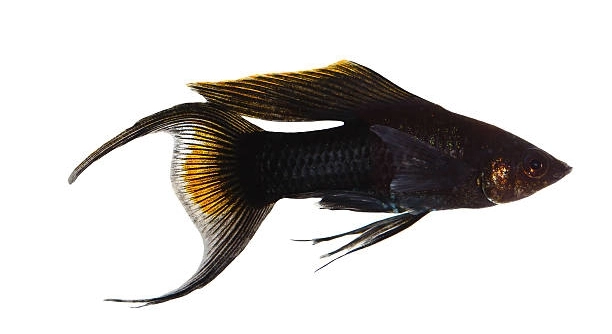
Are your Black Molly fish showing unusual behavior in their tank, leaving you unsure if their environment is suitable? Observing changes in activity or interaction can be an early sign that adjustments are needed.
Black Mollies may require a tankmate change when aggression, stress, or territorial disputes occur. Incompatible companions can lead to injury, reduced feeding, or stunted growth, making it essential to monitor social dynamics and adjust tankmates promptly.
Recognizing these subtle behavioral cues ensures your Black Mollies remain healthy and comfortable, promoting a peaceful and thriving aquatic environment for all tank inhabitants.
Signs of Aggression Among Tankmates
Aggression in Black Mollies can appear subtly at first. You may notice chasing, nipping, or one fish consistently dominating food. Territorial disputes often manifest as one Molly guarding a specific area while others are pushed away. Aggression can increase stress levels, causing fish to hide or lose appetite. This behavior might also lead to physical harm, including torn fins or bruising, which makes early intervention critical. Observing interactions during feeding and swimming times helps identify patterns and pinpoint which tankmates are causing tension. Environmental factors, like tank size and hiding spots, also influence aggression. A cramped or poorly decorated tank can amplify territorial behavior. Mollies are social but require compatible companions to thrive. Adjusting tankmates or rearranging the environment can significantly reduce conflict. Monitoring water quality and maintaining a clean tank supports calmer behavior. Ensuring compatibility through observation maintains health, social balance, and longevity of your Black Mollies in a shared habitat.
Aggression often signals a need for tankmate reassessment. Early recognition prevents injury and long-term stress.
Regular observation and prompt adjustments ensure harmony among your fish, supporting their health and well-being while reducing unnecessary stress in their shared environment.
Changes in Swimming Patterns
Unusual swimming patterns can indicate discomfort or incompatibility. A Molly swimming frantically, hiding, or avoiding certain tankmates may feel threatened.
Swimming behavior reflects overall health and social comfort. Changes can signal stress, illness, or aggression within the tank. Observing these patterns helps identify which tankmates may need to be replaced or removed.
Black Mollies have natural swimming routines and prefer open spaces for movement. When these routines are disrupted, it can be a sign that a companion is not compatible. Continuous darting, isolating in corners, or swimming near the surface excessively are behaviors worth noting. Stress from incompatible tankmates affects feeding habits and can suppress growth. Rearranging tank decorations or introducing more hiding spots may temporarily ease tension, but persistent changes in swimming often require a tankmate change. Keeping water conditions stable and ensuring adequate space supports calmer swimming patterns. By observing these behavioral cues closely, you can make informed decisions about tankmate adjustments and maintain a balanced, peaceful environment for all fish.
Loss of Appetite
Loss of appetite is often one of the first signs that a Black Molly may be stressed by its tankmates. Fish that stop eating or eat less frequently may be avoiding competition or harassment.
When a Molly is stressed by incompatible tankmates, it may retreat during feeding times, leaving food untouched. Over time, this can lead to weakened health, slower growth, and lowered immunity. It’s important to monitor eating habits daily, noting which fish are consistently eating or being blocked. Providing multiple feeding spots can help, but persistent refusal to eat usually signals that a tankmate change is necessary to reduce stress and allow all fish to feed comfortably.
Some Black Mollies may appear healthy but secretly struggle with constant competition. Observing feeding interactions provides insight into social dynamics, helping determine if certain companions are causing undue stress. Adjusting the tank setup or changing tankmates can restore normal feeding behavior, maintaining health and energy levels for all fish.
Color Fading
Color fading in Black Mollies can indicate stress or illness caused by tankmate incompatibility. Dull or washed-out colors often reflect ongoing tension or poor water conditions.
Stress from aggressive or incompatible companions can lead to hormonal changes, resulting in paler colors. Mollies in constant conflict may hide, expend energy fleeing, and fail to display their natural vibrancy. Faded coloration is often accompanied by lethargy, clamped fins, or reduced activity, signaling the need for immediate action. Providing more hiding spaces or rearranging the tank can help temporarily, but long-term fading usually requires changing the tankmate situation to restore confidence and overall well-being.
Bright, consistent coloration indicates a healthy and content Black Molly. Observing any changes in hue or intensity can serve as an early warning sign that tankmates are causing stress. Maintaining proper water quality, balanced nutrition, and a harmonious social environment supports natural coloration. By addressing fading colors promptly, you can prevent further health decline and ensure your fish maintain both vitality and aesthetic appeal in the aquarium.
Hiding Frequently
Frequent hiding is a clear sign that a Black Molly feels threatened by its tankmates. Fish that constantly retreat behind decorations or plants are likely stressed and uncomfortable in their environment.
Hiding reduces social interaction and limits access to food. Persistent avoidance indicates that current tankmates may not be compatible, and a change is necessary to ensure the fish’s well-being.
Rapid Gill Movement
Rapid gill movement can indicate stress or poor water circulation, often caused by aggressive or incompatible tankmates. Observing breathing patterns helps identify discomfort early, allowing timely adjustments to the tank setup or companion selection.
Isolation from the Group
When a Black Molly isolates itself, swimming alone or avoiding the main group, it often signals social stress. Consistent isolation suggests the fish may benefit from a tankmate change to restore comfort and social balance.
What are the best tankmates for Black Mollies?
Black Mollies thrive with peaceful, similarly sized fish. Guppies, Platies, and Swordtails often make good companions because they share similar water parameters and temperaments. Avoid aggressive or overly dominant species, as these can stress Mollies and cause health or behavioral issues. Choosing tankmates that occupy different areas of the tank can also reduce conflicts.
How can I tell if a tankmate is stressing my Black Molly?
Signs of stress include hiding, loss of appetite, color fading, and erratic swimming. Watch how your Molly interacts with each fish. Frequent chasing or nipping, clamped fins, or constant retreat behind decorations are clear indicators of social tension. Stress can also weaken the immune system, making the fish more prone to disease.
Is a larger tank necessary for multiple Black Mollies?
Yes, adequate space is critical. Overcrowding increases aggression and stress. A minimum of 20 gallons is recommended for a small group, with additional space required for each added fish. Providing enough hiding spots and open swimming areas helps reduce territorial disputes and promotes a peaceful environment.
Can rearranging the tank help reduce conflicts?
Rearranging plants, decorations, or rocks can break established territories, helping stressed Mollies feel safer. It provides new hiding spots and disrupts dominant fish from claiming areas. While it may not fully resolve compatibility issues, it can reduce minor conflicts and improve overall behavior temporarily.
How quickly should I act if my Molly is stressed?
Immediate observation is key. If signs of stress persist for more than a few days, consider changing tankmates or modifying the environment. Delaying action can lead to injury, illness, or long-term behavioral problems. Early intervention improves health and reduces stress-related complications.
Do water parameters affect compatibility?
Absolutely. Mollies prefer slightly alkaline, warm water, and tankmates with similar needs reduce stress. Incompatible species may tolerate different conditions, creating discomfort. Regular testing for pH, temperature, and ammonia ensures all fish remain in optimal conditions, promoting harmony.
What should I do if aggression continues despite changes?
Persistent aggression may indicate that certain tankmates are fundamentally incompatible. Separating aggressive fish, using a divider, or relocating one species to another tank is often the most effective solution. Maintaining peace ensures health, feeding opportunities, and reduced stress for all inhabitants.
Can adding more hiding spots solve all problems?
Additional hiding spots help, but they don’t always fix underlying incompatibility. While they give stressed fish temporary refuge, long-term harmony often requires careful tankmate selection and ongoing observation. Combining environmental adjustments with compatible companions produces the best results.
Are male and female Black Mollies compatible together?
Males and females generally coexist well, but males may chase females, especially during breeding. Maintaining an appropriate ratio, such as one male to two or three females, can reduce stress and prevent harassment. Monitoring behavior ensures that breeding activity does not escalate into aggressive encounters.
How often should I monitor behavior after a tankmate change?
Daily observation during feeding and general activity is recommended for at least two weeks after any change. Look for signs of stress, aggression, or unusual behavior. Consistent monitoring allows quick intervention if problems arise, ensuring a smooth transition for your Black Mollies and their new companions.
Can diet impact social behavior?
Yes. A balanced diet supports overall health, making fish less prone to stress and aggression. Unequal access to food can trigger competition, especially in mixed-species tanks. Feeding multiple locations and ensuring all fish receive proper nutrition helps maintain peace and reduces tension among tankmates.
Is it safe to mix Black Mollies with aggressive fish temporarily?
Short-term mixing is not recommended. Even brief exposure to aggressive species can traumatize Mollies, affecting feeding, swimming, and overall health. If temporary cohabitation is unavoidable, constant supervision and barriers are essential to prevent injury and long-term stress.
How can I tell if a tankmate change improved my Molly’s well-being?
Improvement is visible through restored appetite, normal swimming patterns, vibrant coloration, and increased interaction. Fish should spend more time exploring and feeding without constant hiding. Monitoring these behaviors over several days confirms whether the new tank setup and companions are successful.
Are there signs that a Molly cannot tolerate certain species at all?
Yes. Persistent hiding, chronic stress, faded coloration, and refusal to eat indicate strong incompatibility. In such cases, separating fish permanently is necessary. Ensuring the Molly lives with compatible companions is essential for long-term health, comfort, and social stability.
What’s the most important factor when choosing new tankmates?
Compatibility in temperament, size, and environmental needs is key. Peaceful, similarly sized fish with matching water requirements minimize stress and reduce conflict. Observation before and after introduction helps ensure that all fish coexist harmoniously, keeping your Black Mollies healthy and comfortable.
Black Mollies are lively and social fish, but they require a carefully balanced environment to thrive. Ensuring that tankmates are compatible is essential to their health and overall well-being. Stress from aggressive or incompatible companions can manifest in many ways, including hiding, loss of appetite, fading colors, or erratic swimming. Observing these behaviors is a practical step toward maintaining a peaceful aquarium. Addressing signs of stress early prevents physical harm and long-term health issues, while also ensuring that each fish can interact comfortably in its shared space. Maintaining a calm environment with compatible species supports natural behavior and promotes a sense of security for your Mollies.
When considering a tankmate change, it is important to make decisions based on careful observation and practical considerations. Factors such as size, temperament, and environmental needs should guide your selection. Avoid adding fish that are overly aggressive or incompatible with Black Mollies’ social structure. Providing enough space, hiding spots, and swimming areas reduces tension and creates a more harmonious setting. Temporary adjustments, like rearranging decorations or adding plants, can help reduce conflict, but they do not replace the need for compatible companions. Regular monitoring ensures that any changes improve the environment rather than create new problems, and timely action can prevent stress from escalating into serious health concerns.
Long-term care of Black Mollies requires consistent attention to both behavior and environment. Regular observation of feeding habits, swimming patterns, and social interactions provides insight into whether the tank is balanced. Water quality and nutrition also play key roles in keeping fish healthy and stress-free. A balanced approach that combines proper tankmate selection, environmental management, and ongoing monitoring ensures Mollies remain active, colorful, and comfortable. Understanding their needs allows you to create a stable and supportive habitat, where all fish can coexist peacefully. By prioritizing compatibility and paying attention to subtle behavioral cues, you can maintain a thriving aquarium and provide the best possible environment for your Black Mollies.

Hello,
If you enjoy the content that we create, please consider saying a "Thank You!" by leaving a tip.
Every little bit helps us continue crafting quality advice that supports the health, happiness, and well-being of pets around the world, for pets of all shapes, sizes, and species.
We really appreciate the kindness and support that you show us!