
Do you enjoy keeping a variety of fish but find yourself thinking about how different species might live together in one tank? Many hobbyists like combining peaceful fish with more vibrant ones. It can be a challenge.
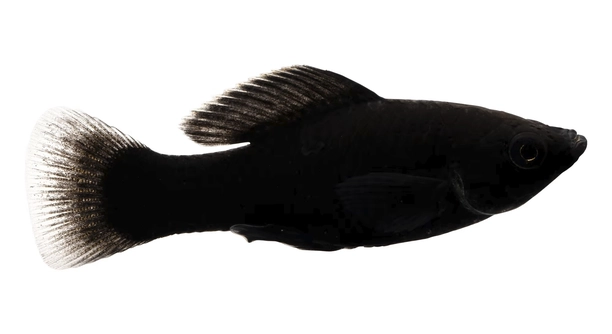
Black Mollies can coexist with Bettas under careful conditions. Proper tank size, hiding spaces, and monitoring for aggression are essential. Mollies are generally peaceful, but Bettas can be territorial, making supervision necessary for long-term harmony.
Knowing how to manage their interactions can make your aquarium a calmer and more visually appealing space for both fish.
Tank Setup for Black Mollies and Bettas
Setting up a tank for both Black Mollies and Bettas requires careful planning. The tank should be at least 20 gallons to provide enough space for each fish to establish its own territory. Plants, rocks, and decorations help create hiding spots that reduce stress and prevent chasing. Bettas tend to patrol the tank, so floating plants or tall stems give them areas to retreat. Mollies are active swimmers and need open space to move freely. Water temperature should be stable between 75 and 80°F, with a pH around 7.5 to 8.0 to suit both species. Regular filtration is important because Mollies produce more waste than Bettas, but strong currents should be avoided since Bettas prefer calmer water. Keeping the tank clean and monitoring water quality ensures both species remain healthy and reduces the chance of aggression over territory or food.
A well-structured tank can prevent most conflicts before they start, making the aquarium more peaceful overall.
Decorations and plants play a key role in managing interactions. Proper placement can give both fish their own space while keeping the tank visually interesting.
Feeding and Diet Considerations
Black Mollies are mostly herbivorous, while Bettas are carnivorous.
Feeding both species in the same tank requires attention to their different dietary needs. Mollies enjoy algae, plant matter, and flake foods with vegetable content, whereas Bettas need protein-rich pellets or frozen foods like brine shrimp or bloodworms. Uneaten food should be removed quickly to prevent water quality issues, as excess food can lead to ammonia spikes that harm both species. Feeding in separate areas of the tank or at slightly different times can help ensure each fish receives enough nutrition without competition. Mollies may nibble on Bettas’ food, but it usually doesn’t cause harm. Watching feeding behavior closely over the first few weeks helps identify if adjustments are needed to prevent stress or aggression during meals. Regular observation and small, controlled feedings are key to maintaining a balanced and healthy tank. Proper diet management directly influences behavior and overall compatibility.
By understanding these feeding habits, you can maintain harmony and support the health of both Black Mollies and Bettas in a shared aquarium. Regular adjustments to portions and food type help prevent conflict and ensure both species thrive.
Monitoring Behavior and Aggression
Even peaceful fish can show sudden aggression. Keep an eye on how Bettas and Mollies interact, especially during the first few weeks. Look for chasing, fin nipping, or hiding, which are signs that one fish is stressed or territorial.
Aggression can often be reduced by providing enough space and hiding spots. Bettas may flare at Mollies, but if the Mollies have areas to retreat, stress is minimized. Mollies are generally non-aggressive, but their fast swimming can annoy a Betta. Observing patterns in their interactions allows timely intervention, such as rearranging tank décor or temporarily separating a particularly aggressive Betta until it calms down. Avoid overcrowding, as it increases tension and makes it harder to manage conflicts between the two species. A careful watch during feeding and movement throughout the tank also helps prevent escalation of minor disputes.
Consistent observation over time helps identify which behaviors are normal and which indicate real stress. Adjusting tank layout and monitoring water quality further supports peaceful coexistence.
Breeding Considerations
Black Mollies breed easily in community tanks. Bettas are known to be territorial, especially males, which can threaten fry or pregnant Mollies.
If breeding occurs, it is best to have a separate tank or plenty of cover for the Mollies. Dense plants, breeding boxes, or floating barriers can protect fry from adult fish, including Bettas. Male Bettas may see fry as competition or food, so monitoring interactions is critical. Mollies can also be stressed if they sense aggression nearby, which may impact their willingness to breed or care for their young. Providing a calm and well-planted environment reduces stress for all fish and improves fry survival rates. Separating adult Bettas during breeding periods is often the safest approach to ensure both species remain healthy and unharmed.
Focusing on tank layout, hiding spaces, and timing feedings around breeding activity can help maintain peace. Regular monitoring during these periods is essential to prevent accidental attacks and maintain a balanced tank ecosystem for both Mollies and Bettas.
Water Conditions
Both Black Mollies and Bettas prefer warm, stable water. A temperature between 75 and 80°F is ideal. Regular testing for pH, ammonia, nitrites, and nitrates helps prevent stress and health problems in both species.
Keeping water clean reduces aggression and promotes healthy behavior. Bettas and Mollies thrive in slightly alkaline water, around 7.5 to 8.0 pH.
Tank Mates
Choosing compatible tank mates is crucial. Avoid aggressive or fin-nipping fish that may provoke Bettas. Peaceful species that occupy different tank levels work best with Mollies and Bettas.
Signs of Stress
Watch for signs like clamped fins, hiding, or lack of appetite. These indicate stress in either species and may require adjusting tank conditions or separating fish.
Long-Term Care
Consistent maintenance is key. Regular water changes, monitoring behavior, and adjusting feeding help ensure both Black Mollies and Bettas remain healthy and comfortable together in a shared aquarium environment.
FAQ
Do Black Mollies and Bettas need the same water conditions?
Black Mollies and Bettas have slightly different preferences, but they can overlap. Both species prefer temperatures between 75 and 80°F. Mollies thrive in slightly harder water, while Bettas are more tolerant of softer water. Regular water testing and small adjustments help maintain an environment suitable for both species.
Can Bettas harm Black Mollies?
Male Bettas can sometimes be territorial and chase or nip at Black Mollies, especially if the tank is small or lacks hiding spots. Mollies are generally peaceful, but their movement may irritate Bettas. Providing plants, decorations, and adequate space reduces potential conflicts.
How many Mollies can live with one Betta?
The number of Mollies depends on tank size and layout. In a 20-gallon tank, 3–5 Mollies with one Betta usually work well. Overcrowding increases stress, aggression, and the risk of chasing. Watching interactions helps determine if the number of fish is appropriate.
Do Mollies and Bettas eat the same food?
No, their diets are different. Bettas are carnivores that prefer protein-rich foods like pellets, bloodworms, or brine shrimp. Mollies are mostly herbivorous and enjoy algae, flake foods with plant content, and occasional protein. Feeding in separate areas ensures both species get proper nutrition without competition.
Will Mollies breed with Bettas around?
Mollies may breed even with Bettas in the tank, but Bettas can threaten fry. Providing dense plants, breeding boxes, or temporary separation protects fry and reduces stress for pregnant Mollies. Monitoring interactions during breeding is essential to prevent harm to young fish.
How can I reduce stress for both species?
Stress is often caused by poor water quality, overcrowding, or lack of hiding spots. Regular water changes, proper filtration, and tank decorations like plants or rocks provide safe spaces. Feeding in multiple spots and maintaining consistent routines also helps both species stay calm.
Do Bettas and Mollies fight over territory?
Territorial behavior is mostly shown by Bettas, especially males. Mollies are active but non-aggressive. Bettas may flare or chase if they feel their space is threatened. Large tanks with clear territories, hiding spots, and plants help minimize territorial disputes.
Can I keep other fish with Mollies and Bettas?
Yes, but choose peaceful species that occupy different levels of the tank. Avoid aggressive or fin-nipping fish, which can provoke Bettas. Community-friendly species like tetras, rasboras, or Corydoras catfish often coexist well with both Mollies and Bettas if tank size allows.
How often should I monitor behavior?
Daily observation is best. Watch for chasing, hiding, clamped fins, or lack of appetite, as these are signs of stress or conflict. Early intervention prevents injuries and maintains a calm, balanced environment for both species.
Is a 20-gallon tank enough?
A 20-gallon tank is usually the minimum for one Betta and a few Mollies. More space is better, especially if you add other fish or expect Mollies to breed. Larger tanks reduce stress and aggression and allow each fish to establish its own territory.
What should I do if aggression occurs?
If aggression persists, try rearranging tank decorations or adding more hiding spots. In extreme cases, temporarily separating the Betta or Mollies may be necessary. Monitoring feeding and water quality also helps reduce aggression over time.
Can Mollies survive alone with a Betta?
Mollies can live with a single Betta if the tank is large enough and offers hiding spots. However, Mollies are social and prefer small groups. Keeping at least three Mollies provides comfort and reduces stress from isolation or being singled out by a Betta.
How do I know if the tank is balanced?
A balanced tank has clear swimming space, multiple hiding spots, and minimal aggression. Fish should eat well, show natural behavior, and display healthy coloration. Monitoring water parameters and behavior regularly ensures the aquarium remains stable for both Mollies and Bettas.
What is the best tank setup for both species?
Provide open swimming areas for Mollies and calm, sheltered spots for Bettas. Floating plants, tall stems, and rocks help Bettas retreat. A moderate water flow, stable temperature, and proper filtration keep both species healthy while minimizing conflicts.
How long can Black Mollies and Bettas coexist peacefully?
With proper care, both species can coexist for years. Maintaining water quality, providing hiding spots, monitoring behavior, and feeding appropriately are key factors. Early attention to signs of stress or aggression ensures a peaceful, long-term aquarium environment for both species.
Keeping Black Mollies and Bettas together in one tank can work well if the right conditions are maintained. Both fish have different personalities and needs, but with careful planning, they can live together without major problems. Tank size is very important. A small tank often leads to stress and chasing, while a larger tank allows both species to claim their own space. Decorations, plants, and hiding spots play a big role in reducing tension. Bettas enjoy calm areas to rest, while Mollies need open space to swim. Providing this balance helps both fish feel secure and reduces aggressive behaviors. Temperature and water quality are also key. Both species prefer stable, clean water, and regular monitoring ensures that ammonia, nitrite, and nitrate levels stay safe. Small water changes, good filtration, and consistent routines make the tank a healthier environment and prevent stress that can lead to aggression or illness.
Diet and feeding practices also affect how well these fish get along. Bettas are carnivores, while Mollies are mostly herbivorous. Feeding them separately or in different areas of the tank ensures that each species gets the nutrition it needs. Overfeeding or leaving uneaten food can quickly pollute the tank, creating poor water conditions that stress both species. Paying attention to their eating habits can also help spot early signs of health problems. When fish are stressed or underfed, behavior problems like chasing or hiding may increase. Observing daily interactions during feeding and swimming helps keep an eye on potential conflicts and allows small adjustments before they become bigger issues.
Finally, long-term coexistence requires careful observation and minor adjustments over time. Bettas may occasionally flare or chase, but with hiding spots and a balanced tank layout, these incidents can be minimized. Mollies are social fish and usually calm, but adding too many or too few can cause imbalance. Regular monitoring, proper tank maintenance, and attention to water conditions create a peaceful environment. Breeding Mollies with a Betta in the tank requires extra caution, as Bettas may harm fry. Using dense plants or separate breeding boxes ensures the young are safe. By focusing on these basic needs and maintaining a calm, stable environment, both Black Mollies and Bettas can thrive together, making a visually appealing and peaceful aquarium. The key is observation, patience, and consistent care to keep both species healthy and comfortable.

Hello,
If you enjoy the content that we create, please consider saying a "Thank You!" by leaving a tip.
Every little bit helps us continue crafting quality advice that supports the health, happiness, and well-being of pets around the world, for pets of all shapes, sizes, and species.
We really appreciate the kindness and support that you show us!