
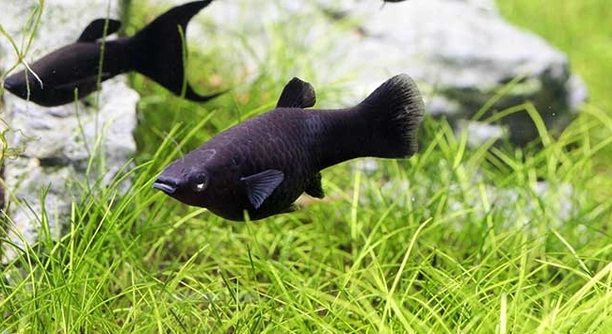
Do you ever notice your black molly lingering in one spot for long periods, barely moving or exploring its tank? This behavior can be puzzling for fish owners who expect active swimming and playful interactions.
A black molly staying in one spot is often a sign of stress, poor water conditions, or illness. Factors such as temperature fluctuations, overcrowding, or lack of oxygen can also contribute to this behavior, impacting the fish’s overall well-being.
Learning the reasons behind this stillness can help improve your molly’s environment and health, ensuring it thrives and remains an active, happy part of your aquarium.
Common Reasons for a Black Molly Staying Still
Many black molly owners notice their fish spending long periods in one corner of the tank. This behavior can indicate issues with water quality, temperature, or oxygen levels. Black mollies are sensitive to sudden changes in their environment, and even small shifts can affect their activity. Overcrowding or aggressive tank mates may also cause a molly to hide or remain still. In some cases, illness or parasites make fish less active and more prone to staying in one spot. Observing how often and where the molly stays can provide clues to the underlying issue. Checking water parameters regularly and ensuring proper filtration can make a significant difference. Additionally, providing hiding spots with plants or decorations helps the fish feel secure, which may encourage movement. Stress from frequent handling or sudden loud noises can also contribute, so maintaining a calm environment is key to encouraging natural behavior in your molly.
Stress, illness, and poor water quality are the main factors that cause a black molly to remain motionless for long periods.
Addressing the underlying causes often involves a mix of environmental adjustments and observation. Monitoring temperature and pH levels helps maintain stable conditions that are crucial for mollies. Ensuring the tank is not overcrowded and checking for aggressive neighbors can reduce stress. Introducing plants and decorations gives fish places to explore and hide, creating a more natural environment. Feeding high-quality food and maintaining a regular schedule supports their overall health. Observing swimming patterns and appetite can indicate recovery or worsening conditions. Sometimes, even minor changes like adjusting lighting or reducing sudden movements around the tank can make a noticeable difference. Consistent care and careful attention to the fish’s environment often resolve inactivity issues without medications. In some cases, consulting a veterinarian or experienced aquarist may be necessary to rule out disease or parasites. By combining observation with practical adjustments, your black molly can regain its usual active behavior.
Water Quality and Its Impact
Poor water quality directly affects black molly behavior, causing them to stay in one spot.
Water parameters like pH, ammonia, nitrite, and nitrate levels influence health. Black mollies thrive in clean, stable water, and fluctuations can lead to lethargy or stress. Testing water regularly ensures safe conditions.
Keeping water clean requires consistent maintenance. Filtration, partial water changes, and removing uneaten food help prevent harmful chemical buildup. Black mollies are sensitive to high ammonia or nitrite, which can make them stop swimming and hide. Temperature stability is equally important; sudden drops or spikes can stress fish, reducing activity. Tank size and overcrowding also matter, as limited space increases competition and stress. Even small tanks need careful monitoring to maintain oxygen levels and prevent stagnant areas. Using a water conditioner when adding new water keeps chlorine and chloramines from harming fish. Observing fish daily helps catch early signs of water-related stress. Maintaining a regular schedule of cleaning, feeding, and monitoring creates a healthier environment, encouraging black mollies to swim freely and display natural behaviors.
Temperature and Tank Conditions
Black mollies are sensitive to water temperature. If the tank is too cold or fluctuates too much, they may stay still and avoid swimming. Proper heating and monitoring are essential to keep them active.
Maintaining a stable temperature between 72°F and 78°F supports black molly health. Sudden changes can stress fish, reducing appetite and causing lethargy. Using a reliable heater and thermometer helps ensure consistency. Tank placement away from drafts or direct sunlight prevents fluctuations. Additionally, water movement and oxygenation play a role. Mollies prefer moderate flow, so adjusting filters or adding an air stone can improve comfort. Observing behavior after temperature adjustments can confirm if inactivity is linked to conditions.
Tank size and layout affect molly activity. Overcrowded tanks limit swimming space and increase stress, while lack of hiding spots makes them feel exposed. Adding plants or decorations provides comfort. Black mollies need open areas to explore, as well as places to retreat when stressed. Poor lighting or irregular light cycles can also affect activity levels. Consistent feeding schedules and proper nutrition support overall health, helping mollies remain active. Observing interactions with other fish is important, as aggressive tank mates can cause hiding or stillness. A well-balanced environment encourages natural swimming patterns and reduces prolonged inactivity.
Illness and Parasites
Illness or parasites can make black mollies stay in one spot, often accompanied by changes in color, fins, or appetite. Early detection is crucial to prevent worsening conditions.
Common illnesses include fin rot, ich, and bacterial infections. Parasites can attach to the skin or gills, causing discomfort and stress. Infected fish may scratch against decorations or hide constantly. Quarantining new fish before introducing them reduces the risk of disease spread. Observing for unusual behaviors, like rapid gill movement or clamped fins, helps identify problems early. Treatment often involves medicated water, salt baths, or adjusting water quality. Proper diagnosis ensures the right solution and prevents further decline. Regular observation, combined with good tank hygiene, minimizes illness risk and supports recovery.
Stress and Aggression
Stress from aggressive tank mates can make black mollies stay still, hiding in corners or behind plants. Even minor bullying or chasing can reduce their activity and affect overall health.
Overcrowding also increases stress levels. A tank with too many fish limits swimming space and creates tension, making mollies less active. Adjusting tank population and providing hiding spots can help reduce stress and encourage normal movement.
Feeding and Nutrition
Poor diet or irregular feeding can cause lethargy in black mollies. Lack of essential nutrients affects energy levels and overall health, leading to prolonged stillness. Feeding a balanced diet with high-quality flakes, pellets, or frozen foods helps maintain vitality and activity.
Signs of Recovery
When conditions improve, black mollies often resume normal swimming, exploring, and interacting with tank mates.
Observation of appetite and activity levels indicates recovery. Fish that begin moving around the tank, chasing food, or investigating decorations are showing signs of returning health and comfort.
Why is my black molly staying at the bottom of the tank?
Black mollies may stay at the bottom when they feel stressed, sick, or uncomfortable with tank conditions. Low oxygen, poor water quality, or sudden temperature changes can make them remain near the substrate. Sometimes, hiding near the bottom is a way to feel secure.
How can I tell if my black molly is sick?
Signs of illness include clamped fins, unusual spots, faded colors, or sluggish behavior. Loss of appetite or rubbing against tank objects may indicate parasites or irritation. Observing these behaviors early helps in providing timely treatment and prevents further health decline.
Can water quality affect black molly activity?
Yes. High ammonia, nitrite, or nitrate levels can stress fish and reduce movement. Mollies thrive in clean, stable water with proper filtration. Regular water testing and partial changes ensure a healthy environment and prevent inactivity caused by poor water conditions.
Is tank size important for black molly health?
Tank size matters a lot. Overcrowded tanks limit swimming space and increase stress, which can lead to stillness. A minimum 20-gallon tank is recommended for a small group of black mollies. Proper spacing and hiding spots help them feel safe and active.
Could aggressive tank mates cause a black molly to stay still?
Yes. Aggressive or overly active fish can intimidate mollies, causing them to hide or stay motionless. Providing plenty of plants, decorations, and escape areas helps mollies feel secure and reduces stress from more dominant tank mates.
Does temperature impact black molly behavior?
Absolutely. Mollies prefer temperatures between 72°F and 78°F. Water that is too cold or fluctuates frequently can cause lethargy. Using a reliable heater and thermometer ensures stability and encourages normal swimming patterns.
How often should I feed my black molly?
Feeding should be consistent, usually once or twice a day with a balanced diet of flakes, pellets, and occasional frozen foods. Overfeeding can pollute the water, while underfeeding reduces energy and may cause the fish to stay inactive.
Can lighting affect a black molly’s activity?
Yes. Inconsistent lighting or very bright lights can stress mollies, making them hide or stay still. A stable day-night cycle with moderate lighting helps regulate behavior and supports healthy activity levels.
When should I consider medication for my black molly?
Medication is needed if illness or parasites are confirmed. Symptoms like persistent hiding, visible spots, or unusual swimming patterns may require treatment. Quarantining the affected fish and treating the tank as instructed prevents spread and supports recovery.
How long does it take for a black molly to recover from stress or illness?
Recovery time varies depending on the cause. Minor stress may resolve in a few days with proper water quality and hiding spots. Illnesses or parasite infections can take a week or more with treatment. Observation and consistent care speed up recovery.
Can I prevent my black molly from staying still in the future?
Maintaining stable water conditions, proper tank size, good nutrition, and peaceful tank mates greatly reduces stress and inactivity. Regular monitoring of water parameters, temperature, and fish behavior helps prevent problems before they start. Creating a safe, enriched environment encourages active swimming and exploration.
Are black mollies more likely to stay still during certain times of the day?
Mollies are naturally less active during dark periods or immediately after feeding. Providing consistent light cycles and avoiding sudden disturbances supports predictable behavior and reduces unnecessary stillness.
Does adding plants and decorations help?
Yes. Plants and hiding spots offer security, reduce stress, and encourage exploration. Mollies feel safer with places to retreat, which can prevent prolonged inactivity caused by fear or environmental discomfort.
Can sudden changes in the aquarium cause a black molly to freeze in place?
Yes. Abrupt changes in temperature, water chemistry, or tank layout can make mollies stop moving temporarily. Gradual adjustments and careful monitoring help them adapt without prolonged inactivity.
Should I isolate my black molly if it stays still for a long time?
Isolation is only recommended if illness is suspected or if aggressive tank mates are stressing the fish. Quarantining allows observation and treatment while preventing the spread of disease and reducing further stress.
How do I encourage a black molly to swim more?
Providing a stable, clean environment with proper tank mates, plants, and consistent feeding encourages movement. Moderate water flow, a balanced diet, and regular observation of health all help mollies regain natural activity patterns.
Is it normal for black mollies to rest in one spot occasionally?
Yes. Mollies sometimes pause to rest or observe their surroundings. Short periods of stillness are normal if water conditions are good, and the fish shows no other signs of stress or illness.
Can a new black molly take time to explore the tank?
New mollies often stay still as they adjust to unfamiliar surroundings. Providing hiding spots, stable water parameters, and a calm environment helps them gradually explore and become more active over several days.
What are common signs that the inactivity is serious?
Persistent hiding, loss of appetite, faded colors, clamped fins, labored breathing, or rubbing against objects indicate a serious issue. Prompt assessment of water conditions and possible treatment are necessary to prevent further health problems.
How often should I monitor my black molly if it stays still?
Daily observation is best. Checking behavior, appetite, and overall appearance helps catch problems early. Monitoring water parameters and maintaining regular tank care support recovery and prevent future inactivity.
Can stress from handling cause a black molly to stay still?
Yes. Frequent or rough handling can stress mollies, causing temporary inactivity. Minimizing disturbances, avoiding sudden movements, and handling fish only when necessary reduces stress and promotes natural swimming behavior.
Are there environmental changes that help black mollies feel more comfortable?
Stable water, moderate lighting, hiding spots, and gentle water flow create a secure environment. Reducing sudden noises or vibrations near the tank also helps mollies feel safe and encourages normal activity.
Is inactivity always a sign of a problem?
Not always. Short periods of stillness or resting are normal for mollies. However, prolonged inactivity combined with other symptoms usually indicates stress, illness, or poor environmental conditions that need attention.
Can black mollies recover fully from inactivity caused by poor conditions?
Yes. With improved water quality, proper nutrition, reduced stress, and treatment for illnesses if needed, mollies can regain normal activity and return to healthy swimming patterns. Consistent care is key to recovery and long-term health.
Does age affect activity levels in black mollies?
Older mollies may naturally be less active than younger ones, but sudden inactivity in any age group should be monitored. Ensuring stable conditions and proper care supports movement and overall health regardless of age.
How do I prevent inactivity in newly added fish?
Quarantine new fish, maintain stable water parameters, provide hiding spots, and introduce them slowly to the tank. These steps reduce stress and encourage exploration and swimming in black mollies from the start.
Are there seasonal changes that impact black molly activity?
Yes. Temperature fluctuations and changes in daylight hours can affect behavior. Maintaining stable indoor conditions and consistent lighting cycles helps mollies remain active throughout the year.
Can black mollies coexist with other fish without becoming inactive?
Yes, if tank mates are peaceful and the tank is not overcrowded. Careful selection of compatible species and providing hiding spots ensures mollies feel safe and continue normal swimming behavior.
How long should I wait before seeking help for a still black molly?
If inactivity persists for more than a day or two, especially with other concerning signs, assessing water conditions and consulting an expert or veterinarian is recommended. Early action prevents worsening health issues.
Can regular maintenance prevent inactivity?
Yes. Consistent cleaning, water testing, and monitoring of fish health keep the environment stable and minimize stress. Regular maintenance helps black mollies remain active and healthy over time.
What is the role of oxygenation in black molly activity?
Oxygen-rich water encourages movement and normal swimming. Poor aeration can cause mollies to stay near the surface or remain still. Using filters, air stones, or water movement ensures sufficient oxygen levels.
Does diet variety affect energy levels?
Providing a mix of flakes, pellets, and frozen foods ensures proper nutrition and energy. A balanced diet supports swimming activity and overall health, reducing inactivity caused by poor nutrition.
Can hiding spots ever reduce activity too much?
Hiding spots provide comfort but should be balanced with open swimming areas. Too many hiding places may make mollies overly cautious, reducing overall exploration. Proper tank design encourages both security and activity.
How do I know when a black molly is fully recovered?
Active swimming, normal appetite, vibrant coloration, and interaction with tank mates indicate recovery. Once behavior returns to usual patterns, the fish has likely regained full health.
What small changes can make a big difference in activity?
Stable water, consistent temperature, proper feeding, reduced stress, and hiding spots significantly impact black molly activity. Even minor improvements in these areas can encourage normal swimming behavior and reduce prolonged stillness.
Are black mollies more active at certain times?
Yes, they are usually more active during daylight hours and feeding times. Ensuring consistent light cycles and feeding schedules supports predictable activity patterns and healthy behavior.
Can water hardness affect black molly behavior?
Yes. Black mollies prefer slightly hard water. Extreme softness or hardness can stress them, reducing swimming activity. Regular testing and adjustment help maintain comfortable water conditions.
How important is observation in preventing prolonged stillness?
Observation is key. Daily checks of behavior, appetite, and environment help detect stress, illness, or water issues early, allowing timely intervention and preventing extended inactivity.
Is it normal for black mollies to occasionally rest?
Yes. Short periods of resting or staying still are normal, as long as the fish resumes swimming, feeding, and normal behavior afterward. Prolonged inactivity may signal underlying issues.
Can new tank setups cause temporary stillness?
Yes. Introducing a black molly to a newly set-up tank can cause temporary stillness as it adjusts. Gradual acclimation and secure hiding spots help the fish feel comfortable and begin exploring.
How can I make my black molly feel safe?
Stable water, gentle lighting, moderate tank flow, hiding spots, and peaceful tank mates create a secure environment. Reducing sudden disturbances encourages swimming and reduces prolonged stillness.
Can black mollies overheat or get too cold?
Yes. Temperature extremes stress fish and reduce activity. Using a heater and monitoring with a thermometer ensures stable conditions for normal movement and overall health.
Does tank cleanliness affect energy levels?
Yes. Dirty tanks with uneaten food or high waste levels reduce water quality and oxygen, causing lethargy. Regular cleaning and water changes support active swimming and prevent inactivity.
Are all black mollies affected the same way by environmental changes?
Individual temperaments vary. Some mollies may tolerate minor changes, while others become stressed quickly. Observing each fish and adjusting conditions accordingly helps maintain activity for all tank inhabitants.
How long does it take for changes to show improvement?
Minor environmental adjustments may show results in a day or two, while illness or parasite treatment can take a week or more. Patience, monitoring, and consistent care are essential for recovery.
Can stress from other fish cause long-term inactivity?
Yes. Continuous bullying or overcrowding can lead to prolonged inactivity and health issues. Providing hiding spots and reducing aggressive interactions improves safety and encourages normal behavior.
Are there behavioral signs before a black molly becomes inactive?
Yes. Restlessness, hiding, loss of appetite, or swimming near the surface can precede stillness. Early detection helps prevent prolonged inactivity and allows timely intervention.
Does water movement affect black molly activity?
Moderate water flow encourages swimming, while stagnant or overly strong currents can stress mollies. Adjusting filters and using gentle aeration supports natural behavior and reduces prolonged stillness.
How does tank placement in a room affect black mollies?
Tanks near drafts, direct sunlight, or high-traffic areas can stress fish, causing inactivity. Placing the tank in a calm, stable environment promotes comfort and encourages normal swimming behavior.
Can frequent water changes stress black mollies?
Sudden or large water changes may temporarily stress mollies. Gradual, partial water changes with proper conditioning reduce risk and maintain a stable, comfortable environment.
Is inactivity always harmful?
Short periods of rest are normal, but prolonged stillness often indicates stress, poor water conditions, illness, or inadequate tank setup. Observing the fish carefully helps distinguish normal rest from concerning inactivity.
Does social interaction impact activity?
Yes. Mollies are social and benefit from compatible tank mates. Isolation or aggressive neighbors can reduce movement. Balanced social dynamics encourage exploration and swimming.
Can black mollies recover from inactivity caused by stress alone?
Yes. Removing stress factors like aggressive fish, poor water conditions, or sudden disturbances often restores normal activity. Patience and careful observation are important for full recovery.
What role does diet quality play in recovery?
High-quality, balanced food provides energy and supports immune function. Proper nutrition accelerates recovery from stress, illness, or inactivity, helping black mollies regain normal behavior.
Are there specific signs that indicate permanent damage?
Severe fin rot, organ damage, or prolonged lethargy despite proper care may indicate lasting issues. Consulting an expert is essential to prevent further decline and improve quality of life.
Can temperature swings at night affect activity?
Yes. Rapid nighttime drops can stress mollies. Using a heater and avoiding drafts ensures stable temperatures and consistent activity levels.
How can I prevent recurring inactivity?
Maintaining stable water conditions, proper diet, compatible tank mates, and observing behavior regularly prevents stress and inactivity. Consistent care is key to keeping black mollies healthy and active.
Does frequent monitoring stress black mollies?
Observing without disturbing them is safe. Gentle monitoring helps detect early signs of stress or illness. Avoid tapping or sudden movements to minimize additional stress.
How long does it take for a new black molly to adapt?
Adjustment usually takes a few days to a week. Providing hiding spots, stable water, and gentle surroundings helps the fish acclimate and become active.
Can tank decorations influence activity?
Yes. Plants, caves, and decorations provide security and encourage exploration. A balanced layout promotes both safety and swimming space, reducing prolonged stillness.
Are all black mollies equally sensitive to changes?
No. Individual differences mean some tolerate minor changes while others react strongly. Observing each fish ensures proper care and supports normal activity.
Is it normal for black mollies to rest after feeding?
Yes. Short rest periods after feeding are normal. Prolonged inactivity or lack of appetite may indicate underlying problems.
Can water hardness changes cause inactivity?
Yes. Sudden shifts in hardness can stress mollies. Maintaining slightly hard, stable water supports comfort and encourages natural swimming behavior.
How do I know when inactivity is serious enough to intervene?
Persistent stillness, loss of appetite, faded color, clamped fins, or abnormal swimming patterns indicate the need for intervention. Immediate assessment of water quality, tank conditions, and health ensures timely care.
Can black mollies become active again after illness?
Yes. With proper treatment, improved conditions, and care, black mollies can regain normal activity and swimming behavior, often returning to their usual energetic patterns.
Does tank depth affect black molly activity?
Moderate depth is ideal. Extremely shallow or very deep tanks may limit comfortable swimming, reducing activity. Proper tank dimensions encourage natural movement.
How can I encourage exploration in a black molly?
Balanced tank setup, plants, decorations, compatible tank mates, stable water, and consistent feeding promote curiosity and movement, reducing prolonged inactivity.
Are black mollies more active at certain temperatures?
Yes. Temperatures within their preferred range of 72°F to 78°F maximize activity. Outside this range, movement decreases, and stillness becomes more common.
Can water pH fluctuations reduce activity?
Yes. Mollies prefer slightly alkaline water. Sudden pH changes can stress them, causing lethargy. Regular testing and adjustments maintain stable, comfortable conditions.
Do black mollies need hiding spots?
Yes. Hiding spots reduce stress and encourage normal movement. Plants, caves, or decorations create a sense of security while allowing exploration.
Is prolonged inactivity always linked to illness?
Not always. Stress, poor water quality, temperature changes, or new environments can also cause stillness. Observation and monitoring help determine the cause.
Can multiple minor issues combine to cause inactivity?
Yes. Poor water quality, stress, aggressive tank mates, and temperature fluctuations together can lead to prolonged stillness. Addressing all factors ensures recovery.
Does tank placement near windows affect activity?
Direct sunlight, drafts, or vibrations from windows can stress mollies, reducing swimming. Choosing a calm, stable location supports normal behavior.
Are black mollies more active in groups?
Yes. They are social fish. Being with compatible tank mates encourages swimming, exploration, and natural behaviors, reducing prolonged inactivity.
Can adding an air stone help?
Yes. Air stones increase oxygen levels and create gentle water movement, encouraging activity and reducing stillness caused by low oxygen.
How does sudden loud noise affect black mollies?
Loud noises can startle or stress mollies, making them freeze or hide. Keeping the environment calm helps maintain normal activity.
Can black mollies adapt to slow environmental changes?
Yes. Gradual adjustments in water parameters, temperature, or tank layout help mollies acclimate without prolonged inactivity.
Are black mollies affected by strong currents?
Yes. Strong currents can tire or stress them, causing hiding or stillness. Moderate flow supports natural swimming without excessive strain.
Does fish age affect response to stress?
Older fish may be slower or less active, but sudden inactivity should still be monitored for health concerns. Proper care supports activity across all ages.
Can stress from handling trigger illness?
Handling increases stress, which may weaken immunity and lead to illness. Minimizing handling supports health and normal activity.
Are there environmental signs that predict inactivity?
Fluctuating water parameters, overcrowding, and sudden changes in temperature or lighting often precede reduced movement. Early adjustments prevent prolonged stillness.
How do I balance hiding spots and open swimming space?
Provide enough plants and decorations for security while leaving clear areas for swimming. This encourages exploration and natural behavior without causing stress.
Can black mollies recover fully from combined stress factors?
Yes. Correcting water quality, tank conditions, nutrition, and stressors allows mollies to regain normal activity, though recovery may take days to weeks depending on severity.
Does the presence of other fish influence inactivity?
Yes. Peaceful, compatible tank mates encourage swimming, while aggressive fish or overcrowding
Black mollies are active, social fish, and seeing one stay in one spot for long periods can be worrying. There are many reasons why a black molly may behave this way, including stress, poor water quality, illness, temperature fluctuations, or aggressive tank mates. It is important to observe your fish carefully and take note of any other signs, such as changes in color, appetite, or fin condition. By paying attention to these details, you can begin to identify the cause of the inactivity and take steps to address it. Regular observation allows you to notice small changes before they develop into serious problems.
Maintaining stable water conditions is one of the most important factors in keeping black mollies healthy and active. Testing the water regularly for parameters like ammonia, nitrite, nitrate, pH, and temperature ensures a comfortable environment. Partial water changes, proper filtration, and avoiding overcrowding reduce stress and improve overall health. Tank layout also plays a role; providing both hiding spots and open swimming areas gives the fish a sense of security while allowing room to move freely. Nutrition is equally important. Feeding a varied and balanced diet, including high-quality flakes, pellets, and occasional frozen foods, provides energy and supports the immune system. Combining these environmental and dietary considerations creates conditions that promote natural behavior and reduce prolonged stillness.
It is also essential to consider the social and behavioral aspects of your tank. Black mollies are social and thrive in peaceful groups. Aggressive or overly active tank mates can cause hiding and stress, leading to inactivity. Even short periods of stress can affect their behavior, so minimizing disturbances, maintaining consistent light cycles, and providing secure spaces helps mollies feel comfortable. Illness and parasites should not be overlooked, as these can significantly impact activity. Early detection and prompt treatment are key to recovery. By maintaining stable conditions, observing behavior carefully, and addressing any issues quickly, black mollies can return to their normal active swimming patterns. Understanding and responding to the factors that affect their activity ensures a healthy, thriving fish in a comfortable and supportive tank environment.

Hello,
If you enjoy the content that we create, please consider saying a "Thank You!" by leaving a tip.
Every little bit helps us continue crafting quality advice that supports the health, happiness, and well-being of pets around the world, for pets of all shapes, sizes, and species.
We really appreciate the kindness and support that you show us!