
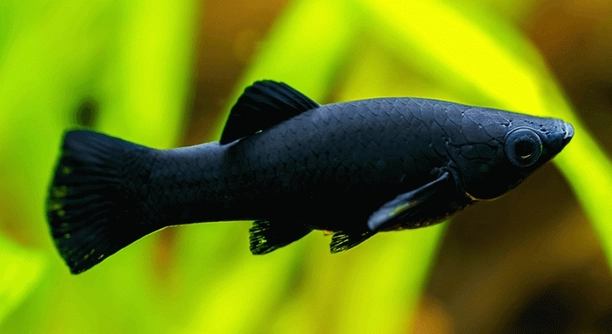
Do you ever find yourself busy with work or errands and forget to feed your black molly? These small, peaceful fish depend on regular feeding to stay healthy and active in their aquarium environment.
Forgetting to feed a black molly can lead to decreased energy, weakened immunity, and slower growth. Prolonged food deprivation may result in stress, susceptibility to disease, and in severe cases, mortality. Regular feeding is essential to maintain optimal health.
Understanding the effects of missed feedings can help you provide better care and ensure your black molly thrives in its aquatic home.
Signs Your Black Molly Is Hungry
A black molly that misses meals will start showing subtle signs of hunger. You might notice it swimming near the surface or lingering around the feeding area more than usual. Its movements may become more erratic, and it might nudge the substrate or decorations searching for food. Over time, its coloration can appear slightly duller, and fins may look less vibrant. These are early indicators that the fish is not receiving enough nutrition. Black mollies are social fish, and their behavior can change noticeably if one is underfed. Sometimes, they may even show increased aggression toward tank mates as a response to stress caused by food scarcity. Observing these behaviors closely allows you to address the issue before it affects overall health. Keeping a consistent feeding schedule is key to preventing these hunger-related problems and maintaining a stable, healthy tank environment.
Paying attention to these behavioral changes helps prevent serious health issues and keeps your black molly active and healthy.
Recognizing hunger early allows for quick adjustments in feeding routines. By offering balanced portions at regular times, you ensure that the molly maintains proper energy levels and growth. Adjusting the amount based on tank size and the number of fish prevents overfeeding while avoiding long periods without food. Proper nutrition supports immune function, reducing susceptibility to infections and stress-related behaviors. Feeding multiple small meals instead of a single large one can improve digestion and reduce waste accumulation in the aquarium. Monitoring your fish’s response to feeding helps refine portions and schedules for optimal health. Consistent feeding routines also encourage natural activity patterns, keeping your molly engaged and lively. A well-fed black molly exhibits brighter coloration, smooth swimming, and healthy fins. Observing these signs makes it easier to maintain a balanced aquatic environment and ensures all tank inhabitants thrive together.
What To Do If You Forget to Feed
If you accidentally skip a feeding, your black molly can usually recover quickly if it only happens once. Offer a slightly smaller meal at the next feeding to avoid digestive stress. Monitor the fish for any unusual behavior in the following hours.
In cases where feedings are missed repeatedly, corrective measures are needed. Gradually restore a consistent feeding schedule and ensure meals are balanced and appropriate in size. Avoid overcompensation, as excessive food can cause water quality issues, leading to stress and potential illness. If signs of weakness or lethargy appear, isolate the affected fish in a safe environment to observe recovery and prevent competition from tank mates. Regular observation and adjustments to feeding routines support overall health and prevent long-term consequences of underfeeding. It is also helpful to keep a feeding log or set reminders to maintain consistency.
Reintroducing regular feeding helps restore energy levels, improves coloration, and strengthens immunity. Even after a missed day, black mollies often return to normal activity quickly. Maintaining water quality and avoiding overfeeding ensures the tank remains safe and healthy. Consistency in care reinforces natural behaviors and promotes a stable environment. With proper attention, your black molly can regain vitality and continue thriving in its aquatic home.
How Often Should You Feed Black Mollies
Feeding black mollies once or twice a day is sufficient. Small, measured portions prevent overfeeding and help maintain water quality. Consistency in timing ensures healthy growth and stable energy levels.
Portion size is important to avoid digestive problems. Overfeeding can lead to excess waste, clouded water, and stress for the fish. A good guideline is to provide only what the fish can consume within two to three minutes. Observing how much they eat at each feeding helps adjust the amount. Balanced meals with high-quality flakes or pellets supplemented with occasional vegetables support proper nutrition. By monitoring their eating habits, you can prevent both underfeeding and overfeeding.
Feeding multiple small meals throughout the day can be better than one large portion. Black mollies digest food efficiently when it is spaced out, which also reduces the risk of water contamination. Maintaining a predictable schedule encourages natural swimming and social behaviors, keeping the fish active. Vegetables such as zucchini or spinach can be added a few times a week for extra nutrients. Ensuring variety in the diet keeps the fish healthy and enhances coloration. Paying attention to consumption patterns allows fine-tuning of feeding amounts. Overall, proper scheduling and portioning contribute to the long-term well-being of black mollies.
Common Mistakes in Feeding
Feeding too much at once is a frequent error. Excess food can pollute the tank and harm your fish.
Another mistake is inconsistent timing. Skipping meals or feeding at irregular intervals can stress black mollies and disrupt their natural behavior. Relying solely on one type of food limits essential nutrients and can lead to deficiencies. Observing how your fish reacts to feedings helps identify patterns and adjust accordingly. Poor water quality due to leftover food can exacerbate these problems. Small adjustments in feeding habits and attention to variety prevent these common mistakes.
Proper cleaning and portion control are key to avoiding issues. Uneaten food should be removed promptly to maintain water quality. Providing balanced nutrition and monitoring fish behavior ensures a healthier environment. Feeding at regular intervals strengthens natural activity patterns and promotes growth. Incorporating occasional vegetables enhances the diet. By staying attentive, you can maintain a thriving aquarium and prevent preventable health problems in black mollies.
Effects of Missing Multiple Feedings
Repeatedly skipping feedings can weaken black mollies and lower their immunity. Stress levels increase, making them more vulnerable to illness.
Prolonged food deprivation can stunt growth and dull coloration. Fish may become lethargic and less active, affecting overall tank dynamics and social interactions.
How to Monitor Eating Habits
Observe your black molly during each feeding to ensure it consumes food at a normal pace. Watch for leftover flakes or pellets that indicate overfeeding or disinterest.
Keeping track of feeding behavior helps identify health problems early. Sudden changes in appetite may signal stress, water quality issues, or illness, allowing timely corrective actions.
Ideal Food Types
Black mollies thrive on a balanced diet of high-quality flakes, pellets, and occasional vegetables. Protein-rich foods support growth and energy.
Including variety in their diet ensures essential nutrients are provided, maintaining strong immune systems and vibrant coloration while promoting natural activity levels.
FAQ
How long can a black molly go without food?
Black mollies can survive a day or two without food, but longer periods can cause stress and health problems. Missing multiple feedings weakens their immune system, reduces energy, and may stunt growth. Regular feeding is essential for maintaining vitality and overall health.
What happens if I overfeed my black molly?
Overfeeding can lead to water quality issues, including excess waste and algae growth. It can also cause digestive problems, lethargy, and obesity in fish. Uneaten food decomposes, increasing toxins like ammonia and nitrites, which can harm your mollies and other tank inhabitants.
Can black mollies eat vegetables?
Yes, black mollies benefit from vegetables like zucchini, spinach, or peas. These provide essential nutrients and fiber. Vegetables should be offered occasionally and in small amounts, either blanched or finely chopped, to avoid overfeeding and ensure easy digestion.
How do I know if my black molly is underfed?
Signs of underfeeding include reduced activity, lingering near the surface, dull coloration, and thinner body appearance. They may also become more aggressive toward tank mates or display erratic swimming. Monitoring behavior regularly helps prevent long-term health issues.
Is it okay to skip a feeding once in a while?
Occasionally missing a feeding is not usually harmful if the fish has been fed consistently before. The key is to resume regular feeding immediately and ensure portions remain appropriate to avoid digestive stress or overcompensation.
What is the best feeding schedule for black mollies?
Feeding once or twice daily is sufficient, depending on tank size and number of fish. Small, measured portions prevent overfeeding and maintain water quality. Splitting meals into multiple smaller feedings can improve digestion and encourage consistent activity.
How much food should I give at each feeding?
Provide only what your black molly can consume in two to three minutes. Observing their eating behavior helps adjust portion sizes. Too little food can stunt growth, while too much increases waste and can harm water quality.
Can skipping feedings affect black molly breeding?
Yes, irregular feeding can impact reproductive health. Insufficient nutrition reduces energy for mating behaviors and may decrease fertility. Consistent feeding ensures adult mollies maintain energy levels and optimal health for successful breeding.
Are black mollies social during feeding?
Yes, black mollies are social and often feed together. They may become more active or competitive during mealtime. Watching feeding interactions can provide insight into tank dynamics and help identify stress or underfed individuals.
What should I do if my black molly refuses to eat?
Refusal to eat can indicate stress, poor water conditions, or illness. Check water quality, ensure the tank is clean, and offer varied, high-quality foods. If refusal persists, consider isolating the affected fish to monitor health and recovery more closely.
How can I prevent missed feedings?
Establish a routine with consistent times and portions. Using automated feeders or reminders can help maintain regularity. Consistency supports healthy growth, strong immunity, and stable behavior patterns for black mollies.
Can underfed black mollies recover?
Yes, with proper feeding and care, mollies can regain strength and coloration. Reintroducing a balanced diet gradually and monitoring for health improvements ensures recovery while avoiding digestive stress or overfeeding.
Are there risks to skipping weekends or busy days?
Occasional skipped feedings are manageable, but frequent gaps can accumulate stress. Planning ahead with measured meals or temporary feeders ensures mollies remain nourished and active during irregular schedules.
Does water temperature affect feeding needs?
Yes, water temperature influences metabolism. In cooler water, mollies eat less and digest slower. Warmer water increases appetite and activity. Adjust portion sizes and feeding frequency according to the tank’s temperature for optimal nutrition.
Can other tank mates influence feeding?
Yes, aggressive or fast-eating tank mates may outcompete black mollies, leaving them underfed. Observing mealtime behavior and separating fish if necessary ensures all receive adequate nutrition and prevents stress.
How do I balance feeding multiple fish in one tank?
Feed small amounts at several locations to ensure even distribution. Observe each fish during feeding and adjust portions as needed. This method prevents dominance issues and ensures all fish, including black mollies, receive sufficient food.
Can skipping feedings affect black molly lifespan?
Chronic underfeeding can shorten lifespan by weakening immunity, slowing growth, and increasing vulnerability to disease. Regular, balanced feeding is critical to supporting long-term health and maintaining energy levels for daily activity.
Is there a difference between feeding juvenile and adult black mollies?
Yes, juveniles need smaller, more frequent meals to support rapid growth, while adults require fewer feedings with measured portions. Adjusting feeding strategies according to age helps maintain proper nutrition and prevents overfeeding or underfeeding.
How important is food variety for black mollies?
Variety ensures all essential nutrients are provided, supporting growth, immune function, and coloration. Flakes, pellets, and occasional vegetables create a balanced diet and prevent deficiencies while keeping feeding interesting and engaging for the fish.
What is the impact of skipping feedings on molly behavior?
Skipped feedings can make mollies lethargic, restless, or more aggressive. Behavioral changes are often the first sign of stress or underfeeding, making observation critical for timely intervention and maintaining a healthy aquarium environment.
How quickly should I resume feeding after missing a day?
Resume regular feeding immediately with normal portions. Avoid giving extra food to compensate for the missed meal, as this can cause digestive problems and water quality issues. Consistency is more important than overfeeding after a gap.
Are there any signs of long-term underfeeding?
Long-term underfeeding can cause stunted growth, dull coloration, weakened immunity, and higher susceptibility to disease. Fish may appear thinner, swim less actively, and have reduced social interactions within the tank. Regular monitoring prevents these outcomes.
What foods are easiest for black mollies to digest?
High-quality flakes or pellets formulated for mollies are easy to digest. Occasional vegetables like zucchini or spinach should be blanched or finely chopped. Avoid overfeeding or hard-to-digest foods that could cause digestive distress or water quality issues.
How do I adjust feeding for a new black molly?
Introduce new mollies gradually with small portions and monitor their eating behavior. Observe interactions with tank mates to ensure the new fish is not outcompeted. Gradual adjustments help them adapt to the feeding routine and reduce stress.
Can fasting ever be beneficial for black mollies?
Short-term fasting of one day can help clear the digestive system and prevent overfeeding, but it should not become routine. Regular, balanced feeding supports growth, coloration, and overall health more effectively.
How does aquarium size affect feeding?
Smaller tanks require careful portion control, as leftover food quickly affects water quality. Larger tanks allow more distributed feeding, but observation is still needed to ensure all fish receive adequate nutrition and prevent waste accumulation.
What role does observation play in feeding black mollies?
Observation helps detect appetite changes, signs of stress, and health issues early. By monitoring eating habits, you can adjust portions, feeding times, and food types to support overall health and prevent long-term problems in the tank.
How can I avoid feeding mistakes with black mollies?
Set a consistent feeding schedule, measure portions carefully, provide a varied diet, and observe behavior. Remove uneaten food promptly and adjust as needed to maintain water quality and fish health. Proper planning prevents common feeding errors and stress-related issues.
Is automated feeding reliable for black mollies?
Automated feeders are useful for maintaining consistency during busy periods or absences. However, occasional checks are necessary to ensure proper portion sizes and confirm the fish are actually eating the food provided.
Can skipping feedings affect social behavior in mollies?
Yes, underfed mollies may become more aggressive or withdrawn. Adequate nutrition supports normal social interactions, schooling behavior, and overall activity within the tank, helping maintain a balanced and peaceful community.
How often should I change the type of food?
Offering variety weekly or biweekly is sufficient. Changing food too frequently can cause digestive issues, while providing the same food continuously may limit essential nutrients. Balanced rotation ensures proper health and nutrition.
Are there signs that indicate overfeeding?
Excess food in the tank, bloated appearance, sluggish swimming, and cloudy water indicate overfeeding. Adjust portions and remove uneaten food promptly to prevent water quality issues and digestive stress.
Does skipping feedings affect black molly coloration?
Yes, inadequate nutrition can cause dull or faded coloration. Proper, consistent feeding with balanced nutrients supports vibrant colors and overall appearance, reflecting the fish’s health and well-being.
How can I tell if a molly is stressed from underfeeding?
Signs include lethargy, erratic swimming, hiding, reduced social interaction, and fin clamping. Observing these behaviors allows early intervention and helps restore health through proper feeding and care.
What is the best approach to resume feeding after frequent missed meals?
Gradually restore a consistent feeding routine with measured portions. Avoid overcompensation and monitor behavior and health closely. Maintain water quality and provide balanced meals to ensure full recovery and long-term wellness.
How does stress affect appetite in black mollies?
Stress can reduce appetite, causing mollies to eat less or ignore food. Identifying and removing stressors, such as aggressive tank mates or poor water conditions, helps restore normal feeding behavior and overall health.
Can underfed mollies recover their energy quickly?
With consistent, balanced feeding, mollies often regain energy and activity within a few days. Recovery depends on the severity of underfeeding and overall tank conditions, including water quality and absence of stressors.
Is portion control more important than feeding frequency?
Both are important, but precise portion control prevents overfeeding and water quality problems. Combined with a regular feeding schedule, it ensures mollies receive adequate nutrition without stress or digestive issues.
What monitoring tools can help with feeding black mollies?
Observation, feeding logs, timers, and automated feeders can assist. These tools help maintain consistency, prevent overfeeding, and track behavior changes for early intervention if health issues arise.
How do seasonal changes affect feeding needs?
Temperature changes can alter metabolism. Cooler temperatures slow digestion, requiring smaller portions, while warmer water increases appetite. Adjust feeding accordingly to support energy levels and prevent overfeeding.
Are there long-term consequences of irregular feeding?
Chronic underfeeding or overfeeding can reduce lifespan, weaken immunity, impair growth, and cause behavioral issues. Maintaining a balanced, consistent feeding routine is essential for healthy, active black mollies.
How do I balance feeding multiple species with black mollies?
Feed in separate locations or at different times to ensure all species get enough food. Observe interactions and adjust portions for each species’ dietary needs to prevent dominance or underfeeding.
What is the safest way to feed black mollies when away from home?
Automated feeders or trusted caretakers can provide consistent meals. Ensure portions are appropriate and monitor the tank before and after absence to maintain water quality and fish health.
Can skipping feedings affect molly reproduction?
Yes, insufficient nutrition reduces energy for mating and egg production. Consistent, balanced feeding supports reproductive health and maintains the overall vitality of breeding adults.
How do I know if my feeding schedule is effective?
Observe growth, coloration, activity, and appetite. Healthy, active mollies with vibrant coloration and normal behavior indicate the schedule is adequate. Adjust as needed based on behavior and tank conditions.
What should I do if my mollies fight over food?
Feed small amounts in multiple areas to reduce competition. Ensure weaker or slower fish get food and consider separating aggressive individuals temporarily to prevent stress and underfeeding.
How do I manage feeding for juvenile and adult mollies together?
Feed juveniles smaller portions more frequently. Adults require less frequent, measured feedings. Observing behavior ensures all fish receive adequate nutrition without overfeeding or competition issues.
Are there supplements necessary for black mollies?
High-quality flakes or pellets usually provide sufficient nutrients. Occasional vegetables or specialized supplements can enhance health, coloration, and immune function, but should be given sparingly and as part of a balanced diet.
Can skipping feedings affect molly activity?
Underfed mollies may swim less and hide more. Regular feeding keeps energy levels up, encourages natural behaviors, and ensures the fish remain active and engaged in the tank.
How important is water quality in relation to feeding?
Water quality directly affects feeding behavior and digestion. Uneaten food can pollute water, stressing fish and reducing appetite. Maintaining clean water supports healthy digestion, nutrient absorption, and overall molly health.
What is the best way to transition a molly to a new feeding routine?
Introduce changes gradually, adjusting portions and timing incrementally. Monitor behavior and health to ensure the fish adapts smoothly without stress or digestive issues. Consistency and observation are key for a successful transition.
How do I handle missed feedings during vacations?
Use an automated feeder or arrange for someone to feed the fish. Ensure portions remain small to prevent overfeeding and maintain water quality. Check the tank immediately after returning to assess the fish’s condition.
Can skipping feedings affect molly social structure?
Yes, underfed mollies may become aggressive or withdrawn, affecting schooling and social interactions. Consistent feeding maintains normal behaviors, reducing stress and promoting harmony in the tank.
How can I ensure all mollies receive enough food?
Feed in multiple locations and observe during meals. Adjust portion sizes based on fish size and behavior. Separating slower eaters if needed ensures everyone receives adequate nutrition.
Are there signs that indicate a feeding routine needs adjustment?
Leftover food, sluggish activity, dull coloration, or aggressive behavior indicate portion or frequency issues. Adjust feeding amounts, schedule, or food type accordingly.
How long does it take for mollies to recover from underfeeding?
Recovery can take several days to a week, depending on severity. Gradually restoring regular, balanced meals and monitoring behavior ensures full recovery without overfeeding.
What should I do if multiple feedings are missed frequently?
Reestablish a consistent schedule immediately, provide balanced meals, and monitor health closely. Prevent future gaps with reminders, automated feeders, or trusted caretakers. Prompt action reduces long-term negative effects.
Is it necessary to remove uneaten food immediately?
Yes, removing leftover food prevents water contamination, reduces stress, and maintains proper digestion. Clean water is essential for healthy mollies and reduces the risk of disease.
Can skipped feedings affect molly growth?
Yes, prolonged underfeeding slows growth, especially in juveniles. Consistent, balanced nutrition is essential for proper development and long-term health.
Are there differences in feeding between male and female mollies?
Females may require slightly more nutrition for reproductive health, while males need balanced meals to maintain energy and coloration. Observing eating habits ensures both genders receive adequate nutrition.
How do I know if my molly diet is balanced?
Healthy growth, vibrant coloration, regular activity, and strong immune function indicate a balanced diet. Variety in flakes, pellets, and vegetables supports overall nutrition.
What is the impact of overfeeding on water chemistry?
Excess food increases ammonia and nitrites, leading to poor water quality, stress, and higher disease risk. Controlled portions prevent these issues and maintain a stable environment.
Can skipping feedings affect molly longevity?
Yes, irregular or insufficient feeding can shorten lifespan due to weakened immunity, stunted growth, and increased susceptibility to illness. Regular, balanced nutrition supports long-term health and vitality.
How do I maintain feeding consistency for multiple aquariums?
Use timers, feeding logs, or automated feeders. Observe each tank to ensure appropriate portions and monitor behavior. Consistency prevents overfeeding, underfeeding, and stress across multiple setups.
What should I do if mollies are competing for food?
Feed in multiple spots, monitor interactions, and separate aggressive individuals if needed. Adjust portion sizes to ensure all fish receive adequate nutrition and reduce stress.
Can fasting improve digestion in mollies?
Occasional short fasting can aid digestion, but it should be infrequent. Regular, balanced feeding is more effective for health, growth, and activity.
How do I ensure proper nutrition for black mollies?
Provide high-quality flakes or pellets, occasional vegetables, and monitor feeding behavior. Adjust portions and variety to maintain energy, coloration, and overall health.
Are there any signs that indicate overfeeding or underfeeding simultaneously?
Uneaten food combined with thin, lethargic fish suggests uneven feeding. Adjust portions, schedule, and observe interactions to ensure all mollies receive adequate nutrition.
How does tank size influence feeding amounts?
Smaller tanks require careful portion control, while larger tanks allow more distributed feeding. Observation ensures all fish are fed without water contamination.
Can skipping feedings impact molly immunity?
Yes, insufficient nutrition weakens the immune system, making mollies more prone to disease. Regular, balanced feeding supports long-term health and disease resistance.
What is the role of fiber in a molly’s diet?
Fiber from vegetables aids digestion, prevents constipation, and promotes healthy gut function. Including small amounts of blanched vegetables supports digestive health and overall well-being.
How do I adjust feeding for a stressed molly?
Reduce portions temporarily, ensure water quality, and provide high-quality food. Monitor behavior and gradually resume normal feeding once stress factors are removed.
Is skipping feedings worse than overfeeding?
Both have negative effects, but chronic underfeeding reduces energy, immunity, and growth. Controlled feeding with balanced portions is essential for healthy, active mollies.
How often should I observe feeding behavior?
Daily observation during feedings helps detect appetite changes, stress, or illness. Early intervention prevents long-term health issues and ensures proper nutrition for all mollies.
What is the safest way to feed when away for several days?
Use an automated feeder with measured portions or arrange a trusted caretaker. Ensure food distribution is even and water quality is maintained. Check fish immediately upon return.
How can I maintain consistent feeding in a busy schedule?
Set reminders, use timers, or automated feeders. Prepare pre-measured portions in advance. Consistency maintains energy levels, health, and social behaviors of black mollies.
Can skipped feedings cause behavioral changes in juveniles?
Yes, juveniles are more sensitive to missed meals. They may become lethargic, hide, or show slower growth. Regular feeding supports development and maintains normal activity levels.
How do I manage feeding when introducing new tank mates?
Feed in multiple locations and observe interactions. Ensure new fish receive adequate nutrition without being outcompeted. Gradually adjust portions as everyone settles into the tank.
What are the signs that a feeding routine is working?
Healthy growth, vibrant coloration, active swimming, and normal social interactions indicate the routine is effective. Adjustments may be needed based on behavior and
Feeding black mollies consistently is one of the most important responsibilities of owning these small, peaceful fish. They rely on regular, balanced meals to maintain their energy, coloration, and overall health. Even missing a single feeding occasionally is usually not harmful, but repeated lapses can lead to stress, weaker immunity, and slower growth. Observing their behavior during mealtime is crucial, as changes in appetite, swimming patterns, or social interactions often signal that something is off. Paying attention to these subtle signs allows for timely corrections before more serious issues develop. Maintaining clean water and monitoring water quality also play a key role in ensuring the fish are healthy and able to digest their food efficiently.
A proper feeding routine involves measuring portions carefully and offering food that meets the nutritional needs of black mollies. High-quality flakes or pellets are suitable as the main food source, and vegetables like zucchini or spinach can be included occasionally to provide extra fiber and nutrients. Feeding once or twice daily is sufficient for adult mollies, while juveniles may benefit from smaller, more frequent meals to support rapid growth. Splitting portions into two or more feedings per day helps prevent overfeeding, reduces waste accumulation in the tank, and encourages natural activity levels. Consistency in timing and portions supports the overall well-being of the fish and ensures a balanced, healthy environment for all tank inhabitants. It also minimizes stress and maintains normal social behaviors, keeping your mollies active and lively.
Even with occasional mistakes or skipped feedings, black mollies are resilient and can recover quickly if their diet is restored promptly. The key is to resume regular feeding schedules and maintain a balanced diet, avoiding overcompensation after a missed meal. Observing their recovery and adjusting portions as needed allows mollies to regain energy, coloration, and activity levels without additional stress. Careful planning, consistent feeding habits, and attention to water quality help prevent long-term consequences of underfeeding or overfeeding. By understanding the effects of missed feedings and implementing a structured feeding routine, you can ensure that your black mollies thrive in a healthy, stable aquarium environment. This combination of consistent care, proper nutrition, and observation creates a safe and supportive habitat where your mollies can live long, active, and healthy lives.

Hello,
If you enjoy the content that we create, please consider saying a "Thank You!" by leaving a tip.
Every little bit helps us continue crafting quality advice that supports the health, happiness, and well-being of pets around the world, for pets of all shapes, sizes, and species.
We really appreciate the kindness and support that you show us!