
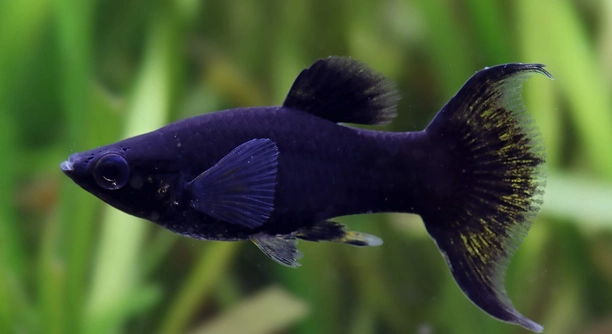
Keeping Black Molly fish in a peaceful aquarium can be tricky. These lively fish sometimes show aggression, which can disrupt the harmony of your tank and stress other fish, making their environment less enjoyable and balanced for everyone.
Preventing aggression in Black Mollies involves maintaining proper tank size, providing hiding spaces, regulating diet, monitoring water conditions, and controlling population density. Implementing these measures reduces territorial disputes and promotes a calmer, healthier aquarium environment for all fish.
By understanding the causes of aggression, you can create a more peaceful and enjoyable home for your Black Mollies and other aquatic companions.
Provide Adequate Tank Space
Black Mollies need room to swim freely. A cramped tank makes them more likely to show aggression toward each other. Ideally, a 20-gallon tank or larger is best for a small group. When space is limited, territorial behavior increases, and dominant fish can stress weaker ones. Adding vertical and horizontal space with plants and decorations allows each fish to find its own area. Open swimming areas combined with hiding spots help maintain balance. Overcrowding is a common reason aggression appears, so paying attention to tank dimensions is key. Regular observation helps you notice any bullying early. Adjusting the number of fish or rearranging the tank can ease tension. Mollies feel more secure when they have options to explore and retreat. Providing a spacious and thoughtfully arranged environment encourages natural behavior and reduces stress-related aggression. A larger, well-planned tank supports healthier social interactions among your fish and creates a more stable community overall.
Proper tank size prevents territorial fights and stress. More swimming room allows Black Mollies to coexist calmly and maintain natural social dynamics within the aquarium.
A tank that balances open swimming areas with plants or decorations can significantly reduce aggression. Mollies will have space to explore, hide, and rest. Without this balance, conflicts increase and fish may injure each other. Observing fish behavior regularly helps you identify tension before it escalates. Adjustments to the environment, like adding hiding spots or reducing population density, make a noticeable difference in their behavior. Over time, Mollies learn to share space peacefully when the tank accommodates their natural tendencies. This approach not only improves the mood of your fish but also helps prevent injuries, illness, and unnecessary stress. A well-sized tank with a mix of open and sheltered areas ensures a healthier, calmer aquarium that supports the social needs of Black Mollies effectively.
Maintain Proper Diet and Feeding
Uneven feeding can trigger competition. Mollies require a balanced diet to stay healthy and calm.
Feeding small portions several times a day prevents hunger-driven aggression. High-quality flakes, vegetables, and occasional protein treats meet their nutritional needs.
Consistent feeding routines reduce stress and help Mollies establish predictable patterns. When fish receive enough food without overfeeding, they are less likely to chase or nip at tank mates. Varied diets improve their immune system and overall energy levels, making them more resilient to minor stressors. Watching their eating habits can reveal which fish are dominant and which are being pushed aside. You can then adjust feeding strategies to ensure all fish get proper nutrition. Over time, consistent and balanced feeding fosters calmer interactions and contributes to a peaceful aquarium atmosphere. Maintaining a regular diet also prevents sudden aggressive outbursts that often occur when fish compete for scarce resources. Proper nutrition supports natural growth and coloration while minimizing behavioral issues related to hunger or imbalance.
Monitor Water Quality
Poor water conditions increase stress and aggression in Black Mollies. Regular testing of pH, ammonia, nitrite, and nitrate levels keeps the tank stable and fish healthy. Frequent partial water changes maintain cleanliness and reduce tension among tank mates.
Maintaining stable water parameters is essential for preventing aggressive behavior. Mollies thrive in slightly alkaline water with a pH between 7.5 and 8.5 and temperatures around 75–80°F. Sudden fluctuations in temperature or chemical levels can trigger stress, which often leads to chasing, nipping, or hiding. Using a reliable filter and performing weekly water changes helps control harmful compounds like ammonia and nitrites. Observation is key—cloudy water, sudden lethargy, or fin damage may indicate problems that need immediate attention. By keeping water quality high, the fish remain active, healthy, and less likely to fight.
Regular maintenance also includes checking for leftover food and debris that can pollute the tank. Skimming surface waste and vacuuming the substrate prevent toxic buildup, supporting a calmer environment. Aeration and circulation ensure oxygen reaches all areas, which helps reduce stress. Monitoring water quality consistently creates a stable environment that mollies recognize as safe. When the water is balanced, fish can focus on normal swimming and social behaviors rather than defending space, which lowers aggression. This consistency is crucial for long-term harmony in your aquarium.
Control Population Density
Overcrowding leads to constant fighting and stress. Keeping a reasonable number of fish per tank size prevents aggressive encounters and promotes harmony.
A balanced population ensures that no single fish becomes overly dominant. Black Mollies establish territories, and overcrowded conditions make conflicts inevitable. Providing enough space for each fish reduces chasing and fin damage. Removing excess fish or upgrading to a larger tank can restore calm. Population control also prevents oxygen depletion and maintains water quality, reducing stress-related behavior. Proper planning before adding new fish ensures the tank remains peaceful.
Maintaining optimal population density involves careful monitoring and planning. Each adult Black Molly requires approximately 5 gallons of water, so a 20-gallon tank can support four or five adult fish comfortably. Introducing too many fish at once can overwhelm the environment, increasing stress and triggering aggression. Even with enough hiding spots, an overcrowded tank limits personal space, which Mollies need to feel secure. Observing interactions regularly helps determine if the tank is overstocked. Reducing numbers or splitting the group across multiple tanks allows all fish to coexist peacefully. Managing population also aids in stable feeding, reduces competition, and improves overall fish health. Ensuring proper density is one of the most effective ways to prevent fights and maintain a calm aquarium.
Provide Hiding Spots
Hiding spots reduce stress and aggression. Plants, rocks, and decorations give Black Mollies places to retreat when feeling threatened or chased.
Even simple shelters like caves or dense plant clusters can help mollies feel secure. Each fish needs its own space to avoid constant conflicts and establish a sense of territory.
Maintain Consistent Lighting
Consistent lighting supports natural behavior. Sudden changes can startle Mollies, triggering chasing or nipping. A regular day-night cycle keeps their routine predictable and stress-free.
Separate Aggressive Individuals
Some Mollies are naturally more dominant. Isolating aggressive fish prevents them from harming others and allows the rest of the tank to remain calm.
FAQ
How can I tell if my Black Molly is being aggressive?
Aggressive behavior in Black Mollies includes chasing, nipping fins, or constantly bullying other fish. They may guard certain areas, chase weaker fish around the tank, or nip at tails and fins repeatedly. Observing the fish during feeding and swimming can reveal patterns of dominance. Aggression often increases during breeding periods or when space is limited. Signs of stress in the tank, such as torn fins or hiding fish, usually indicate someone is being targeted. By paying attention to interactions, you can identify aggressive individuals early and take steps to minimize conflicts.
Can diet influence aggression in Black Mollies?
Yes, diet plays a significant role. Overfeeding can lead to obesity, which makes fish slower and more vulnerable, sometimes provoking aggressive chases. Underfeeding can cause competition and fighting over food. A balanced diet with vegetables, high-quality flakes, and occasional protein treats keeps Mollies healthy and reduces stress-driven aggression. Feeding smaller portions several times a day helps prevent hunger-related disputes. Providing variety ensures all fish get nutrients, and careful observation during feeding allows you to see if some fish are being pushed away by dominant individuals. Consistency in diet also supports calmer behavior.
Does tank size affect aggression?
Tank size is crucial. Small or overcrowded tanks increase territorial disputes and stress, causing frequent fights. Each adult Black Molly needs at least 5 gallons of water to swim freely and establish personal space. A 20-gallon tank comfortably holds four to five adult Mollies. More decorations, plants, and open swimming space reduce conflicts by giving fish areas to hide or escape. Overcrowding not only triggers aggression but also affects water quality, which further stresses the fish. Planning tank size and population density carefully is one of the most effective ways to minimize aggressive behavior.
How often should I check water conditions?
Water quality directly impacts behavior. Ammonia, nitrite, nitrate, pH, and temperature should be checked at least once a week. Sudden changes in water parameters can cause stress, which often leads to chasing or fin-nipping. Partial water changes, proper filtration, and aeration maintain a stable environment, keeping Mollies calmer. Observing fish behavior alongside water testing can help identify hidden stressors. Even minor fluctuations can trigger aggression if persistent. Regular monitoring ensures early detection of problems and helps maintain a peaceful aquarium.
What should I do if one Molly is too dominant?
Separating aggressive individuals is sometimes necessary. If a fish repeatedly injures others, placing it in a separate tank temporarily reduces stress in the main aquarium. Rearranging decorations or adding more hiding spots can also reduce dominance by breaking established territories. Population density adjustments, like moving a few fish to another tank, often restore balance. Observing interactions and acting early prevents injuries, fin damage, and stress. Occasionally, aggressive behavior is personality-based, so isolation may be the most practical long-term solution for the health of all tank residents.
Can adding plants reduce aggression?
Yes, plants provide natural hiding spots and boundaries that help Black Mollies feel secure. Dense plants and decorations create visual barriers, allowing fish to retreat from confrontations. Each fish can claim a small territory without constantly being chased. Plants also improve water quality by absorbing nitrates and providing oxygen, which reduces stress. Adding a mix of tall and short plants ensures multiple levels of cover. Over time, a well-planted tank creates a calmer environment, reduces conflicts, and gives mollies options to explore safely while maintaining natural behavior patterns.
Is breeding a factor in aggression?
Breeding increases aggression, especially males competing for females. Males may chase or nip each other more frequently during this period. Providing more hiding spots and separating males if necessary can reduce conflict. A balanced male-to-female ratio also prevents excessive dominance. Monitoring interactions during breeding periods is essential to avoid injuries and maintain a calm tank environment.
How can I prevent long-term aggression in a community tank?
Preventing aggression requires consistent care: maintaining water quality, proper feeding routines, balanced population density, adequate tank size, and plenty of hiding spots. Observing behavior regularly helps identify potential issues early. Adjustments to environment, diet, or population can prevent fights before they start. Stable routines and a carefully planned tank setup are the best long-term solutions for a peaceful Black Molly aquarium.
What signs indicate the tank is finally balanced?
A balanced tank has fish that swim freely without constant chasing. Fin damage is minimal, and shy fish no longer hide excessively. Feeding occurs calmly, with little competition, and aggression spikes are rare. Fish show natural social behaviors without stress-induced attacks.
Keeping Black Mollies happy and peaceful in an aquarium requires attention and consistency. Aggression is a common challenge, but it can be managed effectively with the right setup and care. Tank size, hiding spots, population density, water quality, and feeding routines all play important roles in creating a calm environment. Each of these factors helps reduce stress, which is often the main reason fish act aggressively. By addressing these areas, you are not only preventing fights but also supporting the overall health and well-being of your Mollies. A properly maintained tank allows them to swim freely, explore, and interact in a natural and relaxed way without constant fear or pressure.
Observation is key when managing aggression. Watching how your Mollies behave daily can help you notice small signs of stress or dominance before problems escalate. Look for behaviors like chasing, nipping at fins, or hiding. Early intervention can prevent injuries and improve harmony in the tank. Making small adjustments, like rearranging decorations, adding plants, or separating particularly dominant fish, can make a big difference. Paying attention to feeding habits also helps. Ensuring that all fish receive enough food without overcrowding reduces competition and the risk of fights. Regular maintenance, including water changes and monitoring chemical levels, supports a stable environment that Mollies feel secure in. These simple routines, though sometimes overlooked, are essential for long-term peace and health in your aquarium.
Creating a harmonious tank is a combination of planning, observation, and consistent care. Each step you take to improve the environment benefits your fish and makes aquarium ownership more enjoyable. Providing space, shelter, proper nutrition, and clean water addresses most causes of aggression, while monitoring behavior allows you to respond quickly when issues arise. Over time, Black Mollies learn to coexist peacefully, and the tank becomes a stable, stress-free environment. The effort put into maintaining balance pays off with healthier, calmer fish that display natural behaviors without constant fighting. A mindful approach to their needs ensures your aquarium remains a safe and pleasant home for all its residents.

Hello,
If you enjoy the content that we create, please consider saying a "Thank You!" by leaving a tip.
Every little bit helps us continue crafting quality advice that supports the health, happiness, and well-being of pets around the world, for pets of all shapes, sizes, and species.
We really appreciate the kindness and support that you show us!