
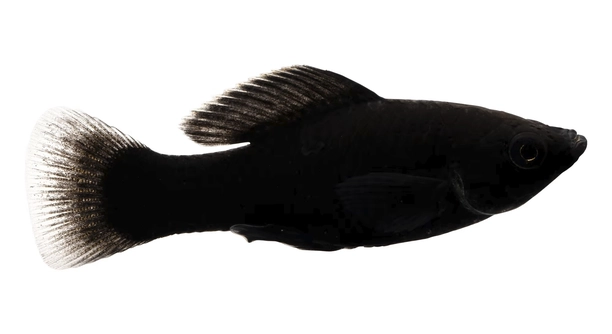
Do you ever feel excited to welcome a new black molly into your home but wonder if you’re fully prepared for the responsibilities it brings? Many first-time owners face small challenges they don’t anticipate.
The most common mistakes new black molly owners make include overfeeding, neglecting water quality, ignoring tank size requirements, and misunderstanding their fish’s social needs. Awareness of these factors is crucial to maintaining a healthy and thriving aquatic environment.
Learning about these pitfalls early can help prevent stress, illness, and behavioral problems, ensuring your black molly lives a long and healthy life.
Overfeeding Your Black Molly
Many new black molly owners want to give their fish plenty of food, thinking it will help them grow faster or stay healthy. It’s easy to overfeed, especially when the fish seem eager and active during feeding times. Overfeeding leads to leftover food that decomposes in the tank, affecting water quality. Poor water conditions can cause stress, disease, and even shorten the life of your molly. A good practice is to feed small amounts that your fish can consume within two to three minutes, once or twice a day. Watching how much they eat helps you adjust portions without creating excess waste. A healthy feeding routine supports digestion and keeps your aquarium clean.
Feeding too much is one of the most frequent mistakes and can disrupt your black molly’s health, leading to growth issues and water contamination.
Consistently monitoring feeding habits ensures your fish remain healthy. If you notice leftover food, reduce the next feeding. It may take time to get portions right, but observation is key. Proper feeding fosters a cleaner tank and a happier fish.
Neglecting Tank Maintenance
Neglecting regular cleaning can seem harmless at first, but it builds up waste and toxins quickly.
Regular water changes and tank checks are essential. Filtration alone cannot remove all waste, so proactive maintenance prevents illness and stress.
Cleaning involves partial water changes, removing debris, and checking water parameters like pH, ammonia, and nitrate levels. Mollies are sensitive to changes in water quality, and small fluctuations can lead to disease. A weekly maintenance schedule keeps the tank stable and reduces harmful bacteria buildup. Filters should be rinsed in tank water to avoid killing beneficial bacteria. Monitoring fish behavior helps identify early signs of poor water quality. Healthy water supports feeding, growth, and reproduction, making the tank more enjoyable to watch. Even small aquariums need care to maintain a balanced environment. Regular attention not only protects your fish but also reduces the risk of long-term tank problems, making ownership less stressful.
Ignoring Proper Tank Size
A small tank may seem convenient, but black mollies need space to swim and grow. Crowding leads to stress, aggression, and poor health.
Providing at least a 20-gallon tank for a small group of black mollies ensures they have enough room to swim freely. Adequate space reduces territorial behavior and allows proper oxygen circulation. Overcrowded tanks also make it harder to maintain stable water conditions, increasing the risk of disease outbreaks. Observing your fish and their activity levels helps determine if the tank size meets their needs. A larger tank may require more maintenance but creates a healthier environment.
Choosing the correct tank size also impacts breeding success and social interactions. Black mollies are active fish, and they thrive when able to explore different areas of the tank. Plants, hiding spots, and open swimming space should be balanced. Too small a tank not only stresses fish physically but also mentally, causing unusual behavior like fin nipping or lethargy.
Not Monitoring Water Parameters
Neglecting water parameters can harm mollies without obvious signs at first. Regular testing prevents long-term issues.
Keeping pH, temperature, ammonia, nitrate, and nitrite levels stable is critical for black mollies. Sudden changes or poor water quality can weaken their immune system, making them prone to infections. Investing in reliable test kits and recording readings helps maintain a consistent environment. Adjusting water conditions gradually reduces stress. Mollies are particularly sensitive to pH changes; slightly alkaline water supports their health. Temperature should stay between 75–82°F to mimic natural conditions. Tracking water quality also helps identify hidden problems early.
Regular monitoring involves weekly testing, partial water changes, and observation of fish behavior. Signs of stress, such as clamped fins, gasping, or erratic swimming, often indicate poor water conditions. Proper filtration and aeration complement water maintenance. Keeping water parameters consistent ensures your mollies are active, healthy, and more likely to breed successfully. Preventive care reduces emergency treatments and increases lifespan, making tank management less stressful and more predictable.
Overcrowding the Tank
Keeping too many mollies in one tank causes stress and poor water quality. Fish need space to swim and thrive.
Overcrowding can lead to aggression, fin damage, and disease. Ensuring the right number of fish for your tank size keeps them healthy and active.
Ignoring Social Needs
Black mollies are social fish and do best in groups. Isolated mollies can become stressed and less active. Interacting with other mollies encourages natural behavior and reduces boredom, supporting overall health and well-being.
Skipping Regular Health Checks
Observing your fish regularly helps detect early signs of illness. Check fins, scales, and behavior for any abnormalities to address problems before they worsen.
Using Incorrect Diet
Feeding only one type of food limits nutrition. A varied diet including flakes, pellets, and occasional live or frozen foods supports growth, color, and overall health.
FAQ
How often should I feed my black molly?
Black mollies should be fed small amounts once or twice a day. Only give as much food as they can eat in two to three minutes. Overfeeding leads to leftover food that contaminates the water and stresses the fish. Watching how much they eat helps adjust portions.
What size tank is best for black mollies?
A minimum of 20 gallons is recommended for a small group. More space allows swimming, reduces aggression, and keeps water quality stable. Adding plants and hiding spots improves comfort, while overcrowding causes stress and health problems.
How many black mollies should be kept together?
Black mollies are social fish and do best in small groups. A ratio of one male to two or three females is ideal to prevent aggression and stress. Too many males in one tank can lead to constant chasing and fin damage.
What water parameters are ideal for black mollies?
Black mollies prefer slightly alkaline water with a pH of 7.5 to 8.0. Temperature should stay between 75–82°F. Ammonia and nitrite levels should be zero, while nitrates should be kept under 20 ppm. Stable water conditions prevent stress and disease.
Do black mollies need a heater?
Yes, a heater is recommended if room temperatures fluctuate below 75°F. Mollies are tropical fish and prefer stable warm water. Sudden temperature changes can weaken their immune system and make them susceptible to illness.
Can black mollies live with other fish?
Black mollies are generally peaceful but may show aggression if overcrowded or stressed. They can live with other livebearers or similarly sized peaceful fish. Avoid keeping them with aggressive or fin-nipping species to prevent injuries.
How often should I change the water?
Weekly partial water changes of 20–25% are recommended. Regular water changes remove toxins, debris, and waste that filtration cannot handle alone. This keeps water conditions stable and supports fish health.
What is the best diet for black mollies?
A varied diet is essential. Feed high-quality flakes or pellets as a staple, supplemented with live or frozen foods like brine shrimp, daphnia, or bloodworms. Occasional vegetables such as blanched spinach or zucchini help provide fiber and maintain digestive health.
How can I tell if my black molly is stressed or sick?
Signs include clamped fins, loss of color, rapid gill movement, lethargy, or unusual swimming behavior. Regular observation helps catch problems early. Poor water quality, overfeeding, or overcrowding are common causes. Acting quickly can prevent disease from spreading.
Do black mollies breed easily in home tanks?
Yes, black mollies are livebearers and breed readily in favorable conditions. Providing sufficient space, clean water, and a proper diet encourages reproduction. Separating males and females after breeding is optional to control population growth.
How can I prevent algae growth in the tank?
Moderate lighting, avoiding overfeeding, and adding live plants help control algae. Regular maintenance, including cleaning decorations and surfaces, keeps algae from taking over and affecting water quality.
Should I use a filter for my black molly tank?
A filter is essential for maintaining clean water and reducing toxins. It provides mechanical and biological filtration, helping sustain a healthy environment. Ensure the filter flow is not too strong, as mollies prefer gentle water movement.
How often should I check water parameters?
Test water at least once a week for pH, ammonia, nitrites, and nitrates. Monitoring helps detect problems early and maintain stable conditions. Adjustments should be made gradually to prevent stress and promote long-term health.
What are common mistakes to avoid with black mollies?
Overfeeding, overcrowding, ignoring water quality, and neglecting social needs are frequent mistakes. Maintaining tank size, stable parameters, varied diet, and regular observation helps prevent these issues and keeps mollies healthy and active.
Can black mollies survive in brackish water?
Yes, black mollies tolerate slightly brackish water. Adding a small amount of aquarium salt can mimic natural conditions and promote health. However, sudden changes in salinity can stress them, so adjustments should be gradual and carefully monitored.
How long do black mollies live?
With proper care, black mollies live around three to five years. Providing a clean tank, stable water conditions, varied diet, and proper social environment maximizes their lifespan and keeps them healthy.
Is it necessary to quarantine new fish before adding them to the tank?
Quarantining new fish for two to three weeks prevents introducing diseases to established mollies. Observe them for signs of illness and treat if necessary before introducing them to the main tank.
Can black mollies survive without live plants?
Yes, they can survive without live plants, but plants provide hiding spaces and improve water quality. Live plants also help reduce algae growth and make the tank more natural and comfortable for mollies.
How do I encourage my black mollies to be more active?
Provide enough swimming space, stable water conditions, and compatible tank mates. Occasional enrichment like plants or decorations encourages exploration and natural behavior. Consistent feeding schedules also contribute to active and healthy fish.
What should I do if my black molly shows signs of disease?
Isolate the affected fish, check water parameters, and consult reliable sources or a veterinarian for treatment. Early intervention increases the chance of recovery and prevents the spread to other fish.
Caring for black mollies can be simple when you understand their basic needs and avoid common mistakes. These fish thrive in clean, stable water, with proper tank size, gentle filtration, and regular maintenance. Observing their behavior daily can help you spot problems early, whether it’s illness, stress, or changes caused by overcrowding. Paying attention to small details like water temperature, pH, and diet ensures your mollies stay healthy and active. Even small adjustments, such as slightly reducing feeding amounts or adding more hiding spots, can have a big impact on their well-being. When these basics are followed, black mollies are lively, social, and rewarding to care for.
Feeding your mollies correctly is another crucial factor. Overfeeding is one of the most common mistakes, but it’s easy to avoid by giving small portions that they can finish in a few minutes. A varied diet of flakes, pellets, and occasional live or frozen foods supports growth, color, and overall health. Vegetables like spinach or zucchini can provide fiber and promote digestion. Consistency in feeding times also helps them develop a routine, which keeps them less stressed and more active. Alongside proper feeding, maintaining a clean tank with regular water changes prevents toxins from building up, which is essential for preventing disease. Black mollies are sensitive to water quality, and keeping parameters stable reduces stress and improves lifespan.
Finally, black mollies are social and benefit from interaction with their own kind. Keeping them in small groups with the right balance of males and females promotes natural behavior and reduces aggression. Avoid overcrowding and observe for signs of stress, like clamped fins or unusual swimming patterns. Adding plants and decorations provides hiding spots and makes the environment more comfortable. Quarantining new fish before introducing them to the main tank prevents disease outbreaks and keeps all your mollies healthy. With attention to these key factors—diet, tank maintenance, water quality, and social needs—you can enjoy vibrant, active black mollies that live longer and stay healthier. Caring for them is rewarding, and the small efforts you make create a thriving, balanced aquarium environment.

Hello,
If you enjoy the content that we create, please consider saying a "Thank You!" by leaving a tip.
Every little bit helps us continue crafting quality advice that supports the health, happiness, and well-being of pets around the world, for pets of all shapes, sizes, and species.
We really appreciate the kindness and support that you show us!