
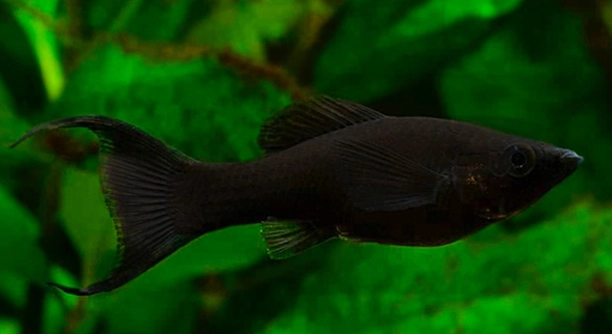
Black Mollies are popular freshwater fish known for their striking black color and peaceful nature. They are generally hardy, but even the strongest fish can face health challenges like fin rot, which affects their fins’ appearance and function.
Black Mollies can recover from fin rot if the condition is caught early and treated promptly. Treatment involves maintaining clean water conditions, using appropriate medications, and ensuring proper nutrition to support fin regrowth and overall health.
Monitoring your fish closely and understanding the causes of fin rot can make a significant difference. Proper care and attention will help your Black Molly regain strength and vitality over time.
Understanding Fin Rot in Black Mollies
Fin rot is a common bacterial infection that affects the delicate fins of Black Mollies. It often starts as small fraying at the edges and can quickly progress if left untreated. Poor water conditions, stress, and injuries can all contribute to its development. Observing your fish regularly helps identify early signs before the damage becomes severe. Noticing white edges, ragged fins, or discoloration indicates the need for immediate action. Stress from overcrowding, sudden temperature changes, or incompatible tank mates can weaken their immune system, making them more vulnerable to infections. Maintaining a stable environment with regular water changes and proper filtration reduces the risk. Avoiding overfeeding and removing uneaten food also helps keep the tank clean. Early intervention with medication or natural remedies can stop the infection from spreading further. Healthy fins are essential for swimming, balance, and overall well-being, so addressing fin rot promptly is critical.
Treatment effectiveness depends on consistency and monitoring. Quick action improves recovery chances significantly.
Proper care involves more than just treatment. Maintaining clean water, monitoring diet, and adjusting tank conditions ensure the fish fully recover. Avoid stress triggers and make gradual changes when needed. Using antibacterial treatments as recommended and ensuring a nutrient-rich diet encourages natural healing. Observation is key; watch for new signs or recurring infection, and adjust care routines accordingly. Supporting the immune system with high-quality food and stable conditions minimizes risks of reinfection. Over time, fins will regrow, and the Black Molly will regain its strength and activity. Recovery is possible with patience, attention, and commitment to a healthy tank environment.
Preventing Fin Rot in Black Mollies
Keeping the tank clean is the first step in prevention. Regular water changes and a reliable filtration system are essential.
Consistent maintenance, proper stocking levels, and a balanced diet are crucial for long-term fin health. Avoiding sudden changes in temperature or water chemistry reduces stress and infection risk. Quarantining new fish prevents the introduction of bacteria to established tanks. Observing your Black Mollies daily allows you to notice early signs of any health issues. Providing hiding spots and plants reduces stress, giving the fish a safer environment. Avoid overfeeding, as leftover food can deteriorate water quality and promote bacterial growth. Ensuring tank equipment is functioning properly prevents sudden fluctuations that can weaken immunity. Using high-quality fish food supports overall health and resilience. Maintaining these habits consistently creates a stable environment, which is key to preventing fin rot. Over time, your Black Mollies will thrive with strong fins, bright colors, and active swimming behaviors.
Treating Fin Rot at Home
Early treatment is essential to prevent permanent fin damage. Using antibacterial medication specifically designed for fin rot helps stop bacterial growth and encourages healing. Maintaining clean water and monitoring the fish’s behavior supports recovery.
Medicated baths or adding the medication to the tank are common approaches. The dosage should follow product instructions carefully to avoid harming the fish. Partial water changes during treatment help maintain water quality and reduce stress. Observing your Black Molly daily allows you to track progress and adjust care as needed. Removing uneaten food prevents further bacterial growth. Consistent treatment, combined with stable tank conditions, significantly increases the chances of full recovery.
In addition to medication, supporting your fish’s immune system is important. Feeding high-quality, protein-rich food helps strengthen defenses and encourages fin regrowth. Avoid overcrowding and aggressive tank mates to reduce stress. Maintaining stable water parameters like temperature, pH, and ammonia levels ensures a conducive healing environment. Over a few weeks, fins can regrow, and the Black Molly can regain normal swimming patterns and activity levels. Patience and careful observation are key during this process.
Supporting Recovery Through Nutrition
A balanced diet is critical for recovering fish. High-quality protein and essential vitamins accelerate fin regrowth and overall health.
Including a mix of live, frozen, or flake food ensures nutrient variety. Feeding smaller portions multiple times a day prevents overfeeding while maintaining energy levels. Supplements like vitamin-enriched flakes or liquid vitamins can enhance immune support. Avoid foods that deteriorate quickly in water, as they can cause stress and water quality issues. Observing which foods your Black Molly prefers helps maintain appetite and encourages consistent feeding. Gradually, a strong diet supports faster fin regeneration.
Proper nutrition works best alongside clean tank conditions. Nutrient-rich food, combined with stable temperature and pH, strengthens immunity against infections. Stress reduction through hiding spots and minimal disturbances improves overall recovery outcomes. Feeding high-protein options like brine shrimp or daphnia a few times a week promotes faster healing. Regular monitoring ensures the fish consumes enough food without leftover waste. Water quality should be checked daily to maintain a healthy environment, as poor conditions can slow recovery even with excellent nutrition. Consistent care ensures that your Black Molly returns to normal health with fully regrown fins and renewed vitality.
Common Mistakes to Avoid
Overcrowding the tank increases stress and makes fin rot worse. Keeping too many fish in a small space prevents proper healing.
Neglecting water changes allows bacteria to thrive. Regular partial water changes are essential to maintain a clean environment and support recovery.
Monitoring Recovery Progress
Track changes in fin appearance daily. Look for regrowth, reduction in fraying, and fading discoloration. Adjust care if signs of infection persist. Observing swimming behavior is also important, as lethargy or hiding may indicate ongoing stress or illness. Consistency in treatment and environment directly affects recovery outcomes.
When to Seek Professional Help
If fins do not improve after two weeks of proper care, contacting a veterinarian or experienced aquarist is recommended. Professional guidance ensures the correct treatment and prevents further complications.
FAQ
How long does it take for Black Mollies to recover from fin rot? Recovery time depends on the severity of the infection, water quality, and care provided. Mild cases may heal in two to three weeks, while more severe infections can take a month or longer. Consistency in treatment, proper nutrition, and a clean tank are essential for faster regrowth of fins and overall recovery. Observing daily progress helps you determine if the recovery is on track.
Can fin rot come back after treatment? Yes, fin rot can return if conditions that caused it initially are not addressed. Poor water quality, stress, overcrowding, and injuries can all trigger a recurrence. Keeping the tank clean, maintaining stable water parameters, and providing a balanced diet reduce the risk of reinfection. Regular observation of your Black Mollies ensures early detection and intervention if signs of fin rot reappear.
Is medication always necessary to treat fin rot? Medication is often the most effective method, especially for moderate to severe cases. However, minor fraying may improve with improved water conditions, stress reduction, and proper nutrition alone. Medications such as antibacterial treatments are designed to stop bacterial growth and encourage fin regrowth. Always follow product instructions carefully to avoid overdosing or harming your fish. Combining medication with a healthy environment gives the best chance for full recovery.
Can fin rot affect a Black Molly’s lifespan? If left untreated, fin rot can worsen and lead to secondary infections, which can be life-threatening. Early detection and proper care usually prevent long-term health problems. Even after recovery, ongoing maintenance of water quality and nutrition helps protect the fish from future health issues, allowing them to live a full, healthy life.
What are the signs that fin rot is improving? Improvement is indicated by reduced fraying, healthier fin edges, and gradual regrowth. The fish should regain normal swimming behavior and show less lethargy or hiding. Coloring of the fins may return to normal, and white or discolored edges begin to disappear. Monitoring daily progress ensures that treatment is effective and helps determine if adjustments are needed.
Can stress worsen fin rot? Yes, stress weakens the immune system, making the fish more susceptible to infections. Common stressors include overcrowding, aggressive tank mates, sudden temperature changes, and poor water quality. Reducing stress by providing hiding spots, stable conditions, and gentle handling contributes significantly to fin rot recovery. A calm and stable environment supports the fish’s natural healing process.
Is it safe to keep other fish in the same tank during treatment? It depends on the medication used. Some treatments may harm other species, while others are safe for community tanks. Always check the product instructions and consider isolating the infected Black Molly in a quarantine tank if necessary. This prevents accidental harm to other fish and ensures focused treatment for the recovering fish.
How can I prevent fin rot in the future? Consistent tank maintenance is key. Regular water changes, proper filtration, balanced diet, and avoiding overcrowding help prevent infections. Quarantining new fish and monitoring for early signs of illness reduces risks. Stress reduction through hiding spots and stable environmental conditions also plays an important role in long-term fin health.
Are there natural remedies for fin rot? Some aquarists use salt baths or aquarium salt in small doses to reduce bacterial growth. While natural remedies can help mild cases, they are usually not as effective as targeted antibacterial medications. Combining gentle treatments with a clean, stable tank supports recovery while minimizing stress.
How do I know if I am overfeeding during recovery? Overfeeding can lead to leftover food, which pollutes the water and encourages bacterial growth. Feed small portions, ensuring the fish eat all the food within a few minutes. Multiple small feedings per day can maintain energy without compromising water quality. Observation of feeding habits helps balance nutrition and water cleanliness.
Can a Black Molly recover from severe fin rot? Severe cases can recover if treated promptly and properly, but the process takes longer. Maintaining excellent water quality, reducing stress, and providing appropriate medication are critical. Fins may take weeks to months to fully regrow, and careful monitoring ensures the infection does not return. Patience and consistent care are key.
Should I trim damaged fins during fin rot recovery? Trimming is generally not recommended unless advised by a professional. Improper trimming can cause more injury and stress. The fins typically heal on their own once the infection is under control and proper care is maintained. Monitoring regrowth is usually sufficient.
Can fin rot spread to other fish? Fin rot itself is not highly contagious but bacteria can spread in poor water conditions. Maintaining clean water and isolating infected fish reduces the risk. Healthy fish in a stable environment are less likely to develop the infection even if exposed to bacteria.
Does water temperature affect fin rot recovery? Stable water temperature supports the immune system and recovery. Sudden fluctuations can stress fish and slow healing. Maintaining a temperature within the recommended range for Black Mollies helps prevent additional stress and supports the effectiveness of treatments.
Is fin rot painful for Black Mollies? While it primarily affects fins, advanced infections may cause discomfort or difficulty swimming. Prompt treatment minimizes pain and supports faster regrowth. Proper care ensures the fish can regain normal swimming behavior and reduce any stress or discomfort.
Can fin rot cause permanent damage? If untreated, fin rot can permanently damage fins, leading to uneven or shortened growth. Early detection and treatment are essential to prevent lasting deformities and ensure the fish maintains normal function and appearance.
Final Thoughts
Black Mollies are resilient fish, but fin rot is a serious condition that requires careful attention. Left untreated, it can quickly damage fins and affect the overall health of the fish. Observing your Black Mollies regularly allows you to notice early signs of fraying, discoloration, or ragged edges, which makes treatment more effective. Clean water, stable tank conditions, and proper nutrition are the foundation of recovery, and addressing these factors early can prevent the infection from spreading. Even small adjustments, such as regular water changes and monitoring temperature, make a significant difference in supporting your fish’s immune system and overall well-being.
Treatment is most effective when approached consistently and with care. Using antibacterial medications as directed, maintaining water quality, and minimizing stressors in the tank help the fish heal faster. Supporting your Black Molly’s recovery with a balanced diet high in protein and essential vitamins encourages fin regrowth and strengthens its immune system. Patience is important because fins do not regrow instantly. Over the course of several weeks, gradual improvements become visible, including healthier fin edges, restored coloration, and more active swimming. Observing these changes closely ensures that the treatment is working and allows you to make adjustments if necessary, such as modifying water conditions or continuing medication. The key to successful recovery is a combination of proper treatment, attentive care, and maintaining a stable environment.
Preventing fin rot in the future is just as important as treating it. Consistent tank maintenance, avoiding overcrowding, and monitoring water parameters reduce the risk of recurrence. Quarantining new fish before introducing them to the main tank helps protect your Black Mollies from potential infections. Providing a stable and calm environment, including hiding spots and minimal disturbances, lowers stress and supports long-term health. Nutrition continues to play a major role, as a varied diet keeps the immune system strong and aids in recovery if minor issues arise. By focusing on proper care, monitoring, and prevention, your Black Mollies can remain healthy, regain full fin function, and enjoy a more active, balanced life in their tank. Consistent attention and simple daily practices make a lasting difference in maintaining their overall well-being.

Hello,
If you enjoy the content that we create, please consider saying a "Thank You!" by leaving a tip.
Every little bit helps us continue crafting quality advice that supports the health, happiness, and well-being of pets around the world, for pets of all shapes, sizes, and species.
We really appreciate the kindness and support that you show us!