
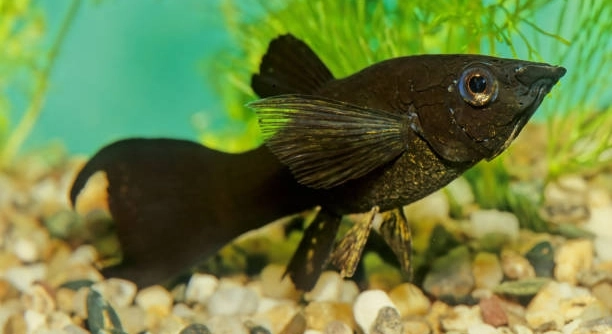
Keeping Black Mollies calm can feel tricky, especially when they suddenly dart around the tank. These fish are sensitive to changes in their environment and may show signs of stress that are subtle but important to notice.
Calming a nervous Black Molly involves maintaining a stable environment, providing hiding spots, controlling water quality, regulating lighting, minimizing sudden movements, and using gentle feeding routines. Consistency and careful observation are key to reducing stress in these sensitive fish.
Understanding these basic care methods will make it easier to support your Black Molly’s well-being and create a peaceful tank environment for them to thrive.
Create a Calm Environment
Black Mollies respond strongly to their surroundings, so keeping their tank calm is essential. Avoid placing the tank in high-traffic areas or near loud noises. Sudden movements or vibrations can startle them, causing unnecessary stress. Position decorations and plants to provide sheltered areas where they can hide. Natural hiding spots like caves or dense plant clusters give them a sense of security. Maintain a consistent temperature between 75 and 82°F and test water parameters regularly. Sudden changes in temperature or water chemistry can make them anxious quickly. Gentle filtration helps avoid strong currents that can overwhelm them. Observing their behavior daily helps you notice signs of stress early, allowing for prompt adjustments.
Keeping their environment calm and stable can prevent most stress-related issues and improve their overall health and activity levels.
A stable tank environment with proper hiding spots and careful attention to water conditions encourages Black Mollies to feel safe and relaxed, helping them display natural, healthy behaviors.
Limit Sudden Movements
Sudden movements around the tank can frighten Black Mollies. They need a predictable and steady environment.
When approaching the tank, move slowly and calmly. Rapid hand movements or tapping on the glass can trigger panic swimming. Avoid rearranging decorations too often, as constant change increases anxiety. Feeding routines should also be consistent. If multiple people interact with the tank, everyone should follow the same calm approach to prevent startling the fish. Over time, your Black Mollies will become accustomed to gentle, predictable interactions, reducing stress. Additionally, keeping a soft light instead of harsh, bright lighting helps them stay relaxed. Observing from a distance initially allows the fish to grow comfortable with your presence without feeling threatened. Even minor adjustments in behavior, like swimming closer to plants or resting calmly, can signal that your efforts are working. Establishing these small routines promotes a peaceful, healthy environment that helps your Black Mollies thrive for years.
Provide Hiding Spots
Black Mollies feel safer with places to hide. Plants, caves, or small decorations give them cover from perceived threats.
Adding live or artificial plants creates natural hiding areas that reduce stress. Mollies often retreat to these spots when they feel nervous, which helps them regulate their activity and prevents panic swimming. Decorations like small caves or tunnels allow them to explore and feel secure, offering a balance between open swimming areas and shelter. Choosing materials safe for aquarium use ensures their health is not compromised. The combination of plants and structures creates a more dynamic and comforting environment. Over time, they will learn to use these spaces naturally, reducing overall stress.
Hiding spots also encourage exploration and social behavior among Black Mollies. With proper placement, these areas make the tank feel less exposed, helping the fish maintain a calm, steady routine.
Maintain Water Quality
Regular water testing is essential for a healthy tank. High ammonia or nitrate levels can stress fish quickly.
Water changes should be performed weekly, removing about 25% of the tank water each time. Using a reliable water conditioner helps eliminate harmful chemicals from tap water. Filtration should be consistent but gentle to avoid strong currents that tire the fish. Keeping the temperature stable within the ideal range prevents shock, and monitoring pH ensures a balanced environment. Regular cleaning of substrate and decorations prevents debris buildup, which can affect water quality. Observing fish behavior alongside testing results provides insight into their comfort and stress levels.
Consistently maintaining clean, stable water supports Black Mollies’ immune systems and encourages natural behavior. Proper water quality prevents diseases and minimizes anxiety, allowing them to thrive in a comfortable, safe environment.
Control Lighting
Bright or fluctuating lights can make Black Mollies nervous. Soft, consistent lighting helps them feel secure.
Avoid direct sunlight and sudden changes in brightness. Using a timer for aquarium lights ensures a stable day-night cycle, which reduces stress and promotes healthy behavior.
Gentle Feeding Routine
Feeding at the same time each day keeps Mollies calm. Overfeeding can lead to water quality issues and stress.
Providing small, measured portions and observing how much they eat helps maintain their health. Using a variety of flakes, pellets, and occasional live or frozen foods meets nutritional needs. Feeding in one area of the tank reduces competition and allows all fish to access food comfortably. Sticking to a predictable schedule helps Black Mollies associate feeding with calm, safe conditions. Avoid tossing too much food at once, which can cause panic or aggressive behavior.
Avoid Overcrowding
Too many fish in the tank increases stress and can lead to aggressive behavior or illness.
Keeping an appropriate number of Black Mollies and other tank mates ensures they have enough space to swim freely.
How can I tell if my Black Molly is stressed?
Stress in Black Mollies can show through unusual behavior or physical signs. They may swim erratically, hide more than usual, or lose interest in food. Fin clamping, faded colors, and rapid gill movement are other indicators. Observing these behaviors consistently helps identify stress early.
What is the best tank size for Black Mollies?
A tank of at least 20 gallons is recommended for a small group of Black Mollies. More space reduces aggression and stress, allows proper swimming, and supports stable water conditions. Providing ample room ensures they have both open swimming areas and hiding spots for comfort.
How often should I perform water changes?
Weekly water changes of 20-25% are ideal to maintain water quality. This helps keep ammonia and nitrate levels low and prevents sudden chemical shifts that stress fish. Regular cleaning of the substrate and decorations also supports a healthy environment.
Which tank mates are suitable for Black Mollies?
Peaceful community fish like guppies, platies, and tetras are ideal companions. Avoid aggressive or overly large species that may intimidate them. Compatibility reduces stress and promotes natural, social behaviors among Black Mollies.
How important is temperature control?
Maintaining water between 75 and 82°F is crucial. Sudden temperature changes can shock Black Mollies, causing stress or illness. Using a reliable heater and thermometer ensures a stable environment that supports their metabolism and overall well-being.
Can lighting affect my Black Molly’s stress levels?
Yes, lighting influences their comfort. Harsh or inconsistent lighting can trigger nervous behavior. A soft, steady light cycle with a timer mimics natural day-night patterns and helps Mollies feel secure and calm.
Should I use live plants in the tank?
Live plants are very beneficial. They provide hiding spots, reduce stress, and improve water quality by absorbing excess nutrients. Floating plants also offer shade and a sense of security, making Black Mollies more relaxed and active.
What foods are best for keeping them calm and healthy?
A varied diet of high-quality flakes, pellets, and occasional live or frozen foods is best. Feeding small, measured portions at consistent times prevents overfeeding and reduces anxiety. Healthy nutrition supports immune function and keeps them energetic and calm.
How can I reduce sudden movements around the tank?
Move slowly when approaching the tank. Avoid tapping on the glass or making quick hand gestures. Consistency in your actions helps Black Mollies learn that their environment is safe, reducing frequent panicked swimming.
Is overcrowding a problem for stress?
Yes, too many fish in a tank increases competition for food, limits swimming space, and heightens aggression. Maintaining appropriate stocking levels ensures each Black Molly has enough room, contributing to calmer behavior and better health.
How do I monitor water parameters effectively?
Test ammonia, nitrite, nitrate, and pH levels regularly. Keeping these parameters stable prevents stress-related issues. Observing water clarity, temperature, and fish behavior alongside tests provides a complete picture of tank health.
Can seasonal changes affect Black Mollies?
Seasonal temperature fluctuations can impact water conditions. Indoor heating or cooling changes may stress fish if not properly managed. Maintaining consistent tank temperature and using a reliable heater ensures stability throughout the year.
Do hiding spots really make a difference?
Yes, providing caves, plants, and tunnels gives Black Mollies safe areas to retreat. These spots reduce anxiety, allow natural exploration, and encourage relaxed swimming patterns. Proper placement enhances their sense of security and well-being.
How long does it take for a nervous Black Molly to calm down?
The time varies depending on the fish and environment. With consistent care, proper hiding spots, stable water quality, and gentle handling, many Black Mollies show noticeable improvement in behavior within a few days to a couple of weeks.
Can sudden feeding changes stress them?
Yes, irregular feeding times or abrupt diet changes can cause anxiety. Maintaining a predictable routine and introducing new foods gradually keeps them comfortable and reduces stress. Monitoring their response ensures they adjust well to any dietary updates.
What signs indicate improvement in stressed Black Mollies?
Calmer swimming, vibrant colors, active feeding, and exploration of hiding spots indicate recovery. Reduced fin clamping and regular social interaction with tank mates also show they feel more secure in their environment.
How often should I clean decorations and substrate?
Cleaning once a week during water changes is sufficient. Remove debris and algae buildup without disturbing the fish too much. This helps maintain water quality, supports health, and keeps the tank visually appealing for you and safe for the Mollies.
Is it okay to rearrange the tank occasionally?
Minimal, gradual changes are fine. Frequent or sudden rearrangements can increase stress. When introducing new decorations, do so slowly and observe the fish’s behavior to ensure they remain comfortable.
Do Black Mollies prefer flowing or still water?
Gentle flow is preferred. Strong currents tire them and increase stress. Proper filtration provides enough movement to oxygenate water while maintaining a calm environment that supports natural behavior.
Can I use a water conditioner to reduce stress?
Yes, conditioners remove chlorine and other harmful chemicals from tap water. Using them during water changes prevents irritation and contributes to a stable, stress-free environment.
How do I balance social behavior with individual comfort?
Black Mollies are social but need space. Providing a small group and ample room with hiding spots ensures they can interact without feeling threatened, maintaining a calm and harmonious tank environment.
Are there signs that indicate water quality problems besides behavior?
Cloudy water, unusual odors, or sudden algae blooms can indicate imbalances. Testing and correcting these issues quickly helps prevent stress and health problems in Black Mollies.
Can introducing new fish increase stress?
Yes, new fish can cause temporary anxiety. Quarantining new additions and introducing them slowly helps reduce stress for both existing and new Black Mollies. Proper acclimation ensures a smoother transition.
How important is routine observation?
Daily observation helps catch early signs of stress or illness. Noticing small changes in behavior, appetite, or appearance allows for timely interventions and maintains a peaceful, healthy tank environment.
What role does tank size play in stress management?
A larger tank provides space for swimming and hiding, reducing aggression and anxiety. Proper stocking density ensures each fish has room to thrive, promoting calm behavior and overall health.
Can changing the diet too quickly cause illness?
Yes, sudden dietary changes can upset digestion and weaken the immune system. Gradual introduction of new foods minimizes stress and keeps Black Mollies healthy and active.
How do I encourage natural behavior in a nervous Black Molly?
Providing hiding spots, gentle feeding routines, stable water, and consistent lighting encourages exploration, social interaction, and calm swimming patterns. This balance allows them to express natural behaviors without feeling threatened or stressed.
What should I avoid to keep them calm?
Avoid sudden movements, overcrowding, rapid water changes, harsh lighting, and aggressive tank mates. Consistency in environment and care routines is key to maintaining a stress-free and healthy habitat.
Can stress lead to illness in Black Mollies?
Yes, prolonged stress weakens the immune system and makes fish more susceptible to infections, fin rot, and other diseases. Minimizing stress through proper care is essential for their long-term health.
How do I know if my tank setup is effective?
A calm, active, and well-colored Black Molly indicates the setup supports their well-being. Regular observation, water testing, and proper hiding spots confirm a stable and stress-free environment.
What small changes make a big difference in reducing stress?
Slow movements near the tank, consistent feeding times, stable water parameters, gentle lighting, and proper hiding spots all contribute significantly to calmer, healthier Black Mollies. These adjustments improve their behavior and overall quality of life.
How do I handle a nervous Black Molly safely?
Minimize direct handling unless necessary. If moving them is required, use a soft net and avoid sudden movements. Handling gently reduces panic and prevents injury, supporting a calm and secure experience.
Can stress affect reproduction in Black Mollies?
Yes, high stress levels can inhibit breeding and reduce egg viability. Maintaining calm conditions, stable water quality, and consistent feeding supports reproductive health and encourages natural breeding behavior.
How do I know when to adjust the care routine?
If fish show signs of persistent stress, changes in behavior, or illness, it may be necessary to review feeding, tank mates, or water maintenance routines. Timely adjustments keep Black Mollies calm and healthy.
Are all Black Mollies equally sensitive to stress?
Individual fish may respond differently. Some are naturally more timid, while others adapt quickly. Observing each fish and adjusting care to their needs ensures all Mollies feel secure and thrive.
Can seasonal light changes affect stress levels?
Yes, variations in natural light can disrupt their routine. Using a timer for artificial lighting maintains a consistent day-night cycle, helping Black Mollies stay calm regardless of seasonal shifts.
How important is tank location in reducing stress?
Placing the tank in a quiet area away from heavy traffic or vibrations minimizes sudden disturbances. A stable, low-traffic location supports calmer behavior and overall well-being.
What role does social hierarchy play in stress?
Even in small groups, some fish establish dominance. Providing enough space and hiding spots prevents bullying and helps subordinate fish feel secure, reducing stress and promoting harmony in the tank.
How can I tell if a hiding spot is effective?
If a Black Molly retreats calmly and spends time in the spot without panic, it is effective. It should offer security while allowing the fish to emerge naturally and explore the tank.
Do Mollies prefer certain types of plants for hiding?
Dense, leafy plants or floating vegetation are ideal. They provide cover and mimic natural environments, giving Black Mollies places to feel safe while maintaining visibility of their surroundings.
How long should I observe new tank setups for stress signs?
At least the first few days are critical. Watch for erratic swimming, hiding, or lack of appetite. Early intervention during this period helps prevent long-term stress.
Can gentle water flow reduce stress?
Yes, mild currents simulate natural conditions without overwhelming the fish. This encourages healthy swimming while preventing fatigue or panic that strong currents can cause.
What is the most common mistake in calming Black Mollies?
Inconsistent routines, sudden environmental changes, and overcrowding are frequent mistakes. Maintaining stable conditions and predictable interactions is essential for keeping them calm.
How do I balance cleaning with minimizing stress?
Perform regular water changes and substrate cleaning gently and efficiently. Move slowly, avoid disturbing hiding spots excessively, and maintain calm surroundings to reduce stress during maintenance.
Are certain tank decorations more calming than others?
Smooth, natural decorations like rocks, driftwood, and caves are preferable. Sharp or reflective surfaces can cause anxiety. Materials should be safe for aquarium use and arranged to offer both shelter and open swimming areas.
Can I reduce stress by grouping similar fish together?
Yes, keeping compatible species or similar-sized fish reduces aggression and competition, creating a calmer, more stable tank environment where Black Mollies feel secure.
What role does water chemistry play in stress?
Stable pH, hardness, and nitrate levels are crucial. Fluctuations can cause discomfort, reduce appetite, and increase susceptibility to disease. Consistent water chemistry is fundamental for a stress-free habitat.
How often should I observe behavior for stress management?
Daily observation is best. Watching for subtle changes in swimming patterns, hiding, or interaction with tank mates helps catch issues early and maintain a calm environment.
Does introducing plants slowly help reduce stress?
Yes, gradual introduction allows Mollies to acclimate without sudden change. Observing their response ensures they use new hiding spots and feel secure, minimizing stress in the tank.
How do I handle multiple sources of stress at once?
Address each factor gradually. Start with water quality, then focus on hiding spots, lighting, and feeding routines. Managing one element at a time helps Mollies adapt without overwhelming them.
Can stress affect coloration in Black Mollies?
Yes, stressed fish may show faded or dull colors. Calm, stable conditions help restore vibrant coloration and indicate improved health.
Is quarantine necessary for new additions?
Yes, quarantining prevents the introduction of diseases that can stress or harm existing Black Mollies. It ensures new fish are healthy before mixing with the main tank.
Can stress lead to loss of appetite?
Yes, anxious fish often eat less or ignore food entirely. Identifying and addressing stress factors quickly prevents malnutrition and health decline.
How do I maintain consistency when multiple people care for the tank?
Agree on routines for feeding, cleaning, and tank interactions. Consistency prevents accidental stress and helps Black Mollies feel secure with predictable care.
Can excessive noise affect my Black Mollies?
Yes, loud sounds or vibrations can startle them. Keeping the tank in a quieter area reduces sudden stress responses and encourages calm swimming patterns.
How important is patience when calming nervous Black Mollies?
Patience is critical. Changes in behavior may be gradual, and consistent care over days or weeks is needed. Gentle, steady practices allow fish to adapt and maintain long-term calm.
Are there signs of permanent stress damage?
Chronic stress can cause persistent color fading, weakened immune response, and slower growth. Early intervention prevents long-term effects and ensures healthier, calmer fish.
Can stress trigger disease outbreaks?
Yes, weakened immunity from stress increases vulnerability to infections like fin rot, ich, or bacterial illnesses. Minimizing stress helps prevent these conditions.
Do all hiding spots need to be accessible to every fish?
Ideally, yes. Providing multiple areas ensures each fish can retreat when needed, reducing competition and stress in the tank.
Can rearranging plants slowly improve their comfort?
Yes, gradual changes allow Mollies to adapt and explore new areas without feeling threatened, supporting natural behaviors and calmness.
How do I know if my care routine is effective?
Calm, active, and well-colored Black Mollies indicate success. Regular observation, stable water conditions, and predictable interactions confirm a comfortable, low-stress environment.
How often should I re-evaluate tank conditions?
Weekly checks on water quality, decorations, and fish behavior ensure conditions remain optimal. Adjustments should be made promptly to maintain a calm and healthy habitat.
Can too much light stress them at night?
Yes, lights left on too long disrupt sleep cycles. Using a timer to provide a clear day-night cycle supports rest and reduces anxiety.
Do Black Mollies benefit from visual barriers?
Yes, barriers like plants or rocks give them safe zones, reducing perceived threats and creating a calmer, more controlled environment.
How can I tell if the tank setup supports natural behavior?
Fish exploring, swimming freely, and using hiding spots regularly indicate a successful setup. Calm interactions with tank mates reflect comfort and low stress.
What is the key to long-term stress reduction?
Consistency in water quality, feeding, tank structure, lighting, and gentle interactions ensures Black Mollies remain calm, healthy, and vibrant over time.
Are there tools to monitor stress more effectively?
Observation remains primary, but regular water testing kits, thermometers, and timers for lighting help maintain stable conditions, indirectly supporting stress management.
How do I prevent recurring stress episodes?
Maintain a predictable routine, avoid overcrowding, keep water stable, and provide ample hiding spots. Monitoring behavior ensures issues are addressed before stress escalates.
Can stress influence social behavior among Mollies?
Yes, stressed fish may become withdrawn or overly aggressive. Proper space, hiding spots, and compatible tank mates encourage balanced social interaction.
How important is gradual adaptation to new tanks?
Essential. Slow acclimation reduces shock from temperature, pH, and environment differences. This minimizes stress and allows Mollies to adjust comfortably.
Do Black Mollies ever become fully stress-resistant?
Not completely. They remain sensitive to environmental changes, so ongoing careful management is necessary to maintain calm behavior and overall health.
Can tank vibrations affect them?
Yes, vibrations from nearby appliances or heavy traffic can startle Mollies. Placing the tank on a stable, low-traffic surface minimizes stress responses.
How often should I check for leftover food or debris?
Daily or every few days is ideal. Removing uneaten food prevents water quality issues, which can stress Black Mollies and encourage disease.
What is the most effective way to calm a nervous Black Molly?
A combination of stable water, hiding spots, gentle lighting, consistent feeding, and slow, predictable interactions creates a secure environment where stress is minimized and natural behavior is encouraged.
How do I know if my fish are fully comfortable?
Calm swimming, vibrant colors, regular feeding, and natural exploration indicate comfort. Balanced social interactions and minimal hiding are additional signs of a secure, stress-free environment.
Can stress be completely eliminated?
Stress can be greatly reduced but not entirely removed. Consistent care, careful observation, and a stable environment keep it minimal and manageable for Black Mollies.
How do I maintain calmness during maintenance tasks?
Move slowly, perform partial water changes, clean gently, and avoid abrupt disturbances. Keeping routines predictable allows Mollies to remain calm during necessary care activities.
Are there signs of improvement I can track over time?
Yes, observe color vibrancy, feeding habits, swimming patterns, and social behavior. Steady improvement in these areas shows your stress-reduction measures are effective.
What is the most overlooked factor in keeping Black Mollies calm?
Consistency. Even small variations in water, lighting, or feeding can increase anxiety. Maintaining predictable routines and stable conditions is key for a relaxed, healthy tank environment.
How can I support a nervous Molly while introducing new fish?
Quarantine new fish, add them gradually, and provide additional hiding spots. Monitor interactions closely to reduce stress for both new and existing Black Mollies.
Do seasonal temperature fluctuations require different care approaches?
Yes, adjust heaters or insulation to maintain stable temperatures. Preventing sudden shifts minimizes stress and supports overall health throughout the year.
How does water hardness affect stress?
Black Mollies prefer moderately hard water. Sudden changes in hardness can cause discomfort, alter behavior, and increase susceptibility to disease. Gradual adjustments prevent stress.
Can stress affect lifespan?
Chronic stress weakens immunity and can shorten lifespan. Maintaining stable conditions, proper nutrition, and a calm environment supports longer, healthier lives for Black Mollies.
How do I balance tank aesthetics with stress reduction?
Decorate with safe, smooth structures and plants that offer hiding spaces without overcrowding. This creates a visually pleasing tank while keeping the fish calm and comfortable.
Are certain fish personalities more prone to stress?
Yes, timid or more sensitive Black Mollies react faster to changes. Observing individual behavior allows you to tailor care to each fish’s needs.
Can adding floating plants reduce stress?
Yes, floating plants offer shade and break lines of sight, giving Mollies a sense of security and comfort while swimming
Keeping Black Mollies calm takes patience and attention to detail, but it is very achievable with consistent care. These fish are sensitive to changes in their environment, so even small adjustments can make a noticeable difference in their behavior. By providing a stable tank with hiding spots, gentle lighting, and appropriate water conditions, you create an environment where they feel secure. Observing their behavior regularly allows you to notice signs of stress early and respond effectively. Stress in fish can lead to health problems and reduced activity, so taking proactive steps to maintain a calm environment is essential. A stable, predictable routine in feeding, water maintenance, and tank interactions provides comfort and reduces anxiety, helping Black Mollies thrive in their home.
Water quality is one of the most important factors for maintaining a calm Black Molly. Regular water testing and partial water changes prevent harmful ammonia or nitrate buildup, which can cause rapid stress responses. Temperature control is also critical, as sudden shifts can shock the fish and make them nervous. A reliable heater and thermometer help maintain a stable temperature, and consistent filtration provides gentle water movement without overwhelming them. Additionally, hiding spots created by live or artificial plants, caves, or smooth decorations give the fish a sense of security. These areas allow them to retreat when they feel nervous, which reduces panic swimming and supports natural behaviors. The combination of proper water conditions, adequate shelter, and careful observation ensures that Black Mollies feel comfortable in their environment.
Behavioral observation is just as important as the physical setup of the tank. Paying attention to swimming patterns, feeding habits, and interactions with tank mates helps gauge stress levels. Over time, calm Mollies will display relaxed swimming, vibrant colors, and active feeding. Maintaining consistent care routines, avoiding sudden movements around the tank, and providing sufficient space for each fish prevents unnecessary anxiety. Even small details, like using a timer for lights or introducing new decorations gradually, contribute to a calmer environment. By combining careful observation with consistent, thoughtful care, you can support the long-term health and well-being of Black Mollies. Creating a secure, predictable environment ensures that these fish remain active, vibrant, and stress-free for years to come.

Hello,
If you enjoy the content that we create, please consider saying a "Thank You!" by leaving a tip.
Every little bit helps us continue crafting quality advice that supports the health, happiness, and well-being of pets around the world, for pets of all shapes, sizes, and species.
We really appreciate the kindness and support that you show us!