
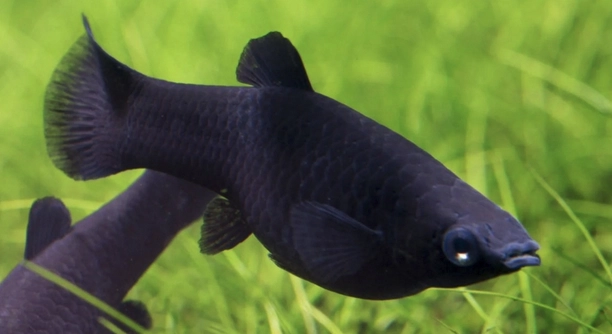
Do you ever find yourself curious about how certain fish manage changing water conditions, especially when exploring the care needs of species known to adapt well in different environments within home aquarium setups and habitats.
Black Molly fish tolerate brackish conditions due to their natural adaptability to varying salinity levels. Their physiology supports gradual shifts that maintain osmotic balance. Proper acclimation, stable parameters, and consistent monitoring ensure their long term health in moderately saline environments.
Learning how salinity influences this hardy species will help you create a comfortable space that supports balanced care and wellbeing.
Understanding Black Molly Salinity Needs
Black Molly fish handle salinity changes well, but they still rely on stable care to stay healthy. When adjusting their environment, keeping things steady makes the biggest difference. Sudden swings can stress them, so creating a slow and controlled shift helps them adapt without issues. Many keepers choose mild brackish setups because they support the fish’s natural tolerance, improve overall resilience, and reduce some freshwater health concerns. If you decide to move them into brackish water, focusing on careful mixing and consistent maintenance keeps everything balanced. I like to take my time during transitions, watching their behavior closely to make sure they stay comfortable. With the right approach, you can support their wellbeing and make salinity changes feel safe rather than overwhelming.
Maintaining slightly salted conditions can support stronger immune responses, especially when the fish are already used to steady parameters in their tank.
Creating a calm and stable environment helps Black Mollies thrive when you adjust salinity. Using measuring tools, observing behavior, and making slow changes keeps your fish secure during each stage of the process.
How Brackish Water Affects Their Health
Brackish water can help Black Mollies maintain good health by supporting their physiology and reducing certain stress factors. When kept in balanced conditions, they often show brighter coloration, smoother movement, and stronger overall behavior. Careful adjustments allow them to settle in well.
A well maintained brackish setup supports their natural tolerance and can reduce the likelihood of common issues that arise in unstable freshwater tanks. Many keepers notice that Black Mollies handle mild salinity better over time, especially when the parameters are kept consistent. Providing space, good filtration, and steady temperatures helps them settle without difficulty. I like to make sure the environment stays calm, with slow changes and gentle monitoring that keeps stress levels low. Stable salinity keeps their internal balance steady, which supports long term comfort. With patience and proper care, their health tends to stay stronger, and you can watch them move with ease in their adapted environment.
Preparing the Tank for Mild Salinity
Setting up a tank with mild salinity means focusing on consistency. Mixing marine salt with freshwater requires slow adjustments that keep your Black Mollies comfortable. I like to measure carefully and give the fish time to settle before increasing levels again.
Maintaining stable conditions begins with reliable tools and steady habits. Using a hydrometer or refractometer helps you control salinity without guesswork. I prefer increasing salinity in small steps because it prevents sudden stress. Watching their swimming patterns and appetite makes it easier to catch any early signs of discomfort. Filtration, temperature, and clean water all support steady acclimation, letting your fish handle the changes with less strain.
Creating a balanced brackish setup also means paying attention to routine care. Regular water changes, precise mixing, and quiet surroundings encourage your Black Mollies to adapt comfortably. With careful monitoring and gradual adjustments, they stay relaxed and respond well to mild salinity.
Recognizing Signs of Stress and Comfort
Black Mollies often show how they feel through behavior and body language. When salinity fits their needs, they move smoothly and eat with good interest. Any signs of clamped fins, erratic swimming, or lingering near the surface can mean the conditions need attention.
Keeping an eye on these behaviors helps you adjust the environment before issues grow. I like to focus on their everyday patterns because even small changes can reveal how well they are handling salinity. When increasing salt levels, I move slowly and watch for improvements in energy and color. A calm tank, balanced parameters, and consistent care help them feel secure. Monitoring their comfort at each step protects their health and gives you the confidence to maintain a stable brackish setup.
Ideal Salinity Levels for Black Mollies
Maintaining mild salinity helps Black Mollies stay balanced. I like keeping the range steady because it supports their natural tolerance. Gradual adjustments prevent sudden stress and make it easier for them to adapt without discomfort.
Using consistent testing helps you avoid unstable conditions. When levels shift too quickly, their behavior can change, so steady monitoring keeps things safe.
Feeding Adjustments in Brackish Conditions
Black Mollies handle their usual diet well in mild salinity as long as the environment stays stable. I prefer offering small portions and watching how they respond since appetite often reflects how comfortable they feel. Steady feeding supports smooth adjustment.
Monitoring Long Term Stability
Long term care means paying attention to small changes that appear over time. Their movement, appetite, and color help you understand how well they are handling mild salinity. With regular checks, you can maintain conditions that support comfort and wellbeing.
FAQ
Can Black Mollies live their entire life in brackish water?
Black Mollies can live their full life in brackish conditions as long as the environment stays stable. Their bodies handle mild salinity well, and many keepers choose this setup because it often supports stronger health. I like keeping salinity consistent since sudden changes can stress them. With proper filtration, clean water, and steady monitoring, they adapt comfortably. Some Black Mollies even thrive better in mild brackish conditions compared to freshwater tanks that fluctuate too often. As long as you maintain the right balance and avoid rapid shifts, they can remain healthy throughout their entire lifespan in this type of environment.
How quickly should I acclimate Black Mollies to brackish water?
Acclimating Black Mollies to brackish water should always be done slowly. I prefer spreading adjustments over several hours, sometimes longer, depending on the fish’s behavior. Gradual increases in salinity reduce stress and help their internal balance shift naturally. Adding small amounts of mixed marine salt solution at set intervals keeps the process controlled. Watching their movement and appetite during the transition helps you understand how well they are handling it. If they stay calm and swim normally, you can continue increasing salinity at a comfortable pace. Slow changes protect their health and make the shift feel gentle rather than overwhelming.
Do Black Mollies need a specific type of salt for brackish setups?
Black Mollies require marine salt, not regular aquarium salt, when creating a brackish environment. Marine salt contains minerals that support their system and help stabilize the water. I like using a reliable brand because consistent quality makes a difference. Avoid using table salt since additives can harm your fish. Proper marine salt helps maintain the balance of essential elements that contribute to long term comfort. When mixed correctly and monitored with accurate tools, it keeps the environment healthy and steady. Using the right salt protects your Black Mollies from unnecessary stress and supports overall wellbeing.
Will their color change in brackish water?
Many Black Mollies show brighter and richer coloration in brackish water. Mild salinity can help reduce certain stress factors and support natural pigmentation. I often notice smoother movement and stronger color when conditions stay stable. While not every fish responds the same way, many display improved vibrancy when kept in balanced brackish setups. This response often reflects good health and comfort. Maintaining clean water, steady salinity, and proper nutrition helps them maintain these colors over time. Their appearance often serves as a helpful indicator of wellbeing.
Can brackish water reduce common health problems?
A mild brackish environment can reduce certain issues that Black Mollies face in freshwater. Stable salinity helps keep internal balance steady, which may prevent some stress related problems. I like maintaining slightly salted conditions when I notice recurring concerns, especially in tanks with inconsistent parameters. While brackish water is not a cure, it can support better resilience and overall health. Keeping the environment clean and well filtered also plays an important role. Combined with proper care, a balanced brackish setup can make your fish stronger and more comfortable.
Do Black Mollies behave differently in brackish water?
Black Mollies often show smoother swimming, improved energy, and steady eating habits in mild salinity. Their behavior usually feels more relaxed when conditions suit them. I notice they explore the tank more when the water parameters stay consistent. Clear signs of comfort include steady fin movement, regular appetite, and calm interaction with tank mates. If their behavior becomes erratic or withdrawn, it may signal that adjustments are needed. Monitoring their daily actions helps you maintain an environment that supports confidence and comfort.
How often should I test salinity in a brackish Black Molly tank?
Testing salinity regularly is important for long term stability. I prefer checking it several times per week, especially after water changes. Small shifts can occur faster than expected, so staying aware keeps the environment balanced. Using a hydrometer or refractometer ensures accurate readings. When the numbers stay consistent, your Black Mollies feel safer and healthier. Regular testing also helps you catch early changes before they affect behavior. Keeping this habit makes brackish care easier and prevents unnecessary stress for your fish.
Is it safe to keep Black Mollies with other brackish species?
Black Mollies can share a tank with peaceful brackish compatible species as long as the environment meets everyone’s needs. I like choosing calm fish that enjoy mild salinity and similar water temperatures. Compatibility reduces stress and encourages smoother behavior. Make sure each species has enough space and hiding spots. Introducing tank mates slowly helps everyone settle without tension. Careful observation during the first few days ensures they adjust well together. When selected thoughtfully, mixed brackish communities can stay balanced and comfortable.
Final Thoughts
Caring for Black Mollies in brackish water becomes easier when you focus on consistency and gentle routines. They respond well to stable conditions, and their behavior often reflects how well the environment supports them. I find that taking small steps during changes helps them stay comfortable. Mild salinity can offer benefits that strengthen their overall health, but it works best when the tank is monitored with care. Clean water, steady parameters, and quiet surroundings create a safe space where they can move with ease. With simple habits that protect stability, you give them a reliable home where they can live without unnecessary stress. Many keepers appreciate how adaptable these fish are, and handling salinity with patience keeps that adaptability strong throughout their life.
Their needs remain manageable as long as you stay aware of the details that influence their comfort. I prefer watching their color, appetite, and movement each day because those small signals explain a lot about how well they are handling the setup. When kept in balanced brackish water, Black Mollies often show better energy, smoother swimming, and clear signs of contentment. If something shifts, steady observation helps you adjust the environment early. Simple tools like a hydrometer or refractometer give you control without complication. Feeding habits stay nearly the same, but I like offering consistent portions to support steady digestion during any environmental change. These small practices create a routine that keeps their health stable and makes the tank easier to manage over time.
Long term care for Black Mollies in brackish conditions depends on your willingness to maintain steady habits rather than constant adjustments. When you understand how they respond to salinity, you gain confidence in keeping their environment balanced. Their natural tolerance works best when paired with slow transitions and regular checks. Building a predictable routine allows you to notice improvements and address concerns early. I like the rhythm that develops when care becomes simple and steady, because it helps the fish settle into a calm, supportive habitat. Over time, the tank begins to feel more harmonious, with the fish showing bright color and steady movement as signs of wellbeing. Maintaining this environment does not require complicated steps, only patience, attention, and a gentle approach that keeps everything consistent. With these habits in place, your Black Mollies can thrive in brackish conditions and enjoy a space that supports their health and comfort each day.

Hello,
If you enjoy the content that we create, please consider saying a "Thank You!" by leaving a tip.
Every little bit helps us continue crafting quality advice that supports the health, happiness, and well-being of pets around the world, for pets of all shapes, sizes, and species.
We really appreciate the kindness and support that you show us!