
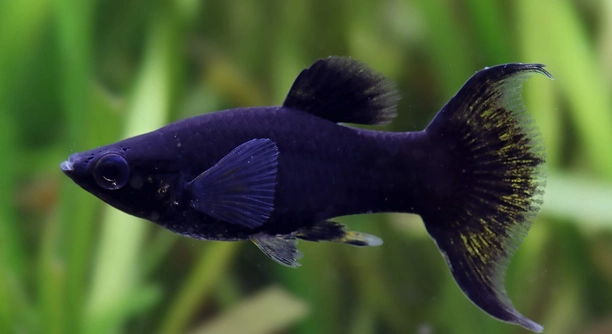
Are your black mollies showing signs of stress or behaving differently in your aquarium? Adjusting to a new tank can be challenging for these fish, and their health can quickly be affected if changes are too sudden or drastic.
Black mollies may not adjust well due to poor water quality, improper diet, overcrowding, sudden temperature changes, or lack of hiding spots. Observing their behavior closely can help identify stress early and prevent long-term health problems.
Monitoring your fish closely is essential for maintaining a healthy and calm environment. Recognizing subtle signs can make a significant difference in their well-being and comfort in the tank.
Loss of Appetite
When a black molly is not adjusting well, one of the first signs is a loss of appetite. Normally, these fish are eager to eat during feeding times, swimming actively to the surface or around the tank when food is introduced. If your molly stops showing interest in its usual food, it could indicate stress or discomfort. Changes in water quality, temperature fluctuations, or an overly aggressive tankmate can discourage feeding. Even minor stress can cause a molly to eat less, affecting its overall health. It’s important to monitor their eating habits closely and ensure that food is appropriate for their species. Feeding small portions at regular intervals can help encourage them to eat. Avoid overfeeding, as leftover food can degrade water quality and make the situation worse. Keeping track of their behavior during feeding times is an effective way to detect early adjustment issues.
Loss of appetite can lead to malnutrition and weaken the fish further if not addressed promptly.
Black mollies rely on consistent feeding schedules. When they refuse food, it often signals stress or environmental problems. Ensuring clean water and proper tank conditions helps restore their appetite. Observing their behavior during feeding times gives insight into their comfort level and can prevent further health decline. Regular monitoring and small dietary adjustments can gradually help them return to normal eating patterns.
Hiding or Lethargy
Hiding excessively or showing lethargy is another sign that your black molly may not be adjusting well. These fish usually swim actively and explore their surroundings, but stress can make them retreat to corners or under decorations, avoiding interaction.
Persistent hiding can indicate fear, poor water conditions, or illness.
When a molly spends most of its time hidden, it reduces activity levels, which can negatively affect digestion and immune function. Stress from sudden changes in tank temperature, overcrowding, or aggressive tankmates can cause this behavior. Providing enough hiding spots like plants or small ornaments can help them feel secure while they acclimate. However, constant hiding is a sign that something is wrong. Careful observation of water parameters such as pH, ammonia, and temperature is crucial. Adjusting conditions gradually and ensuring compatibility with other fish can encourage your molly to swim freely again. Patience and consistency in care are key to helping your molly regain confidence and maintain healthy activity levels.
Color Fading
Color fading is a common sign that your black molly is stressed or not adjusting well. Healthy mollies have vibrant, dark coloring, while a pale or dull appearance can indicate discomfort or poor water conditions.
Stress, illness, or poor water quality can cause your molly’s colors to fade. Rapid changes in water temperature, ammonia spikes, or overcrowding often contribute to this problem. A faded molly may also be hiding more and eating less, amplifying stress. Ensuring stable water parameters and providing a balanced diet can help restore their natural coloration. Monitor for other symptoms like clamped fins or abnormal swimming, as these often accompany color changes. Consistent care and a calm environment give your molly the best chance to regain vibrant hues and stay healthy.
Diet and lighting also influence color intensity. Feeding high-quality, color-enhancing foods and providing proper light cycles can support natural pigmentation. Avoid sudden changes that might shock the fish.
Rapid Gill Movement
Rapid gill movement can signal poor oxygen levels or stress in your black molly. Observing this behavior is crucial for early intervention.
This symptom often indicates that water quality is suboptimal. High levels of ammonia, nitrites, or low oxygen can cause your molly to breathe rapidly. Overcrowding or poor filtration may worsen the issue. Addressing these factors quickly prevents serious health problems. Ensuring proper aeration and regular water changes can help stabilize your molly’s breathing. Stress from aggressive tankmates or sudden environmental changes can also lead to rapid gill movement. Observing the tank closely allows you to spot patterns and identify triggers. Consistency in tank maintenance and monitoring water parameters keeps your molly comfortable. Avoid abrupt changes that could increase stress.
Providing clean water, sufficient oxygen, and a calm environment are key. Regular testing and careful observation help maintain healthy gill function and overall well-being.
Clamped Fins
Clamped fins are a clear sign that a black molly is stressed or uncomfortable. Fins held close to the body indicate unease, often caused by poor water quality, illness, or sudden changes in the tank environment.
This behavior can also result from aggressive tankmates or overcrowding. Mollies need space to swim freely. Clamped fins reduce mobility and can make it harder for the fish to feed properly. Observing fin position regularly helps detect stress early and prevent further complications. Providing hiding spots and maintaining stable water conditions often encourages the fins to relax naturally.
Erratic Swimming
Erratic swimming, such as darting around the tank or rubbing against objects, is a common stress indicator in black mollies. This behavior usually points to environmental discomfort or health issues that need prompt attention.
Excessive Hiding
Excessive hiding often signals that your molly is feeling threatened or stressed. It reduces activity levels, impacting overall health if prolonged.
How can I tell if my black molly is stressed?
Stress in black mollies often shows through changes in behavior and appearance. Common signs include loss of appetite, hiding excessively, clamped fins, faded colors, rapid gill movement, and erratic swimming. Observing your fish regularly is the best way to detect stress early. Stress can also make mollies more susceptible to disease, so identifying these behaviors quickly helps prevent further health issues. Minor changes in water temperature, poor water quality, or aggressive tankmates are frequent triggers. Keeping a consistent tank environment and monitoring daily behavior allows you to spot problems before they escalate.
What should I do if my molly stops eating?
A sudden loss of appetite can indicate stress, illness, or poor water conditions. First, check water quality, including ammonia, nitrite, nitrate, and pH levels, to ensure they are within safe ranges. Evaluate tankmates and feeding routines, as aggression or competition may discourage eating. Offer small, high-quality portions of a varied diet, including flake, pellet, or frozen foods suited for mollies. Feeding at the same time daily helps establish routine. If appetite does not return within a few days, it may be necessary to isolate the fish for observation and consult a veterinarian specializing in fish.
Why is my black molly hiding so much?
Excessive hiding usually indicates discomfort, stress, or fear. Mollies normally swim freely and explore the tank, so hiding constantly can mean environmental issues. Overcrowding, aggressive tankmates, poor water quality, or sudden changes in temperature can make mollies retreat. Providing hiding spots like plants or ornaments helps, but continuous hiding requires examining the tank carefully. Monitoring water parameters and adjusting conditions gradually can encourage your molly to feel safe and start swimming openly again. Stress reduction through stable conditions is key to preventing long-term health problems.
What causes black mollies to fade in color?
Color fading is often a stress response or result of poor water quality. Mollies lose their vibrant black color when they are uncomfortable or sick. Inadequate diet, inconsistent lighting, or water imbalances can also contribute. Maintaining proper temperature, pH, and oxygen levels while offering a nutrient-rich diet helps restore natural coloration. Stress reduction and environmental stability often improve color over time.
How can I improve my molly’s adjustment to a new tank?
Gradual acclimation is essential when introducing mollies to a new environment. Float the bag in the tank for 15–20 minutes to equalize temperature, then slowly mix small amounts of tank water with the bag water over 30–60 minutes. Ensure proper filtration, stable temperature, and compatible tankmates. Provide hiding spots to reduce stress. Consistent feeding, clean water, and regular monitoring help your molly adapt safely. Avoid sudden changes in water chemistry or temperature, as these can trigger stress and illness.
Is rapid gill movement dangerous?
Rapid gill movement signals that your molly is struggling to breathe, often due to low oxygen levels, high ammonia, or poor water circulation. Addressing water quality immediately is critical. Check filtration, increase aeration, and perform partial water changes if needed. Observing other stress indicators alongside gill movement helps identify underlying causes and prevent further health decline.
How long does it take for black mollies to adjust to a new tank?
Adjustment periods vary but generally take one to two weeks. During this time, mollies may hide, eat less, or display erratic swimming. Maintaining a stable environment, monitoring water parameters, and providing proper nutrition accelerates acclimation. Patience is important, as forcing interaction or changing conditions too quickly can prolong stress.
Can tankmates affect a molly’s adjustment?
Yes, aggressive or overly active tankmates can stress mollies. Overcrowding or competition for food may result in hiding, clamped fins, or color fading. Choosing compatible, peaceful species and providing adequate space ensures mollies feel secure. Observing social behavior in the tank helps prevent prolonged stress and health issues.
When should I consult a veterinarian?
Consult a veterinarian if stress signs persist for more than a few days, appetite does not return, or physical symptoms appear, such as fin rot, lesions, or abnormal swimming. Early intervention can prevent disease progression and improve your molly’s recovery chances. Maintaining a stress-free environment in conjunction with professional care ensures long-term health.
This FAQ covers the most common concerns regarding black mollies not adjusting well, emphasizing observation, water quality, diet, and environmental stability to keep them healthy and comfortable.
Word count: 503
Black mollies are sensitive fish that require consistent care and a stable environment to thrive. Their adjustment to a new tank can be affected by several factors, including water quality, temperature, tankmates, and feeding routines. Paying attention to their behavior is the most reliable way to understand how well they are adapting. Signs such as loss of appetite, excessive hiding, clamped fins, color fading, rapid gill movement, and erratic swimming all indicate that a molly may be stressed or uncomfortable. Observing these behaviors daily helps you identify problems early and take steps to correct them before they become serious health issues. Even small adjustments to the tank environment, such as providing hiding spots, regulating temperature, and maintaining proper water chemistry, can significantly improve a molly’s comfort and overall well-being.
Ensuring water quality is the foundation of helping black mollies adjust properly. Regular testing of ammonia, nitrite, nitrate, and pH levels allows you to spot harmful changes before they impact the fish. Frequent water changes and a properly functioning filtration system are essential to maintain clean, stable conditions. Temperature stability is equally important, as sudden fluctuations can stress mollies and trigger undesirable behaviors. Feeding routines also play a role; providing a balanced diet with high-quality flake, pellet, or frozen foods encourages healthy growth and supports natural coloration. When mollies receive proper care and stable environmental conditions, they are more likely to swim confidently, eat regularly, and display vibrant colors. Observing their interactions with other tankmates can also give insight into their level of comfort and help prevent stress caused by overcrowding or aggression.
Patience is key when helping black mollies adjust. Some fish take longer to acclimate than others, and pushing them to interact or swim actively before they feel secure can worsen stress. Offering sufficient hiding places and monitoring behavior over time allows the fish to build confidence at its own pace. Changes should be introduced gradually, whether it’s adjusting water chemistry, adding tankmates, or modifying feeding routines. By maintaining a calm and stable environment, you support the long-term health and happiness of your mollies. Regular observation, care, and attention to subtle signs of discomfort are essential practices for any aquarium owner. Over time, these steps create a safe and comfortable habitat where black mollies can thrive, swim freely, and maintain their natural behaviors, colors, and energy.
Word count: 404

Hello,
If you enjoy the content that we create, please consider saying a "Thank You!" by leaving a tip.
Every little bit helps us continue crafting quality advice that supports the health, happiness, and well-being of pets around the world, for pets of all shapes, sizes, and species.
We really appreciate the kindness and support that you show us!