
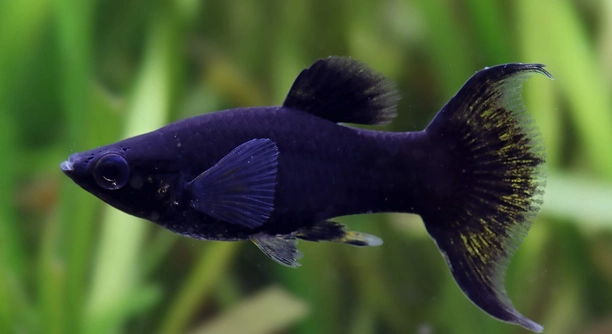
Feeding black mollies can seem simple, but many owners unintentionally make mistakes that affect their fish’s health. Small missteps in diet can lead to digestive issues, poor growth, or even long-term illness for these delicate fish.
Avoiding common feeding mistakes is crucial for maintaining healthy black mollies. Overfeeding, offering inappropriate food types, and neglecting dietary variety can disrupt their digestive system, weaken immunity, and reduce lifespan. A careful, consistent approach ensures optimal health and growth.
Learning the right practices will help you prevent problems and provide your black mollies with a balanced, safe, and nutritious diet.
Overfeeding Your Black Molly
Overfeeding is one of the most common mistakes when caring for black mollies. Many owners assume that more food will make their fish healthier or grow faster, but it can have the opposite effect. Excess food often leads to water contamination, which can cause poor water quality, stress, and disease. Black mollies have small stomachs, so they only need tiny amounts of food two to three times a day. Observing how much they consume in a few minutes will help you adjust portions accurately. Feeding too much can also cause bloating, constipation, and swim bladder issues. It’s important to remember that black mollies are active swimmers and will naturally seek food, but this does not mean they require continuous feeding. Offering a controlled, measured diet maintains both their health and the cleanliness of the tank. Consistency and moderation are key for their overall well-being.
Feed black mollies only what they can eat in a few minutes. Overfeeding leads to digestive problems and water quality issues.
Maintaining a proper feeding schedule benefits not only the fish but also the tank environment. Uneaten food decomposes quickly, encouraging harmful bacteria and algae growth. Overfeeding creates an imbalance that affects oxygen levels and water clarity. Regularly monitor how much your mollies eat and remove any leftovers promptly. Using a varied diet with flakes, pellets, and occasional live or frozen foods ensures they receive all necessary nutrients without excess. By keeping portions small and feeding consistently, you can prevent digestive problems, reduce stress, and avoid health complications. Observing their behavior and adjusting feeding habits over time helps black mollies thrive and grow in a clean, balanced habitat.
Feeding Inappropriate Food
Black mollies require a diet that suits their omnivorous nature. Feeding only one type of food, like flakes or pellets, can leave them nutrient-deficient and affect growth. Avoid foods that are high in fillers or low-quality ingredients, as these provide little nutrition. Some human foods, like bread or greasy leftovers, are harmful and should never be offered.
Feeding the wrong type of food can lead to digestive issues, poor coloration, and weakened immunity.
A balanced approach involves offering foods designed for tropical fish, supplemented occasionally with fresh vegetables like zucchini or spinach, and protein-rich options like brine shrimp or daphnia. Introducing variety ensures they receive essential vitamins, minerals, and fatty acids needed for energy, reproduction, and strong immune function. Rotating between food types keeps them interested in feeding and prevents selective eating. Black mollies are prone to vitamin deficiencies if their diet lacks diversity, so avoid relying solely on store-bought flakes. Observing how they react to different foods helps determine what works best. Regularly alternating between plant-based and protein-rich options supports proper growth, vibrant coloration, and healthy activity levels.
Feeding Too Often
Feeding black mollies too frequently can harm their health. Their small stomachs cannot process constant food, leading to bloating, constipation, and poor water quality. Stick to two or three small feedings daily to maintain a balanced diet and clean tank environment.
Frequent feedings can overwhelm a black molly’s digestive system. When they consume too much at once or too often, it disrupts gut function and slows nutrient absorption. Uneaten food sinks to the tank floor, decomposing and raising ammonia and nitrite levels. This can stress fish, making them more susceptible to illness. Maintaining a strict feeding schedule ensures mollies receive proper nutrition while keeping the tank safe. Observing how quickly they finish their food helps adjust portions and timing accurately.
Overfeeding can also affect their behavior and energy levels. Black mollies may become lethargic or swim irregularly due to bloating or discomfort. Proper portion control and consistent feeding times encourage healthy activity, growth, and coloration. Avoiding unnecessary snacks or frequent meals keeps their digestive system balanced, reduces stress, and supports overall tank stability.
Offering Human Food
Human food is not suitable for black mollies. Items like bread, cheese, or fried scraps can upset digestion, introduce bacteria, and cause long-term health issues. Always stick to fish-specific foods and safe vegetables.
Feeding inappropriate human food can lead to serious digestive problems in black mollies. Their systems are not equipped to process oils, salts, or preservatives found in common human snacks. Even small amounts may trigger bloating, constipation, or diarrhea. Consistent feeding of proper fish food ensures they get the nutrients they need without risking illness. Vegetables like spinach or zucchini can be offered sparingly to supplement their diet naturally, but human leftovers should be strictly avoided.
Introducing human food even occasionally encourages bad feeding habits and selective eating. Black mollies may start refusing their normal diet in favor of unusual offerings, which can lead to nutrient deficiencies. These foods also increase waste in the tank, causing water quality issues that further threaten their health. Maintaining a strict, fish-friendly diet promotes proper growth, vibrant coloration, and a robust immune system, helping them thrive safely in a controlled aquarium environment.
Feeding Only Flakes
Relying solely on flakes limits a black molly’s nutrition. Flakes provide some vitamins but often lack essential proteins and minerals needed for growth, coloration, and overall health.
Supplementing flakes with live or frozen foods, as well as vegetables, ensures a more balanced diet and prevents deficiencies over time.
Ignoring Live or Frozen Foods
Live or frozen foods are important for black mollies. Foods like brine shrimp, daphnia, and bloodworms provide high protein content that flakes alone cannot deliver. Regularly including these foods supports muscle development, reproduction, and energy levels, keeping mollies active and healthy.
Feeding Spoiled Food
Spoiled or old food can harm black mollies. Moldy flakes or improperly stored frozen items introduce bacteria and toxins, which may cause illness or digestive issues if consumed.
How often should I feed my black molly?
Black mollies should be fed small portions two to three times a day. Their stomachs are tiny, and overfeeding can cause bloating and digestive issues. Observing how much they eat in a few minutes will help you determine the right portion for each feeding.
Feeding on a regular schedule also helps maintain water quality. Uneaten food quickly decomposes, raising ammonia and nitrite levels. Small, consistent meals prevent sudden spikes and reduce stress on the fish.
What types of food are best for black mollies?
A balanced diet is crucial. High-quality flakes or pellets designed for tropical fish provide basic nutrition. To supplement, offer live or frozen foods like brine shrimp, daphnia, or bloodworms for protein. Occasionally adding blanched vegetables such as spinach or zucchini ensures they receive vitamins and fiber.
Variety is key for their health and coloration. Feeding only one type of food can result in nutrient deficiencies, lethargy, and weak immune systems. Rotate foods and include both plant-based and protein-rich options to keep them active and healthy.
Can black mollies eat human food?
Human food should generally be avoided. Items like bread, cheese, or fried snacks can upset digestion and introduce harmful bacteria. Even small amounts may lead to bloating, constipation, or illness over time.
Safe vegetable treats, like spinach or zucchini, can be offered occasionally, but these should be considered supplements rather than staples. Feeding fish-appropriate foods ensures proper growth, strong immune systems, and vibrant coloration.
What happens if I overfeed my black molly?
Overfeeding can cause bloating, constipation, and swim bladder issues. Excess food decomposes in the tank, leading to poor water quality and higher ammonia levels, which stress fish and make them more susceptible to disease.
Maintaining portion control is essential. Feed only what your fish can finish in a few minutes, remove leftovers promptly, and stick to a consistent schedule. Proper feeding promotes healthy digestion, steady growth, and cleaner tank conditions.
Are flakes enough for black mollies?
Flakes alone are not sufficient for optimal health. While they contain some vitamins and nutrients, they often lack essential proteins and minerals. Combining flakes with live or frozen foods and occasional vegetables provides a complete diet.
Supplementing flakes encourages natural feeding behaviors and prevents selective eating. Black mollies benefit from the added protein for muscle development and reproductive health. Variety also helps maintain vibrant colors and overall activity levels.
Can black mollies eat vegetables?
Yes, vegetables are a good supplement. Blanched spinach, zucchini, or peas provide fiber, vitamins, and minerals that support digestion and overall health.
Vegetables should not replace protein sources. They are meant to balance the diet and prevent nutrient deficiencies. Offering a small variety regularly helps maintain energy, proper growth, and a healthy immune system.
How do I know if my black molly is eating too much?
Signs of overfeeding include bloating, lethargy, slow swimming, and leftover food in the tank after feeding. Frequent overfeeding can lead to digestive problems and water contamination.
Watch your fish’s behavior and adjust portions accordingly. Removing uneaten food promptly, maintaining a regular feeding schedule, and observing tank conditions are the best ways to ensure healthy feeding habits.
Can frozen or live foods spoil?
Yes, improper storage of frozen or live foods can cause spoilage. Mold, bacteria, and toxins may develop, which can make black mollies sick if ingested.
Always store frozen foods in airtight containers and use them within recommended timeframes. Rinse live foods before feeding to remove contaminants. Fresh, properly stored foods support digestion, immunity, and overall fish health.
Is it okay to feed black mollies at night?
Feeding at night is generally fine, but keep portions small. Black mollies are active during the day, and overfeeding at night can leave uneaten food to decay, affecting water quality.
Stick to predictable feeding times and observe your fish. Consistency prevents digestive issues, ensures proper nutrition, and keeps the tank clean.
How important is diet variety for black mollies?
Diet variety is essential. Feeding only one type of food can cause deficiencies, poor coloration, and weak immune systems. Mixing flakes, pellets, live or frozen foods, and vegetables ensures they get all necessary nutrients.
A varied diet also keeps them engaged during feeding and encourages natural behaviors. Regularly rotating food types supports growth, reproduction, and overall vitality while maintaining strong immune function. Proper nutrition ensures long-term health and vibrant activity levels in the aquarium.
Black mollies are beautiful, lively fish that can thrive in a home aquarium with proper care. One of the most important aspects of their care is feeding. Their diet has a direct impact on their health, growth, and coloration. Overfeeding, giving the wrong type of food, or neglecting variety can cause serious problems, including digestive issues, weakened immunity, and poor water quality. By paying attention to how much and what you feed your mollies, you create a stable environment that supports their overall well-being. Feeding them small, measured portions two to three times a day is enough to meet their nutritional needs without overloading their digestive system or the tank. Observing how quickly they eat and adjusting portions accordingly ensures they remain healthy and active.
In addition to portion control, the type of food you offer is equally important. Black mollies benefit from a balanced diet that includes high-quality flakes or pellets as a staple, supplemented with live or frozen protein sources such as brine shrimp, daphnia, or bloodworms. These protein-rich foods help with muscle development, reproduction, and energy levels. Occasional vegetables, like blanched spinach, zucchini, or peas, provide essential vitamins, minerals, and fiber that promote proper digestion. Avoiding human food, old or spoiled items, and highly processed foods is critical, as these can introduce harmful bacteria or cause digestive distress. Rotating food types and maintaining variety in their diet ensures your mollies receive all the nutrients they need while preventing selective eating and nutrient deficiencies.
Consistency, observation, and careful planning make feeding black mollies straightforward and effective. Maintaining a regular feeding schedule, storing food properly, and monitoring their behavior will help you prevent health problems before they occur. Small steps like removing uneaten food promptly, adjusting feeding frequency, and supplementing their diet with both protein and vegetables make a noticeable difference in their health and activity. With proper attention, your black mollies will show brighter colors, stronger immunity, and more energetic swimming patterns. Following these guidelines creates a safer, healthier, and more balanced environment, ensuring that your black mollies thrive for years in your care.

Hello,
If you enjoy the content that we create, please consider saying a "Thank You!" by leaving a tip.
Every little bit helps us continue crafting quality advice that supports the health, happiness, and well-being of pets around the world, for pets of all shapes, sizes, and species.
We really appreciate the kindness and support that you show us!