
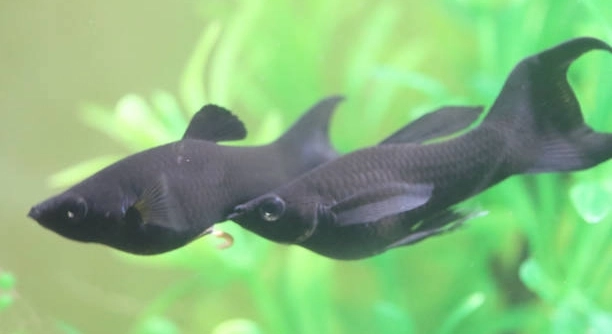
Pregnancy can bring excitement, but it often comes with stress that feels hard to manage. Black Molly fish owners may notice changes in behavior or appetite, making it important to create a calm and supportive environment for them.
The most effective ways to ease stress in pregnant Black Molly include maintaining stable water conditions, providing a balanced diet, reducing sudden disturbances, offering hiding spots, monitoring tank mates, keeping lighting consistent, and observing their health regularly to ensure optimal well-being.
Learning simple adjustments in their care can make a significant difference in their comfort and overall health throughout pregnancy.
Keep Water Conditions Stable
Maintaining stable water conditions is essential for pregnant Black Molly health. Frequent changes in temperature, pH, or hardness can create stress, impacting appetite and overall activity. A thermometer and regular testing can help track these variables. Avoid sudden water changes; instead, perform gradual adjustments over several hours. Filtration also matters—clean filters support water clarity and reduce harmful waste buildup, but avoid over-cleaning as it may disrupt beneficial bacteria. Ensuring a consistent routine for water maintenance keeps the fish comfortable. Additionally, avoid overcrowding the tank, as too many fish can increase stress levels and create unstable water chemistry. Observing your fish daily allows you to spot early signs of discomfort, such as hiding, decreased movement, or reduced feeding. Providing a quiet space in the tank, such as plants or decorations, further helps the pregnant Molly feel secure. Overall, stability in water conditions is one of the most effective ways to reduce stress.
Consistently stable water conditions reduce stress, prevent illness, and support healthy pregnancies in Black Molly fish. Proper monitoring ensures their well-being and comfort.
Gradual water adjustments, paired with regular observation, make a significant difference. Simple tools like thermometers and test kits help maintain safe levels efficiently.
Provide Hiding Spots
Pregnant Black Mollies often need privacy to feel safe and secure. Plants, caves, or dense decorations give them areas to retreat.
Hiding spots decrease exposure to tank mates and reduce visible stress behaviors. Creating these spaces supports natural instincts and helps maintain consistent activity levels, feeding patterns, and overall health.
Introducing hiding spots requires careful placement. Plants should be dense enough to offer cover but not overcrowd the tank, allowing free swimming. Consider live plants like Java moss or floating plants, which provide both shelter and oxygenation. Small caves or decorations should have smooth surfaces to prevent injury. Observing which spots the Molly prefers helps you understand their comfort zones and adjust as needed. Over time, these areas become safe havens during sensitive periods. Pregnant Mollies often spend more time near these retreats, reducing stress and promoting healthy development of fry. Consistently maintaining these areas by cleaning around plants and decorations prevents waste buildup and supports water quality. Prioritizing secure hiding spots is a simple, effective way to care for pregnant Black Mollies.
Reduce Sudden Disturbances
Pregnant Black Mollies react strongly to sudden movements or loud noises. Quick changes in light or tank activity can cause them to hide or stop eating. Keeping a calm, consistent environment helps reduce stress and supports their health during pregnancy.
Minimizing disturbances starts with controlling the environment around the tank. Avoid placing it near high-traffic areas, doors, or places with loud appliances. When feeding or cleaning, move slowly and avoid tapping on the glass. Even routine tank maintenance should be done gently, in small steps, to prevent sudden changes in water conditions or lighting. Observing the fish’s behavior after each adjustment allows you to notice stress signs early and correct any issues. Pregnant Mollies often become skittish if they feel unsafe, so maintaining a predictable schedule for feeding, cleaning, and other interactions is important for their comfort.
Overhandling or frequent disturbances can weaken the immune system and lead to illness. Keeping a calm environment and gentle care routine reduces stress, encourages normal behavior, and helps ensure healthy development of fry. Regular observation allows for timely adjustments in care practices.
Offer a Balanced Diet
A nutritious diet supports both the mother and developing fry. High-quality flakes, frozen or live foods provide essential proteins and vitamins.
Feeding small, frequent portions prevents overeating and maintains water quality. Pregnant Black Mollies benefit from variety, including brine shrimp, daphnia, or finely chopped vegetables.
Consistently providing a balanced diet improves energy levels and reduces stress. Overfeeding can lead to water contamination and digestive issues, so monitor intake carefully. Introduce new foods gradually to avoid shocking their system. High-protein options support fry growth, while occasional plant matter adds fiber and prevents constipation. Observing how your Molly reacts to different foods helps tailor her diet to her needs. Maintaining feeding routines at similar times daily reinforces a sense of stability, supporting overall health. Healthy nutrition combined with careful observation ensures both mother and fry thrive during pregnancy.
Monitor Tank Mates
Aggressive or overly active tank mates can stress pregnant Black Mollies. Keeping peaceful species reduces chasing and competition, allowing the mother to swim and feed calmly.
Observe interactions closely. Even normally calm fish can sometimes become territorial. Separating or relocating troublesome tank mates prevents unnecessary stress and supports a healthier environment.
Maintain Consistent Lighting
Consistent lighting helps regulate the fish’s natural rhythms. Sudden changes in brightness can startle pregnant Mollies and disrupt feeding or resting patterns. Maintaining a regular day-night cycle encourages normal activity levels and reduces stress, promoting overall health during pregnancy.
Observe Health Regularly
Frequent observation allows early detection of illness or abnormal behavior. Look for changes in appetite, swimming patterns, or physical appearance. Early intervention prevents complications and ensures the pregnant Molly remains healthy and comfortable throughout gestation.
How can I tell if my Black Molly is pregnant?
A pregnant Black Molly often shows a visibly rounded belly that grows over time. You may notice a dark gravid spot near the anal fin, which becomes more prominent as pregnancy progresses. Behaviorally, she may become more reserved, spending time hiding among plants or decorations, avoiding active tank mates. Appetite may fluctuate, but consistent feeding is important to maintain energy. Observing swimming patterns can also help; pregnant Mollies often move more slowly and cautiously. Keeping a close eye daily allows you to recognize changes early and provide extra care to support her well-being.
What is the ideal water temperature for pregnant Black Mollies?
Pregnant Mollies thrive in stable water between 75 and 82°F (24-28°C). Temperature fluctuations can stress the fish, reduce appetite, and increase susceptibility to illness. Use a reliable aquarium heater and thermometer to monitor temperature consistently. Sudden changes during cleaning or water replacement should be avoided; instead, adjust water gradually. Maintaining this temperature range supports healthy metabolism, encourages normal activity, and contributes to successful gestation. Combining proper temperature with stable pH and filtration ensures the pregnant Molly remains comfortable and stress-free throughout pregnancy.
How often should I feed a pregnant Molly?
Pregnant Mollies do best with small, frequent meals. Feeding two to three times a day in controlled portions prevents overeating and maintains water quality. A balanced diet of high-quality flakes, frozen or live foods, and occasional vegetables provides essential nutrients for the mother and developing fry. Monitor her intake to avoid uneaten food, which can degrade water quality and cause stress. Rotating food types keeps meals interesting and nutritious, supporting energy levels and overall health. Observing her behavior after each feeding ensures the diet meets her needs without overwhelming the tank environment.
Do pregnant Mollies need special hiding spots?
Yes, hiding spots are crucial for reducing stress. Dense plants, small caves, or decorations provide safe areas where she can retreat. This minimizes exposure to active or aggressive tank mates and creates a secure environment for gestation. Observing preferred hiding spots allows adjustments to placement and density. Regular maintenance around these areas ensures water quality stays high. Well-placed shelters also allow fry to have space once born, reducing risks of accidental harm. Consistently providing safe retreats supports natural behavior, reduces stress, and encourages healthy pregnancy progression in Black Mollies.
What signs indicate stress in a pregnant Molly?
Stress can show as erratic swimming, frequent hiding, loss of appetite, or clamped fins. Changes in color, lethargy, or rubbing against decorations are additional indicators. Observing these behaviors early allows corrective action before health is compromised. Stress can be caused by poor water conditions, aggressive tank mates, or sudden environmental changes. Maintaining a calm, consistent environment with proper diet, hiding spots, and stable water reduces these risks. Regular monitoring and gentle care ensure the pregnant Molly remains comfortable, supporting both her well-being and the development of healthy fry.
How do I prevent aggression from tank mates?
Choose peaceful fish species to share the tank. Avoid fin-nippers or overly active fish that chase or harass pregnant Mollies. If aggression occurs, separate the affected fish using a tank divider or relocate aggressive individuals. Observing daily interactions helps spot conflicts early. Adding hiding spots and plants also provides security, reducing direct encounters. A calm environment ensures the mother can feed, swim, and rest without stress. Proper planning of tank community composition and monitoring behavior regularly are key steps in preventing aggression and supporting a stress-free pregnancy.
Can pregnant Mollies give birth in a community tank?
Yes, but caution is needed. Fry are at risk of being eaten by other fish. Providing dense plants, breeding boxes, or separate nursery tanks can protect newborns. Regular observation ensures the mother remains healthy during delivery. After birth, consider removing the fry to a safe space until they are large enough to avoid predation. Minimizing disturbances and maintaining stable water conditions during birth supports the mother’s health. With careful planning and monitoring, community tanks can successfully accommodate pregnant Mollies while reducing stress and protecting offspring.
What should I do if my Molly appears sick during pregnancy?
Seek signs of illness like unusual spots, swelling, labored swimming, or lethargy. Isolate the affected fish to prevent disease spread. Maintain clean, stable water and consider consulting a veterinarian familiar with fish. Providing high-quality, nutrient-rich food supports recovery. Avoid sudden changes in tank conditions, as they can worsen stress. Regular observation allows early detection of health issues, improving chances of recovery. Supporting her environment with hiding spots and minimal disturbances also reduces stress. Prompt action is critical to protect both the pregnant Molly and her developing fry.
How long is the pregnancy in Black Mollies?
Pregnancy typically lasts 4 to 6 weeks. Duration can vary based on age, health, and environmental conditions. Proper water quality, diet, and low-stress surroundings help ensure a healthy gestation period. Monitoring belly size, gravid spot changes, and behavior provides indicators of progress. Consistent care during this period supports fry development and reduces risks associated with premature or stressful births. Maintaining a calm environment, hiding spaces, and proper nutrition throughout pregnancy helps ensure a successful delivery and healthy offspring.
Are there any special care tips for postpartum Mollies?
After giving birth, the mother may need extra rest and access to high-quality food. Remove or protect fry from other tank mates to prevent predation. Maintain water stability and monitor her health closely for signs of stress or infection. Postpartum care supports recovery and prepares her for future breeding. Gradually reintroducing her to normal tank conditions while maintaining secure hiding spots ensures a smooth transition. Continued observation and gentle handling during this period promote well-being and reduce the risk of complications. Proper postpartum care is essential for long-term health of both mother and fry.
This FAQ provides practical guidance for supporting pregnant Black Mollies, ensuring their comfort, reducing stress, and promoting healthy offspring development. Proper care routines, observation, and environmental adjustments are key to successful breeding.
Pregnant Black Mollies require careful attention to ensure both the mother and her developing fry stay healthy. Maintaining stable water conditions, including temperature, pH, and cleanliness, is one of the most important steps. Sudden changes can stress the fish and affect their appetite, energy, and overall health. Using a thermometer, water testing kits, and proper filtration helps create a stable environment. Gradual water changes instead of large sudden replacements keep the tank balanced and prevent shock. Overcrowding should also be avoided, as too many fish can disrupt water chemistry and create stress for the pregnant Molly. By keeping water conditions consistent, you can support a smoother pregnancy and healthier fry.
Providing a calm, supportive environment goes beyond water quality. Hiding spots, like dense plants or small caves, allow the mother to feel secure and reduce stress caused by tank mates or external disturbances. Monitoring her behavior regularly is also important. Changes in swimming patterns, hiding more than usual, or loss of appetite can signal stress or health issues. Feeding a balanced diet with a mix of high-quality flakes, live or frozen foods, and occasional vegetables provides essential nutrients for both the mother and her fry. Small, frequent meals prevent overeating and help maintain water quality. By combining careful feeding with observation and secure hiding spaces, you can create an environment where the pregnant Molly feels comfortable and safe.
Regular monitoring and gentle care throughout pregnancy help ensure the best possible outcome for both the mother and her offspring. Stress reduction, consistent routines, and attention to environmental details make a significant difference in their well-being. Postpartum care is equally important; the mother may need extra rest, access to nutritious food, and protection from aggressive tank mates. Fry should also be given a safe space until they are large enough to avoid predation. By observing daily, adjusting care when needed, and maintaining stable conditions, you can promote healthy development and reduce complications. These consistent, thoughtful practices help your Black Mollies thrive, supporting both their physical health and natural behavior, and ultimately ensuring a smoother pregnancy and successful delivery of healthy fry.

Hello,
If you enjoy the content that we create, please consider saying a "Thank You!" by leaving a tip.
Every little bit helps us continue crafting quality advice that supports the health, happiness, and well-being of pets around the world, for pets of all shapes, sizes, and species.
We really appreciate the kindness and support that you show us!