
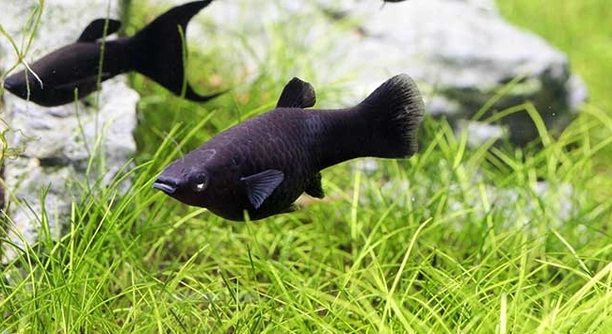
Black Mollies are popular freshwater fish known for their gentle nature and calm movements in aquariums. Many owners notice their quiet moments and wonder about their resting habits, especially when they seem to float in place for long periods.
Black Mollies can rest while floating in one place, using minimal fin movement to maintain position. This behavior is a normal part of their rest cycle, allowing them to conserve energy while staying alert to their surroundings in the aquarium environment.
Observing these calm floating moments provides insight into your fish’s daily routine and overall well-being in the tank.
Understanding Black Molly Resting Behavior
Black Mollies often appear motionless while floating near the water surface or in mid-tank. This behavior is part of their natural resting pattern, not a sign of illness. While resting, they reduce activity and gently move their fins to maintain balance. Observing their breathing and slight fin movements can help distinguish rest from distress. Environmental factors like water temperature, quality, and lighting influence their resting habits. Providing a stable, clean tank encourages healthy rest cycles. Mollies may also rest in shaded or quieter areas of the aquarium, indicating a preference for calm spaces. Changes in their usual resting spots or behavior can signal stress or discomfort, but minor variations are generally normal. It’s helpful to monitor patterns over time to understand each fish’s typical rest. Feeding schedules and tank mates can also affect how and where they float during rest periods. Consistency in tank care promotes predictable, healthy behavior in Black Mollies.
Observing your Black Molly’s floating habits regularly helps identify normal patterns and prevents unnecessary worry about their rest.
Noticing these gentle, stationary moments provides insight into the fish’s comfort level and adaptation to the tank environment. Regular observation allows for adjustments in tank conditions, ensuring a calm and balanced habitat.
Tips for Supporting Healthy Rest
Providing stable water conditions supports your Black Molly’s natural rest.
Water quality and temperature are crucial for proper rest behavior. Black Mollies thrive in clean water with a temperature range between 24°C and 28°C. Regular filtration and partial water changes reduce stress and maintain oxygen levels, allowing fish to rest calmly. Avoid sudden lighting changes, as bright or flickering lights can disturb their floating patterns. Adding plants or decorations can create shaded areas that Mollies use for relaxation. A balanced diet and consistent feeding schedule also influence their energy levels and rest cycles. Monitoring their activity and interactions with tank mates helps identify signs of stress that may disrupt rest. Quiet, stable conditions encourage predictable resting behaviors, allowing you to observe the fish’s natural floating moments. Understanding these factors makes it easier to maintain a healthy, comfortable environment for Black Mollies while supporting their overall well-being.
Recognizing Normal Floating Patterns
Black Mollies often float in one place while resting. This stillness is typical and helps them conserve energy. Watching their fins and gill movements can indicate whether they are simply resting or experiencing discomfort.
During rest, Black Mollies maintain slight fin movement to stay balanced and upright. Their breathing slows, and they usually choose quiet areas of the tank, often near plants or decorations. These calm moments are part of their daily routine, allowing them to regain energy without being fully inactive. Stress or illness may alter these patterns, but gentle floating is generally normal. Maintaining consistent water quality, temperature, and lighting supports healthy resting behavior.
Observing your Mollies regularly helps distinguish between normal floating and potential problems. Changes in position, rapid fin movement, or unusual lethargy can indicate issues requiring attention. Understanding these subtle cues allows for adjustments in feeding, tank care, or habitat setup, ensuring your fish remain comfortable and healthy.
Environmental Factors Affecting Floating
Water quality and temperature directly influence how Black Mollies float and rest. Poor conditions can disrupt their calm behavior and cause stress.
Consistent filtration, regular water changes, and stable temperatures create a safe environment that encourages normal floating patterns. Mollies are sensitive to sudden changes in lighting or strong currents, which can make them swim continuously instead of resting. Decorations and plants provide shaded, sheltered areas, giving fish options for floating comfortably. Tank size also matters, as overcrowding may increase stress and reduce calm moments. Feeding balanced meals at regular intervals supports predictable energy cycles. Observing these environmental factors helps maintain healthy floating behavior and prevents unnecessary stress, ensuring your Black Mollies remain relaxed and secure.
Common Misconceptions About Floating
Some owners think Black Mollies floating still indicates illness. In reality, resting in one spot is a normal behavior. Watching for other signs of distress helps differentiate rest from potential health issues.
Floating does not always mean a problem. Mollies use this behavior to conserve energy and feel safe in their environment. Regular observation helps confirm whether the behavior is normal or unusual.
Observing Energy Levels
Black Mollies’ energy levels vary throughout the day. They are more active during feeding times and explore the tank, while resting periods involve gentle floating. Tracking these patterns ensures they are healthy and adapting well to their environment.
Impact of Tank Companions
Tank mates influence how Mollies float and rest. Aggressive or overly active fish can disturb their calm moments, affecting rest and behavior.
FAQ
Can Black Mollies sleep floating in one place?
Yes, Black Mollies often rest while floating in a single spot. This behavior is normal and allows them to conserve energy. They maintain slight fin movements to stay balanced and upright while remaining alert to their surroundings. Floating calmly is part of their daily routine.
How can I tell if my Molly is resting or sick?
Observe gill movement, fin position, and overall activity. Resting Mollies show gentle fin motion and slow, steady breathing. Sick fish may have rapid or labored gills, clamped fins, or abnormal swimming patterns. Changes in appetite or color can also indicate health issues requiring attention.
Where do Black Mollies usually float when resting?
Mollies prefer quiet areas with some cover. Plants, decorations, and shaded regions are common resting spots. They may float near the surface or mid-tank, choosing areas that feel secure and calm. Providing options supports healthy rest and reduces stress.
How long do Mollies float in one place while resting?
Resting periods vary depending on energy levels and tank conditions. Some may float briefly, while others remain still for extended periods. Regular observation helps identify typical behavior for your specific fish and ensures they are healthy.
Does water temperature affect floating behavior?
Yes, temperature plays a significant role. Black Mollies thrive in water between 24°C and 28°C. Cooler or warmer conditions can stress them, leading to unusual swimming or excessive floating. Stable temperatures promote consistent rest patterns.
Can tank mates affect resting habits?
Yes, active or aggressive tank mates can disturb resting Mollies. Calm companions allow natural floating behavior. Overcrowding can also reduce safe resting spaces, increasing stress and impacting overall well-being. Monitoring interactions helps maintain a peaceful environment.
Do lighting conditions influence floating?
Bright, flickering, or sudden lighting changes can disrupt rest. Mollies prefer gradual light transitions and shaded areas. Consistent lighting schedules encourage regular floating periods and reduce stress, allowing the fish to feel secure while resting.
Is it normal for Mollies to float near the surface?
Yes, floating near the surface is common, especially when they are resting. Mollies often feel safest near the top in calm water. Observing their position and behavior helps determine whether they are simply resting or experiencing issues.
Should I adjust feeding if my Molly floats a lot?
Feeding affects energy and rest cycles. Balanced, consistent meals help maintain predictable activity patterns. Overfeeding or underfeeding can lead to excessive floating or restlessness. Adjust feeding amounts and timing according to observed behavior to support healthy routines.
When should I be concerned about floating behavior?
Seek attention if floating is accompanied by unusual swimming, clamped fins, discoloration, labored breathing, or loss of appetite. Consistent changes in behavior indicate possible illness or stress, and prompt evaluation of water quality, diet, and tank conditions is necessary.
Can decorations help Mollies feel comfortable while floating?
Yes, plants, rocks, or other structures provide shaded resting areas. Mollies use these spaces to float calmly and feel secure. Adequate shelter reduces stress and supports natural resting behavior, helping maintain overall health and well-being in the tank.
Do Mollies ever sleep lying on the bottom?
Occasionally, they may rest near the bottom, but floating in mid or upper water levels is more typical. Bottom resting is usually brief and influenced by comfort, water conditions, and tank layout. Consistent monitoring helps determine what is normal for each fish.
How can I encourage healthy floating behavior?
Maintain stable water temperature and quality, provide shaded areas, and ensure compatible tank mates. Regular feeding schedules and gentle lighting transitions support calm resting periods. Observing daily patterns allows adjustments to create a secure environment for Mollies.
Does age affect floating behavior?
Younger Mollies tend to be more active, while older fish may float longer during rest. Age influences energy levels, so observing patterns over time helps understand normal behavior for different life stages.
Can stress cause unusual floating?
Yes, stress from overcrowding, poor water quality, or aggressive tank mates can alter normal floating. Mollies may stay still excessively or swim erratically. Addressing stress factors restores natural rest patterns and overall health.
Is it normal for Mollies to float alone?
Yes, even in community tanks, Mollies may choose individual resting spots. Floating alone provides security and reduces disturbances, allowing them to rest effectively. Observing these preferences helps maintain a harmonious tank environment.
How often should I observe floating behavior?
Daily observation is ideal. Monitoring allows recognition of normal rest patterns and early detection of stress or illness. Keeping a routine check helps ensure your Mollies remain healthy, comfortable, and active at appropriate times.
Do water currents impact floating?
Strong currents can disrupt resting behavior. Mollies prefer calm areas to float with minimal effort. Positioning decorations or adjusting filter output can create gentle zones for natural rest and conserve energy during floating periods.
Can disease cause persistent floating in one spot?
Yes, certain illnesses can cause lethargy and prolonged stillness. Signs include clamped fins, unusual coloration, labored breathing, or loss of appetite. Prompt evaluation of water conditions and health interventions is necessary to address potential disease.
Are there signs of a healthy floating Molly?
Healthy Mollies maintain gentle fin movements, steady breathing, and return to activity after rest. They use shaded or calm areas, respond to feeding, and interact normally with tank mates. Regular observation confirms these patterns and ensures their well-being.
Does tank size influence floating behavior?
Yes, larger tanks provide more options for calm resting areas, while overcrowded tanks increase stress and reduce secure spots. Providing sufficient space encourages natural floating patterns and allows Mollies to rest comfortably without disturbance.
Can seasonal changes affect floating?
Temperature and light variations with seasons can influence activity and rest cycles. Mollies adjust their floating behavior according to these changes. Maintaining stable indoor conditions helps keep rest patterns consistent and reduces stress from environmental shifts.
Is floating always a sign of low energy?
Not necessarily. Floating is part of normal rest and energy conservation. Mollies may float even when healthy and alert, gently moving fins to maintain position. Monitoring overall activity and health ensures floating is a normal behavior.
How do I track floating behavior effectively?
Observe daily, noting duration, position, and activity during floating periods. Recording patterns helps identify what is typical for each Molly, making it easier to spot abnormalities early and adjust care accordingly.
Can diet influence floating frequency?
Yes, balanced nutrition affects energy levels. Proper feeding schedules prevent excessive fatigue or restlessness, supporting predictable floating periods. Inadequate or inconsistent diets may disrupt normal resting behavior and energy cycles.
Do Mollies sleep at night or throughout the day?
Mollies have resting periods both day and night, with variations depending on lighting and activity levels. They may float quietly in the tank during low-light hours, conserving energy and maintaining alertness for feeding or interactions.
Are there behavioral cues to know a Molly is comfortable floating?
Relaxed fins, steady breathing, choice of calm areas, and returning to normal activity afterward indicate comfort. Consistent patterns over time confirm they are safe and stress-free while floating in one place.
Can floating behavior indicate environmental adaptation?
Yes, Mollies adjust their resting and floating habits based on tank layout, water conditions, and companion fish. Observing these adaptations helps maintain a healthy, secure environment tailored to their needs.
How do I maintain consistent floating habits?
Provide stable temperature, clean water, calm lighting, and safe resting areas. Monitor tank mates and feeding schedules. Consistency in care encourages predictable behavior, reduces stress, and supports healthy floating and overall fish well-being.
Is occasional erratic floating normal?
Brief bursts of movement or floating in unusual positions can occur due to curiosity, feeding, or minor disturbances. Persistent erratic behavior, however, may signal stress or health issues and should be addressed.
How do I distinguish normal floating from buoyancy issues?
Normal floating involves gentle fin movement and controlled position. Buoyancy problems, often related to swim bladder disorders, cause uncontrolled sinking, floating sideways, or difficulty maintaining orientation. Observing posture and response to stimuli helps identify these issues.
Can lighting color affect floating behavior?
Yes, harsh or unnatural lighting may make Mollies hesitant to rest. Soft, consistent lighting promotes comfort and encourages natural floating patterns. Adjusting light intensity or providing shaded areas supports calm rest.
How important is water chemistry for floating behavior?
Water pH, hardness, and ammonia levels directly impact health and rest. Maintaining optimal water chemistry ensures Mollies float naturally and reduces stress-related disruptions to their normal behavior.
Does tank cleanliness influence floating habits?
Yes, clean water promotes calm behavior and regular floating. Accumulated waste, debris, or poor filtration increases stress and may cause irregular floating or unusual rest patterns.
How does social hierarchy affect floating?
Dominant fish may limit access to prime resting spots, causing others to adjust positions or float elsewhere. Observing social dynamics ensures all Mollies can rest comfortably without harassment or stress.
Can frequent tank maintenance disrupt floating?
Excessive disturbances, such as frequent rearranging or cleaning, can stress Mollies and alter their resting patterns. Minimizing disruption and maintaining consistency helps sustain natural floating behavior.
Are there differences between male and female Mollies in floating behavior?
Males may display more active swimming and shorter rest periods, while females tend to float longer and prefer sheltered areas. Observing both sexes helps understand individual habits and ensures suitable tank conditions.
Can temperature fluctuations at night affect floating?
Yes, rapid drops or spikes in temperature can disturb rest. Using heaters or maintaining consistent ambient conditions prevents disruptions, allowing Mollies to float naturally throughout rest periods.
Do Mollies float when stressed by water quality changes?
Stress from poor water conditions can cause abnormal floating, lethargy, or frantic swimming. Regular monitoring and immediate adjustments to water chemistry help prevent long-term health issues and restore normal floating behavior.
How can I provide the best environment for floating Mollies?
Maintain stable temperature, clean water, gentle currents, and shaded areas. Choose compatible tank mates, consistent feeding, and minimal disturbances. Observing daily behavior ensures Mollies remain healthy, comfortable, and able to float naturally.
Is floating behavior consistent across all Mollies?
While general patterns exist, individual behavior varies. Some may float longer or prefer different tank areas. Understanding each fish’s habits allows tailored care to support comfort and natural rest.
How often should I adjust tank setup for optimal floating?
Adjustments should be minimal and gradual. Frequent changes can stress Mollies. Periodically evaluate decorations, lighting, and filtration to ensure a stable, comfortable environment for resting and floating behavior.
Does water depth influence floating location?
Yes, Mollies often choose mid to upper levels for floating, depending on comfort and light availability. Providing options at various depths allows choice and promotes natural resting behavior.
Can floating be a sign of reproductive behavior?
Occasionally, Mollies may float in certain areas during mating periods. Observing alongside other reproductive behaviors can clarify whether floating is related to rest or reproductive activity.
How does feeding method affect floating?
Surface feeding encourages movement to the top, while sinking foods may alter swimming patterns. Balanced feeding strategies support natural floating periods without disrupting rest.
Are there seasonal adjustments for floating behavior?
Yes, Mollies adapt to changes in temperature, daylight, and activity levels. Maintaining indoor stability reduces extreme variations and keeps floating behavior consistent throughout the year.
Can disease or parasites mimic resting floating?
Yes, some illnesses cause lethargy that resembles resting. Observing for additional symptoms such as discoloration, rapid breathing, or unusual swimming helps distinguish normal floating from illness.
Is monitoring floating necessary for long-term health?
Yes, tracking behavior identifies changes early, supports preventive care, and ensures a comfortable, low-stress environment. Consistent observation promotes healthy rest, natural energy cycles, and overall well-being of Black Mollies.
Can stress from loud vibrations or external noise affect floating?
Yes, sudden vibrations or persistent noise can disturb rest, causing frequent movement or hiding. Reducing external disturbances helps maintain calm floating periods.
Do Mollies adjust floating based on feeding times?
Yes, they often become active during feeding and return to calm floating afterward. Predictable feeding schedules help maintain natural rest cycles.
Can floating indicate oxygen levels in the tank?
Floating near the surface sometimes occurs when oxygen is low. Ensuring proper aeration and water movement keeps oxygen levels adequate and supports healthy resting behavior.
Is floating affected by overcrowding in community tanks?
Yes, overcrowding can limit safe resting areas and increase stress. Adequate space ensures all Mollies can float calmly without disturbance from tank mates.
Do different Black Molly strains float differently?
Minor differences exist in behavior between strains, but overall resting floating patterns remain similar. Observing individual fish helps understand specific habits while supporting consistent care.
Can floating duration predict overall health?
Consistent floating behavior is a good indicator of health. Significant deviations, especially with other symptoms, may signal stress or illness, prompting evaluation of tank conditions and care routines.
How important is tank layout for floating comfort?
Providing a mix of open water, plants, and shaded areas allows choice in resting spots. A well-planned layout reduces stress and encourages calm, natural floating behavior.
Does acclimation to a new tank affect floating?
Yes, Mollies may float more cautiously or hide initially in a new environment. Gradual acclimation helps them adjust, promoting regular rest and normal floating patterns.
Are there indicators that floating is part of play or exploration?
Occasional stationary floating followed by active swimming or investigating decorations can indicate curiosity. Observing patterns ensures floating is balanced between rest and exploration.
Can lighting cycles mimic natural conditions for floating?
Yes, gradual transitions between light and dark support natural rest periods. Consistent cycles help Mollies anticipate calm periods, encouraging predictable floating behavior.
Do older Mollies float differently from younger ones?
Older Mollies often float longer and prefer quieter areas, while younger fish may be more active. Recognizing these differences allows tailored care for different life stages.
How do I combine all these factors to ensure healthy floating?
Maintain stable water conditions, compatible tank mates, shaded areas, consistent feeding, and proper lighting. Observing daily behavior allows adjustments to support comfort, reduce stress, and encourage natural resting floating patterns.
What is the most reliable way to monitor floating behavior?
Daily observation, noting fin movement, position, breathing, and interaction with tank mates, helps distinguish normal rest from potential issues, ensuring Mollies remain healthy and comfortable.
Are there long-term benefits to observing floating?
Yes, monitoring helps detect early signs of illness, stress, or environmental problems. Consistent care improves health, energy levels, and quality of life for your Black Mollies.
Can water hardness affect floating patterns?
Yes, improper hardness can stress Mollies and alter resting behavior. Maintaining recommended water parameters supports calm, predictable floating and overall well-being.
How do I respond if floating behavior suddenly changes?
Check water quality, temperature, tank mates, and feeding. Observing additional symptoms helps determine whether adjustments or interventions are necessary to restore normal behavior.
Is there a difference in floating during day versus night?
Mollies may float more at night or low-light periods, conserving energy while remaining alert. Recognizing these patterns ensures care aligns with their natural behavior cycles.
Do Mollies ever float upside down or sideways?
Uncontrolled positions usually indicate swim bladder issues or illness. Normal resting involves upright, balanced floating with gentle fin movement. Prompt attention is required for abnormal postures.
Can floating behavior affect breeding success?
Yes, calm, rested fish are healthier and more likely to breed successfully. Providing optimal conditions for floating and rest supports reproductive health.
Is it normal for Mollies to float near the filter or aeration?
Yes, they may float near areas with gentle water flow, as it provides comfort and slight movement. Excessive turbulence should be avoided to prevent stress.
How do I balance observation with minimal disturbance?
Watch quietly from a distance, avoid sudden movements, and maintain stable tank conditions. This ensures accurate monitoring without disrupting natural floating behavior.
Can floating behavior be influenced by seasonal diet changes?
Yes, changes in food type or quantity can affect energy and rest cycles. Consistent, balanced feeding helps maintain predictable floating patterns.
Are there signs that floating Mollies are enjoying the tank?
Relaxed posture, gentle fin movement, consistent rest locations, and normal activity between resting periods indicate comfort and security in their environment.
How do I differentiate floating due to stress versus rest?
Resting Mollies float calmly with controlled fin movement. Stress-induced floating is often accompanied by erratic swimming, clamped fins, or color changes. Regular observation helps distinguish these behaviors.
Do water additives or treatments affect floating?
Some treatments may temporarily stress fish, altering floating behavior. Use recommended dosages and monitor responses to maintain calm resting periods.
Can tank size changes impact floating?
Yes, moving to a larger or smaller tank may alter resting spots and floating behavior. Gradual acclimation ensures comfort and maintains natural routines.
Does filtration type matter for floating behavior?
Gentle filtration is preferred. Strong currents can prevent calm floating and stress Mollies. Adjusting flow or creating sheltered areas allows natural rest and energy conservation.
Are floating patterns influenced by social interactions?
Yes, dominant or aggressive fish may limit resting areas, forcing others to adapt. Monitoring social behavior ensures all Mollies can float calmly without conflict.
Is floating influenced by aquarium decorations?
Yes, decorations provide shaded, secure areas for resting. A mix of open water and shelters supports natural floating patterns, reduces stress, and promotes healthy behavior.
Do Mollies ever float while feeding?
Occasionally, Mollies pause near the surface while feeding to catch food slowly. These brief moments differ from true resting floating and reflect normal activity patterns.
How do I ensure consistent floating behavior across seasons?
Maintain indoor temperature, water quality, lighting, and feeding schedules. Minimizing environmental fluctuations keeps Mollies’ floating behavior predictable and supports overall health.
Can floating be an indicator of tank comfort level?
Yes, calm, balanced floating shows that the fish feel secure in their environment. Frequent disturbances or unusual positions may signal discomfort or stress requiring attention.
Do Mollies need rest periods even with constant light or activity?
Yes, they naturally require rest regardless of external conditions. Providing shaded areas and calm zones ensures they can float and recover energy even in active tanks.
Are there warning signs during floating to look out for?
Rapid breathing, clamped fins, color changes, erratic movement, or prolonged inactivity may indicate health issues. Observing these cues allows timely intervention and ensures Mollies remain healthy.
How do I combine feeding, lighting, and tank layout for optimal floating?
Balanced feeding, gradual lighting transitions, and varied tank structure create safe zones for floating
Black Mollies are gentle, calm fish that naturally float in one place as part of their rest cycle. This behavior is entirely normal and helps them conserve energy while remaining alert to their surroundings. Observing them during these floating periods allows you to understand their daily patterns and overall comfort in the tank. Many owners notice their Mollies resting near plants, decorations, or shaded areas, which shows the fish are seeking security and calm. Providing a stable, clean environment with consistent water conditions, proper temperature, and gentle lighting ensures that these floating periods are predictable and healthy. By recognizing that floating is part of normal behavior, you can avoid unnecessary concern and focus on maintaining the tank conditions that support their well-being. Mollies may vary slightly in how long or where they choose to float, but these differences are generally normal and reflect individual preferences or minor environmental influences.
Regular observation is key to understanding whether your Mollies are healthy and comfortable. Watching fin movements, gill activity, and general posture can help distinguish between normal floating and signs of stress or illness. Mollies that float calmly with gentle fin motion, steady breathing, and normal interactions with tank mates are exhibiting healthy resting behavior. In contrast, erratic movement, clamped fins, or unusual coloration may indicate stress, illness, or poor water quality. Tank mates, overcrowding, water chemistry, and temperature all influence resting habits, so attention to these factors is important. By consistently monitoring behavior, you can identify any changes early and make adjustments to ensure your fish remain comfortable. Providing appropriate hiding spots, plants, and shaded areas encourages natural floating and reduces stress caused by aggressive or overly active tank mates. Over time, you will become familiar with what is typical for your Mollies and can quickly identify when something is off.
Creating an environment that supports calm floating and healthy rest involves combining several factors. Stable water conditions, proper temperature, gentle lighting, and adequate space all contribute to a secure environment where Mollies can rest naturally. A balanced diet and consistent feeding schedule maintain energy levels and encourage predictable rest periods. Decorations and plants provide shelter and comfort, helping fish feel safe while floating. Minimal disturbances, whether from cleaning, rearranging, or external noise, also contribute to maintaining calm behavior. By observing your Mollies regularly and providing a stable, well-structured tank, you can ensure that their floating behavior is a natural, healthy part of their routine. Understanding these patterns not only helps you care for your fish effectively but also enhances your appreciation of their calm, graceful movements as they rest and float peacefully in the tank.

Hello,
If you enjoy the content that we create, please consider saying a "Thank You!" by leaving a tip.
Every little bit helps us continue crafting quality advice that supports the health, happiness, and well-being of pets around the world, for pets of all shapes, sizes, and species.
We really appreciate the kindness and support that you show us!