
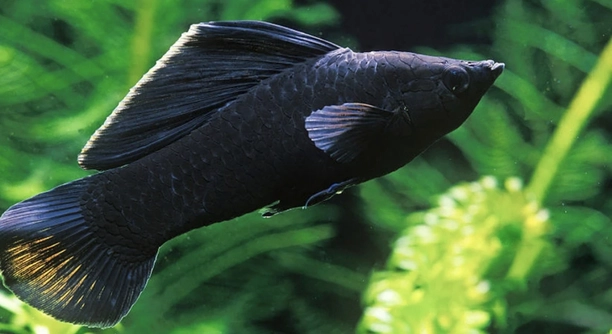
Do you love keeping black mollies but notice sudden bursts of aggression in your aquarium? These behaviors can make tank life stressful and challenging, affecting both your fish and the harmony of your aquatic environment.
Reducing black molly aggression requires careful management of their environment, diet, and social interactions. Providing adequate space, hiding spots, balanced nutrition, and compatible tank mates can significantly lower aggressive behavior and promote healthier, more stable community dynamics.
Managing aggression is easier when you understand key triggers and apply consistent care strategies to maintain a peaceful aquarium.
Provide Adequate Space
Black mollies need room to swim freely. A crowded tank increases stress and triggers aggression quickly. Each adult black molly requires at least 3 gallons of water, and adding more space reduces chasing and fin-nipping. Decorations and plants should be spread out to create territories where fish can retreat. Overcrowding often leads to dominance struggles, where one fish becomes overly aggressive toward others. By arranging the tank thoughtfully, you can reduce encounters that spark fights. Providing multiple hiding spots allows shy mollies to escape without confrontation. Regular monitoring of fish behavior helps you notice early signs of stress or bullying. Adjusting the number of fish or rearranging decorations can prevent prolonged aggression. Tank maintenance also matters, as clean water keeps the fish calmer. A larger, well-structured environment promotes natural swimming patterns and social interaction, keeping aggression at a manageable level while supporting overall health and vitality.
Proper space helps mollies stay calm and reduces aggressive interactions among tank mates.
Spacing and hiding spots are crucial. Plants, rocks, and decorations create areas for mollies to claim as territory. When fish have their own spaces, chasing decreases naturally. Maintaining this setup along with appropriate fish density ensures harmony, making your aquarium peaceful and stable. Regular observation and adjustments prevent conflicts before they escalate, keeping all mollies healthy and comfortable.
Maintain a Balanced Diet
Feeding mollies the right food is essential to reduce aggression. A poor diet can make them irritable or competitive at feeding time. Mollies thrive on a mix of high-quality flakes, frozen foods, and occasional vegetable matter. Balanced nutrition supports growth, color, and energy without encouraging aggressive behavior. Overfeeding can lead to water quality problems, which in turn stresses fish and increases hostility. Feeding small amounts multiple times a day keeps the fish satisfied and reduces competition. Live foods like brine shrimp or daphnia add variety and stimulate natural foraging behavior, keeping them mentally occupied. Ensuring all fish have access to food prevents dominant individuals from monopolizing meals. Using feeding rings or spreading food across the tank helps distribute meals evenly. A consistent feeding schedule also establishes routine, calming the fish and lowering aggression. By focusing on diet, you can minimize conflicts while promoting healthier, happier mollies.
Balanced nutrition lowers tension and prevents fights among black mollies.
A well-planned diet keeps aggression in check. Providing high-quality flakes, supplemented with frozen or live foods, ensures all mollies get proper nutrients. Including plant matter helps prevent irritability linked to hunger. Feeding small portions multiple times a day avoids competition and stress during mealtime. Proper nutrition not only reduces fights but also supports growth, coloration, and activity. Ensuring food is evenly distributed in the tank allows shy fish to eat without interference from dominant ones. Creating a feeding routine helps mollies feel secure, further minimizing aggressive behaviors. Overfeeding should be avoided because it can cause water quality issues, which indirectly trigger conflicts. By carefully managing diet and feeding practices, you can maintain a calmer, healthier aquarium where all mollies thrive.
Introduce Hiding Spots
Adding hiding spots reduces stress and aggression in black mollies. Plants, caves, and decorations give fish places to escape and feel safe, preventing constant chasing.
Hiding spots create a sense of security, allowing mollies to rest and recover from minor conflicts. Dense plant clusters or ornaments with tunnels provide multiple retreat options. Fish that feel cornered or exposed are more likely to attack others, so arranging hiding spaces throughout the tank helps distribute territorial claims. Varying the types of shelters, from floating plants to rock formations, encourages natural behavior while keeping aggressive tendencies lower. Observing where fish prefer to hide can guide adjustments to tank layout for maximum comfort. Over time, these retreats reduce stress-induced aggression and improve overall social harmony. Proper placement ensures that dominant fish do not control all hiding areas, giving timid fish equal access and promoting a balanced environment.
Strategic placement of decorations and plants can prevent most territorial disputes among mollies.
Multiple hiding options allow mollies to claim spaces without conflict. Rotating or rearranging shelters occasionally keeps the environment engaging. Shy fish benefit from areas to retreat, while dominant fish learn boundaries. By mixing plant types, rocks, and artificial caves, the tank feels more natural, and aggressive interactions drop.
Monitor Tankmates Carefully
Choosing compatible tankmates helps limit aggression. Black mollies should be kept with fish of similar size and temperament to avoid stress.
Aggression often increases when mollies share a tank with smaller or overly aggressive species. Introducing peaceful community fish reduces fighting, while avoiding fin-nippers prevents injuries. Observe interactions closely during the first few weeks, and separate fish if needed. Overcrowding or mismatched species can cause chronic stress, which escalates aggression even in well-fed mollies. Selecting tankmates that thrive in similar water conditions ensures everyone remains healthy. Mollies also respond better when surrounded by calm fish that don’t invade their territory or provoke them. Regular monitoring and timely intervention can prevent long-term conflicts, keeping the tank environment balanced and safe.
Careful selection and observation of tankmates directly impact the behavior of black mollies.
Keeping compatible species reduces constant conflict. Avoid aggressive or very small fish that may trigger attacks or bullying. Peaceful, similar-sized fish encourage social stability. Regular observation ensures issues are caught early, and problematic tankmates can be removed. By maintaining a calm and balanced community, aggression decreases, and all fish enjoy a healthier, less stressful environment.
Maintain Clean Water
Clean water is essential to keep black mollies calm. Dirty or poorly filtered tanks increase stress and trigger aggression.
Regular water changes and proper filtration reduce toxins that irritate fish. Monitoring water parameters like pH, ammonia, nitrites, and nitrates ensures a healthy environment. Clean water helps mollies feel secure and prevents fights.
Keep Consistent Lighting
Consistent lighting supports natural behavior. Sudden changes or too much light can make mollies restless and aggressive. A regular day-night cycle helps maintain calm and predictable activity patterns.
Separate Aggressive Individuals
Sometimes, separating the most aggressive fish is necessary. Removing a dominant molly temporarily reduces stress and prevents injuries among tank mates.
Monitor Breeding Behavior
Breeding can trigger aggression, especially among males. Keep an eye on pairs and consider separating males to prevent constant chasing or harassment of females.
FAQ
Why are my black mollies suddenly aggressive?
Aggression in black mollies can result from stress, overcrowding, poor water quality, or incompatible tankmates. Changes in environment, like rearranging decorations or adding new fish, can also trigger dominance behaviors. Addressing the cause promptly helps prevent injuries and maintains a peaceful aquarium.
How can I tell if aggression is serious?
Serious aggression usually involves constant chasing, fin-nipping, or injuries. If fish are hiding excessively, losing fins, or showing signs of stress like rapid breathing or clamped fins, intervention is needed. Minor squabbles are normal, but repeated attacks signal an unhealthy social dynamic.
Can diet influence aggression?
Yes, diet plays a significant role. Underfed or poorly fed mollies may become more competitive during mealtime, leading to fights. Providing high-quality flakes, frozen foods, and occasional vegetables in small, frequent feedings reduces food-related tension. Spread food throughout the tank to prevent dominant fish from controlling it.
Does tank size matter?
Tank size directly affects aggression. Crowded conditions increase stress and trigger territorial behavior. Each adult black molly should have at least 3 gallons of water. More space allows fish to establish personal territories, escape when needed, and reduces the chance of constant confrontations.
Are hiding spots important?
Absolutely. Plants, caves, and decorations give mollies safe retreats, which lowers stress and aggressive encounters. Multiple hiding options prevent one fish from controlling the tank and allow timid fish to rest. Rearranging hiding spots occasionally keeps the environment engaging and reduces repeated territorial disputes.
How do I choose compatible tankmates?
Select peaceful, similar-sized fish that thrive in the same water conditions. Avoid overly aggressive species or tiny fish that may be harassed. Monitor interactions closely during the first few weeks. If conflicts arise, separate incompatible individuals to prevent long-term stress and injuries.
Does lighting affect aggression?
Yes, consistent lighting reduces stress and helps mollies maintain predictable behavior patterns. Sudden changes in light or overly bright conditions can make fish restless and increase aggression. Maintaining a regular day-night cycle stabilizes activity and promotes calmer social interactions.
What should I do during breeding?
Breeding increases aggression, especially among males. Monitor pairs closely and consider separating aggressive males to protect females. Providing plenty of plants and hiding spots allows females to escape harassment. Keeping an eye on behavior prevents injuries during spawning periods and maintains a safer tank environment.
When should I consider separating fish permanently?
If a particular molly is persistently aggressive despite proper tank size, diet, hiding spots, and compatible tankmates, permanent separation may be necessary. Isolation or moving the aggressive fish to a different tank prevents stress and injuries to the rest of the community.
How often should I check water quality?
Regular monitoring is essential. Check ammonia, nitrites, nitrates, and pH at least once a week. Poor water quality increases stress, irritability, and aggression. Maintaining clean, stable conditions ensures mollies remain healthy and reduces the likelihood of conflict, keeping the aquarium peaceful.
Can rearranging decorations reduce aggression?
Yes, occasionally changing the layout disrupts established territories and reduces dominance disputes. Rearranging hiding spots and plants prevents fish from repeatedly targeting others and encourages exploration, which can lower aggressive behavior and improve social balance.
Are male mollies more aggressive than females?
Typically, males display higher aggression, especially during breeding or when establishing dominance. Females are generally calmer but may still defend territories. Observing interactions and separating overly aggressive males helps maintain harmony in mixed-sex tanks.
How long does it take for aggression to decrease?
Aggression decreases when stressors are addressed, such as improving space, water quality, diet, or tankmate selection. Changes can take days to weeks to stabilize behavior. Consistent care and observation ensure lasting improvement in social dynamics.
Can stress cause aggression even in a clean tank?
Yes, stress from new tankmates, environmental changes, or disease can increase aggression. Even with clean water and proper diet, mollies may fight if they feel threatened or overcrowded. Identifying stressors early is key to reducing conflicts and protecting fish health.
Is it normal for black mollies to establish dominance?
Some dominance is normal, especially among males. Minor chasing is expected but should not result in injuries. Ensuring adequate space, hiding spots, and compatible tankmates helps control dominance behaviors and keeps aggression at safe levels.
Can introducing more mollies reduce aggression?
Adding more mollies can sometimes spread aggression, making it less targeted. A larger group may balance social hierarchy, but overcrowding must be avoided. Careful planning of tank size and fish numbers ensures this approach works without increasing stress or fights.
How do I prevent future aggression?
Maintain proper tank size, clean water, balanced diet, and compatible tankmates. Provide hiding spots and consistent lighting. Monitor behavior, separate aggressive fish if needed, and adjust the environment as the community grows. Proactive management reduces stress and keeps your mollies peaceful and healthy.
Final Thoughts
Managing aggression in black mollies is about creating a balanced and comfortable environment. Providing enough space for each fish reduces stress and gives them room to establish territories without constant conflict. Overcrowding is one of the most common causes of aggression, so paying attention to the number of fish in your tank is essential. Plants, rocks, and decorations serve as hiding spots where fish can retreat when needed. These areas help timid mollies feel safe and prevent dominant fish from chasing or bullying them. Arranging the tank with multiple shelters and varying structures allows all fish to have access to safe spaces, which lowers overall tension and helps maintain a peaceful aquarium.
Diet also plays a key role in controlling aggression. Feeding high-quality flakes, frozen foods, and occasional vegetable matter in small, frequent portions ensures that all fish are satisfied. Spreading food across the tank prevents dominant individuals from monopolizing meals, reducing competition and fights. Proper nutrition supports the health and energy of your mollies, making them less likely to become irritable or stressed. Maintaining a consistent feeding schedule also helps mollies settle into predictable routines, further minimizing conflicts. Combined with clean water and regular maintenance, a balanced diet ensures that mollies are healthy, calm, and less prone to aggressive behavior.
Monitoring tankmates and behavior is equally important. Choosing peaceful, compatible species prevents stress and dominance struggles. Aggression often escalates when fish are paired with overly aggressive or much smaller tankmates. Regularly observing interactions allows you to spot early signs of stress or injuries and take action before conflicts become serious. In some cases, separating overly aggressive fish may be necessary to protect the rest of the community. Lighting, water quality, and breeding behaviors also influence aggression. Consistent lighting and clean, stable water conditions keep fish calm, while managing breeding and dominant males prevents unnecessary chasing or harassment. By paying attention to all these factors, you can create an aquarium where black mollies live harmoniously, showing natural behavior without constant aggression. A careful, consistent approach will result in a healthier, more peaceful tank environment for all your fish.

Hello,
If you enjoy the content that we create, please consider saying a "Thank You!" by leaving a tip.
Every little bit helps us continue crafting quality advice that supports the health, happiness, and well-being of pets around the world, for pets of all shapes, sizes, and species.
We really appreciate the kindness and support that you show us!