
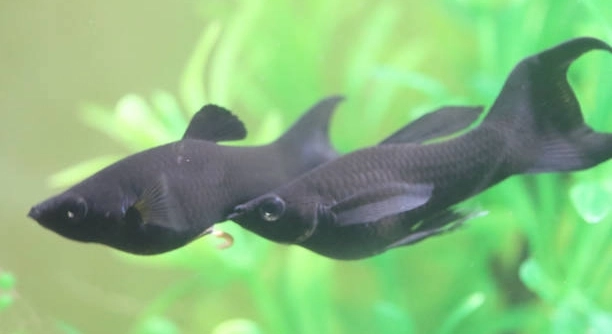
Breeding black mollies can be a rewarding experience for any aquarist, yet many face challenges ensuring the ideal environment. Proper attention to water quality, temperature, and tank setup can significantly impact the health and reproduction of these fish.
To improve breeding conditions for black mollies, maintain stable water temperature between 24–28°C, provide a well-planted tank with hiding spaces, ensure high-quality nutrition, monitor water parameters regularly, reduce stressors, use separate breeding tanks if necessary, and maintain consistent care routines.
Implementing these strategies can enhance the overall well-being of your black mollies. Attention to detail ensures they thrive and reproduce successfully in a supportive habitat.
Preparing the Tank for Breeding
A well-prepared tank is crucial for black molly breeding success. Start with a 20-gallon or larger tank to provide enough space for multiple fish. Include live plants such as Java moss or hornwort, which offer hiding spots for fry and reduce stress. Ensure the water is filtered but has a gentle current to avoid disturbing the fish. Regular water changes of 25–30% weekly help maintain water quality and reduce ammonia buildup. A sandy or fine gravel substrate is ideal, allowing mollies to swim freely and forage. Lighting should mimic a natural day-night cycle, roughly 10–12 hours per day, to regulate their biological rhythms. Avoid overcrowding, as it can increase aggression and stress, lowering breeding success. Keep a separate area or breeding box if needed to protect fry from adult fish, increasing survival rates. Observation is key; noticing changes in behavior helps adjust conditions promptly and effectively.
Proper tank preparation ensures a healthy environment. Consistent care reduces stress and encourages breeding behavior.
Setting up the tank carefully benefits both adult mollies and their offspring. Providing cover, space, and stable water parameters creates an environment where breeding occurs naturally, reducing intervention and supporting overall fish health.
Maintaining Optimal Water Conditions
Water quality directly affects black molly health and breeding outcomes. Stable pH around 7.0–8.0, temperature between 24–28°C, and moderate hardness are essential. Avoid sudden changes, as they can shock the fish and prevent spawning.
Monitoring parameters regularly allows early detection of issues. Frequent testing for ammonia, nitrites, and nitrates ensures a stable and safe environment.
Ammonia or nitrite spikes can harm adult mollies and fry. Using a reliable filtration system, combined with partial water changes, keeps the water clean. Dechlorinated tap water is suitable, but consistency in temperature and chemical levels is key. Black mollies thrive in slightly hard water with trace minerals that support reproduction. Adding natural elements like driftwood or leaf litter can stabilize pH and create a more natural habitat. Regularly cleaning the tank without disturbing the substrate reduces debris buildup. Maintaining steady water conditions minimizes stress, encourages mating, and improves fry survival. Temperature fluctuations should be avoided, and heaters or thermostats can provide stability. By consistently managing these factors, breeding success and fry development improve noticeably, allowing a sustainable black molly population within the tank.
Feeding for Breeding Success
High-quality nutrition encourages black mollies to spawn more reliably. Include a mix of flake food, frozen brine shrimp, and live foods to provide protein and essential vitamins. Avoid overfeeding, as leftover food can harm water quality and stress the fish.
Feeding a varied diet supports the fish’s reproductive system and overall health. Live foods like daphnia or bloodworms stimulate natural foraging behaviors and improve energy levels. Supplementing with vegetable matter, such as blanched spinach or spirulina, ensures they receive enough fiber and nutrients. Adult mollies require consistent feeding schedules, typically twice a day, to maintain health without overloading the tank with excess waste. Proper nutrition enhances egg quality and increases fry survival rates. Avoid sudden diet changes, as mollies can be sensitive, which may disrupt breeding behavior. Observing appetite and activity levels helps identify any deficiencies that may need adjustment.
Balanced feeding directly affects fry survival. Nutrient-rich diets strengthen adults and provide the energy needed for successful reproduction, creating healthier offspring.
Managing Stress and Social Environment
Black mollies breed more successfully in calm, low-stress environments. Reduce sudden movements, loud noises, and tank overcrowding to avoid triggering defensive behaviors. Provide plants and hiding spots to allow fish to retreat when needed.
Stress reduction requires attention to tank dynamics and interactions. Keep male-to-female ratios balanced, ideally one male for every two or three females, to prevent constant harassment. Introduce new fish gradually and avoid mixing aggressive or territorial species. Monitoring behavior ensures that dominant individuals do not intimidate others, as constant stress lowers fertility. Gentle water flow, moderate lighting, and consistent temperature help maintain a stable environment. Observing the fish daily allows early detection of illness or bullying. By maintaining predictable routines and minimizing disruptions, black mollies feel secure, which encourages natural mating behaviors.
A supportive social environment increases breeding frequency. Reducing stress through careful tank management and proper male-female ratios ensures healthier, more active fish and higher fry survival rates.
Using a Separate Breeding Tank
A separate breeding tank increases fry survival by protecting them from adult fish. Include gentle filtration, live plants, and hiding spaces. Maintain the same water conditions as the main tank to prevent stress. Transfer pregnant females carefully to avoid sudden changes.
Separating fry from adults reduces predation and improves growth rates. A smaller, controlled environment allows easier monitoring of water quality, feeding, and health. Including floating plants or spawning mops gives fry shelter and increases survival. Once fry are strong enough, they can be gradually introduced back to the main tank, ensuring smooth adaptation without conflict or stress.
Monitoring Pregnancy
Black mollies are livebearers, and observing physical changes in females helps track pregnancy. Look for a rounded belly and dark gravid spot near the anal fin.
Regular observation prevents surprises and ensures timely transfer to a breeding tank.
Caring for Fry
Feed fry finely crushed flakes or specialized fry food multiple times daily. Maintain clean water to support rapid growth and reduce disease risks.
FAQ
How often should I feed black molly fry?
Feed fry small portions three to four times a day. Use finely crushed flakes or specialized fry food. Overfeeding can pollute the water, so provide only what they can consume in a few minutes. Frequent, small feedings support healthy growth and reduce stress.
How long does a black molly pregnancy last?
Pregnancy usually lasts 4 to 6 weeks. Females may show a dark gravid spot and a rounded belly as signs of nearing birth. Monitor their behavior and appearance closely to prepare for transferring them to a breeding tank if necessary.
Can adult mollies stay in the breeding tank with fry?
It’s best to separate fry from adults. Adult mollies may eat the fry, reducing survival rates. A separate breeding tank or breeding box ensures fry have a safe space to grow without risk of predation.
What is the ideal water temperature for breeding?
Maintain a stable temperature between 24–28°C. Sudden fluctuations can stress fish and prevent spawning. Using a heater or thermostat ensures consistent warmth, which encourages mating behavior and supports embryo development.
How important are plants for breeding black mollies?
Plants provide shelter and hiding spots for both adults and fry. Floating plants, Java moss, and hornwort help reduce stress, protect fry from adults, and create a more natural environment that encourages breeding activity.
What should I do if the water parameters fluctuate?
Regular testing and maintenance are crucial. If parameters shift, perform partial water changes and adjust filtration. Avoid sudden corrections, as abrupt changes can shock the fish. Consistency in pH, hardness, and temperature improves health and breeding success.
How can I tell if a female is ready to give birth?
A visibly swollen belly and a dark gravid spot near the anal fin indicate readiness. Behavior may change, with females seeking plants or corners for protection before giving birth. Preparing a separate breeding area at this stage is important.
Is diet really that important for breeding?
Yes. A balanced diet of protein, vegetables, and occasional live food strengthens the reproductive system. High-quality nutrition improves egg quality, increases fertility, and supports the health of both adults and fry.
Can black mollies breed in a community tank?
Breeding is possible, but survival of fry is lower in community tanks due to predation. If keeping them in a mixed tank, providing dense plants and hiding areas increases fry survival, though separating them is still the most reliable method.
How do I care for fry after birth?
Feed fry small, frequent meals with crushed flakes or specialized fry food. Keep water clean through gentle filtration and regular changes. Provide hiding spots and avoid overcrowding to ensure healthy growth and reduce stress.
How do I prevent aggression during breeding?
Maintain a proper male-to-female ratio, ideally one male for every two or three females. Ensure plenty of plants and hiding spots. Reducing overcrowding and monitoring behavior prevents excessive harassment and stress, improving breeding outcomes.
Can black mollies breed year-round?
With stable conditions, they can reproduce throughout the year. Consistent temperature, proper nutrition, and stress-free environments support continuous breeding cycles. However, adjusting water quality and monitoring health is still essential to prevent complications.
What is the best way to introduce new adults to a breeding tank?
Acclimate new fish slowly to avoid stress. Float the bag in the tank, gradually mix water, and monitor for aggression. Introducing fish carefully reduces territorial disputes and maintains a healthy environment for breeding.
How fast do fry grow?
Growth depends on diet, water quality, and temperature. Under optimal conditions, fry develop quickly and reach juvenile size within a few weeks. Consistent care and proper nutrition accelerate growth while keeping fish healthy.
Can I use artificial plants instead of live plants?
Artificial plants can provide hiding spaces, but they do not offer the same water quality benefits as live plants. Live plants help stabilize pH, reduce nitrates, and offer a more natural environment that encourages breeding.
How do I handle water changes without stressing fry?
Perform partial changes slowly, ideally 20–25% at a time. Use dechlorinated water at the same temperature as the tank to avoid shocking fry. Gradual adjustments maintain water quality while keeping fish safe and healthy.
How often should I check water parameters?
Test water at least once a week for pH, hardness, ammonia, nitrites, and nitrates. Frequent checks allow early detection of problems, ensuring adults and fry remain healthy and breeding continues successfully.
What are common signs of stress in black mollies?
Stress may show as hiding, reduced appetite, rapid gill movement, or erratic swimming. Monitoring behavior closely helps address issues like water quality, overcrowding, or temperature fluctuations promptly, protecting breeding success.
Can I breed black mollies with other molly types?
Breeding different molly types is possible, but hybrids may result. Purebred traits may be lost over generations. Careful selection is important if maintaining a specific coloration or lineage is desired.
How long should fry stay in the breeding tank?
Keep fry in a protected environment until they are strong enough to avoid adult aggression, usually 6–8 weeks. Gradual acclimation to the main tank ensures safety and reduces stress during integration.
Breeding black mollies can feel challenging at first, but with careful planning and attention, it becomes manageable and rewarding. Maintaining proper water conditions is one of the most important factors for successful breeding. Stable temperature, pH, and hardness create an environment where fish feel safe and healthy. Regular monitoring of ammonia, nitrite, and nitrate levels ensures that water quality remains consistent. Stress from fluctuating water parameters can prevent mating or harm fry, so gradual adjustments are essential. A well-prepared tank with sufficient space, gentle filtration, and live plants not only provides hiding spots but also helps replicate a natural environment. This reduces stress and encourages natural behavior, increasing the likelihood of successful spawning and healthy offspring.
Nutrition plays a central role in breeding black mollies. Adult mollies require a balanced diet with protein, vegetables, and occasional live foods to maintain energy and reproductive health. Feeding a variety of foods, such as flakes, frozen brine shrimp, daphnia, and blanched vegetables, ensures they receive all essential nutrients. Healthy, well-fed adults produce higher-quality eggs and have better chances of successful pregnancies. Fry benefit from finely crushed flake food or specialized fry food, fed multiple times daily, to support steady growth and development. Consistency in feeding schedules, combined with careful attention to water quality, creates a supportive environment for both adults and their offspring. Observing feeding behavior and adjusting portions prevents overfeeding, which can cause water pollution and stress.
Managing social dynamics and stress is equally critical. Black mollies thrive in calm, predictable environments with a proper male-to-female ratio, ideally one male for every two or three females. Overcrowding or aggressive interactions can prevent spawning and harm fry. Providing hiding spaces and plants helps reduce tension and gives fish areas to retreat. Separating pregnant females and fry from adult fish further increases survival rates by reducing predation. By monitoring behavior and maintaining a stable, stress-free environment, breeding becomes more reliable. Paying attention to these factors ensures that black mollies remain healthy, reproduce successfully, and that their fry grow strong. With careful care, proper feeding, and attention to water quality, breeding black mollies can become a manageable and rewarding part of aquarium keeping.

Hello,
If you enjoy the content that we create, please consider saying a "Thank You!" by leaving a tip.
Every little bit helps us continue crafting quality advice that supports the health, happiness, and well-being of pets around the world, for pets of all shapes, sizes, and species.
We really appreciate the kindness and support that you show us!