
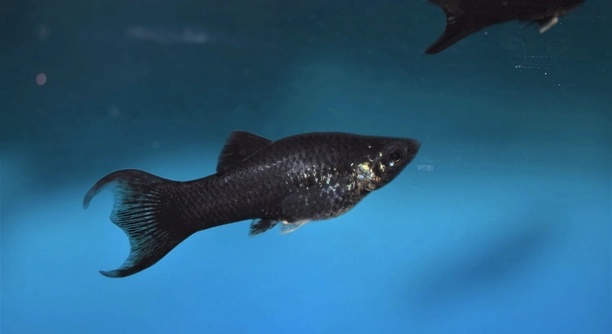
Have you ever noticed how a quiet aquarium can feel even calmer when a single black molly swims around on its own, creating a rhythm that sets the tone for a peaceful moment at home.
Black mollies can experience stress in isolation, particularly when deprived of social interaction and environmental stimulation. Their well being depends on stable conditions, adequate space, and opportunities for natural behavior, making social environments important for maintaining balanced health in aquariums.
Understanding how isolation affects your black molly can guide you toward creating a habitat that supports comfort, security, and activity.
Understanding Social Behavior
Black mollies rely on steady interaction with their surroundings, so understanding how they respond to isolation can help you support their comfort. When they live alone for long periods, they may become less active and show subtle signs of stress that develop quietly. Creating an enriched tank helps reduce those shifts by giving them places to explore, spaces to hide, and calm water movement that keeps them engaged. Stable lighting and consistent feeding times also contribute to a balanced environment that feels predictable. As you observe their patterns each day, you may notice small details that reveal how comfortable they feel. These details include gentle swimming, regular eating habits, and a steady pace that signals they are adapting well. By maintaining these conditions, you give your black molly the support needed to feel secure even when not surrounded by other fish, helping create a peaceful setting that encourages natural behavior.
A single black molly can adapt when kept alone, but it depends heavily on a stable tank that supports regular movement and calm routines. Providing plants, gentle filtration, and steady care helps reduce stress and keeps behavior steady, allowing the fish to remain active without slipping into sluggish habits daily.
Watching how your black molly behaves throughout the day can help you understand whether isolation is affecting its comfort. Small shifts in activity, appetite, or swimming patterns often reveal early changes that deserve attention. You can support stable behavior by keeping the tank clean, offering consistent feeding, and maintaining gentle water flow. These steps create a steady atmosphere that makes the fish feel safe. When the environment supports calm behavior, your molly is more likely to remain active and responsive. A predictable routine also helps reduce unnecessary stress, giving your fish a peaceful setting that encourages healthy habits each day.
Environmental Needs
Black mollies depend on a well structured tank that keeps them comfortable even when they live without other fish. Clean water, steady temperatures, and calm surroundings help protect their behavior from shifting, allowing them to remain relaxed and active throughout daily routines, providing steady support for their long term comfort.
A stable habitat shapes how a black molly adapts when living without companions, and each detail in the tank influences its comfort. When the water quality stays consistent, the fish experiences fewer disruptions that could raise stress. Clean filtration, regular water changes, and careful monitoring help maintain steady conditions that protect overall health. Plants and decorations add shelter, giving the molly spaces to explore and settle when it needs quiet. These spaces help reduce tension by providing structure and gentle stimulation. Lighting should stay predictable, since sudden shifts can disrupt behavior and create unnecessary stress. Feeding on a consistent schedule gives the fish a sense of stability, supporting healthy appetite and natural patterns. Calm water movement also contributes to comfort, preventing strong currents that could overwhelm a solitary fish. When the environment supports physical and behavioral needs, the black molly is more likely to remain active, balanced, and responsive. Thoughtful care ensures the fish adjusts with ease, creating a peaceful space that nurtures its daily habits and overall well being. Providing gentle enrichment through varied plant textures and soft hiding spots encourages exploration while preventing boredom, allowing the fish to maintain activity and emotional stability even in a quiet tank.
Behavioral Changes in Isolation
Black mollies can show small shifts in behavior when kept alone, and these changes often appear gradually. Reduced activity, softer movements, and slower feeding patterns can signal discomfort, making it important to watch these details closely in a quiet tank each day.
When a black molly begins to feel unsettled in isolation, the effects can surface through subtle but consistent adjustments in its routine. It may wander less, hover near one area, or explore with less confidence. These changes can grow stronger if the tank lacks structure or steady care. By paying attention to swimming patterns and feeding responses, you can catch these signals early and support the fish before stress deepens. Monitoring the tank environment helps you control factors that might influence these behaviors. Lighting, water movement, and tank layout all play a role in how secure your molly feels throughout the day.
A solitary black molly may also develop patterns tied to boredom, such as repetitive swimming or lingering near surfaces. These movements can be signs that the fish is seeking stimulation or stability. Adding gentle enrichment, like soft plants or shaded areas, brings comfort and variety to the environment. Keeping water quality consistent helps prevent stress from building, while calm surroundings support natural activity. Reliable feeding routines and predictable lighting also encourage stable behavior. Each detail works together to create a space where your molly can remain comfortable even when alone, allowing it to settle into healthy rhythms that support long term balance.
Supporting Long Term Comfort
Providing a stable environment helps a solitary black molly maintain healthy behavior over extended periods. Consistent care allows the fish to adapt without stress, and simple adjustments in the tank can create a safer and more engaging space that supports emotional balance and steady patterns each day.
Long term comfort depends heavily on how well the tank environment meets the fish’s physical and behavioral needs. Clean water prevents stress buildup, while gentle filtration keeps the current manageable for calm swimming. Plants help shape secure hiding spots that reduce tension and encourage exploration. Decorations placed thoughtfully can guide the molly through natural movement patterns without overwhelming its space. Feeding at consistent times supports predictable routines that benefit solitary fish. Lighting should remain steady, avoiding sudden brightness changes that may startle the molly. Regular observation helps you identify shifts early, allowing you to adjust care before discomfort grows. Creating a peaceful tank helps your molly stay active, responsive, and emotionally stable over time.
Recognizing Stress Signals
Black mollies can show stress through slow movements, lowered appetite, or frequent hiding. These signs often appear gently but should be taken seriously, especially when the fish lives alone and relies on a stable environment to feel secure each day.
Changes in color can also signal discomfort, and the fish may lose some of its natural brightness. Watching these details helps you act early by adjusting the tank to support comfort. A calm and balanced setup makes it easier for your molly to regain steady behavior.
Creating a Balanced Environment
A balanced environment supports the well being of a solitary black molly by giving it a predictable space filled with gentle stimulation and steady care. Clean water helps prevent stress from building, while stable temperatures support consistent activity. Plants and hiding spots add structure that encourages comfort without overwhelming the fish. Soft lighting reduces tension, and a quiet setting promotes natural movement. Feeding routines should remain steady to create a sense of rhythm. Each detail works together to shape an environment where the molly can relax, explore, and maintain healthy behavior even without other fish present.
Monitoring Daily Patterns
Observing your black molly each day helps you notice changes early, allowing you to adjust care before stress becomes stronger. Simple routines make it easier to understand what feels normal for your fish, creating a steady foundation for long term comfort.
Can black mollies get lonely if kept alone?
Black mollies do not experience loneliness in the same way humans do, but they are social fish by nature. When kept alone for long periods, they may show subtle signs of stress, reduced activity, or changes in eating patterns. These shifts are often linked to a lack of stimulation or interaction rather than emotional loneliness. Providing plants, hiding spaces, and gentle water movement can help a solitary molly stay active and comfortable. Maintaining stable water quality, temperature, and feeding schedules also reduces stress, giving the fish a sense of routine. Regular observation allows you to notice early signs of discomfort and respond with environmental adjustments that support natural behavior and overall well being.
How can I tell if my black molly is stressed in isolation?
Signs of stress in a black molly include slower swimming, frequent hiding, loss of appetite, and dulling of color. The fish may linger near the surface or corners of the tank more than usual, avoiding normal exploration. Repetitive or erratic movements are another indication that the fish is seeking stimulation or comfort. Stress can increase susceptibility to illness, so early detection is important. Consistent care, a clean tank, and gentle environmental enrichment can reduce these behaviors. Observing patterns daily helps differentiate temporary shifts from ongoing stress, allowing you to take timely action to maintain the fish’s comfort and health.
What can I do to prevent stress in a solitary black molly?
Maintaining a stable environment is the most effective way to prevent stress. Clean water, proper filtration, and steady temperature control are essential. Soft lighting and predictable feeding schedules create a sense of routine. Adding live or artificial plants and decorative hiding spots provides safe spaces for the fish to explore and retreat when needed. Gentle water movement ensures comfort while preventing stagnation. Rotating small environmental changes, like adjusting plants or adding soft decor, can give mental stimulation without causing anxiety. Monitoring the fish’s behavior daily allows you to respond to any early signs of discomfort before they escalate, supporting long term health.
Can black mollies thrive alone long term?
Yes, black mollies can thrive alone if their environmental and behavioral needs are met. Social interaction with other fish is beneficial, but a solitary molly can maintain normal activity and health when the tank provides structure, stimulation, and stability. Plants, hiding spaces, calm currents, and predictable feeding schedules all contribute to long term comfort. Daily observation helps track behavior and detect stress signals early. With proper care, a solitary molly can remain active, responsive, and emotionally stable, adjusting well to its environment without the presence of other fish. Maintaining consistent routines and a clean, enriched tank supports ongoing well being.
Should I add other fish to keep my black molly company?
Adding other compatible fish can provide natural social interaction, which may help maintain activity and reduce subtle stress indicators. However, introducing new fish requires careful planning. Ensure the tank size is sufficient, water parameters match the needs of all species, and there is enough space for hiding spots to prevent aggression. Some black mollies adapt well to small groups, while others prefer a solitary setup with enrichment. Observing behavior after introducing new fish is critical. If aggression or stress appears, adjustments or temporary separation may be necessary to protect comfort and health.
Do black mollies need special enrichment when alone?
Yes, enrichment supports mental and physical health in solitary black mollies. Adding plants, smooth rocks, or gentle currents encourages exploration and activity. Hiding spots reduce stress, allowing the fish to feel secure when resting. Rotating decor or adding subtle changes provides stimulation without causing disruption. Consistent routines in feeding, lighting, and water maintenance help create a stable environment. These steps allow a black molly to remain active, healthy, and comfortable even without companions, supporting long term balance in behavior and overall well being.
How often should I monitor a solitary black molly?
Daily observation is recommended to ensure the fish remains healthy and comfortable. Watch for changes in swimming patterns, appetite, and coloration. Noting small shifts early allows for timely adjustments in water quality, tank setup, or feeding routines. Monitoring helps maintain a predictable and supportive environment, preventing stress from escalating. Regular attention strengthens your understanding of what is normal behavior for the fish, making it easier to maintain a stable and safe habitat over time. This routine ensures long term comfort and encourages natural activity in a solitary molly.
Can isolation affect a black molly’s health?
Isolation itself does not directly cause illness, but prolonged lack of stimulation and environmental stress can weaken the immune system. Reduced activity or irregular feeding may lead to slower growth or vulnerability to disease. Providing enrichment, stable water quality, and consistent care reduces these risks. Observing behavior daily allows you to detect early signs of stress that may affect health. Maintaining a predictable and enriched environment supports physical well being, allowing the fish to remain active and resilient over the long term even in a solitary setup.
Is it necessary to add live plants for a solitary black molly?
Live plants are beneficial but not strictly necessary if alternative enrichment is provided. They create natural hiding spots, promote gentle exploration, and improve water quality. If live plants are not feasible, artificial plants or decorations can offer similar security and stimulation. The key is to maintain structure, reduce stress, and support active behavior. Regular adjustments to tank layout, combined with steady feeding and care, allow a solitary molly to thrive in a comfortable and balanced environment.
How do I know if my black molly prefers company or solitude?
Behavior is the best indicator. If a black molly remains active, explores its tank, and eats consistently while alone, it is likely comfortable in solitude. Signs of preference for company include consistent lethargy, repeated hiding, or searching behavior near tank boundaries. Observing daily patterns helps determine whether additional fish or environmental enrichment is needed to maintain comfort. By responding to these cues, you can create a supportive environment that aligns with your molly’s natural behavior and needs.
Word count: 511
Black mollies are social by nature, but they can adapt to living alone if their environment meets their needs. Isolation does not automatically cause loneliness in these fish, but it can lead to subtle stress if the tank lacks structure or stimulation. A solitary black molly may show small changes in behavior, such as slower swimming, hiding more often, or reduced appetite. These changes are often gradual, so careful observation is important. By providing a stable and predictable environment, you can help your molly feel secure even without companions. Consistent feeding schedules, clean water, and steady temperatures all contribute to a sense of routine that supports healthy behavior. Plants, decorations, and gentle water movement offer stimulation and exploration opportunities, which help prevent boredom or restlessness. Maintaining these conditions allows a solitary black molly to remain active, balanced, and comfortable over time.
Environmental stability is one of the most important factors in supporting a black molly in isolation. Sudden changes in water temperature, lighting, or tank layout can trigger stress, so careful management is essential. Observing the fish’s daily behavior helps identify subtle signs of discomfort early, allowing adjustments before the fish’s well being is affected. Stress indicators can include changes in color, slower feeding, or repetitive movements. Providing safe hiding spots and areas to explore encourages natural behavior and gives the fish control over its surroundings. Gentle enrichment, such as smooth rocks or soft plants, adds interest without causing anxiety. By combining structure with stimulation, you create a tank that supports both physical and mental health. Over time, a well managed environment allows a solitary molly to settle into predictable routines, maintain healthy activity levels, and respond positively to care.
A solitary black molly can thrive if attention is given to its physical and behavioral needs. Even without other fish, it is possible to create a comfortable, balanced habitat that encourages activity and reduces stress. Daily observation, consistent care, and thoughtful enrichment are key components in maintaining long term well being. The fish’s responses to its environment provide valuable guidance for adjustments, helping ensure comfort and stability. By focusing on predictable routines, gentle stimulation, and secure spaces, a solitary black molly can live a healthy and engaged life. While these fish naturally enjoy social interactions, providing the right conditions allows them to adapt and flourish alone. Careful attention and consistency make it possible for your black molly to remain active, healthy, and emotionally balanced, creating a peaceful environment that supports long term success.
Word count: 406

Hello,
If you enjoy the content that we create, please consider saying a "Thank You!" by leaving a tip.
Every little bit helps us continue crafting quality advice that supports the health, happiness, and well-being of pets around the world, for pets of all shapes, sizes, and species.
We really appreciate the kindness and support that you show us!