
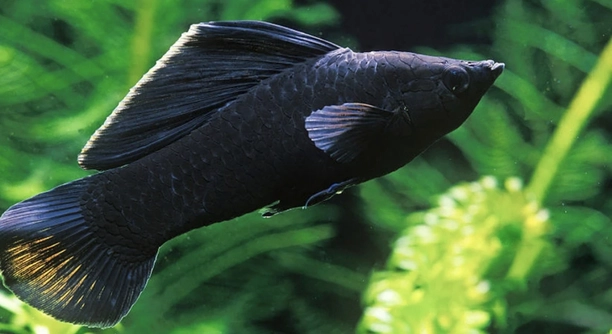
Have you ever noticed your Black Molly swimming close to the tank’s surface and wondered if it might leap out? These small, lively fish often explore every corner, making them a charming, active addition to any home aquarium.
Black Mollies are capable of jumping out of the tank, especially when startled or exploring their environment. Proper tank coverage, such as a secure lid, is essential to prevent accidental escapes and ensure their safety.
Learning about their behavior and tank needs can help you protect your fish while keeping them happy and healthy in your home aquarium.
Why Black Mollies Jump
Black Mollies are naturally curious and energetic fish. In smaller tanks or when the water conditions change suddenly, they may leap to explore new spaces. Sudden noises or movements near the tank can also trigger this behavior. Stress plays a role too—overcrowding, aggressive tankmates, or poor water quality may make them more likely to jump. Even healthy, well-fed Mollies sometimes jump out, simply acting on instinct. Observing their patterns can help you understand when and why these jumps happen. Providing hiding spots, plants, or floating decorations can reduce stress and give them places to explore safely. Some owners notice that Black Mollies jump more during feeding or when lights turn on. These actions may simulate natural conditions in shallow waters where they live in the wild. Keeping the tank secure, stable, and stimulating is essential to prevent accidental escapes and ensure their well-being.
Jumping is a natural behavior for Black Mollies, often linked to exploration, stress, or sudden environmental changes.
A secure lid is the simplest way to keep your Mollies safe. Watching their daily habits also helps anticipate when they might attempt to jump. Tank setup, including water quality and decorations, plays a key role.
How to Prevent Tank Escapes
Using a fitted lid is the most effective method to prevent jumps.
Proper tank maintenance significantly reduces jumping incidents. Water should be clean, filtered, and at a stable temperature, as sudden changes can stress Mollies. Overcrowding increases tension, so keeping an appropriate number of fish is essential. Floating plants or structures offer hiding spots, which keep them engaged and less likely to leap. Avoid sudden movements or loud noises around the tank, as these can trigger reflexive jumps. Feeding should be consistent, and leftover food removed to maintain water quality. Observing behavior helps you detect early signs of stress, such as rapid swimming or erratic movements. Some owners use a mesh screen beneath the lid to add extra safety while maintaining airflow. A balanced diet also supports health, reducing restlessness that leads to jumping. Regular monitoring and small adjustments in tank setup make a big difference in keeping Black Mollies safe and secure.
Common Triggers for Jumping
Sudden movements, loud noises, or tapping on the tank often startle Black Mollies. Changes in water temperature or chemistry can also make them restless and more likely to leap, especially in shallow tanks or crowded environments.
Stress is a major factor in jumping behavior. Overcrowded tanks, aggressive tankmates, or poor water conditions make Mollies feel unsafe. Even minor fluctuations in temperature or pH can trigger reflexive jumps. Feeding time can also excite them, especially if they see surface movement. Some Mollies may jump simply because the tank lacks enrichment, leaving them restless. Observing their routine and environmental conditions helps identify these triggers and take preventive measures.
Proper care reduces the chances of jumping. Providing stable water conditions, enough space, and hiding areas keeps them calmer. Floating plants and gentle currents give them safe ways to explore. A secure lid complements these steps, creating a stable environment where jumping is minimized.
Tank Setup Tips
Tank size, decorations, and water stability all influence jumping behavior.
A larger tank gives Black Mollies room to swim without feeling cramped, which lowers stress levels. Plants and decorations provide hiding spots and mental stimulation. Maintaining stable water temperature, pH, and clean conditions prevents sudden shocks that can provoke jumping. Smooth filtration and gentle water flow reduce stress while keeping oxygen levels high. Feeding should be regular but controlled, removing uneaten food promptly to prevent water quality issues. Observing their behavior daily helps spot early signs of agitation or restlessness, allowing small adjustments before jumps happen. Using a fitted lid with mesh allows air circulation while keeping them contained, creating a safer environment. Consistent monitoring and care are key to minimizing risky behavior.
Signs Your Black Molly Might Jump
Restless swimming near the water surface or sudden darting movements are common signs. Mollies may also bump against tank walls or linger at openings, indicating they might attempt to jump if given the chance.
Frequent chasing or rapid swimming around tank decorations can also signal agitation. Changes in behavior often reflect stress or environmental discomfort.
Feeding and Jumping Behavior
Black Mollies can become very active during feeding. They often leap at floating food, especially if the surface is disturbed. Fast movements or excitement around feeding times increase the risk of jumping. Offering smaller, controlled portions helps reduce sudden bursts of activity, keeping them safer in the tank.
Water Conditions and Jumping
Stable water temperature and pH levels are critical. Sudden changes can startle Black Mollies, prompting them to jump.
Choosing the Right Tank Lid
A secure lid with minimal gaps is essential. This prevents escapes while allowing proper air circulation and light for the fish.
FAQ
Can Black Mollies survive if they jump out of the tank?
Black Mollies cannot survive long out of water. Their gills need water to extract oxygen, and being on a dry surface causes rapid stress and suffocation. If one jumps out, it is critical to return it to the tank immediately, as even a few minutes can be dangerous. Accidents happen, but prevention is always better than emergency action.
How high can a Black Molly jump?
Black Mollies are not extreme jumpers, but they can leap several inches above the water surface. This is usually enough to clear shallow tank edges if no lid is in place. Their small size allows quick bursts, so even a standard aquarium rim is not always a barrier.
Why do they jump during feeding?
Jumping during feeding is linked to excitement and instinctive surface feeding behavior. Mollies detect movement at the water surface and react quickly to snatch food. Large food pieces or abrupt splashes can trigger a stronger reaction, causing them to leap out unintentionally.
Does tank size affect jumping?
Yes, smaller tanks can increase jumping behavior. Limited space may stress the fish or make them feel trapped, prompting them to explore the surface or attempt to leave. Larger tanks give more room for swimming and reduce the urge to jump. Decorations and hiding spots also help keep them engaged.
Can other fish trigger jumping?
Aggressive tankmates or sudden movements from other fish can startle Black Mollies. Even playful chasing or competition for food may cause them to leap. Observing interactions and maintaining compatible species can reduce this risk significantly.
Is water quality a factor?
Poor water quality is a major contributor to jumping. High ammonia, nitrite, or nitrate levels irritate the fish, leading to restless swimming or attempts to escape. Consistent monitoring, partial water changes, and filtration maintenance are key to keeping Mollies calm and healthy.
Will a floating lid work?
A floating lid can work if it is secure and covers all gaps. It allows light and air but prevents fish from escaping. Some owners use mesh covers beneath a hard lid for extra security while ensuring proper oxygen exchange.
Do Black Mollies jump at night?
It is less common but possible if the tank light or vibrations startle them. Some Mollies are more active during low light conditions. Ensuring the tank is covered and minimizing disturbances at night helps prevent accidents.
Can jumping cause injuries?
Yes, jumping can lead to physical injuries like bruising, scale damage, or hitting hard surfaces outside the tank. Even minor injuries increase stress and the risk of infections, making prevention crucial.
Are young Mollies more likely to jump?
Younger, more energetic fish tend to jump more often. Their exploratory behavior and quick reactions increase the chance of leaping, so monitoring juveniles closely and maintaining secure lids is particularly important.
How do I train them to stop jumping?
You cannot train fish like you would pets, but creating a secure and stimulating environment reduces jumping. Proper tank size, plants, hiding spots, and stable conditions make them feel safe, minimizing sudden leaps. Consistency in care is more effective than trying to “train” the fish.
Does diet influence jumping?
Yes, overfeeding or irregular feeding can increase activity and excitement, sometimes resulting in jumps. Small, frequent meals help control bursts of energy and keep them safely within the tank.
Can sudden light changes make them jump?
Yes, abrupt changes in light intensity can startle Black Mollies. They may react by leaping toward calmer areas. Gradual lighting transitions or using dimmers can reduce this reaction.
How often should I check the water to prevent jumping?
Daily observation is ideal. Checking temperature, clarity, and general behavior helps detect stress early. Regular weekly tests for pH, ammonia, nitrite, and nitrate levels maintain a stable environment and prevent jumps caused by poor water conditions.
Are certain Mollies more prone to jumping?
Individual temperament varies. Some are naturally more active or nervous and may jump more frequently. Observing each fish helps identify which ones need extra attention or environmental adjustments to minimize risks.
Can plants stop jumping?
Yes, floating or tall plants give them hiding spots and mental stimulation, reducing the likelihood of leaping. Dense plant areas make the tank feel safer and encourage calm swimming near the water surface instead of sudden jumps.
What should I do if my Black Molly jumps and escapes?
Immediately return it to water, handling it gently to avoid injury. Check for injuries, and monitor for stress or infection. Adjust tank setup, lid security, and environmental factors to prevent future escapes. Quick action can make the difference between life and death.
Does temperature fluctuation cause jumping?
Yes, sudden drops or spikes in water temperature can startle Mollies. They may jump in an instinctive attempt to escape perceived danger. Keeping the tank heated consistently and using reliable heaters prevents temperature-related jumps.
How do I reduce overall jumping?
The best approach combines multiple factors: a secure lid, stable water conditions, adequate tank size, enrichment like plants and decorations, compatible tankmates, and consistent feeding routines. Observing behavior daily and responding quickly to stress cues helps maintain a calm environment for Black Mollies.
Can jumping indicate illness?
Occasionally, frequent or erratic jumping may signal underlying health issues. Parasites, infections, or discomfort from fin rot or injuries can make fish restless. Regular health checks and treatment when necessary reduce jumping caused by illness.
Is it normal for them to jump occasionally?
Yes, occasional jumps are part of natural behavior, especially during feeding or exploration. It becomes concerning only if frequent or paired with stress indicators. Proper tank management reduces unnecessary risk while allowing them to swim and explore safely.
Do Black Mollies need special care to prevent jumping in community tanks?
Community tanks require attention to species compatibility, space, and behavior. Aggressive or fast-moving tankmates can increase jumping risks. Providing hiding spots, observing interactions, and maintaining stable water conditions ensures all fish remain safe and reduces impulsive jumps.
Black Mollies are lively and curious fish that bring a lot of activity to any aquarium. Their tendency to explore the tank and react to changes in their environment is a normal part of their behavior. Jumping is one of the ways they respond to stress, excitement, or sudden disturbances. While it can be alarming for an owner to see a fish leap out of the tank, it is important to understand that this behavior is instinctive rather than a sign of misbehavior. Observing your Mollies’ daily activities can give you insight into when they might attempt to jump and why. Patterns such as darting near the surface, chasing other fish, or reacting quickly to movement around the tank are all signs that your fish might be preparing to leap. Paying attention to these behaviors allows you to make simple adjustments to prevent accidents and keep your fish safe.
A key part of preventing jumping is creating a stable and stimulating environment for Black Mollies. Tank size plays a significant role, as cramped spaces can increase stress and lead to more frequent attempts to escape. Adding plants, decorations, and floating objects gives them safe areas to explore and hide, reducing restlessness. Maintaining water quality is also essential. Sudden changes in temperature, pH, or overall cleanliness can provoke jumping as the fish react to an uncomfortable environment. Regular water testing, partial water changes, and proper filtration help maintain stability and calm behavior. Feeding routines are another important factor. Overfeeding or inconsistent feeding times can excite the fish and trigger jumps, especially if food is dropped quickly or in large amounts. Offering smaller, frequent portions keeps them engaged without causing bursts of energy that might lead to accidents.
A secure lid is the simplest and most effective way to prevent Black Mollies from escaping. Even with the best tank conditions, these fish are capable of jumping and will take advantage of any open space. A fitted cover ensures they remain safe while still allowing proper airflow and light penetration. It is also important to observe individual fish, as some may be more active or nervous than others, requiring extra attention. Overall, reducing jumping involves a combination of factors: secure containment, stable water conditions, an appropriately sized tank, mental stimulation through plants and decorations, consistent feeding, and monitoring behavior regularly. By paying attention to these areas, you can minimize the risk of your Black Mollies leaping out of the tank, keeping them healthy, calm, and secure in their home environment. Proper care and observation make a significant difference in ensuring your fish thrive safely.

Hello,
If you enjoy the content that we create, please consider saying a "Thank You!" by leaving a tip.
Every little bit helps us continue crafting quality advice that supports the health, happiness, and well-being of pets around the world, for pets of all shapes, sizes, and species.
We really appreciate the kindness and support that you show us!