
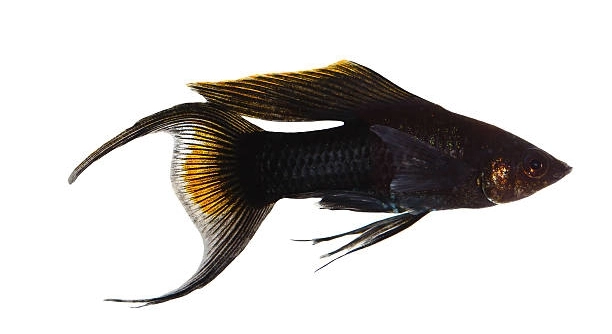
Are your Black Mollies swimming alone or with just a couple of companions in the tank? Many fish owners underestimate how social these small, peaceful fish truly are, often keeping them in groups that are too small.
Black Mollies thrive in groups because they are naturally social fish. Insufficient group sizes can lead to stress, reduced activity, and unusual behaviors. Ensuring a larger, well-balanced group supports their social needs and promotes overall health and vitality.
Maintaining the right group size is essential for your Black Mollies’ well-being, and understanding the signs can help you make informed adjustments. Their happiness and active behavior depend on proper social environments in the tank.
Signs of Stress in Small Groups
When Black Mollies are kept in groups that are too small, stress becomes immediately noticeable. They may hide more often, swim erratically, or spend long periods inactive. A single or pair of Mollies often fail to exhibit natural schooling behavior, which is essential for their sense of security. Stress can also show as loss of color, reduced appetite, and minor injuries from sudden skirmishes. Observing your fish daily is important. Even subtle changes in swimming patterns or interaction levels indicate that their environment may not meet their social needs. Adding more compatible Mollies gradually can improve activity levels and restore normal behavior. A lively, harmonious group reduces tension and encourages natural behaviors like exploring the tank and interacting with plants or decorations. Ensuring proper space per fish alongside a larger group also helps maintain water quality, further supporting their health.
Stress affects all aspects of a Black Molly’s health. Their behavior and appearance quickly reveal their comfort level.
Adding more Mollies slowly allows the group to establish a hierarchy without causing aggression or panic among them, improving overall harmony.
Increased Aggression or Shyness
Black Mollies in small groups may show increased aggression toward each other or other tank mates, or become unusually shy, avoiding interaction and hiding behind decorations.
Aggression often arises because the fish lack a sufficient group to diffuse dominance struggles naturally. In a proper-sized group, minor squabbles are balanced by other social interactions, and territorial behavior is less pronounced. Shyness, on the other hand, can result from feeling unsafe or exposed when there are too few companions. Fish may linger in corners, refuse to feed during certain times, or consistently avoid areas where other tank mates swim. Behavioral shifts like these affect their energy and can lead to weakened immune responses over time. Providing a larger group allows Black Mollies to form social networks, reducing stress and balancing aggressive tendencies. Careful observation is key, as both aggression and withdrawal often indicate an adjustment in social structure is needed. Monitoring tank dynamics while adding new Mollies slowly ensures the group stabilizes, preventing injuries and promoting natural schooling behavior that supports mental and physical health.
Loss of Color
When kept in small groups, Black Mollies often lose their vibrant black coloration. Dull or faded scales are a clear indicator that the fish are stressed or unhappy with their social environment.
Color loss is a common sign of stress in Black Mollies. Inadequate group size can lead to tension, making the fish feel insecure and more prone to hiding or aggressive encounters. Their natural behavior relies on the presence of several companions, which supports confidence and proper schooling patterns. Without enough companions, they may become withdrawn, stop exploring, and show less interest in food. Maintaining proper lighting, diet, and water conditions helps, but social needs must be met to restore natural coloration. A healthy group size encourages activity, interaction, and visible vibrancy, reflecting their comfort and overall well-being in the tank.
Proper social interactions directly influence the fish’s color and mood. Observing gradual changes helps determine if the group size is sufficient or needs adjustment. Adding compatible Mollies can rejuvenate their natural appearance and improve energy levels, ensuring they display full vibrancy. Regular monitoring allows you to respond quickly to stress signals, preserving health and reducing the risk of long-term effects from isolation or small groups.
Reduced Feeding Activity
Black Mollies may eat less when they are in too small a group. Appetite decreases as stress and insecurity rise, affecting health and growth.
Feeding behavior is closely tied to comfort and security in Black Mollies. In a proper-sized group, fish feel confident and engage more actively with food, displaying normal foraging and nibbling habits. Small groups create tension, and the fish may hide during feeding times or compete aggressively for limited space, which can discourage eating. Over time, reduced feeding leads to weight loss, lowered immunity, and slower growth rates. Encouraging regular feeding patterns by increasing group size helps distribute attention, lowers stress, and stimulates activity. Observing which fish are hesitant to eat provides insight into social dynamics and highlights the need for more companions. Adjustments to the tank’s population and careful monitoring ensure feeding becomes consistent and natural, supporting their overall health.
Lethargy and Reduced Activity
Black Mollies kept in small groups often become less active. They may linger in corners, avoid swimming around, and show little interest in interacting with their environment.
A lack of movement can indicate stress and dissatisfaction with the current social setup. Increasing the group size encourages natural swimming patterns and promotes energy.
Over-Hiding
When a group is too small, Black Mollies may hide more frequently behind decorations or plants. This behavior signals discomfort and lack of security.
Hiding prevents them from displaying normal behaviors, reduces feeding opportunities, and may increase stress over time. Proper social interaction encourages confidence, reduces hiding, and allows fish to explore the tank naturally.
Uneven Growth
Black Mollies in insufficient groups may show uneven growth patterns. Some fish may thrive while others lag behind, reflecting social stress and competition.
Uneven growth occurs when dominant fish suppress smaller or weaker companions, especially in small groups. A balanced, larger group allows social hierarchies to stabilize naturally, reducing stress and promoting uniform growth across all individuals.
Increased Susceptibility to Disease
Fish in small groups are more prone to illness. Stress weakens their immune systems, making them vulnerable to infections and parasites.
How many Black Mollies should be kept together?
Black Mollies are social fish and thrive in groups of at least six. Smaller groups can cause stress, aggression, and unusual behavior. Keeping six or more ensures natural schooling behavior, reduces dominance conflicts, and supports overall health. Larger groups are even better if tank space allows, promoting active swimming and interaction.
Can Black Mollies live alone?
While Black Mollies can survive alone, it is not ideal. Loneliness leads to stress, color loss, and reduced feeding activity. A solitary Molly may become shy, hide frequently, and show erratic swimming patterns. Proper social interaction is crucial for their mental and physical well-being.
What are the signs my Black Molly group is too small?
Signs include faded coloration, increased hiding, aggression, lethargy, and reduced feeding. Uneven growth and susceptibility to disease are also common indicators. Watching daily behavior is important. Subtle changes, such as avoiding tank mates or slow response to food, suggest the need for additional companions.
How should I introduce new Mollies to my tank?
Introduce new Mollies gradually to prevent aggression and stress. Quarantine new fish for at least two weeks to ensure they are healthy. Add them slowly, monitoring behavior closely. Rearrange decorations slightly to disrupt existing territories, allowing all fish to establish a new hierarchy peacefully and reducing fighting.
Can tank size affect the group dynamics?
Yes, tank size is critical. A small tank with too many Mollies increases stress and aggression. A larger tank allows ample space for swimming, hiding, and schooling. Ideally, provide at least 10 gallons per 3–4 fish, ensuring sufficient room for activity, social interactions, and maintaining stable water conditions.
What should I do if my Mollies show aggression?
Aggression often results from stress or insufficient group size. Increasing the number of companions can diffuse dominance issues. Ensure hiding spots and plants are available to break lines of sight and reduce tension. Monitor feeding to prevent competition and remove any overly aggressive individuals if necessary.
Does diet affect their behavior in small groups?
Yes, diet impacts energy and stress levels. A nutritious diet helps maintain color, activity, and overall health. Feeding small, frequent portions of high-quality flake, frozen, or live foods supports growth and reduces competition-related aggression in small or newly formed groups.
How long does it take for Black Mollies to adjust to a bigger group?
Adjustment usually takes a few days to a couple of weeks. Fish may initially hide or display minor aggression as they establish a hierarchy. Providing enough space, hiding spots, and maintaining proper water conditions helps Mollies settle faster and encourages natural schooling behavior.
Can adding more Mollies improve their color and activity?
Yes, a proper-sized group encourages confidence, social interaction, and natural swimming behavior. Mollies regain vibrancy and activity once they feel secure. Active schooling and social play reduce stress, improve feeding, and promote overall well-being. Observing gradual improvements confirms that the new group size meets their social needs.
How often should I monitor my Black Molly group?
Daily observation is essential. Look for changes in swimming, feeding, coloration, and interactions. Early detection of stress or illness allows timely adjustments in group size, tank conditions, or feeding routines. Regular monitoring ensures Mollies remain healthy, active, and display natural social behavior.
What if my tank cannot fit more Mollies?
If space is limited, consider upgrading to a larger tank. Otherwise, ensure that at least a small group of three to four Mollies can interact safely. Provide enrichment such as plants, hiding spots, and proper feeding to reduce stress, though larger groups remain the best solution.
Are all Black Mollies compatible with each other?
Most Black Mollies are compatible, but variations in temperament can occur. Male Mollies may show more aggression toward each other. Mixing genders or adding juveniles can help balance interactions. Observe behavior carefully and separate overly aggressive individuals if necessary to maintain harmony within the group.
How does water quality impact small groups?
Water quality is critical, especially in small groups. Poor conditions increase stress and disease susceptibility. Regular water changes, proper filtration, and monitoring parameters like pH, ammonia, nitrites, and nitrates support a healthy environment, ensuring that even smaller groups remain active and vibrant while minimizing health risks.
Can a single stressed Molly affect the rest of the group?
Yes, stressed fish can influence the behavior of others, causing increased hiding, aggression, or reduced feeding. A single anxious Molly can create tension, especially in small groups. Increasing group size or adjusting the environment can help distribute social pressure and restore balanced behavior.
What are the long-term effects of keeping Mollies in small groups?
Chronic stress from small groups can lead to reduced lifespan, weakened immunity, poor growth, and persistent behavioral issues. Ensuring adequate group size is essential for their long-term health, social stability, and vibrant appearance. Proactive measures maintain happiness, activity, and natural behaviors over time.
How do I know when I have the right group size?
The right group size is evident when Mollies swim actively, display vibrant color, feed confidently, and interact naturally. Minimal aggression, balanced growth, and consistent activity levels indicate that their social needs are being met effectively. Regular observation confirms that the group is harmonious and thriving.
Can adding plants or decorations replace a larger group?
While plants and decorations provide hiding spots and reduce stress, they cannot replace the social benefits of a proper-sized group. Mollies need companions to engage in schooling behavior, establish natural hierarchies, and remain mentally stimulated. Combining environmental enrichment with adequate group size yields the best results.
What is the ideal male-to-female ratio?
Maintaining a ratio of one male for every two or three females reduces male aggression and stress on females. Proper balance prevents dominance conflicts, encourages natural mating behavior, and supports harmonious interactions within the group. Adjusting the ratio helps maintain stability in both small and larger groups.
How can I gradually increase my group size safely?
Introduce one or two fish at a time, quarantining new arrivals first. Rearrange decorations to disrupt established territories and monitor interactions closely. Gradual additions reduce aggression, allow hierarchy formation, and minimize stress, ensuring that the group grows smoothly and remains healthy.
Can behavioral changes be reversed if group size is corrected?
Yes, most behavioral and physical signs of stress improve once the group size meets social needs. Color, activity, feeding, and schooling behavior gradually return to normal. Timely intervention ensures long-term health, reduces aggression, and restores natural behavior patterns in Black Mollies.
Keeping Black Mollies in the right group size is essential for their health and happiness. These fish are naturally social and thrive when they have companions to interact with. Small groups or solitary conditions can cause stress, which shows in many ways, such as hiding, aggression, reduced activity, or faded color. By paying attention to these signs, you can make informed decisions about your tank setup and ensure your Mollies remain active and healthy. Observing your fish regularly is an easy way to notice even subtle changes in behavior, giving you the chance to adjust their environment before problems escalate.
A proper group size also promotes natural behaviors like schooling, exploring, and social interaction. Mollies in well-sized groups are more confident, swim actively throughout the tank, and feed consistently. Stress from isolation or small groups can lead to uneven growth, poor appetite, or a weakened immune system, making the fish more prone to illness. Adding companions gradually and monitoring their interactions helps the group adjust without causing conflict. Providing hiding spaces, plants, and open swimming areas supports their social needs while reducing stress. A balanced group encourages a peaceful environment where fish display vibrant colors, healthy feeding habits, and normal activity levels, reflecting their overall well-being.
Ultimately, understanding your Black Mollies’ social requirements is key to maintaining a thriving aquarium. Regular observation, proper group size, and a suitable environment work together to keep the fish healthy, active, and visually striking. Neglecting social needs can quickly result in behavioral problems and stress-related health issues. By taking a proactive approach, you create a tank where Mollies can feel secure, interact naturally, and grow consistently. These small but active fish respond well to thoughtful care, and ensuring the right social structure benefits both their physical health and mental stimulation. Proper planning and monitoring can prevent common issues and provide a fulfilling and lively aquarium experience for both you and your Black Mollies.

Hello,
If you enjoy the content that we create, please consider saying a "Thank You!" by leaving a tip.
Every little bit helps us continue crafting quality advice that supports the health, happiness, and well-being of pets around the world, for pets of all shapes, sizes, and species.
We really appreciate the kindness and support that you show us!