
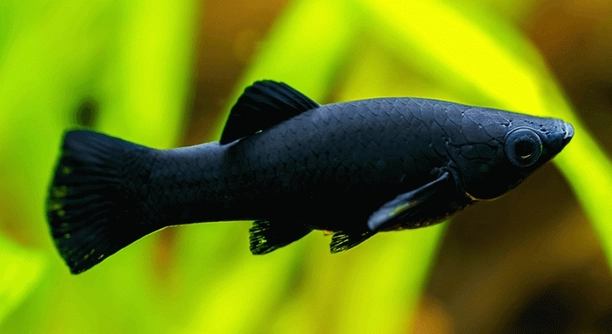
Is your black molly acting differently at mealtime and leaving its food untouched? Many fish owners notice sudden changes in appetite and feel concerned about their molly’s health. Observing their behavior closely can reveal important clues.
A black molly may ignore food due to stress, poor water conditions, illness, or an improper diet. Monitoring water quality, maintaining a consistent feeding routine, and checking for signs of disease can help identify and correct the issue effectively.
Understanding why your molly refuses food will help you make informed choices for its care and well-being in the aquarium.
Common Reasons for Loss of Appetite
Black mollies can stop eating for a variety of reasons, many of which relate to their environment or health. Water quality is a leading factor; high ammonia, nitrite, or nitrate levels can stress fish and reduce appetite. Temperature changes or fluctuating pH levels also affect feeding behavior. Another reason may be disease or parasites, which often cause lethargy or visible changes in scales and fins. Poor diet or sudden changes in food can make a molly less interested in eating. Overcrowding or aggressive tankmates may also intimidate them, causing them to hide or avoid food. Even something as simple as lighting changes or excessive noise near the tank can create stress. Observing your molly carefully, noting changes in behavior, and testing water regularly are essential steps. Maintaining consistent care helps mollies feel secure, which often restores their appetite naturally over time.
Stress in the aquarium is the most immediate factor that leads to food refusal.
Regular monitoring of water quality and feeding habits can prevent most appetite issues in black mollies. Ensuring stable temperature, clean water, and a consistent diet creates a healthier environment where your molly will feed reliably. Adjusting tank conditions gradually when needed avoids sudden stress that discourages eating.
Improving Feeding Habits
Offering a variety of foods can encourage a black molly to eat, especially if it has been refusing its usual diet. Frozen, live, or flake options can stimulate interest and provide balanced nutrition. Feeding smaller portions more frequently can reduce waste and make food more appealing. Avoid overfeeding, as excess food can pollute the tank and discourage feeding. Observing how your molly responds to different foods helps identify preferences. Maintaining a calm, quiet environment during feeding also encourages regular eating behavior, reducing stress-related appetite loss.
Diet and feeding routines play a major role in keeping black mollies healthy. Poor feeding practices, sudden diet changes, or unbalanced nutrition can weaken their immune system. A molly’s appetite may decrease if it does not recognize or enjoy the food offered. Incorporating a mix of proteins, vegetables, and high-quality flakes ensures proper growth and vitality. In addition, keeping the tank clean and avoiding overcrowding supports their comfort while eating. Gradual introduction of new foods allows mollies to adjust without rejecting meals. Monitoring their response and making small adjustments often restores consistent eating patterns. Feeding at regular times and observing behavior can prevent stress and promote long-term health, ensuring that your black molly thrives in its environment.
Adjusting Water Conditions
Stable water parameters are critical for black mollies to eat consistently. Fluctuations in temperature, pH, or hardness can stress them and reduce appetite. Regular testing and gradual adjustments prevent sudden shocks that discourage feeding.
Water temperature should remain around 75–80°F, with pH between 7.0 and 8.0. Sudden changes in water chemistry or introducing untreated tap water can create an uncomfortable environment. Black mollies prefer slightly hard, alkaline water, so checking hardness and adjusting with aquarium-safe products is helpful. Using a reliable thermometer and pH test kit ensures conditions remain consistent. Gentle water changes, about 20–25% weekly, help maintain stability. Observing behavior after water adjustments is important to confirm the molly is adapting well.
Filtration and aeration also impact feeding behavior. Poor circulation or low oxygen levels can stress mollies. Using a filter that creates gentle movement while keeping oxygen levels sufficient helps black mollies feel secure and encourages regular feeding.
Handling Illness and Parasites
Illness can make a black molly refuse food, with symptoms like lethargy, discoloration, or clamped fins. Prompt detection prevents worsening conditions.
Quarantining sick fish is important to avoid spreading disease. Treating with appropriate medications, following instructions carefully, helps recovery. Observing for signs such as spots, bloating, or erratic swimming identifies underlying issues early. Good water hygiene and avoiding sudden dietary changes reduce illness risk. Regular monitoring ensures mollies remain healthy and responsive.
Parasites, including external ones like ich, can reduce appetite. Treatments may include medicated food or water additives. Consistent cleaning, removing uneaten food, and checking new fish before adding them to the tank reduces parasite risk. Awareness of early signs allows faster intervention. Maintaining a balanced diet strengthens the immune system, improving resistance to infection. Tank decorations should be cleaned to prevent parasite buildup. Supporting overall health keeps black mollies active, feeding, and less prone to recurring issues.
Managing Stress in the Tank
Black mollies often stop eating when stressed. Overcrowding, aggressive tankmates, or sudden changes in environment can make them hide and avoid food.
Providing plenty of hiding spots, calm tankmates, and consistent routines helps mollies feel safe. A stable, quiet environment encourages regular feeding and reduces stress-related appetite loss.
Feeding Techniques That Work
Smaller, frequent feedings are more effective than one large meal. Offering a mix of flake, frozen, and live foods keeps mollies interested. Rotate food types gradually to prevent sudden refusal. Feeding at the same times daily helps establish a routine, making the fish more likely to eat consistently. Monitoring how each fish responds allows adjustments for their preferences, ensuring all mollies receive adequate nutrition and remain healthy over time.
Avoiding Overfeeding
Excess food pollutes the tank and discourages black mollies from eating properly. Removing uneaten food quickly maintains water quality.
FAQ
Why is my black molly not eating at all?
A black molly may stop eating due to stress, poor water quality, illness, or changes in diet. High ammonia, nitrite, or nitrate levels, sudden temperature shifts, or aggressive tankmates can cause stress. Checking water conditions and observing behavior helps identify the cause and restore appetite.
Can water temperature affect my molly’s feeding habits?
Yes. Black mollies prefer water between 75–80°F. Temperatures outside this range can slow metabolism, making them less interested in food. Gradual adjustments and consistent monitoring keep them comfortable and encourage regular eating.
Is my molly sick if it refuses food?
Refusal to eat can indicate illness or parasites. Look for physical signs like clamped fins, discoloration, spots, bloating, or lethargy. Quarantining and treating affected fish early prevents the problem from spreading.
Could the type of food be the issue?
Yes. Sudden changes in diet or unappealing food may make mollies ignore meals. Offering a mix of flakes, frozen, and live foods in small portions often encourages feeding. Rotate foods gradually to maintain interest.
Does stress from tankmates affect feeding?
Aggressive or overly active tankmates can intimidate black mollies, causing them to hide and skip meals. Providing hiding spots and calm companions reduces stress and encourages consistent feeding.
How often should I feed my black molly?
Feeding smaller portions two to three times daily is better than one large meal. Frequent, controlled feedings prevent leftover food from polluting the tank and maintain consistent interest in eating.
Can water changes improve appetite?
Regular water changes help maintain optimal water quality, which directly impacts appetite. Replacing 20–25% of water weekly prevents toxin buildup and creates a comfortable environment for feeding.
Do lighting and noise affect feeding?
Yes. Sudden bright lights or frequent disturbances near the tank can stress mollies, causing them to ignore food. Keep a calm environment during feeding times to promote regular eating behavior.
How do I know if my molly is eating enough?
Observe your fish during feeding. Active, alert behavior and healthy growth indicate sufficient food intake. Uneaten food or prolonged hiding may signal appetite or health issues that need attention.
Can diet variety prevent appetite loss?
Providing a balanced diet with proteins, vegetables, and high-quality flakes supports health and encourages consistent feeding. Gradual introduction of new foods prevents sudden rejection and helps mollies stay interested in meals.
What should I do if my molly refuses food for several days?
Check water quality, look for illness signs, and ensure the diet is appropriate. Isolate the molly if sick, treat any health issues, and offer a variety of foods in small amounts. Consistent observation is key to restoring normal feeding behavior.
Are there environmental adjustments that help picky eaters?
Yes. Adding plants, hiding spots, and gentle water flow reduces stress and encourages molly to feel safe while eating. Maintaining stable water parameters and minimal disturbances during feeding supports regular appetite.
Can overfeeding cause my molly to stop eating?
Overfeeding can reduce appetite and pollute the tank, leading to stress or illness. Feed small amounts, remove leftovers promptly, and maintain a consistent feeding schedule to prevent these issues.
How long can a black molly survive without food?
Adult black mollies can survive a few days without food, but prolonged fasting weakens the immune system and increases disease risk. Prompt attention to appetite changes is essential for their health.
Will adding live food encourage feeding?
Yes. Live foods like brine shrimp or daphnia can stimulate appetite, especially for mollies refusing dry or frozen foods. Introducing live options occasionally helps maintain interest and supports nutrition.
How important is tank cleanliness for feeding?
Very important. Dirty tanks with uneaten food or waste create stress and discourage eating. Regular cleaning, filtration, and water changes promote a healthy environment and consistent feeding habits.
Can I change the diet suddenly to get my molly to eat?
Sudden diet changes often cause refusal. Introduce new foods gradually while still offering familiar options. This approach encourages acceptance without stressing the fish.
Do black mollies need supplements or vitamins?
A varied diet usually provides sufficient nutrients. Occasional supplements can be helpful for growth or recovery from illness, but overuse is unnecessary and may affect water quality.
What are early signs that my molly is refusing food due to stress?
Hiding frequently, swimming slowly, clamped fins, or avoiding the feeding area are signs of stress. Addressing environmental factors and providing a calm, stable tank helps restore appetite.
How can I make feeding time more effective?
Feed at consistent times, offer small portions, rotate food types, and minimize disturbances. Observing responses and adjusting accordingly ensures mollies remain engaged and receive proper nutrition.
Can multiple factors cause food refusal at once?
Yes. Stress, illness, poor water quality, and diet issues may all contribute simultaneously. Addressing each factor step by step improves the chances of restoring normal feeding behavior.
How long does it take for a black molly to resume eating after changes?
Recovery time varies. Some mollies respond within hours or days, while others may take a week or more. Patience, consistent care, and observation are key to ensuring they regain normal appetite.
Is it normal for a black molly to occasionally skip a meal?
Occasional skipped meals are not always a concern if the fish is healthy and active. Persistent refusal or other symptoms indicate that intervention may be needed.
Can temperature fluctuations cause long-term appetite issues?
Yes. Repeated or extreme temperature changes can stress mollies, suppressing appetite over time. Maintaining stable, suitable water conditions prevents prolonged feeding problems.
Are there signs that indicate immediate veterinary attention is needed?
Severe lethargy, rapid weight loss, bloating, unusual swimming, or visible lesions require prompt attention. Early intervention increases recovery chances and prevents worsening health issues.
Does tank size influence feeding behavior?
Overcrowded tanks can stress mollies and limit access to food. Providing enough space and compatible tankmates encourages comfortable feeding and reduces competition or intimidation.
What role does social behavior play in appetite?
Black mollies are social but sensitive. Aggression or dominance from other fish can prevent some mollies from eating. Proper group sizes and calm companions support regular feeding patterns.
How do I monitor long-term appetite trends?
Keep a feeding log noting amounts eaten, types of food, and behavior. Tracking patterns helps detect gradual changes in appetite, allowing timely adjustments to diet, water conditions, or tank management.
Are there specific signs that my molly prefers one type of food over another?
Yes. Mollies may eagerly eat live food but ignore flakes, or vice versa. Observing which foods are consistently eaten helps maintain a balanced, appealing diet for long-term health.
How can I prevent future appetite problems?
Maintain stable water conditions, provide a varied diet, reduce stressors, and monitor behavior regularly. Gradual changes and careful attention to health and environment keep black mollies feeding reliably and thriving.
Black mollies are sensitive fish that rely on stable water conditions, a consistent diet, and a calm environment to stay healthy and eat regularly. When a molly refuses food, it is usually a sign that something in its surroundings or routine needs attention. Stress, illness, or changes in water quality are the most common reasons for appetite loss. Observing your molly closely and noting any unusual behavior, such as hiding, sluggish swimming, or changes in color, can provide clues to the underlying issue. Maintaining proper water temperature, pH, and hardness is essential because even small fluctuations can make your fish uncomfortable and less willing to feed. Providing hiding spots and gentle filtration helps reduce stress, giving your molly a sense of security that encourages regular feeding.
Feeding habits play a major role in keeping black mollies healthy. Offering a variety of foods, including flakes, frozen, and live options, ensures they receive proper nutrition and remain interested in meals. Smaller, more frequent feedings are often more effective than one large meal, preventing leftover food from polluting the tank while keeping mollies engaged during feeding times. Gradually introducing new foods helps avoid sudden rejection, and rotating options keeps their diet balanced. Overfeeding should be avoided, as uneaten food can reduce water quality and create stress, which may further discourage eating. Paying attention to which foods your molly prefers and adjusting portions accordingly will help maintain appetite and overall health over time.
Water quality, diet, and stress management all work together to support a black molly’s well-being. Regular water testing, proper filtration, and weekly water changes keep the environment clean and stable. Addressing health issues promptly, whether it is a parasite, bacterial infection, or general illness, prevents more serious complications and helps restore normal feeding behavior. Monitoring behavior and appetite over time allows you to notice changes early and make adjustments before problems become severe. By providing consistent care, a balanced diet, and a safe environment, black mollies are more likely to eat reliably, remain active, and thrive in the aquarium. These measures ensure that your fish stay healthy while creating a tank environment where they feel comfortable and secure.

Hello,
If you enjoy the content that we create, please consider saying a "Thank You!" by leaving a tip.
Every little bit helps us continue crafting quality advice that supports the health, happiness, and well-being of pets around the world, for pets of all shapes, sizes, and species.
We really appreciate the kindness and support that you show us!