
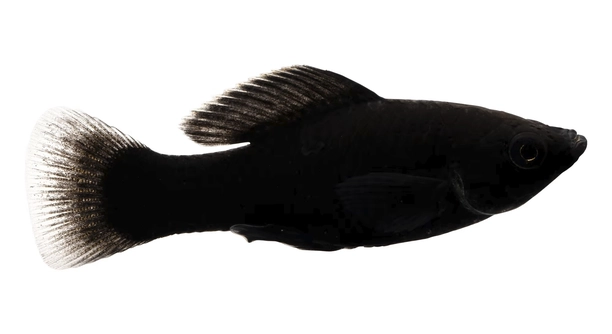
Do you ever bring a new black molly home and notice it hiding or acting shy in the tank? Adjusting to a new environment can be stressful for these fish, especially in unfamiliar surroundings.
Helping a black molly adapt to a new tank involves maintaining stable water conditions, providing hiding spots, introducing compatible tank mates, and offering a balanced diet. Gradual acclimation reduces stress and promotes healthy behavior and growth in the fish.
Understanding these simple steps will make the transition smoother for your molly and create a more comfortable environment for its well-being.
Provide Stable Water Conditions
Black mollies are sensitive to sudden changes in their environment. Keeping the water temperature consistent between 75-80°F is important, along with maintaining a pH of around 7.5 to 8. Adding a dechlorinator and testing water regularly helps prevent stress. Avoid changing too much water at once; small, frequent water changes are better. Mollies thrive in slightly brackish water, so adding a pinch of aquarium salt can support their health. Ensure the filter is working well and provides gentle flow, as strong currents can make them nervous. Removing uneaten food and debris keeps ammonia levels low, reducing the risk of illness. Observing the fish daily helps spot early signs of stress, like clamped fins or erratic swimming. Providing plants and hiding spots gives them security. Gradually introducing any new decorations or tank mates allows them to feel safe. These steps create a stable environment that helps black mollies settle quickly.
Consistency in water conditions reduces stress and supports overall health for black mollies in their new tank.
Keeping the water stable is essential. Regular checks, careful adjustments, and a clean tank help black mollies feel secure. Observing their behavior ensures they remain comfortable. A calm environment allows them to explore and interact naturally, making feeding and social behavior easier to manage. Small measures, like adding a few plants or gentle filtration, improve their confidence and reduce sudden stress responses. Over time, consistent conditions encourage regular swimming patterns, vibrant coloration, and appetite, all signs that the molly is adjusting well to its new home.
Introduce Hiding Spots
Black mollies need places to retreat and feel safe. Adding plants, caves, or decorations gives them areas to hide and reduces stress.
Providing hiding spots helps mollies feel secure, encouraging natural behavior and reducing fear in a new tank.
Hiding spots are crucial for black mollies’ comfort. In a bare tank, they may swim anxiously or stay in one corner. Plants such as Java moss or floating greenery allow them to explore while feeling protected. Caves or small ornaments create shelters where they can rest or escape from more active tank mates. Position hiding areas near the back or sides of the tank, leaving open swimming space in the middle. Mixing soft and hard surfaces provides variety, so the fish can choose a spot depending on their mood. Hiding areas also reduce aggression from other fish and give young or timid mollies confidence. Observing where your molly chooses to hide can indicate how well it is adjusting. Over time, as they become familiar with their surroundings, they may use hiding spots less frequently but still benefit from their presence for a sense of security.
Gradual Acclimation
Introducing a black molly too quickly can cause shock. Float the bag in the tank for 15-20 minutes to match temperature. Add small amounts of tank water every few minutes before release.
Gradual acclimation reduces stress and helps the fish adjust to water chemistry. After floating the bag, slowly mix tank water into the bag in small intervals over 20-30 minutes. This step allows the molly to adapt to pH, hardness, and temperature differences. Avoid pouring the bag water directly into the tank to prevent contamination. Once the molly seems calm, gently release it into the aquarium. Observe its swimming and breathing patterns for the first hour. Any signs of distress, like rapid gill movement or frantic swimming, indicate the need to slow down acclimation next time. Proper acclimation minimizes stress-related illness and helps the molly start exploring the tank with confidence.
Even after introduction, monitor the molly closely. Keep feeding light initially and observe interaction with other fish. The goal is a smooth transition without sudden stress, allowing the molly to settle comfortably over several days. Maintaining patience ensures better long-term health and natural behavior.
Maintain a Balanced Diet
A varied diet ensures black mollies remain healthy. Include flakes, pellets, and occasional live or frozen foods.
Black mollies thrive on a mix of high-quality flakes, pellets, and occasional live foods such as brine shrimp or daphnia. This combination provides essential nutrients for growth, coloration, and immune function. Avoid overfeeding, as leftover food can pollute the tank and increase ammonia levels. Feed small amounts 2-3 times daily and remove uneaten portions after a few minutes. Supplementing with vegetable matter like blanched spinach or zucchini supports digestion and overall health. Observing how your molly accepts different foods helps determine preferences and ensures a balanced diet is maintained consistently.
Feeding consistently at the same times each day helps regulate appetite and creates a routine. Over time, mollies learn to anticipate meals, reducing stress and encouraging natural swimming and social behaviors. Regular observation of eating habits also highlights early signs of health issues.
Introduce Compatible Tank Mates
Choosing peaceful tank mates prevents stress and aggression. Avoid aggressive or fin-nipping species that may harass black mollies.
Ideal companions include other livebearers, small tetras, and peaceful bottom dwellers. A compatible community allows mollies to swim freely without constant hiding.
Keep Lighting Moderate
Bright lighting can make black mollies nervous. Provide subdued light or floating plants to create shaded areas. This reduces stress and encourages natural activity, allowing them to explore and feed comfortably without feeling exposed.
Monitor Water Quality Regularly
Testing water weekly for ammonia, nitrites, nitrates, and pH ensures a safe environment. Prompt adjustments prevent health issues and maintain stable conditions for the molly’s comfort.
Limit Sudden Changes
Avoid rapid shifts in temperature, water chemistry, or decorations. Gradual changes help black mollies adapt without stress, supporting their health and encouraging consistent behavior in a new tank.
How long does it take for a black molly to adjust to a new tank?
Adjustment time varies depending on water stability, hiding spots, and tank mates. Most black mollies start exploring within a few days, but full comfort and natural behavior may take one to two weeks. Gradual acclimation and consistent care speed up this process.
Can black mollies live with other fish?
Yes, they do best with peaceful community fish. Avoid aggressive or fin-nipping species. Good companions include guppies, platies, small tetras, and peaceful bottom dwellers. Proper tank size and hiding spots reduce conflict and stress, allowing all species to coexist comfortably.
How often should I feed my black molly?
Feed 2-3 small meals per day instead of one large feeding. Offer a mix of high-quality flakes, pellets, and occasional live or frozen foods like brine shrimp. Remove uneaten food to prevent water contamination. Supplementing with vegetables supports digestion and overall health.
Why is my black molly hiding all the time?
Hiding is normal during the adjustment period or if water conditions are stressful. Check temperature, pH, and water quality. Ensure compatible tank mates and provide enough plants or caves. Over time, confident mollies will explore more, but some may always use hiding spots occasionally.
Do black mollies need brackish water?
While they can live in freshwater, black mollies often thrive in slightly brackish conditions. Adding a small amount of aquarium salt improves health, supports immune function, and encourages natural coloration. Regular monitoring ensures salinity stays at safe levels.
How do I tell if my black molly is stressed?
Signs include clamped fins, rapid breathing, erratic swimming, loss of appetite, or hiding excessively. Stress often comes from sudden water changes, aggressive tank mates, or poor water quality. Addressing these issues quickly helps prevent illness and encourages normal behavior.
Can black mollies tolerate cooler water?
Black mollies prefer warmer water around 75-80°F. Cooler temperatures can slow metabolism, reduce activity, and increase susceptibility to disease. If water drops unexpectedly, use a heater or move the tank to a warmer area gradually to maintain stable conditions.
What decorations or plants help black mollies feel secure?
Live plants, floating greenery, and small caves provide hiding spots. These decorations reduce stress and encourage natural exploration. Positioning hiding places along tank edges with open swimming areas in the center gives mollies a sense of security while allowing movement and feeding.
How often should I check water parameters?
Test water weekly for ammonia, nitrites, nitrates, and pH. During acclimation or after adding new fish, monitor more frequently. Keeping water stable prevents stress and supports long-term health, making mollies more comfortable in their environment.
Is it normal for black mollies to change color?
Color changes can occur due to stress, diet, water conditions, or maturity. Healthy mollies display bright, consistent coloration. Dull or patchy coloring often signals stress or illness, prompting checks on water quality, diet, and tank conditions.
Can I add new mollies to an established tank?
Yes, but introduce them gradually. Float new fish in a bag to equalize temperature, slowly add tank water, and monitor for aggression. Quarantining new fish before introduction reduces disease risk and ensures a smoother adjustment for everyone.
Why does my black molly sometimes swim near the surface?
Surface swimming can indicate normal feeding behavior or a search for oxygen. Ensure proper aeration and avoid overcrowding. If accompanied by gasping or lethargy, it may signal low oxygen or poor water quality, requiring immediate attention.
Do black mollies need special care during breeding?
Breeding black mollies produces fry that require separate care. Provide dense plants or breeding boxes to protect young fish. Remove adults if aggression occurs. Feed small, frequent meals to fry and maintain stable water conditions to increase survival rates.
How can I reduce aggression in a community tank?
Provide sufficient space, hiding spots, and compatible tank mates. Avoid overcrowding and observe interactions regularly. Aggression often decreases as fish establish territories, but consistent monitoring ensures stress-free coexistence. Adjusting decorations or separating aggressive individuals may be necessary.
Are black mollies sensitive to medication?
Yes, some treatments can stress or harm mollies. Use fish-safe medications, follow dosage instructions carefully, and monitor water parameters. Quarantining sick fish before treatment can reduce risks to other tank inhabitants and prevent chemical imbalances.
What is the ideal tank size for black mollies?
A minimum of 20 gallons is recommended for a small group. Larger tanks reduce stress, provide space for swimming, and allow for social interactions. Adequate filtration, hiding spots, and open areas support healthy activity and long-term well-being.
How do I know if my black molly is healthy?
Healthy mollies are active, swim smoothly, display vibrant colors, and have a regular appetite. Clear eyes, intact fins, and normal breathing indicate good health. Regular observation, proper feeding, and clean water help maintain these conditions consistently.
Can black mollies live alone?
They can survive alone, but they thrive in groups. Social interaction reduces stress and encourages natural behavior. Keeping at least two or three mollies together provides companionship and helps maintain a balanced and lively tank environment.
How important is water flow for black mollies?
Moderate water flow is preferred. Strong currents can make mollies anxious and limit swimming. Gentle filtration ensures oxygenation without causing stress, allowing them to explore the tank comfortably and maintain normal activity levels.
What should I do if my black molly refuses food?
Check water quality, tank mates, and overall health. Try offering different types of food, including live or frozen options. Feeding small amounts multiple times a day encourages appetite. Persistent refusal may require a veterinary consultation to rule out illness.
Adjusting to a new tank can be a stressful experience for black mollies, but with proper care, the process can be much smoother. These fish are sensitive to sudden changes in water conditions, temperature, and environment, so creating a stable and comfortable habitat is essential. Maintaining consistent water parameters, such as temperature between 75-80°F and a pH around 7.5-8, ensures the fish can settle without unnecessary stress. Regular testing and small, frequent water changes help keep the tank clean and prevent spikes in harmful chemicals. Adding a pinch of aquarium salt can also support their health and immune system, especially in slightly brackish water conditions, which black mollies often prefer. By providing stability in these areas, the fish will have a solid foundation for adapting successfully to their new surroundings.
Providing hiding spots and decorations plays an equally important role in helping black mollies feel secure. Plants, caves, and floating greenery give them areas to retreat when feeling nervous or overwhelmed. These spots allow the fish to explore at their own pace and reduce aggressive interactions with other tank mates. Gradual acclimation when introducing a new molly is crucial; floating the bag in the tank and slowly mixing in tank water over 20-30 minutes reduces shock and helps them adjust to water chemistry. During this time, observation is key. Watching for signs of stress, such as clamped fins, rapid breathing, or excessive hiding, allows you to intervene early and make adjustments. Over time, mollies become more confident and will venture into open areas while still using hiding spots when needed.
Feeding a balanced diet and monitoring social interactions also support adjustment and long-term health. Offering a combination of high-quality flakes, pellets, live or frozen foods, and vegetable matter ensures proper nutrition and encourages natural behavior. Feeding smaller amounts multiple times a day reduces the risk of water contamination and helps the fish maintain regular eating habits. Choosing compatible tank mates and avoiding aggressive species reduces stress and allows black mollies to thrive socially. By paying attention to water quality, hiding spots, gradual acclimation, diet, and tank mate selection, you create an environment where black mollies can feel safe and healthy. Consistent care, patience, and observation make the adjustment period smoother, leading to happier, active fish that display natural colors and behavior over time.

Hello,
If you enjoy the content that we create, please consider saying a "Thank You!" by leaving a tip.
Every little bit helps us continue crafting quality advice that supports the health, happiness, and well-being of pets around the world, for pets of all shapes, sizes, and species.
We really appreciate the kindness and support that you show us!