
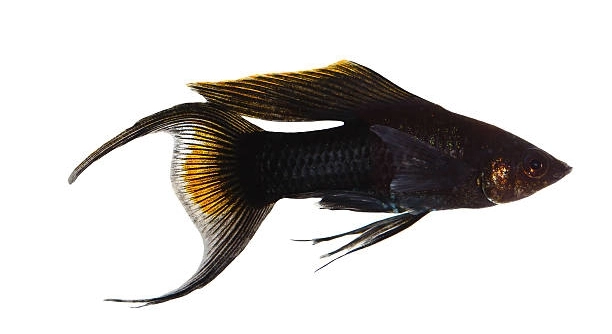
Is your black molly staying at the bottom of the tank and avoiding the upper levels? Many fish owners notice this behavior and wonder what might be causing their usually active fish to stay low.
The primary reasons a black molly may refuse to swim upward include poor water quality, inadequate oxygen levels, stress from tank mates, or illness. Addressing these factors promptly can help restore normal swimming behavior and ensure overall fish health.
Learning the signs of stress and discomfort in mollies can help prevent future problems and keep your aquarium thriving and balanced.
Common Reasons Black Mollies Stay at the Bottom
Black mollies often stay at the bottom when the water quality is not ideal. Poor filtration or irregular water changes can cause ammonia or nitrite levels to rise, which makes fish uncomfortable. Temperature fluctuations can also stress mollies, making them less active. Sometimes, overcrowding or aggressive tank mates can force a molly to stay low to avoid conflict. Even subtle changes in lighting or decorations can make a fish feel unsafe. Observing your fish closely can reveal patterns that point to stressors. A stressed molly may also show changes in color, fin clamping, or reduced appetite. Regular monitoring of water parameters, maintaining a stable environment, and providing enough hiding spots can encourage your molly to swim more freely. Consistent care and attention to tank conditions make a noticeable difference in behavior. Over time, mollies adjust and regain normal activity levels once their environment is stabilized.
Stress or illness can limit upward swimming, but simple adjustments often restore activity and comfort in the tank.
Keeping a routine check on water temperature, pH, and tank cleanliness ensures that mollies stay healthy. Gentle interaction and careful feeding also contribute to a safe and stimulating environment. Addressing stress promptly prevents more serious health issues and helps fish remain active and social within their habitat.
Feeding and Environmental Adjustments
Adjusting diet and tank setup can improve swimming habits for mollies.
A balanced diet is essential. Black mollies need a mix of flake food, vegetables, and occasional protein treats. Overfeeding can lead to poor water quality, while underfeeding may reduce energy levels. Maintaining a slightly higher water level and adding floating plants can encourage natural swimming patterns. Mollies enjoy exploring the upper and middle water layers, but they need safety and comfort to do so. Using gentle lighting and keeping a calm environment minimizes stress, which directly affects activity levels. Tank decorations should allow free swimming and hiding spaces. Regularly rotating plants or ornaments can keep the environment stimulating. Observing fish after changes helps determine what adjustments are most effective. Even small improvements in diet and environment can lead to noticeable behavioral changes, making mollies more active and lively. These adjustments support long-term health and reinforce natural behaviors in your aquarium, creating a balanced and dynamic habitat for all tank inhabitants.
Health Issues Affecting Swimming
Illness can prevent black mollies from swimming upward. Common problems include swim bladder disorders, infections, and parasites. These conditions reduce energy and buoyancy, making it difficult for fish to move freely. Early detection improves recovery chances.
Swim bladder issues are one of the most frequent reasons mollies struggle to swim. Overfeeding, constipation, or sudden changes in diet can cause the bladder to become inflamed or compressed, affecting buoyancy. Bacterial infections can also damage internal organs and reduce mobility. Parasites, such as flukes or worms, may attach to the fish or enter the digestive system, causing discomfort and lethargy. Observing swimming patterns, appetite, and physical appearance helps identify these problems early. Treatment may include dietary adjustments, water quality improvements, or targeted medications. Acting promptly prevents further complications and supports faster recovery.
Illness signs include bloating, clamped fins, pale or faded coloration, and erratic swimming. Isolating affected fish in a quarantine tank allows for focused treatment and prevents spreading disease. Monitoring water parameters and maintaining cleanliness reduces the risk of recurring health issues. Consistent care ensures black mollies regain normal swimming patterns safely.
Tank Maintenance and Care
Regular tank maintenance ensures mollies remain active and healthy. Cleaning, water changes, and proper filtration create a stable environment.
Debris, uneaten food, and waste buildup directly affect water quality and oxygen levels. Even slight increases in ammonia or nitrites can stress fish, reducing activity and upward swimming. Weekly partial water changes, careful monitoring of pH and temperature, and efficient filtration systems keep the tank stable. Removing decaying plants or excess decorations improves water flow and swimming space. Maintaining consistent conditions allows black mollies to behave naturally. Proper tank maintenance also limits the chance of infections and disease outbreaks, supporting long-term health.
Attention to tank setup, including hiding spaces and smooth surfaces, enhances safety and reduces stress. Balanced feeding and avoiding overstocking keep the aquarium harmonious. Observing daily behavior, combined with a consistent cleaning routine, ensures that mollies thrive and remain energetic. A well-maintained tank promotes social interaction, natural swimming patterns, and a longer, healthier life for all fish.
Water Temperature Considerations
Black mollies are sensitive to water temperature changes. Sudden shifts can stress them, making upward swimming difficult. Keeping the temperature consistent helps maintain energy levels and overall health.
A stable range of 24–28°C (75–82°F) is ideal. Heaters or chillers may be necessary depending on your environment. Sudden drops or spikes in temperature can affect metabolism and immune response, leaving mollies less active and more vulnerable to illness. Consistent monitoring prevents stress and encourages normal swimming behavior.
Oxygen Levels
Adequate oxygen is critical for mollies. Low oxygen levels can cause them to stay near the bottom or gasp at the surface.
Ensuring proper aeration through air stones, surface agitation, or a well-functioning filter keeps oxygen levels sufficient. Stagnant water reduces oxygen and affects health. Regularly checking water movement and adding plants that produce oxygen naturally supports energy levels. Proper oxygenation also reduces stress, helping mollies swim freely and maintain natural activity patterns.
Observing Behavior Patterns
Watching your mollies closely reveals signs of stress or illness. Subtle changes often indicate environmental or health issues.
Behavior observation helps identify if a molly avoids upward swimming due to bullying, illness, or discomfort. Early detection allows corrective action, whether adjusting water parameters, isolating sick fish, or changing tank layout. Keeping notes on behavior trends can guide effective interventions and improve overall tank harmony.
Stress Reduction
Reducing stress is essential for active swimming. A calm and predictable environment encourages normal behavior.
Minimizing loud noises, sudden movements, or aggressive tank mates creates a safe space. Stress directly affects appetite, activity, and immune response, so small adjustments in lighting, tank placement, or decorations can make a noticeable difference.
FAQ
Why is my black molly staying at the bottom of the tank?
A black molly may stay at the bottom due to stress, poor water quality, illness, or insufficient oxygen. Temperature fluctuations or aggressive tank mates can also force them to remain low. Observing water parameters and behavior helps identify the cause.
Can water temperature really affect my molly’s swimming?
Yes, black mollies are sensitive to sudden changes. Water that is too cold or too warm can slow metabolism and reduce energy, making swimming upward difficult. Keeping a stable temperature between 24–28°C (75–82°F) supports normal activity.
Could my molly be sick?
Illness is a common reason for staying at the bottom. Swim bladder disorders, bacterial infections, and parasites affect buoyancy and movement. Signs include clamped fins, faded color, bloating, or lethargy. Quarantining and proper treatment help recovery.
How does tank cleanliness affect swimming behavior?
Dirty water raises ammonia and nitrite levels, stressing fish. Overfeeding, leftover food, and decaying plants worsen water quality. Regular water changes, filtration, and debris removal keep mollies comfortable and active.
Do diet and feeding habits matter?
Yes. Overfeeding can cause constipation and swim bladder issues, while underfeeding reduces energy. A balanced diet of flakes, vegetables, and occasional protein supports buoyancy and activity. Feeding smaller amounts more frequently prevents problems.
Can stress from other fish influence swimming?
Aggressive tank mates or overcrowding may make mollies avoid the upper layers. Providing hiding spaces and maintaining a calm environment reduces stress and encourages natural swimming patterns.
Will adding plants or decorations help?
Plants and decorations provide hiding spots and create a sense of security. Floating plants encourage exploration of upper layers, while smooth surfaces and open swimming areas reduce stress. Rotating decorations occasionally keeps the environment stimulating.
How do I know if low oxygen is a problem?
Signs include gasping at the surface, lethargy, or staying near the bottom. Improving aeration with air stones, filters, or oxygen-producing plants increases comfort and energy for swimming.
Can behavioral observation prevent problems?
Yes. Watching for changes in swimming patterns, appetite, or color helps detect stress or illness early. Noting trends allows for timely intervention, whether adjusting water, tank setup, or diet.
How long does it take for a molly to recover normal swimming?
Recovery time depends on the cause. Minor water issues may show improvement within days. Illness or chronic stress may take weeks. Consistent care, monitoring, and proper treatment improve recovery and long-term health.
Are there preventive measures to avoid bottom-dwelling behavior?
Maintaining clean, stable water, a balanced diet, consistent temperature, proper oxygenation, and a calm environment prevents most problems. Regular observation ensures mollies remain healthy and active.
What should I do if my molly doesn’t improve?
If behavior doesn’t change after environmental adjustments and care, consult a vet or experienced aquarist. Professional guidance ensures accurate diagnosis and treatment for persistent health issues.
Can minor stress affect swimming even if everything seems fine?
Yes, even subtle changes like room noise, vibrations, or moving decorations can stress mollies. Minimizing sudden changes keeps fish comfortable and encourages normal upward swimming.
Is isolation necessary for sick mollies?
Quarantining sick fish prevents spreading disease and allows focused treatment. Separate tanks also reduce stress from other fish, supporting faster recovery and safer handling.
Do black mollies need a large tank to swim upward freely?
Space matters. A larger tank with open swimming areas encourages movement and reduces territorial stress. Overcrowding limits activity and may cause persistent bottom-dwelling behavior.
How important is consistent observation?
Daily observation is crucial. Noticing minor changes early helps correct issues before they become serious. It ensures proper care and keeps mollies active and healthy.
Can lighting affect their swimming?
Yes. Sudden bright lights or inconsistent lighting can stress mollies. Gentle, consistent lighting reduces stress and encourages normal swimming patterns.
Does water flow impact upward swimming?
Strong currents may tire mollies or push them downward. Moderate flow ensures proper circulation and oxygen without stressing the fish, supporting natural movement.
How do I balance hiding spaces and open swimming areas?
Provide enough hiding spots for security, but keep open areas for exploration. A balanced tank layout allows mollies to feel safe while encouraging upward swimming.
Is water testing necessary even if fish appear healthy?
Regular testing prevents hidden stressors like ammonia, nitrite, or pH imbalance. Maintaining ideal parameters ensures mollies remain active and comfortable in all tank layers.
Can diet supplements help swimming behavior?
Occasional supplements, like vegetables or protein treats, support health and buoyancy. Balanced nutrition prevents constipation and swim bladder issues, encouraging normal upward movement.
How do I know when it’s safe to reintroduce a quarantined molly?
Ensure the fish has recovered, shows normal swimming, appetite, and color. Water parameters should match the main tank to prevent additional stress. Gradual acclimation helps avoid shock and encourages smooth reintegration.
What long-term practices keep black mollies active?
Maintain consistent temperature, clean water, balanced diet, and gentle tank conditions. Regular observation, proper tank size, and stress reduction practices keep mollies energetic, healthy, and swimming freely for years.
How often should I monitor water parameters?
Weekly testing of ammonia, nitrite, nitrate, and pH is recommended. Temperature should be checked daily. Consistent monitoring prevents stress and ensures upward swimming behavior remains normal.
Do all black mollies behave the same way in stress situations?
Individual temperament varies. Some mollies are naturally shy or submissive and may hide more. Recognizing individual differences helps provide tailored care to encourage healthy swimming patterns.
Can sudden changes in diet trigger bottom-dwelling behavior?
Yes. Abrupt diet changes can upset digestion and cause swim bladder issues. Gradual introduction of new foods helps mollies adapt without stress, maintaining normal activity and buoyancy.
How do I encourage a molly to explore upper layers safely?
Provide a calm, well-lit environment, moderate water flow, and floating plants. Offering small treats at different levels encourages upward swimming while keeping the fish comfortable.
Can tank companions influence activity levels?
Yes. Aggressive or overly active fish can intimidate mollies. Choosing compatible tank mates and maintaining enough space ensures all fish can swim naturally.
Is it normal for black mollies to occasionally stay near the bottom?
Occasional bottom-dwelling can occur naturally, especially during rest, after feeding, or during mild stress. Persistent behavior, however, usually signals an underlying issue that should be addressed.
What are the most common mistakes fish owners make with black mollies?
Overfeeding, poor water maintenance, inconsistent temperature, overcrowding, and neglecting observation are common mistakes. Correcting these practices ensures mollies remain healthy, stress-free, and active.
Can temperature fluctuations cause long-term swimming issues?
Repeated or extreme fluctuations can weaken immune systems, reduce energy, and make fish prone to disease. Maintaining stable temperatures protects buoyancy and overall activity.
Do black mollies need extra care compared to other livebearers?
They require slightly higher attention to water quality, temperature, and tank layout. Proper care prevents stress and ensures they swim normally and stay healthy.
What’s the best way to support molly health daily?
Feed a balanced diet, keep the water clean, monitor behavior, maintain proper temperature and oxygen levels, and minimize stress. Consistency in these routines keeps mollies active and swimming freely.
How can I tell if my molly is recovering from stress or illness?
Improved swimming, appetite, color, and interaction with other fish indicate recovery. Regular observation and continued care help maintain health and prevent setbacks.
Are black mollies prone to specific diseases that affect swimming?
Swim bladder disorders, bacterial infections, parasites, and fin rot are common issues. Prompt detection, treatment, and tank maintenance prevent long-term swimming problems.
How important is tank size for preventing bottom-dwelling behavior?
Adequate space allows free movement, reduces territorial conflicts, and supports natural swimming. Overcrowding limits activity and can stress mollies, encouraging bottom-dwelling.
Can black mollies adjust to new tanks easily?
Adjustment depends on water quality, tank mates, and environment. Gradual acclimation, hiding spaces, and stable conditions help mollies explore all tank levels safely.
Is upward swimming a sign of health?
Generally, yes. Active movement across tank layers indicates proper buoyancy, comfort, and energy. Reduced upward swimming often signals stress, poor water quality, or illness.
How do I maintain consistent water parameters long-term?
Regular testing, consistent water changes, proper filtration, and stable temperature control prevent fluctuations. Keeping parameters stable ensures mollies stay healthy and active.
Can adding oxygen-rich plants improve swimming behavior?
Yes. Plants like hornwort, anacharis, or floating species increase oxygen levels, reduce stress, and encourage movement throughout the tank.
Do black mollies need social interaction to swim normally?
They are social fish. Keeping them in small groups promotes natural swimming patterns, reduces stress, and encourages activity in upper water levels.
How do I prevent recurring swim bladder issues?
Feed a balanced diet, avoid overfeeding, maintain clean water, and provide occasional fasting days. Gradual dietary changes and monitoring buoyancy prevent chronic problems.
What is the most important daily habit for healthy mollies?
Observing behavior, feeding correctly, and checking water conditions daily ensures mollies remain energetic, stress-free, and active in all tank layers.
How can I tell if my molly’s environment is ideal?
Consistent activity, normal upward swimming, bright coloration, and good appetite indicate a healthy, comfortable environment that supports natural behavior.
What quick steps help a stressed molly immediately?
Increase oxygen, ensure water parameters are stable, reduce lighting or noise, and provide hiding spots. Quick action minimizes stress and encourages normal swimming.
How do I know when professional help is needed?
If behavior doesn’t improve despite proper care, or if signs of illness persist, a veterinarian or experienced aquarist can provide diagnosis and treatment.
Is occasional bottom-dwelling always a concern?
Not always. Short periods of rest or exploration at the bottom are normal. Persistent or prolonged behavior usually indicates a problem needing attention.
How important is gradual change in tank conditions?
Sudden changes in water, temperature, or diet can stress mollies. Gradual adjustments allow adaptation without impacting swimming or health.
Do black mollies show personality differences affecting swimming?
Yes. Some are naturally cautious or timid, staying low more often. Recognizing individual traits helps create supportive tank conditions for healthy activity.
Can water hardness affect swimming?
Extreme hardness or softness can stress mollies, affecting buoyancy. Maintaining moderate and stable hardness supports comfort and natural swimming.
What signs show my molly is thriving?
Active swimming at all levels, normal appetite, bright color, interaction with tank mates, and healthy fins indicate overall well-being.
How often should I feed black mollies?
Small, frequent meals—two to three times daily—prevent overfeeding and digestive issues, supporting energy and buoyancy for normal swimming.
Can tank placement affect behavior?
Yes. Tanks near high-traffic areas or vibrations can stress fish. Quiet, stable placement encourages calm, natural swimming behavior.
How does lighting schedule impact mollies?
Consistent day-night cycles reduce stress and support activity. Avoid sudden changes or overly bright lights, which can discourage upward swimming.
Is it necessary to rotate tank decorations?
Occasional rotation keeps the environment stimulating, reduces boredom, and encourages exploration, supporting upward swimming and overall activity.
Can seasonal changes affect mollies?
Yes. Temperature fluctuations or daylight changes may stress fish. Adjusting heating, lighting, and monitoring water quality helps maintain stable activity.
Do mollies need a mix of open swimming space and hiding spots?
Balanced layouts provide security and encourage exploration. Too few hiding spots cause stress, while too many limit swimming freedom. Proper balance promotes healthy behavior.
How do I prevent aggressive tank mates from impacting my molly?
Choose compatible species, provide ample space, and monitor interactions. Reducing aggression supports natural swimming and reduces stress-related bottom-dwelling behavior.
Can minor adjustments make a big difference?
Yes. Small changes in diet, water quality, temperature, or decorations can quickly improve swimming behavior and overall comfort.
What’s the most effective way to maintain long-term molly health?
Consistent water quality, balanced diet, proper tank setup, observation, and stress reduction are key. Daily care ensures active, healthy mollies that swim naturally.
How can I make my mollies more active in general?
Stable water, balanced diet, gentle tank flow, adequate space, and compatible tank mates encourage exploration, upward swimming, and overall activity levels.
What should I do if one molly repeatedly avoids upper levels?
Check water quality, oxygen, diet, and tank stressors. If issues persist, isolate the fish for observation and treatment to prevent further health problems.
Are black mollies hardy fish?
They are generally hardy but sensitive to stress, poor water conditions, and temperature changes. Proper care ensures they stay healthy and active.
Do changes in water chemistry affect buoyancy?
Yes. pH swings, ammonia, nitrite spikes, or extreme hardness can stress mollies, reducing swimming ability and comfort. Maintaining stability is crucial.
Can feeding at different tank levels encourage upward swimming?
Yes. Placing food in upper layers stimulates exploration and movement while keeping fish engaged and active throughout the tank.
How important is routine observation for long-term care?
Essential. Noticing subtle behavior changes early allows interventions that prevent illness, stress, or long-term swimming issues, supporting healthy mollies.
Are black mollies prone to chronic swim bladder problems?
They can develop issues from diet, overfeeding, or infections. Preventive care, proper feeding, and monitoring buoyancy reduce long-term problems.
Can changing water too frequently stress mollies?
Yes. Sudden, large water changes can shock fish. Gradual partial changes maintain stability and comfort, supporting normal swimming patterns.
What’s the best approach for treating minor stress?
Stabilize water parameters, provide hiding spots, ensure proper oxygenation, and reduce sudden movements. These steps encourage recovery and normal activity.
Is upward swimming a reliable health indicator?
Generally, yes. Reduced upward swimming often signals stress, illness, or environmental issues that need attention to maintain fish health.
Do black mollies adapt to new tanks easily?
With gradual acclimation, hiding spots, and stable conditions, mollies adjust well, exploring all tank levels safely.
How can I ensure my mollies stay active year-round?
Maintain consistent water quality, temperature, diet, tank setup, and stress-free conditions. Observation and timely intervention keep them healthy and energetic.
Can temperature, diet, and tank mates together influence behavior?
Yes. Combined effects of fluctuating temperature, poor diet, or aggressive companions can stress mollies, causing bottom-dwelling behavior and reduced activity. Proper management ensures normal swimming.
What’s the best overall strategy for healthy swimming?
Balanced diet, stable water, proper tank layout, compatible companions, and daily observation prevent stress, disease, and abnormal swimming, keeping black mollies active and healthy.
Can tiny changes make a big difference in behavior?
Yes. Minor adjustments in diet, water parameters, or tank setup often quickly restore normal upward swimming and overall comfort.
How can I tell if my molly is thriving long-term?
Consistent activity, normal upward swimming, bright coloration, healthy fins, and good appetite indicate long-term well-being and effective care practices.
Is stress the main reason for reduced upward swimming?
Stress is often a major factor, but water quality, illness, diet, and tank conditions all play roles. Addressing each ensures normal swimming.
Can I prevent most swimming problems with routine care?
Yes. Regular water testing, proper feeding, stable temperature, compatible tank mates, and observation prevent most issues that limit swimming and activity.
Do black mollies show recovery after intervention quickly?
Improvement depends on the cause. Environmental adjustments can show results within days; illness or chronic stress may take weeks. Consistency is key for recovery.
How important is a calm, stable environment?
Crucial. Sudden changes, noise, or aggressive tank mates cause stress and reduce swimming. A stable, calm environment supports natural behavior and energy.
What’s the simplest way to encourage upward swimming?
Maintain stable water parameters, balanced diet, adequate oxygen, proper tank layout, and minimize stressors. These steps naturally promote activity.
Can social dynamics affect individual fish behavior?
Yes. Dominant or aggressive fish may intimidate others, causing hiding or bottom-dwelling behavior. Observing interactions and adjusting tank population maintains balance.
Do black mollies benefit from varied feeding locations?
Yes. Feeding at multiple levels stimulates exploration, encourages upward swimming, and reduces competition or stress during feeding.
Are regular health checks necessary?
Yes. Checking for color, fin condition, appetite, and swimming behavior prevents unnoticed problems and supports long-term well-being.
Can I rely solely on water parameters for healthy behavior?
No. While important, diet, tank layout, stress reduction, and social dynamics all influence activity and upward swimming. Holistic care ensures health.
Do black mollies ever naturally stay near the bottom?
Occasionally for resting or mild stress, but persistent bottom-dwelling indicates an environmental or health issue that should be addressed.
How often should I clean the tank?
Weekly partial water changes and removal of debris maintain water quality, reducing stress and encouraging normal swimming behavior.
Can aggressive fish permanently affect a molly’s behavior?
Prolonged aggression can cause chronic stress, hiding, and reduced activity. Proper tank management and compatible species prevent long-term issues.
What are the main takeaways for healthy swimming?
Stable water, balanced diet, proper tank setup, observation, and stress reduction promote active, healthy mollies that swim naturally across all tank levels.
Is consistent observation more important than any single factor?
Yes. Daily monitoring helps catch minor issues before they become serious, ensuring mollies remain energetic and healthy.
Can black mollies live happily in small tanks?
They can survive, but larger tanks with open swimming areas and hiding spots promote natural behavior and reduce stress.
Do lighting and temperature schedules need to match natural cycles?
Yes. Consistent day-night cycles and stable temperatures support metabolism, reduce stress, and encourage natural swimming patterns.
How can I prevent recurring stress or illness?
Regular water maintenance, balanced diet, proper tank mates
Black mollies are generally active and curious fish, but when they start staying at the bottom of the tank or avoiding upward swimming, it is usually a signal that something in their environment or health is off. Observing their behavior closely is key, as small changes in activity, color, or appetite can indicate stress, illness, or water quality issues. Maintaining stable water parameters, including temperature, pH, and oxygen levels, is critical. Sudden changes in any of these factors can make mollies uncomfortable, reducing their energy and willingness to explore the upper levels of the tank. Regular partial water changes, a reliable filtration system, and careful monitoring of ammonia, nitrite, and nitrate levels are essential steps to ensure a healthy environment. These practices not only prevent stress but also reduce the risk of disease, keeping mollies active and comfortable throughout the day. A well-maintained tank helps black mollies display natural behaviors, including swimming freely at all levels, which is a good indicator of overall health.
Diet and feeding habits play a significant role in supporting upward swimming and general vitality. Overfeeding can cause digestive problems and swim bladder issues, while underfeeding reduces energy levels. Providing a balanced diet that includes high-quality flake food, vegetables, and occasional protein treats supports digestion and buoyancy. Feeding smaller portions several times a day is often better than a single large feeding. This approach ensures mollies have steady energy and reduces the risk of constipation or bloating, which can affect swimming. Monitoring how they respond to dietary changes is also important. Some mollies may react differently to new foods, and gradual introduction helps them adjust without stress. By keeping their nutritional needs in mind, you create a foundation for normal swimming behavior and overall well-being. A proper diet combined with a clean and stable tank environment goes a long way in preventing health problems and encouraging activity.
Stress reduction is another critical aspect to consider for maintaining healthy swimming patterns. Factors like aggressive tank mates, overcrowding, sudden loud noises, or abrupt changes in lighting can all contribute to stress, causing mollies to stay near the bottom or hide more often. Providing hiding spaces with plants, decorations, or shelters allows them to feel safe while still giving room for exploration. Moderate water flow and consistent lighting schedules create a calm environment that mollies can adjust to easily. Observation is also important for understanding individual differences in behavior. Some mollies are naturally shy or submissive, so giving them time to acclimate and ensuring that all fish have enough space reduces tension. A calm and stable environment, combined with proper care and diet, ensures that black mollies remain active and healthy. By addressing water quality, nutrition, and stress factors consistently, you support their natural behaviors and help them thrive in the aquarium for the long term.

Hello,
If you enjoy the content that we create, please consider saying a "Thank You!" by leaving a tip.
Every little bit helps us continue crafting quality advice that supports the health, happiness, and well-being of pets around the world, for pets of all shapes, sizes, and species.
We really appreciate the kindness and support that you show us!