
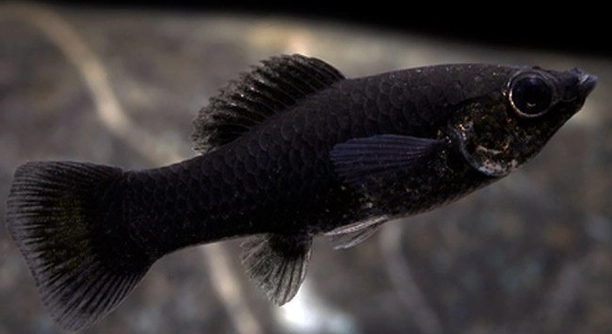
Do you ever notice your black molly spending most of its time under the filter? Watching them cling there can feel worrying, especially if their behavior suddenly changes or seems out of the ordinary.
Black mollies often hang under the filter due to low oxygen levels, water flow preference, or mild stress. This behavior can also result from water quality issues, temperature fluctuations, or simply seeking a comfortable resting spot in the tank.
Learning the reasons behind this behavior helps you maintain a healthier environment and ensures your black molly stays active and comfortable in its aquarium.
Common Reasons Black Mollies Stay Under the Filter
Many black molly owners notice their fish lingering under the filter without understanding why. One common reason is low oxygen levels in the tank. The filter creates water movement, which increases oxygen, and fish often gather nearby to breathe more easily. Another reason is that mollies prefer steady currents. If the rest of the tank is calm, they may find the gentle push from the filter comforting. Stress can also play a role. Changes in tankmates, decorations, or water conditions can make your molly seek a secure spot. Water temperature fluctuations may contribute as well, because mollies are sensitive to cooler water. Observing your fish and noting when it spends time under the filter helps identify patterns. Overfeeding or leftover food can cause ammonia spikes, which also drives them to find safer, cleaner areas. Ensuring proper tank maintenance reduces these behaviors.
Filters not only oxygenate water but also provide a sense of security for black mollies.
Keeping mollies comfortable requires monitoring oxygen levels, water temperature, and overall tank cleanliness. Adjusting flow and removing waste can make the entire aquarium more inviting. Regular checks prevent long-term stress, keeping your molly healthy and active. Watching them adapt to changes under the filter can give insight into their well-being and comfort.
How to Improve Your Mollies’ Comfort
Maintaining a clean tank and consistent water conditions improves fish behavior.
Black mollies thrive when the tank environment is stable. Water quality is crucial, so regular partial water changes are important. Testing for ammonia, nitrites, and nitrates helps prevent harmful buildups. Temperature should remain steady, ideally between 75-82°F, because fluctuations can stress them. The filter should provide gentle flow rather than strong currents that overwhelm the fish. Adding floating plants or decorations gives them extra hiding spots, reducing the need to cling to the filter. Overfeeding should be avoided to keep water clear and reduce pollutants. Observing your fish daily helps you notice early signs of illness or discomfort. Even minor adjustments, like repositioning the filter or aeration devices, can change where they spend their time. Mollies that feel secure and well-oxygenated will explore more of the tank and display natural behavior, making them healthier and more vibrant.
Signs of Stress in Black Mollies
Black mollies often show stress by hiding under the filter, swimming erratically, or losing color. Reduced appetite and staying in one spot for long periods are common indicators. Observing these behaviors can help you address underlying issues before they become serious.
Stress in black mollies can result from sudden changes in water quality, temperature fluctuations, or aggressive tankmates. Even small shifts, like rearranging decorations or adding new fish, can make them feel unsafe. Overcrowding also increases stress, as mollies need space to swim freely. By monitoring tank conditions and fish interactions, you can reduce stress and create a calmer environment that encourages normal behavior.
Stress can affect their immune system, making them more prone to illness. Mollies under constant pressure may show stunted growth or unusual behavior. Regular observation, consistent water maintenance, and maintaining a peaceful tank environment help mollies feel secure. Providing hiding spots and gentle water flow ensures they remain active and healthy. Addressing these factors early prevents long-term health issues.
Adjusting Tank Conditions
Proper tank setup and maintenance keep mollies comfortable.
Water temperature, filtration, and flow are key for black mollies. The tank should maintain a stable temperature between 75-82°F, and the filter should create gentle circulation without overwhelming them. Regular water testing and partial changes prevent harmful chemical buildup.
Adding plants and decorations gives mollies areas to rest and hide. Observing their favorite spots under the filter can guide adjustments, like lowering strong currents or moving decorations. Overfeeding should be avoided to prevent excess waste. Creating a balanced, calm environment ensures mollies remain healthy, active, and stress-free, reducing the need to cling to the filter for comfort.
Feeding Habits and Behavior
Black mollies often stay under the filter after feeding. Uneaten food can accumulate near the filter, making it a convenient spot for them. Observing how much they eat helps prevent water quality problems and keeps them healthy.
Mollies prefer small, frequent meals. Overfeeding can lead to stress and water issues. Feeding the right amount encourages normal swimming behavior and reduces their dependence on the filter area.
Water Quality and Maintenance
Consistent water quality is essential for black mollies. Regular testing for ammonia, nitrites, and nitrates ensures a safe environment. Partial water changes help maintain balance. Removing debris and excess food prevents pollutants from building up, keeping mollies active and comfortable throughout the tank.
Filter Placement and Flow
The filter’s position affects where mollies spend their time. Placing it strategically ensures gentle circulation and reduces stress. Observing their response allows adjustments to create a comfortable environment that supports natural swimming patterns and overall well-being.
FAQ
Why does my black molly always stay under the filter?
Black mollies often stay under the filter because it provides a mix of gentle water flow and higher oxygen levels. It can also feel like a safe, sheltered spot, especially if the tank has sudden changes or aggressive tankmates. Observing your molly and checking water quality can clarify the reason.
Is my molly stressed if it never leaves the filter area?
Yes, constant hiding under the filter can indicate stress. Causes include poor water conditions, overcrowding, or sudden temperature changes. Stress affects their immune system and overall health. Ensuring proper tank maintenance, gentle water flow, and peaceful tankmates helps reduce this stress.
Can low oxygen levels make mollies hang near the filter?
Absolutely. Filters oxygenate water through movement and aeration. Mollies often seek spots with higher oxygen, and the area near the filter is ideal. Ensuring adequate surface agitation and aeration throughout the tank can prevent prolonged filter-hanging behavior.
Does water temperature affect their behavior?
Yes. Black mollies prefer temperatures between 75-82°F. Fluctuations or sudden drops can make them seek stable areas, often under the filter. Using a reliable heater and monitoring temperature daily ensures a comfortable environment.
Will rearranging the tank make them hide more?
Changes in decorations or tank layout can stress mollies temporarily. They may cling to the filter until they feel secure again. Gradual adjustments and providing hiding spots can help them adapt without prolonged stress.
Can overfeeding cause filter-hanging behavior?
Yes. Overfeeding creates leftover food, which can pollute water and stress fish. Mollies may linger near the filter to avoid less clean areas. Feeding small, measured amounts and removing uneaten food reduces this behavior.
Are aggressive tankmates a reason for hiding under the filter?
Definitely. Mollies may feel threatened by more aggressive fish and stay near the filter for protection. Providing enough space, visual barriers, or calm companions encourages them to explore the tank safely.
Does tank size impact this behavior?
Yes, a small or overcrowded tank increases stress and limits swimming space. Mollies often retreat to the filter area in these conditions. Ensuring a spacious tank with enough swimming room reduces hiding and promotes healthy activity.
Can disease make mollies hang near the filter?
Illness can make them weak or less active, leading them to stay near the filter for comfort. Observing other signs like clamped fins, discoloration, or unusual swimming can indicate disease. Quick response and proper treatment are essential.
How can I encourage my molly to explore the tank?
Gradually improving water quality, maintaining stable temperature, and providing hiding spots away from the filter encourages activity. Rearranging tank decorations slowly and feeding consistently helps mollies feel secure enough to swim more freely.
Is this behavior normal or should I worry?
Occasional filter-hanging is normal, especially during feeding or mild stress. Persistent behavior signals potential issues like water quality, temperature, or stress. Monitoring daily, maintaining the tank, and adjusting conditions ensures your black molly remains healthy and active.
Do black mollies prefer strong currents?
No, they prefer gentle flow. Too strong a current can stress them, causing them to cling under the filter. Adjusting the filter or using flow-reducing devices creates a more comfortable swimming environment.
Can plants help reduce filter-hanging?
Yes, adding floating or tall plants provides alternative shelter. Mollies can hide and rest among plants, reducing constant reliance on the filter. This also encourages exploration and natural behavior.
How often should I check the water parameters?
Testing water weekly for ammonia, nitrites, nitrates, and pH is recommended. Frequent monitoring prevents conditions that stress mollies and reduce their need to stay under the filter.
Will changing the filter help?
If the filter creates uneven flow or excessive current, mollies may cling to it out of stress. Adjusting the output or using a sponge guard can make it more comfortable without compromising filtration.
Are black mollies more prone to this behavior than other fish?
They are sensitive to water changes and flow. While other fish may explore freely, black mollies often seek stable areas like under the filter when stressed, during feeding, or when adjusting to new tanks.
Can lighting affect their behavior?
Bright or inconsistent lighting can stress mollies. Dimming lights or providing shaded areas encourages them to explore beyond the filter while still feeling safe.
Should I separate them if they stay under the filter constantly?
Separation is usually unnecessary unless aggression from other tankmates is severe. Adjusting tank conditions, providing hiding spots, and ensuring clean water are often sufficient to reduce this behavior.
How long does it take for them to stop hiding under the filter?
With proper water quality, stable temperature, gentle flow, and reduced stress, mollies may begin exploring the tank within days to weeks. Patience and consistent care are key for encouraging normal activity.
Can multiple mollies in the same tank affect this behavior?
Yes, social dynamics can influence hiding. Shy or smaller mollies may stay near the filter if dominant tankmates are aggressive. Providing ample space and monitoring interactions encourages all fish to feel secure.
Is it harmful if they stay under the filter for short periods?
No, short periods are usually harmless. Problems arise when they rarely leave the area, indicating potential stress, water issues, or illness. Daily observation helps distinguish normal from concerning behavior.
Does diet influence their activity near the filter?
A balanced diet keeps mollies healthy and energetic. Poor nutrition can weaken them, increasing time spent in sheltered areas. Feeding quality food in appropriate portions supports overall activity and reduces excessive filter-hanging.
Can adjusting tank decorations reduce this behavior?
Yes. Creating hiding spots away from the filter encourages mollies to explore. Gradual rearrangement helps them feel safe while promoting movement and natural swimming habits.
Are there specific times mollies hang under the filter more?
They often do so after feeding, during water changes, or when the tank is disturbed. Monitoring patterns can help identify triggers and guide improvements in tank management.
Do black mollies need companions to reduce stress?
Yes, keeping compatible tankmates or small groups of mollies can reduce anxiety. Social interaction promotes confidence, making them less likely to cling constantly to the filter.
How does water hardness affect their behavior?
Black mollies prefer moderately hard water. Soft or inconsistent water can cause discomfort, prompting them to seek stable spots like under the filter. Maintaining proper hardness supports natural swimming behavior and comfort.
Can age influence their hiding habits?
Younger or newly introduced mollies often hide more under the filter as they adjust. Older, established fish may be less dependent unless stress or environmental issues occur.
Are there signs that indicate immediate intervention is needed?
Yes. Rapid breathing, floating near the surface, clamped fins, or sudden inactivity alongside filter-hanging signals urgent attention. Testing water, adjusting temperature, and addressing illness promptly are essential to prevent serious health problems.
Will adjusting feeding times change their behavior?
Sometimes. Feeding smaller portions more frequently can reduce competition and stress, encouraging mollies to explore rather than stay near the filter. Consistent schedules help them feel secure in the tank.
Does tank location matter?
Yes, tanks placed near vibrations, loud noise, or drafts can stress mollies. A quiet, stable location reduces the need for hiding under the filter and promotes natural swimming behavior.
How long can black mollies survive in poor conditions?
They may survive for a short time but prolonged exposure to poor water quality, temperature fluctuations, or stress leads to illness and decreased lifespan. Maintaining proper conditions is essential for long-term health.
Can adding air stones help?
Yes, air stones increase oxygen levels throughout the tank, reducing the need for mollies to stay near the filter. Even water distribution encourages them to swim freely and explore other areas.
Is it normal for them to hover near the filter at night?
Occasionally. Mollies sometimes rest near gentle water flow for comfort. Persistent night-time filter-hanging may indicate stress or temperature issues that need attention.
How do I know if the filter is too strong?
If mollies struggle to swim near it, cling constantly, or avoid open areas, the flow is likely too strong. Adjusting the output or using a sponge guard softens the current and creates a safer environment.
Can tankmates influence this behavior indirectly?
Yes, aggressive or fast-moving fish can make mollies retreat to the filter. Observing interactions and adjusting stocking levels or rearranging decorations helps mollies feel more secure.
Does tank depth play a role?
Deeper tanks can create areas of low oxygen near the bottom. Mollies may hover near the filter to access better oxygenation, especially if surface agitation is limited. Proper aeration throughout the tank reduces this behavior.
Are black mollies sensitive to chemical treatments?
Yes, they are sensitive to medications and water treatments. Incorrect dosages can stress them, prompting filter-hanging. Always follow instructions carefully and monitor fish during treatment.
Will constant filter-hanging affect growth?
Prolonged stress and lack of swimming can stunt growth over time. Ensuring water quality, nutrition, and a comfortable environment supports healthy development and reduces filter dependency.
Can seasonal changes impact behavior?
Yes, changes in room temperature, light, or humidity can affect tank conditions, prompting mollies to seek stable areas near the filter. Maintaining consistent temperature and light schedules minimizes seasonal stress.
Is it necessary to upgrade the filter for large tanks?
In larger tanks, insufficient filtration can create low oxygen pockets, causing mollies to gather near the filter. Upgrading or adding additional filtration ensures even water flow and oxygen distribution.
Do black mollies prefer certain water pH levels?
They thrive in slightly alkaline water, around pH 7.5-8.0. Deviations can cause discomfort, leading them to cling near the filter. Regular pH monitoring and adjustments help maintain comfort and activity.
How long can it take to resolve filter-hanging behavior?
With consistent care, proper feeding, and a stable environment, mollies may begin exploring within days. Persistent issues may require further adjustments, but most fish respond positively once comfort is restored.
Can seasonal lighting changes stress mollies?
Yes, sudden changes in light duration or intensity can create stress. Using timers and consistent lighting reduces stress and encourages normal swimming patterns away from the filter.
Does water current direction matter?
Yes, mollies prefer steady but gentle flow. Turbulent currents can cause them to cling to the filter for stability. Adjusting filter output or adding flow guides creates a more comfortable swimming environment.
Are black mollies more active during certain times of day?
They are generally more active during daylight. Activity may decrease at night, but excessive hiding under the filter during the day indicates stress, water quality, or environmental issues that need correction.
Can introducing new tankmates worsen filter-hanging?
Yes, new fish can create temporary stress, prompting mollies to seek shelter near the filter. Gradual introductions and observation help mollies adapt without prolonged hiding.
Does water hardness affect oxygen levels?
Indirectly. Extremely soft or hard water can influence oxygen solubility. Maintaining moderate hardness ensures optimal oxygen distribution, reducing the need for mollies to hover near the filter.
Can decorations or substrate impact this behavior?
Yes, inadequate hiding spots or sharp substrate may stress mollies. Providing smooth surfaces and sufficient plant coverage allows them to feel safe without relying solely on the filter.
Will black mollies eventually get used to a strong filter?
Some may adapt over time, but many prefer gentle flow. Using flow reducers or adjusting output provides long-term comfort and encourages normal behavior throughout the tank.
Is it normal for pregnant mollies to hide under the filter?
Yes, gravid mollies may seek shelter to feel safe. Providing plants and hiding areas helps reduce stress and allows them to explore safely when ready.
Does water clarity affect this behavior?
Cloudy or dirty water can stress mollies, leading them to cling near the filter. Maintaining clear, well-filtered water encourages natural swimming behavior and reduces hiding tendencies.
Are juvenile mollies more prone to filter-hanging?
Yes, younger fish often hide more as they adjust to new tanks or surroundings. Proper care, hiding spots, and gentle water flow encourage exploration and healthy development.
Can black mollies sense poor water conditions before we do?
Yes, they are sensitive to changes in ammonia, nitrites, and temperature. Spending time under the filter can be an early warning of issues that need attention.
Does the filter type matter?
Yes, sponge, hang-on-back, and canister filters all create different flow patterns. Choosing a filter that produces gentle movement helps mollies feel comfortable while ensuring proper filtration.
How do I monitor their oxygen needs?
Observing frequent gasping at the surface, filter-hanging, or lethargy can indicate low oxygen. Aeration, surface agitation, and regular water testing help maintain healthy levels.
Can black mollies become dependent on the filter area?
They may prefer it if it provides safety, flow, and oxygen. Encouraging exploration through plants, gentle flow, and proper maintenance helps prevent over-reliance on the filter for comfort.
Is filter-hanging always linked to stress?
Not always. Short-term use for resting, feeding, or comfort is normal. Persistent hiding signals stress, poor water quality, or environmental issues that require intervention.
How can I tell if my adjustments are working?
Monitor swimming patterns, appetite, coloration, and interaction with tankmates. Increased exploration, reduced filter-hanging, and normal feeding indicate improvements in comfort and well-being.
Do black mollies have individual preferences for flow?
Yes, some prefer stronger currents while others seek calm areas. Observing each fish helps tailor tank conditions to keep all mollies comfortable and active.
Can seasonal temperature changes affect oxygen levels?
Yes, warmer water holds less oxygen, prompting mollies to hover near the filter for better aeration. Maintaining consistent temperature and good surface agitation prevents oxygen-related stress.
Is it normal for older mollies to stay under the filter more?
Older fish may be less active and spend more time resting near gentle flow or shelter. Ensuring water quality, nutrition, and gentle currents helps maintain their health and activity.
Does tank depth affect oxygen near the filter?
Yes, deeper areas can have lower oxygen levels at the bottom. Mollies may hover near the filter where oxygen is higher. Proper aeration throughout the tank balances oxygen distribution.
Will black mollies return to normal behavior if conditions improve?
Yes, with stable water parameters, gentle flow, proper nutrition, and reduced stress, mollies typically resume normal swimming, feeding, and exploration patterns over time.
How long should I observe them before making changes?
Daily observation for at least a week helps identify patterns, triggers, and the effectiveness of adjustments. This ensures changes are based on consistent behavior rather than temporary reactions.
Can black mollies adapt to different filter types?
Yes, they can, but gradual adjustments are best. Observing their response to new filters ensures comfort while maintaining proper filtration and flow.
Does water chemistry influence hiding behavior?
Imbalanced pH, hardness, or nitrate levels can stress mollies. Regular testing and adjustments create a stable environment, reducing reliance on the filter for safety.
Are there any natural behaviors associated with filter-hanging?
Mollies may use sheltered spots for resting, minor feeding, or avoiding strong currents. While short-term use is normal, prolonged hiding often indicates environmental or health concerns.
Will adding a second filter help?
A second filter can improve oxygen distribution and reduce strong currents in one area, allowing mollies to explore more freely while maintaining filtration efficiency.
Can I use flow reducers to encourage exploration?
Yes, devices that soften filter output create gentle currents, making the tank more comfortable and reducing the need for mollies to cling constantly near the filter.
Is filter-hanging behavior different between males and females?
Females, especially pregnant ones, often seek shelter more than males. Males may be more active and exploratory, but both benefit from stable, comfortable conditions.
Can poor lighting increase stress?
Yes, inconsistent or bright lighting can make mollies feel exposed. Providing shaded areas and consistent light cycles reduces stress and encourages natural activity.
Do black mollies need a specific swimming area?
They prefer calm zones with gentle flow for resting and safe exploration areas. Proper tank setup with plants, decorations, and flow management supports healthy swimming behavior.
Is filter-hanging always visible during the day?
Mostly, but they may also use it at night for resting or comfort. Persistent hiding during the day is a stronger indicator of stress or environmental issues.
Can water hardness fluctuations affect behavior?
Yes, changes in hardness can stress mollies, making them seek stable areas near the filter. Maintaining moderate, consistent hardness supports comfort and normal activity.
Are there signs of improvement I should look for?
Increased swimming away from the filter, consistent feeding, healthy coloration, and active interaction with tankmates indicate that adjustments are working and the fish feel secure.
Does substrate choice affect filter preference?
Yes, rough or sharp substrate can stress mollies, prompting filter-hiding. Smooth substrate with plants or decorations encourages exploration and natural behavior.
Can black mollies adapt to crowded tanks?
They may survive but are more likely to hide under the filter due to stress. Adequate space, hiding spots, and careful stocking maintain comfort and reduce hiding behavior.
Will they ever stop hiding completely?
With proper water conditions, gentle flow, compatible tankmates, and secure hiding spots elsewhere, most mollies reduce filter-hanging and resume normal swimming habits over time.
Does tank maintenance frequency influence behavior?
Yes, regular cleaning, water changes, and filter upkeep prevent stressors that drive mollies to cling near the filter. Consistency is key for comfort and health.
How do I balance aeration and flow for comfort?
Ensure enough surface agitation for oxygen while avoiding strong currents. Air stones, plants, and filter adjustments create areas of calm with adequate oxygen, encouraging exploration beyond the filter.
Can black mollies sense vibrations or noise?
Yes, excessive noise or vibrations can stress them, prompting filter-hiding. Placing the tank in a stable, quiet location reduces this behavior and supports normal activity.
Do all black mollies respond the same way to changes?
No, individual personalities and previous experiences affect behavior. Observing each fish helps tailor care, ensuring all feel secure and comfortable in the tank environment.
Is filter-hanging more common in certain tank setups?
Yes, tanks with strong currents, poor oxygen distribution, or minimal hiding spots often see more filter-hanging. Proper layout, gentle flow, and clean water reduce this behavior.
Does feeding type affect their activity?
Yes, high-quality flakes, pellets
Black mollies are fascinating little fish that often show their comfort and stress through their behavior. One of the most common habits observed in aquariums is them lingering under the filter. While this may seem worrying at first, it is usually a combination of natural instincts and environmental factors. Mollies naturally seek areas where water movement, oxygen, and shelter are favorable. The area under the filter often provides a mix of gentle current and higher oxygen levels, making it an attractive spot for resting, feeding, or simply feeling secure. Understanding this behavior helps fish owners see it as a signal rather than an immediate problem, allowing for informed adjustments to tank conditions rather than unnecessary worry.
Maintaining the right tank conditions is key to helping black mollies feel comfortable and less dependent on the filter area. Water quality, temperature, and oxygen levels all play a significant role in their behavior. Mollies are sensitive to fluctuations, and even small changes can make them seek safer areas. Regular water testing, consistent partial water changes, and maintaining appropriate temperature levels help create a stable environment. Tank flow should be gentle, not overwhelming, and decorations or plants can provide additional hiding spots, reducing the need to cling to the filter. Paying attention to feeding habits, avoiding overfeeding, and removing leftover food also support a healthier environment, preventing pollution and reducing stress.
Observing black mollies closely allows owners to understand individual preferences and responses. Some fish may naturally be more cautious or shy, and a little hiding is perfectly normal. However, persistent filter-hanging paired with other signs, like loss of appetite, color fading, or clamped fins, can indicate stress or poor conditions. By addressing water quality, flow, tankmates, and environment, mollies usually begin to explore more freely and return to normal activity patterns. Patience and consistency are essential, as changes in behavior may take days or weeks to appear. With proper care, black mollies can thrive, swim confidently throughout the tank, and display healthy, active behaviors, leaving the filter as just one of several safe resting spots rather than a constant refuge.

Hello,
If you enjoy the content that we create, please consider saying a "Thank You!" by leaving a tip.
Every little bit helps us continue crafting quality advice that supports the health, happiness, and well-being of pets around the world, for pets of all shapes, sizes, and species.
We really appreciate the kindness and support that you show us!