
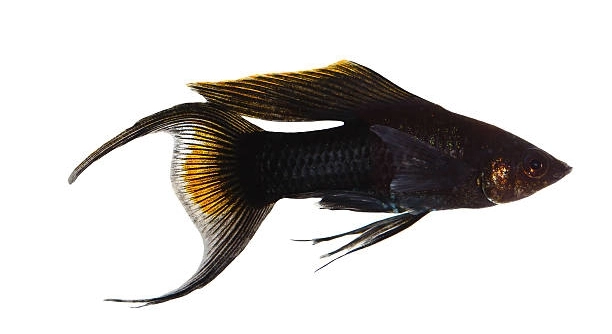
Is your black molly spending more time at the water’s surface than swimming around the tank? Observing this behavior can feel worrying, especially when you want your fish to stay healthy and active in its environment.
Black mollies skimming the surface usually indicate oxygen deficiency, poor water quality, or stress. Ensuring proper tank aeration, regular water changes, and a balanced diet can help reduce surface-skimming behavior and promote overall fish health.
Understanding why your molly behaves this way can prevent long-term health issues. The following insights will help you maintain a comfortable and safe habitat for your fish.
Common Reasons Black Mollies Skim the Surface
One reason black mollies stay near the surface is low oxygen levels in the tank. Water at the top usually contains more oxygen, so fish naturally swim there when the lower layers lack proper aeration. Poor water circulation can make this problem worse, especially in crowded tanks. Uneaten food and waste buildup can also reduce oxygen levels. Temperature fluctuations may stress your molly, causing it to seek calmer areas near the surface. Additionally, overfeeding can create cloudy water, making oxygen absorption more difficult. A combination of these factors often leads to surface-skimming behavior. Monitoring tank conditions, cleaning regularly, and keeping the right number of fish can help prevent this. Observing your molly’s movements gives early warning signs of water issues. Small changes, like adding an air stone or adjusting temperature, often resolve surface swimming. Consistent care keeps your fish more active and comfortable in its environment.
Water quality and oxygen levels are the main influences on surface-skimming behavior.
Maintaining a proper filtration system and regular water testing is essential for black mollies. A well-maintained tank provides stability, prevents harmful ammonia buildup, and ensures oxygen stays balanced. Black mollies are sensitive to sudden changes in temperature and pH, which can trigger stress and erratic behavior. Tank decorations should allow open swimming space while providing hiding areas. Feeding should be controlled to avoid overfeeding, which affects water quality and oxygen. Introducing plants helps oxygenate the water naturally while giving the fish cover. Proper aeration through pumps or air stones distributes oxygen evenly. Observing fish daily allows you to spot early signs of stress, disease, or water problems. Small adjustments often prevent long-term issues. Regular maintenance, balanced feeding, and a stable environment help black mollies thrive. Creating a routine for cleaning, testing, and monitoring the tank ensures a healthier, more active fish that spends less time skimming the surface.
Signs Your Molly Needs Immediate Attention
Rapid or constant surface-skimming often signals more serious problems that require intervention.
If your molly shows gasping, lethargy, or clamped fins, it may be experiencing oxygen stress, illness, or water toxicity. Immediate action is necessary. Regular checks, water testing, and proper aeration can prevent these issues. Monitoring the fish’s behavior daily helps catch problems early before they become critical. In some cases, adjusting temperature or moving the fish temporarily to a healthier environment can help. Health issues like fin rot or internal parasites also affect swimming patterns. Maintaining clean water and a consistent feeding schedule reduces risk. Attention to signs like unusual swimming, loss of appetite, or color changes is crucial. Small, prompt interventions often save the fish and improve its overall well-being. Prevention through consistent care is always more effective than treating severe conditions later. Observing your fish closely ensures a safer, more comfortable habitat that supports its natural behavior.
Improving Oxygen Levels in Your Tank
Adding an air stone or small water pump increases oxygen circulation, helping black mollies feel more comfortable. Proper water movement prevents stagnation and reduces surface-skimming behavior, creating a stable environment for all fish in the tank.
Plants like java moss, hornwort, or anacharis naturally add oxygen and provide hiding spots. They improve water quality by absorbing excess nutrients and reduce stress for your molly. Avoid overcrowding plants, as this can limit swimming space. Combine live plants with regular aeration for the best results. Testing oxygen levels occasionally ensures your adjustments are effective and keeps the tank healthy.
Cleaning the tank and changing 20-30% of water weekly improves oxygen and removes toxins. Ensure the filter works efficiently and avoid overfeeding, which can lower oxygen. Observing the fish after adjustments helps gauge improvement. A combination of aeration, plants, and routine maintenance creates a healthier, more active molly.
Maintaining Water Quality
Frequent water testing is crucial to detect ammonia, nitrite, and nitrate levels. Stable water chemistry keeps black mollies healthy and reduces surface-skimming behavior.
Filtration removes debris and harmful chemicals, ensuring a cleaner tank. Overfeeding can cloud water and increase waste, which strains oxygen levels and stresses fish. Regular partial water changes prevent buildup of toxins and maintain balanced pH. Black mollies are sensitive to sudden changes, so any adjustments should be gradual. Monitoring temperature and keeping it steady between 24-28°C supports metabolism and reduces stress. Combining filtration, water testing, and controlled feeding creates a safe environment. Consistent maintenance reduces the chance of illness and encourages natural swimming patterns.
Adjusting Tank Temperature
Keeping the tank temperature stable between 24-28°C helps black mollies stay healthy. Sudden fluctuations can stress the fish, causing it to swim near the surface. Using a reliable heater and thermometer ensures consistent conditions.
Avoid placing the tank near windows or vents, as drafts and sunlight can create temperature swings. A stable environment reduces stress and promotes normal behavior, keeping mollies active throughout the tank.
Feeding Habits
Feeding black mollies in small, controlled amounts prevents overfeeding, which affects water quality and oxygen levels. Uneaten food decomposes, reducing oxygen and stressing fish.
Feeding once or twice daily with a balanced diet of flakes, pellets, and occasional vegetables keeps mollies healthy. Avoid overfeeding by observing how much your fish consumes in a few minutes. Proper feeding supports their metabolism, reduces waste buildup, and encourages active swimming. Rotating food types ensures they get all necessary nutrients. Maintaining a consistent feeding routine improves overall health and minimizes surface-skimming behavior.
Recognizing Stress Signs
Clamped fins, rapid gill movement, and erratic swimming indicate stress in black mollies. Immediate adjustments to water or environment are needed.
Tank Decorations and Space
Provide open swimming areas and hiding spots to reduce stress. Crowded or cluttered tanks can make mollies stay near the surface more often.
FAQ
Why is my black molly always at the surface?
Your molly may be seeking more oxygen. Poor aeration, overcrowding, and low water quality make the top of the tank more comfortable. Ensuring proper filtration, adding an air stone, and performing regular water changes usually reduce surface-skimming behavior.
Can water temperature affect surface-skimming?
Yes. Black mollies prefer temperatures between 24-28°C. Sudden drops or rises can stress them, causing them to stay near the surface. Using a reliable heater and thermometer helps maintain stability and promotes normal swimming patterns.
Is overfeeding a problem for black mollies?
Overfeeding can reduce water quality and oxygen levels. Uneaten food decomposes, creating waste that stresses fish. Feeding small, measured amounts once or twice daily keeps the tank cleaner and encourages active swimming. Including flakes, pellets, and occasional vegetables ensures balanced nutrition.
Do tank decorations affect surface-skimming behavior?
Yes. Overcrowded tanks or heavy decorations can limit swimming space and make mollies feel trapped. Providing open areas and hiding spots balances comfort and activity. Plants also improve water quality while giving fish places to rest.
Can other fish influence my molly’s behavior?
Aggressive or fast-moving tank mates can stress black mollies, making them retreat to the surface. Choosing compatible species and avoiding overcrowding reduces stress and helps mollies swim naturally throughout the tank.
How often should I change water to prevent surface-skimming?
Weekly partial water changes of 20-30% help remove waste, maintain oxygen levels, and stabilize water chemistry. Regular testing for ammonia, nitrites, nitrates, and pH ensures optimal conditions. This routine prevents stress and promotes healthy behavior.
Do black mollies need live plants?
Live plants help oxygenate water and provide hiding spots, which reduces stress. Java moss, hornwort, or anacharis are good options. Combining live plants with proper filtration and aeration creates a healthier environment for mollies to swim comfortably.
How can I tell if my molly is stressed or sick?
Signs include rapid gill movement, clamped fins, loss of appetite, color changes, or erratic swimming. Early detection allows you to adjust water conditions, improve aeration, or isolate sick fish. Prompt attention often prevents serious health issues.
Can black mollies survive in small tanks?
They can survive, but small tanks make maintaining oxygen, temperature, and water quality more difficult. A larger tank reduces stress, allows proper swimming space, and makes it easier to maintain stable conditions.
Is surface-skimming always dangerous?
Not always. Occasional surface swimming is normal if the tank has limited oxygen pockets or the molly is exploring. Persistent behavior signals a need to check water quality, temperature, feeding, and tank setup to prevent long-term stress.
What steps can I take if my molly continues surface-skimming?
First, check oxygen levels, water quality, and temperature. Add aeration, reduce overcrowding, and adjust feeding habits. Observing the fish after each change helps identify what works best. Consistent care, including filtration maintenance and water testing, usually resolves persistent surface-skimming behavior.
Are black mollies sensitive to pH changes?
Yes. They prefer slightly alkaline water, around 7.0-8.5. Sudden pH swings can stress them, leading to surface-skimming or other abnormal behavior. Gradual adjustments are safer and help maintain healthy swimming habits.
Can I use a bubbler instead of a filter?
A bubbler alone increases oxygen but does not remove waste. A filter combined with aeration is essential for clean, stable water. Proper filtration prevents toxins, supports water circulation, and encourages active swimming throughout the tank.
How do I balance a planted tank with black mollies?
Use moderate plants to provide cover without overcrowding. Aeration and proper filtration are still necessary to maintain oxygen and water quality. Regular maintenance and observing fish behavior ensures both plants and mollies thrive together.
Do black mollies get stressed from sudden changes?
Yes. Rapid changes in temperature, water chemistry, or tank setup can stress them. Gradual adjustments and stable routines reduce surface-skimming and encourage natural swimming patterns. Monitoring daily allows early detection of stress signs.
Is lighting important for surface-skimming behavior?
Indirectly. Proper lighting helps plant growth, which improves oxygen levels. Excessively bright or inconsistent light can stress mollies. Using a balanced day-night cycle supports healthy behavior and encourages swimming throughout the tank.
Can diseases cause surface-skimming?
Certain illnesses, like gill parasites or bacterial infections, can make fish struggle to breathe, leading to surface-skimming. Observing symptoms like color changes, lesions, or lethargy is important. Early intervention and maintaining water quality help prevent or treat disease.
How long does it take for a molly to adjust after tank improvements?
Adjustment time varies but usually a few days to a week. Increased oxygen, stable temperature, and reduced stress gradually restore normal swimming behavior. Observing the fish helps confirm progress and ensures ongoing health.
Are black mollies social fish, and does this affect surface-skimming?
Yes, they are social. Keeping at least two mollies reduces stress and encourages normal activity. Loneliness or incompatible tank mates can increase surface-skimming, so monitoring group behavior is important.
What routine maintenance prevents surface-skimming?
Weekly water changes, filter cleaning, checking temperature and pH, controlled feeding, and observing fish behavior are key. Combining these steps keeps water quality high, oxygen balanced, and reduces stress that causes surface-skimming.
Black mollies are beautiful, lively fish, and seeing them spend too much time at the surface can be worrying. This behavior often points to issues with oxygen levels, water quality, or stress, rather than an immediate sign of illness. It is important to remember that mollies are sensitive to their environment, and small changes can have a noticeable impact on how they behave. By observing their daily activity and taking note of their swimming patterns, you can catch early signs of stress or discomfort. Maintaining a clean, well-aerated tank with stable temperature and water chemistry goes a long way in keeping mollies healthy. Paying attention to these factors allows them to swim more naturally throughout the tank and reduces the need for them to seek comfort at the surface.
Routine care and small adjustments are often enough to improve your molly’s behavior. Proper aeration, whether through air stones or a water pump, ensures oxygen is evenly distributed throughout the tank. Regular water changes prevent waste buildup and keep ammonia, nitrite, and nitrate levels in check. Filtration also plays a key role in removing debris and maintaining water clarity. Feeding habits matter as well. Overfeeding can cloud the water, reduce oxygen, and create stress. Controlled, balanced feeding supports metabolism and overall health. Adding live plants can help oxygenate the water and provide safe hiding spots, making your mollies feel more secure. Even small changes, like removing overcrowding or adjusting tank decorations to allow more swimming space, can reduce surface-skimming behavior.
Observing your molly closely after making these adjustments is essential. Changes in behavior often occur gradually, and consistent care helps prevent recurring issues. Stress signs such as clamped fins, rapid gill movement, or erratic swimming should be taken seriously. Attention to tank conditions, water testing, and daily monitoring ensures a healthier, more active fish. Black mollies thrive in stable, clean, and well-maintained environments where oxygen, temperature, and water quality are kept balanced. With patience and care, surface-skimming behavior often decreases, allowing your fish to explore the tank fully. A combination of proper maintenance, balanced feeding, and a thoughtfully arranged tank helps create a comfortable home where your mollies can live longer, healthier lives.

Hello,
If you enjoy the content that we create, please consider saying a "Thank You!" by leaving a tip.
Every little bit helps us continue crafting quality advice that supports the health, happiness, and well-being of pets around the world, for pets of all shapes, sizes, and species.
We really appreciate the kindness and support that you show us!