
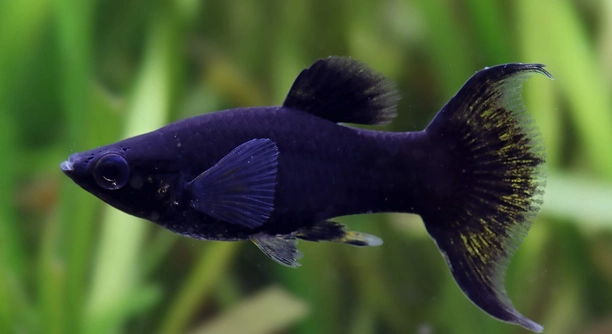
Black mollies are lively freshwater fish that often brighten up home aquariums. Observing them, you may notice they spend long hours tucked away among plants or decorations, leaving their vibrant colors hidden from view.
Black mollies hide primarily due to stress, environmental changes, or perceived threats. Factors such as poor water quality, aggressive tank mates, or sudden lighting changes trigger their instinct to seek shelter, allowing them to feel safe and conserve energy in a secure space.
Learning about their behavior can help you create a calm and welcoming environment for your mollies, ensuring they stay healthy and display their natural charm.
Common Reasons Black Mollies Hide
Black mollies often retreat when their environment does not feel safe. Changes in water temperature, poor water quality, or aggressive tank mates can all lead to hiding behavior. Even subtle disturbances, like sudden movements near the tank or strong lighting, can make them seek shelter. Plants, rocks, and decorations give them a sense of security, so they naturally gravitate toward hiding spots. Some black mollies are more timid by nature and prefer staying hidden during daylight hours. Providing adequate hiding spaces reduces stress and encourages them to explore the tank when they feel safe. Feeding routines and tank maintenance schedules can also influence their comfort. Keeping a calm environment with predictable patterns helps mollies become more confident. Over time, you may notice them gradually spending more time in the open as they adjust to a stable, supportive environment.
Creating a secure habitat with plants and hiding spots ensures black mollies feel comfortable and less stressed.
Hiding is a normal behavior, but consistent retreating may signal environmental issues. Regularly checking water parameters, maintaining temperature, and minimizing aggressive interactions improves their overall well-being and encourages active, healthy behavior.
How to Encourage Your Mollies to Explore
Gradually adjusting lighting and tank decorations can make mollies feel more confident in open areas.
Encouraging black mollies to spend more time outside their shelters requires patience and a gentle approach. Start by providing partial cover areas so they can explore while still feeling safe. Introducing tank mates slowly and ensuring they are non-aggressive reduces fear-based hiding. Maintaining clean water with stable temperature and pH levels is essential, as poor water conditions often drive them to hide. Feeding in consistent areas can also encourage movement, as mollies associate these spots with safety and food. Avoid sudden changes in the tank setup or lighting, as abrupt disturbances may reinforce hiding behavior. Observing their patterns over time allows you to identify when they feel comfortable enough to venture out. By combining environmental stability with gradual exposure, black mollies become more confident, showing off their natural colors and engaging more actively with their surroundings. This method helps balance their safety instincts with active exploration, keeping them healthier and more visible.
Tank Environment and Hiding
A crowded or poorly decorated tank can make black mollies feel unsafe. Minimal hiding spots or strong currents often push them into corners or behind plants.
Providing plants, rocks, or driftwood gives them secure areas to retreat while exploring. Even gentle water flow can reduce stress, as mollies prefer calm zones. Avoid overcrowding, as too many fish increase competition and fear. Consistent cleaning and monitoring of water quality also help mollies feel stable. Adjusting tank layout gradually allows them to get used to open spaces without feeling threatened, encouraging healthier activity and visibility.
Water quality is critical. Ammonia, nitrite, or sudden pH changes trigger hiding. Regular testing and partial water changes maintain balance, keeping mollies comfortable. Stable temperature reduces stress and helps them feel secure in the tank.
Feeding Habits and Behavior
Black mollies may hide if they feel threatened during feeding times. Sudden movements or aggressive feeders can intimidate timid fish.
Feeding in predictable areas encourages mollies to come out gradually. Offering smaller portions multiple times a day reduces competition and fear. Observing how mollies respond to food helps adjust feeding routines for comfort. Live or frozen foods can attract timid individuals, as the movement draws attention and encourages exploration. Pairing feeding with calm conditions ensures they associate the environment with safety. Over time, mollies begin to emerge more during meals, balancing instinctive caution with active feeding habits.
Stress and Social Dynamics
Black mollies may hide when stressed by aggressive tank mates or sudden changes in the environment. Stress can be caused by overcrowding, rapid movements near the tank, or loud vibrations.
Timid mollies naturally seek shelter to avoid conflict. Observing interactions helps identify which fish may be causing stress.
Lighting and Day-Night Cycle
Bright or inconsistent lighting can make black mollies retreat. They prefer moderate, stable light levels that mimic natural conditions. Adjusting light gradually and providing shaded areas helps them feel secure. Maintaining a consistent day-night cycle supports their natural rhythm, encouraging activity while reducing stress.
Health and Hiding
Illness can lead black mollies to isolate themselves. Lethargy, faded colors, or reduced appetite often accompany hiding behavior. Monitoring water quality and providing proper nutrition supports recovery and helps them regain confidence to explore.
Observation Tips
Regularly observing mollies’ patterns helps identify stressors or environmental issues. Noting when and where they hide guides adjustments for a healthier, more comfortable tank.
FAQ
Why does my black molly hide all the time?
Black mollies hide primarily due to stress or environmental discomfort. Poor water quality, sudden temperature changes, strong currents, or aggressive tank mates can make them feel unsafe. Providing adequate hiding spots, gentle water flow, and stable tank conditions helps them feel secure and encourages more visible, active behavior.
Is it normal for black mollies to hide during the day?
Yes, it is normal for some black mollies to hide during daylight hours. Timid individuals prefer retreating into plants or decorations to avoid potential threats. Gradually introducing them to open areas and maintaining calm conditions can help them become more confident over time.
Can hiding indicate illness in black mollies?
Hiding can sometimes signal health issues. If a black molly is lethargic, has faded colors, or refuses to eat, it may be unwell. Check water parameters, ensure proper nutrition, and observe for signs of infection or parasites. Early intervention improves recovery and encourages them to return to normal activity.
How can I make my black molly feel safe in the tank?
Providing hiding spots with plants, rocks, or decorations is essential. Gradually adjusting light levels, avoiding sudden tank changes, and maintaining stable water quality also helps them feel secure. Predictable feeding routines can encourage them to come out more often without stress.
Do black mollies prefer group or solo living?
Black mollies are social fish and feel safer in groups. A small school allows them to establish social hierarchies and reduces stress, making them more likely to explore the tank. Avoid overcrowding, as too many fish can increase tension and hiding behavior.
What kind of hiding spots do black mollies like?
Black mollies enjoy dense plants, driftwood, and rocks where they can retreat without feeling trapped. Floating plants or shaded areas also provide comfort. Mixing open spaces with hiding spots encourages activity while giving them the choice to stay hidden when needed.
How does water quality affect hiding?
Poor water quality is a major stressor for black mollies. High ammonia or nitrite levels, pH fluctuations, and sudden temperature changes can drive them to hide. Regular testing and partial water changes maintain a stable environment, reducing stress and promoting visible, healthy behavior.
Will my black molly ever stop hiding completely?
Some mollies are naturally shy and may never fully stay in open areas, but their confidence can improve with a stable, comfortable environment. Gradual exposure, consistent feeding, and safe hiding spots encourage them to spend more time visible while still respecting their instincts.
How can I encourage feeding without causing stress?
Feed in predictable spots and avoid sudden movements. Offer small portions multiple times a day to reduce competition. Live or frozen foods can attract timid fish, as movement encourages exploration and engagement. Over time, feeding can become a safe and positive activity that reduces hiding behavior.
Do lighting changes affect hiding behavior?
Yes, bright or fluctuating light can make black mollies retreat. Gradually adjusting lighting, providing shaded areas, and maintaining a consistent day-night cycle supports natural rhythms and reduces stress. Stable light conditions help timid mollies feel comfortable exploring the tank.
Can aggressive tank mates cause excessive hiding?
Absolutely. Aggressive or overly active fish can intimidate black mollies, causing them to stay hidden. Observing interactions and separating aggressive individuals when necessary ensures timid mollies feel safe and encourages normal activity patterns.
How long should I wait to see improvements in hiding behavior?
Improvements vary by individual fish, but gradual changes in tank conditions, predictable feeding, and adequate hiding spots usually show results within a few weeks. Patience and careful observation are key to helping black mollies feel secure and active again.
Does tank size influence hiding behavior?
Yes, smaller or overcrowded tanks increase stress and hiding. Black mollies need enough space to swim freely and establish territories while having access to safe retreat areas. Providing both open swimming zones and dense hiding spots balances activity with security.
Can black mollies hide at night too?
Some black mollies prefer sheltering at night, especially if the tank lighting is inconsistent. Ensuring a stable day-night cycle and calm nighttime conditions helps them feel secure while promoting natural rest and activity patterns.
Are there signs to tell if hiding is serious or normal?
Normal hiding is temporary and the fish remains healthy, eats regularly, and shows vibrant colors when out. Serious hiding often comes with lethargy, color fading, poor appetite, or unusual swimming behavior, signaling a need to check health and tank conditions.
Does diet impact hiding behavior?
Proper nutrition supports overall health and confidence. A varied diet of flake, frozen, or live foods keeps black mollies active and less prone to hiding due to weakness or stress. Avoid overfeeding, as uneaten food can degrade water quality and contribute to hiding behavior.
How do I balance hiding and visibility in my tank?
Offer multiple hiding spots while keeping some open swimming areas. Observing their habits and adjusting tank layout gradually helps timid mollies feel safe yet encourages regular activity and visibility. This balance supports both their instinctive behavior and your enjoyment of the tank.
Can seasonal changes affect hiding?
Yes, seasonal temperature or lighting changes can impact comfort levels. Maintaining consistent water parameters and adjusting tank lighting gradually ensures black mollies remain comfortable and reduces stress-related hiding.
Should I change my tank setup if hiding persists?
Minor adjustments often help, like adding plants, rearranging decorations, or creating shaded areas. Drastic changes can increase stress, so make modifications slowly. Observing how mollies respond allows you to fine-tune the tank environment for better confidence and reduced hiding.
Does age affect hiding behavior?
Younger or newly introduced mollies may hide more as they adjust to the tank. Older, established fish can also retreat if stressed. Age combined with temperament and environmental factors determines how often and how long a molly hides. Patience and stable conditions benefit all ages.
How can I monitor hiding without disturbing the fish?
Observe from a distance or during quiet periods without tapping on the glass. Note patterns, preferred hiding spots, and response to tank changes. Tracking behavior over time provides insights into their comfort and helps identify environmental or social issues.
Can black mollies hide due to fear of humans?
Yes, sudden movements near the tank or loud noises can trigger hiding. Consistent, calm interactions and predictable feeding reduce fear, helping mollies associate human presence with safety rather than stress.
Is hiding more common in certain types of black mollies?
While temperament varies individually, some strains are naturally more timid. Selecting compatible tank mates, providing proper shelter, and maintaining stable conditions ensures that even shy mollies can thrive and occasionally venture out.
How important is routine for reducing hiding?
Consistency is crucial. Regular feeding times, predictable tank maintenance, and stable lighting create a sense of security. A predictable environment encourages mollies to explore more confidently, reducing unnecessary hiding and promoting healthier, active behavior.
Do black mollies hide more when breeding?
Pregnant or breeding females often seek seclusion to reduce stress and protect themselves. Providing extra plants or decorations allows them to feel secure, minimizing hiding due to reproductive behavior while supporting their well-being.
Can I use tank mates to encourage hiding fish to come out?
Non-aggressive, peaceful tank mates can help timid mollies feel safer and gradually explore. Avoid introducing overly active or aggressive fish, as this increases fear and hiding. Observing interactions ensures a balanced social environment.
How do I know if hiding is caused by water quality?
Frequent hiding combined with poor appetite or faded colors often signals water issues. Test ammonia, nitrite, nitrate, and pH levels regularly. Correcting imbalances through partial water changes and filtration adjustments reduces stress and encourages more active behavior.
Can enrichment reduce hiding behavior?
Adding varied decorations, plants, and open swimming areas provides stimulation and comfort. Enrichment encourages exploration, making mollies feel secure yet engaged. Gradual introduction of new elements prevents stress while promoting visibility and natural activity patterns.
Does tank shape influence hiding?
Long, shallow tanks offer more swimming space and allow easier placement of hiding spots. Narrow, tall, or poorly arranged tanks can increase stress and make mollies feel exposed, encouraging retreat into corners or dense plant areas.
Are black mollies more likely to hide alone or in groups?
While shy individuals may retreat alone, small groups provide reassurance and safety. Schooling behavior reduces fear and encourages exploration, balancing hiding instincts with social interaction. Overcrowding, however, can have the opposite effect, increasing stress and retreating behavior.
Can seasonal changes affect hiding?
Temperature or lighting shifts during different seasons can impact comfort. Stable water conditions and gradual adjustments to tank lighting help mollies remain active, reducing hiding caused by environmental fluctuations.
What are early signs of chronic stress in hiding mollies?
Persistent hiding, lack of appetite, faded colors, or erratic swimming indicate chronic stress. Addressing environmental factors, adjusting tank mates, and ensuring proper nutrition support recovery and encourage more visible, healthy behavior.
How long should I observe before making changes to reduce hiding?
Monitor behavior over a few weeks to identify patterns. Sudden changes may increase stress, so slow, careful adjustments are more effective in encouraging timid mollies to explore without fear.
Can black mollies hide due to bullying from other fish?
Yes, dominant or aggressive tank mates often intimidate timid mollies. Observing interactions and separating aggressive individuals when necessary ensures hiding behavior is not due to fear, promoting a balanced and peaceful tank environment.
Do tank decorations influence hiding behavior?
Yes, providing plants, rocks, and shaded areas gives mollies places to retreat. Properly arranged decorations balance security with open swimming space, encouraging confidence and visible activity without forcing exposure.
Is hiding more frequent in new tanks?
Newly established tanks or recently introduced mollies may hide as they adjust. Gradual acclimation, stable water conditions, and adequate hiding spots help them feel secure, reducing prolonged retreat behavior.
Does feeding schedule affect hiding behavior?
Regular, predictable feeding times help mollies associate the environment with safety. Inconsistent feeding or overcrowded mealtimes can increase stress, prompting more hiding. Smaller, frequent feedings encourage activity and reduce fear.
Can temperature fluctuations cause hiding?
Yes, sudden changes in water temperature trigger stress. Stable conditions within the recommended range for black mollies encourage confidence, comfort, and more visible behavior in the tank.
Are some black mollies naturally more timid?
Individual temperament varies. Some mollies are naturally shy and hide more often. Respecting their instincts, providing safe areas, and gradual exposure helps them balance security with activity.
Can overcrowding increase hiding?
Too many fish increase competition and stress. Providing ample space and hiding areas reduces fear and encourages mollies to explore rather than remain hidden.
Does water current affect hiding?
Strong currents may drive mollies to retreat. Gentle, moderate flow mimics natural conditions, allowing comfortable swimming while offering calm areas for hiding when needed.
Can frequent tank maintenance cause hiding?
Excessive or abrupt maintenance may stress mollies. Performing gradual, predictable changes helps them feel secure, reducing unnecessary hiding behavior while keeping the tank clean and healthy.
How can I tell if hiding is temporary or persistent?
Temporary hiding is short and occurs with minor disturbances. Persistent hiding, coupled with color fading or poor appetite, signals environmental or health issues requiring attention.
Does tank placement in a room affect hiding?
High traffic areas or frequent vibrations can stress mollies, encouraging hiding. Placing the tank in a quiet, stable location reduces disturbances and promotes natural behavior and exploration.
Are black mollies more likely to hide after water changes?
Some may hide immediately after water changes due to altered conditions. Gradual changes and maintaining consistent temperature and water parameters reduce stress and help them adjust quickly.
Can seasonal changes affect hiding?
Sudden light or temperature variations may trigger hiding. Gradual adjustments help mollies feel secure, promoting consistent activity patterns and reducing stress-related retreat behavior.
Does diet influence hiding behavior?
A balanced diet supports energy and confidence. Timid mollies are more likely to explore if they feel healthy and strong. Overfeeding can reduce water quality, indirectly increasing hiding behavior.
Can introducing new fish trigger hiding?
Yes, adding unfamiliar tank mates can increase stress. Gradual introductions, quarantine procedures, and ensuring compatibility reduce fear, helping timid mollies explore instead of retreating.
How important is patience in reducing hiding?
Patience is essential. Gradual adjustments, consistent care, and stable tank conditions allow timid mollies to gain confidence naturally, reducing hiding without forcing exposure or causing stress.
Can hiding behavior be permanent?
Some mollies may always prefer hiding due to temperament. Providing comfort, safe spaces, and gradual exposure ensures they remain healthy while respecting their natural instincts.
Does hiding increase with age?
Older or newly introduced mollies may hide more. Age, combined with temperament and environmental factors, determines how often and how long a molly retreats. Maintaining stability supports all ages.
Can noise and vibrations affect hiding?
Yes, loud noises or vibrations from the environment can make mollies retreat. Keeping the tank in a quiet, stable location reduces stress and encourages natural activity.
Are certain tank mates better for shy mollies?
Peaceful, non-aggressive species provide reassurance and promote confidence. Avoid overly active or dominant fish to prevent increased hiding behavior. Gradual integration of compatible tank mates encourages exploration while ensuring safety.
Can hiding indicate breeding behavior?
Pregnant or breeding females may seek seclusion for protection. Extra hiding spaces allow them to feel secure without forcing exposure, supporting healthy reproductive behavior while minimizing stress.
How can I monitor hiding without causing stress?
Observe from a distance, track patterns, and note preferred hiding spots. Quiet observation helps identify stressors and environmental issues without disturbing their natural behavior.
Does tank shape affect hiding?
Tanks with adequate open swimming space and hiding spots encourage confidence. Narrow, tall, or poorly arranged tanks may increase retreat behavior. Adjusting layout gradually supports comfort and activity.
Can enrichment reduce hiding?
Adding plants, decorations, and varied swimming areas stimulates exploration. Gradual enrichment prevents stress and encourages mollies to balance hiding instincts with active behavior.
Does lighting affect hiding?
Stable, moderate lighting supports comfort. Sudden changes or overly bright conditions can increase hiding. Shaded areas and gradual adjustments help mollies feel secure while remaining visible.
Is hiding more frequent in new tanks?
New or recently introduced mollies may hide as they acclimate. Gradual adjustments, consistent care, and adequate hiding spots help them feel safe and reduce prolonged retreat behavior.
Can overcrowding increase hiding?
Overcrowding raises competition and stress. Providing sufficient space, hiding areas, and stable conditions encourages mollies to explore instead of staying hidden.
How long before hiding behavior improves?
Gradual environmental adjustments, stable care routines, and patience usually show results in a few weeks. Individual temperament and confidence levels affect timing.
Can water temperature fluctuations cause hiding?
Yes, sudden temperature changes stress mollies. Maintaining stable water parameters ensures comfort and promotes visible, active behavior.
Do all black mollies hide equally?
Temperament varies. Some are naturally timid, while others are more confident. Respecting individual behavior and providing appropriate conditions supports health and activity for all fish.
Can hiding affect their overall health?
Persistent hiding alone does not harm health, but it may indicate stress or environmental issues. Monitoring behavior, maintaining water quality, and offering adequate shelter support their well-being.
Does feeding routine influence hiding?
Consistent, calm feeding encourages exploration and reduces stress. Irregular or competitive feeding increases retreat behavior, while small, frequent portions foster confidence and active engagement.
Are black mollies more likely to hide in small tanks?
Smaller or overcrowded tanks increase stress, leading to more hiding. Adequate swimming space, hiding spots, and stable conditions reduce fear and promote natural activity.
Can hiding behavior indicate stress from water changes?
Sudden water changes can trigger hiding due to altered conditions. Gradual changes and stable parameters help mollies adjust comfortably and reduce retreat behavior.
Does personality influence hiding?
Yes, some mollies are naturally shy and prefer shelter, while others are bolder. Respecting temperament while providing security helps balance activity and hiding instincts.
Can tank location affect hiding?
High-traffic or noisy areas increase stress and retreat behavior. Quiet, stable locations reduce disturbances and encourage visible, natural behavior.
Does hiding occur more at night?
Some mollies may hide at night, especially with inconsistent lighting. Stable day-night cycles support natural rest while minimizing stress-related retreat behavior.
Can hiding reduce if I add more plants?
Yes, additional plants provide safe retreat spots, reducing stress and encouraging exploration. Gradual introduction prevents sudden fear responses.
Is hiding a permanent behavior for some fish?
Some mollies remain naturally shy. Providing security and gradual exposure ensures health and comfort while respecting their instinctive behavior.
How can I track hiding patterns?
Observe quietly, note locations, and track timing. Identifying triggers and patterns allows adjustments to reduce stress and promote active, confident behavior.
Can hiding indicate aggression from other fish?
Yes, dominant tank mates may intimidate timid mollies. Monitoring interactions and adjusting tank mates ensures balance and safety, reducing excessive hiding behavior.
Does enrichment affect hiding?
Varied plants and decorations stimulate exploration, balancing security with activity. Gradual enrichment reduces fear and encourages more visible, confident behavior.
Can sudden light changes trigger hiding?
Yes, abrupt lighting can stress mollies. Gradual adjustments and shaded areas help maintain comfort and natural activity.
Is hiding normal during acclimation?
Newly introduced fish often hide while adjusting. Stable conditions, hiding spots, and patience help them feel secure and reduce prolonged retreat behavior.
Does overfeeding indirectly increase hiding?
Yes, uneaten food degrades water quality, causing stress. Maintaining proper feeding supports comfort and reduces retreat behavior.
How do I know if hiding is stress or illness?
Temporary hiding is normal; persistent hiding with color fading, poor appetite, or lethargy indicates stress or illness and requires attention.
Can hiding behavior improve with gradual changes?
Yes, slow adjustments in lighting, tank layout, and feeding routines help timid mollies feel secure and encourage confident exploration over time.
Does hiding increase with aggressive fish in the tank?
Aggressive or dominant fish increase fear, leading to more hiding. Ensuring peaceful tank mates reduces stress and promotes visible behavior.
Can water current changes trigger hiding?
Strong currents may make mollies retreat. Gentle flow and calm areas support comfort while allowing natural movement.
Does hiding behavior vary by individual temperament?
Yes, some mollies are naturally shy, others bold. Respecting personality while providing security encourages balanced activity and healthy behavior.
Can tank rearrangement affect hiding?
Abrupt changes increase stress. Gradual adjustments with added hiding spots help mollies adapt comfortably while maintaining confidence
Black mollies are fascinating fish, and their hiding behavior is a natural part of how they interact with their environment. Observing a black molly retreat into plants or behind rocks can initially seem concerning, but it is often simply a response to stress, environmental changes, or instinctive caution. Many factors contribute to this behavior, including water quality, tank layout, lighting, and the presence of other fish. Understanding these factors helps create a safe and supportive environment where mollies can feel secure while still exploring their habitat. By paying attention to their hiding patterns, you can better recognize when they are simply being cautious and when there may be an underlying issue that requires attention. Over time, learning to read their behavior allows you to adjust the tank conditions and routines to match their comfort level, promoting a healthier, more visible, and active population.
Providing appropriate hiding spots is essential for black mollies. Plants, driftwood, rocks, and shaded areas all give them a sense of security, allowing them to retreat when needed. However, it is equally important to maintain open swimming areas, as mollies need space to exercise and display natural behavior. A balanced tank setup encourages them to explore without feeling constantly threatened. Consistent water parameters, a calm environment, and stable lighting all contribute to reducing stress, which is one of the main reasons mollies hide. Regular maintenance, including water changes and monitoring of ammonia, nitrite, and nitrate levels, ensures that their habitat remains safe and healthy. Feeding routines also play a role in their confidence, as predictable schedules help mollies associate certain areas of the tank with comfort and food, gradually reducing unnecessary hiding. Each adjustment should be made gradually to avoid startling the fish, allowing them to adapt at their own pace.
Hiding is not necessarily a problem unless it becomes persistent or is accompanied by signs of illness, such as faded colors, lethargy, or poor appetite. Timid mollies may always prefer to retreat to safe spaces, and this behavior can coexist with a healthy, thriving fish. Observing and understanding individual temperament helps in making the right environmental adjustments. Providing a stable, supportive environment with hiding spots, open swimming areas, and gentle interactions encourages confidence over time. By focusing on these aspects, you can ensure that black mollies remain healthy, active, and comfortable, while respecting their natural instincts to seek shelter when needed. Overall, their hiding behavior reflects their need for safety and balance, and creating a thoughtful, well-maintained tank helps them thrive while offering enjoyment and observation opportunities for their caretaker.

Hello,
If you enjoy the content that we create, please consider saying a "Thank You!" by leaving a tip.
Every little bit helps us continue crafting quality advice that supports the health, happiness, and well-being of pets around the world, for pets of all shapes, sizes, and species.
We really appreciate the kindness and support that you show us!