
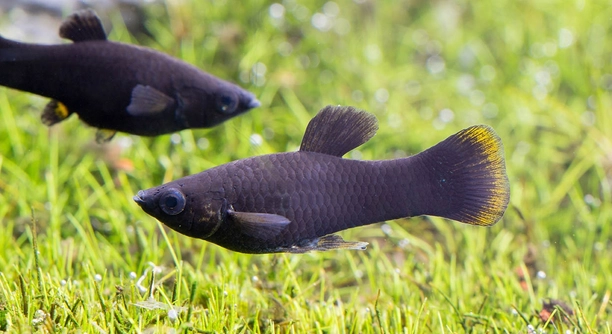
Have you ever noticed your black molly lingering at the bottom of the tank, barely moving while other fish swim actively around it? Watching your pet behave this way can feel worrying and confusing.
A black molly may stop swimming due to poor water quality, illness, stress, improper diet, or temperature changes. Each factor affects the fish’s energy levels and overall health, making movement difficult and impacting its normal behavior in the aquarium.
Understanding these reasons can help you create a healthier environment for your molly. Paying attention to small changes can prevent bigger problems in the future.
Poor Water Quality
Poor water quality is one of the main reasons black mollies stop swimming. If the water in your tank is dirty or contains high levels of ammonia, nitrites, or nitrates, your fish can become stressed and lethargic. Black mollies are sensitive to changes in their environment, and even small amounts of toxins can impact their health. Regular water testing and changes are essential to keep them active. A sudden shift in pH or hardness can also cause discomfort, making your molly stay still at the bottom of the tank. Overfeeding can worsen water conditions, leaving waste to accumulate and affect the fish. Ensuring a clean, stable environment allows your molly to regain energy and swim normally. Filtration and proper maintenance schedules are key to keeping water safe and comfortable for your black molly, supporting both activity and long-term health.
Maintaining clean water prevents stress and illness, ensuring your molly remains active and healthy in its tank.
Consistently monitoring water parameters, changing a portion of the tank water weekly, and avoiding overfeeding are simple steps that make a big difference. Adding live plants can help absorb some toxins, and using a good filter maintains circulation. Observing your molly’s behavior after cleaning helps you understand its preferences. Avoid sudden changes, like introducing tap water without treating it, as this can shock your fish. Patience and consistent care will often restore your molly’s energy and swimming habits without medical intervention.
Temperature Fluctuations
Temperature changes in the tank can slow your molly’s movements.
Black mollies prefer stable temperatures between 72°F and 78°F. Sudden drops or spikes stress their metabolism and reduce activity.
Keeping a consistent temperature is important for your fish’s health. Use an aquarium heater if needed and check it regularly. Even small fluctuations can affect appetite and swimming patterns. Place the tank away from drafts, direct sunlight, or air conditioning vents. Observing your molly after adjusting the temperature can indicate whether stress is resolving. Maintaining a steady, suitable environment ensures your fish can move freely and stay energetic. Regular monitoring helps prevent long-term issues like weakened immunity or disease. Temperature consistency works alongside clean water and proper nutrition to keep your black molly swimming confidently and comfortably every day.
Illness or Parasites
Illness and parasites can make your black molly sluggish or stop swimming altogether. Signs like clamped fins, faded color, or unusual spots often indicate a problem. Quick detection is important to prevent worsening conditions and help your fish recover.
Some common illnesses include ich, fin rot, and bacterial infections. Parasites like flukes or protozoa can also weaken your molly, causing fatigue and reduced activity. Early intervention with proper treatment, such as medicated water or quarantine, increases recovery chances. Observing how your molly eats, moves, and interacts with other fish provides clues about its health. Combining good water care with proper medication helps prevent recurrence and keeps your molly energetic.
Regular monitoring is key. Removing sick fish from the main tank, treating the water, and maintaining cleanliness all play a role. Healthy tankmates reduce stress, while a stable diet supports recovery. Even minor symptoms, if left untreated, can worsen quickly. Paying attention daily ensures your molly stays active and thriving.
Stress and Tank Environment
Stress from overcrowding, aggressive tankmates, or sudden changes can stop your black molly from swimming normally. A calm, stable environment encourages activity and reduces health risks.
Overcrowded tanks limit space for swimming and increase competition for food, causing stress. Aggressive fish can chase or nip mollies, making them hide or stay still. Even changes in lighting or decorations can unsettle them. Providing enough room, hiding spots, and gentle companions helps mollies feel safe. Gradual adjustments in the tank and careful introduction of new fish minimize anxiety. Stress also affects the immune system, making mollies more prone to illness, so reducing stress directly supports overall health.
Observing interactions among tankmates is essential. Remove aggressive species if needed and provide gentle companions. Adding plants or ornaments can give your molly hiding spaces to feel secure. Avoid frequent rearrangements, as constant change increases stress levels. Feeding at regular intervals with a balanced diet also promotes stability. These steps create a comfortable environment, encouraging swimming and normal behavior while preventing long-term health issues caused by stress.
Improper Diet
An unbalanced diet can make your black molly weak and less active. Feeding too little or giving low-quality food affects energy levels, making swimming slower or sporadic.
Black mollies need a mix of protein and plant matter. Flakes, pellets, and occasional vegetables help maintain health. Avoid overfeeding, which can lead to water problems and obesity.
Low Oxygen Levels
Low oxygen in the tank reduces activity and causes gasping at the surface. Proper aeration and circulation keep your molly swimming energetically and prevent stress.
Old Age
Older black mollies naturally slow down. Reduced energy and weaker muscles can make them stay near the bottom, moving less than younger fish.
Why is my black molly staying at the bottom of the tank?
A black molly staying at the bottom is usually a sign of stress, illness, or poor tank conditions. Water quality, temperature, overcrowding, or aggressive tankmates can all contribute. Observing behavior and checking tank conditions helps determine the cause.
Can poor water quality really stop a molly from swimming?
Yes. High levels of ammonia, nitrites, or nitrates, as well as sudden pH changes, can make your molly lethargic. Dirty water stresses fish and affects their metabolism. Regular water tests and partial water changes are essential for recovery and continued activity.
How do I know if my molly is sick or has parasites?
Look for clamped fins, faded colors, white spots, or unusual swimming patterns. Loss of appetite and lethargy are also common. Quarantining the fish and treating the tank with appropriate medication can prevent illness from spreading to other fish.
Could my molly be stressed?
Stress is common in black mollies. Overcrowding, aggressive tankmates, loud noises, or frequent changes in lighting or decorations can all create stress. Providing hiding spaces, gentle companions, and stable conditions helps mollies feel safe and encourages normal swimming.
Does diet affect my molly’s activity?
Absolutely. Black mollies need a mix of protein and plant-based food. Flakes, pellets, and occasional vegetables keep them energetic. Overfeeding or feeding low-quality food can weaken them, reduce swimming, and impact overall health. A balanced diet supports energy levels and immune function.
Can temperature changes slow down my molly?
Yes. Black mollies thrive in stable temperatures between 72°F and 78°F. Sudden drops or spikes can reduce metabolism, making swimming sluggish. Using a heater and monitoring temperature consistently keeps fish active and reduces stress-related health problems.
Is low oxygen a reason for reduced swimming?
Low oxygen levels can cause your molly to stay near the surface or move less. Proper aeration, water circulation, and avoiding overcrowding are key to maintaining oxygen levels. Healthy oxygenation ensures energy for swimming and overall well-being.
Could age be affecting my molly’s movement?
Older mollies naturally slow down. Muscle strength and energy decrease, causing them to spend more time at the bottom. While age cannot be reversed, maintaining clean water, proper nutrition, and a calm environment helps older fish stay comfortable and active as much as possible.
How can I prevent my molly from stopping swimming in the future?
Maintain clean water, stable temperature, and a balanced diet. Avoid overcrowding and aggressive tankmates. Observe behavior regularly and address small issues early. Consistent care and attention to the tank environment promote long-term health and normal swimming habits for black mollies.
When should I seek professional help for my molly?
If symptoms like lethargy, unusual spots, clamped fins, or rapid breathing persist despite proper care, a vet or experienced aquarist should be consulted. Early intervention can prevent serious illness and improve recovery chances. Professional guidance is important for complex health issues.
Can tank decorations affect my molly’s swimming?
Yes. Sudden rearrangements or sharp objects can stress mollies or cause injury. Providing hiding spots with stable decorations helps mollies feel secure. Smooth and consistent tank setups reduce stress, encouraging natural swimming behavior.
How often should I monitor water quality?
Weekly checks of ammonia, nitrites, nitrates, and pH are recommended. Frequent monitoring ensures early detection of problems. Regular partial water changes, proper filtration, and observation of fish behavior help maintain a healthy, active environment.
What should I do if my molly refuses to eat?
Loss of appetite often signals stress or illness. Check water quality, temperature, and tank conditions first. Offering high-quality, varied food in small amounts and observing for signs of disease can help. If appetite doesn’t return, consider medical treatment or quarantine.
Can multiple factors cause my molly to stop swimming?
Yes, it’s often a combination. Stress, illness, poor water quality, temperature changes, low oxygen, diet issues, and age can all interact. Addressing each factor individually while maintaining overall tank health ensures your molly stays active and healthy.
How long does it take for a molly to recover?
Recovery time depends on the cause. Minor stress or water issues can be resolved in a few days, while illness or parasites may take weeks of treatment. Consistent care, proper diet, and clean water speed up recovery and restore normal swimming habits.
Is it normal for mollies to rest at the bottom sometimes?
Yes, occasional resting is normal, especially at night or after feeding. But prolonged inactivity, especially during the day, usually signals a problem that needs attention. Consistent observation helps distinguish normal resting from concerning lethargy.
What are the best practices for keeping black mollies active?
Stable water conditions, a balanced diet, proper tank size, gentle companions, and hiding spaces are essential. Monitor temperature, oxygen levels, and fish behavior regularly. Regular care and attention prevent stress, illness, and inactivity, keeping your molly swimming confidently and comfortably.
How can I make my molly feel more secure?
Adding plants, rocks, or ornaments provides hiding spots. Avoid sudden tank changes, loud noises, or aggressive fish. Security reduces stress and encourages swimming. Mollies feel safer when their environment is consistent, quiet, and offers places to retreat when needed.
Is it okay if my molly swims slowly after illness?
Yes, slow swimming can continue for a short time after recovery. Ensuring clean water, proper diet, and calm surroundings helps regain energy. Gradual improvement in swimming indicates recovery is progressing well, while persistent lethargy may need further intervention.
How can I balance multiple factors affecting my molly?
Focus on water quality, diet, temperature, stress reduction, and regular observation. Address each issue step by step. Consistency in care and attention to detail helps mollies regain energy and maintain healthy swimming habits while preventing future problems.
What signs show that my molly is fully recovered?
Active swimming, bright colors, responsive behavior, and normal feeding indicate recovery. Regular observation ensures your molly remains healthy, energetic, and ready to interact with the tank environment confidently.
Black mollies are lively, social fish that usually swim around their tank with energy and curiosity. When they suddenly stop swimming or spend long periods at the bottom, it can feel worrying. Several factors can affect their behavior, and most are related to the environment, diet, or health. Poor water quality is a major issue. High levels of ammonia, nitrites, or nitrates, or sudden pH changes, can stress your fish and reduce activity. Overfeeding or leftover food can make water dirty faster, which also impacts movement. Maintaining clean water through regular testing and partial water changes keeps mollies active and reduces health risks. Even small adjustments, like using a filter and avoiding overcrowding, make a noticeable difference.
Temperature is another important factor for black mollies. These fish prefer a stable environment between 72°F and 78°F. Sudden changes in temperature can slow metabolism, making swimming sluggish and affecting appetite. Low oxygen levels in the tank can also make mollies stay near the surface or move less. Using a heater when needed, checking water temperature regularly, and ensuring proper aeration can prevent these issues. Stress caused by aggressive tankmates, frequent rearrangement of decorations, or overcrowding can also affect movement. Providing hiding spots and gentle companions helps mollies feel secure and encourages normal swimming. Diet is equally important. A balanced mix of protein and plant-based food keeps them energetic, while poor-quality food or underfeeding can cause weakness and lethargy.
Health problems and age can contribute to reduced activity as well. Illnesses like bacterial infections, parasites, or fin rot make swimming difficult. Observing your molly for signs such as clamped fins, unusual spots, or faded colors can help detect problems early. Quarantining sick fish and treating the water appropriately supports recovery. Older mollies naturally slow down and spend more time resting at the bottom, but maintaining clean water, proper diet, and a calm environment helps them stay comfortable. Paying attention to these factors consistently ensures your black molly can swim actively, eat well, and remain healthy. Regular observation, proper care, and creating a stable, safe tank environment are key to preventing issues and supporting your fish’s long-term well-being.

Hello,
If you enjoy the content that we create, please consider saying a "Thank You!" by leaving a tip.
Every little bit helps us continue crafting quality advice that supports the health, happiness, and well-being of pets around the world, for pets of all shapes, sizes, and species.
We really appreciate the kindness and support that you show us!