
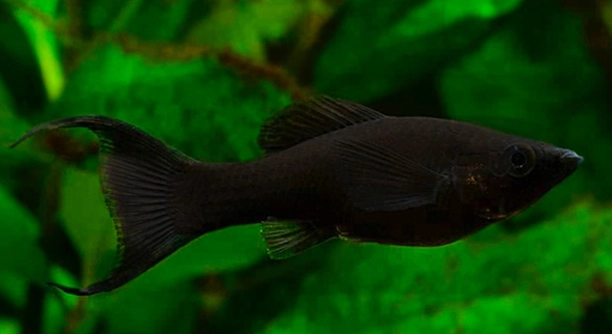
Black Mollies are popular freshwater fish admired for their striking appearance and peaceful temperament. Many aquarists enjoy keeping them in community tanks, appreciating their activity and adaptability. Understanding their behavior is key when mixing species.
Black Mollies can generally coexist with slow-moving fish if the tank is spacious and has sufficient hiding spots. Compatibility depends on temperament, water parameters, and feeding habits. Proper monitoring ensures that faster Mollies do not outcompete or stress slower species.
Knowing the right conditions for a harmonious tank helps maintain fish health. Proper planning and observation will ensure all species thrive together comfortably.
Understanding Black Molly Behavior
Black Mollies are active and social fish, often swimming quickly across the tank. They prefer open spaces but also need hiding spots like plants or decorations. Their activity level can be intimidating to slower fish, which may retreat to corners or behind decorations. Proper feeding is essential, as Black Mollies tend to eat quickly, potentially leaving less food for slower species. Water parameters play a critical role in keeping all fish healthy. Mollies thrive in slightly alkaline, clean water, and regular maintenance prevents stress and disease. Observing interactions helps ensure that faster swimmers do not harass slower ones. Adding a mix of floating and rooted plants can create a natural environment, giving timid fish areas to rest. Choosing tank mates with similar temperaments minimizes conflict. Over time, slower fish may become accustomed to Mollies, reducing stress and allowing peaceful cohabitation in a well-maintained tank.
Black Mollies need space and stable water conditions to coexist peacefully with slower fish.
Proper planning, careful monitoring, and thoughtful tank setup can ensure a balanced aquarium where all fish feel secure and thrive naturally.
Feeding Strategies for Mixed Tanks
Feeding slower fish separately ensures they get proper nutrition.
Black Mollies often consume food quickly, which can leave slower fish underfed. To prevent this, feed in multiple locations or use sinking pellets for bottom dwellers. Adjust portion sizes and feeding frequency based on species needs. Observing eating behavior helps identify if any fish are missing meals. Supplementing diets with vegetables or protein-rich options ensures all species receive balanced nutrition. Avoid overfeeding, which can degrade water quality and stress fish. Rotating foods keeps diets interesting and promotes healthy growth. Consistent schedules reduce competition and aggression during meals. Small, frequent feedings give slower fish opportunities to eat without interruption. Tank layout can also help; placing hiding spots or plants near feeding areas allows timid fish to feed safely. Monitoring body condition and behavior confirms dietary adequacy and supports long-term health. Proper feeding strategies maintain harmony and prevent dominance by faster eaters.
Tank Setup Considerations
Providing adequate space prevents stress among all fish.
A tank size of at least 20 gallons is recommended for Black Mollies with slower fish. Include plenty of plants and decorations to create hiding spots and reduce territorial disputes. Open swimming areas allow active species to move freely while giving timid fish safe zones. Substrate choice matters; smooth gravel or sand prevents injury. Proper filtration and regular water changes maintain clean water and stable parameters. Lighting should mimic natural cycles to reduce stress and promote healthy behavior. Temperature should be consistent, ideally between 72–78°F, to suit both Mollies and slower species. Strategic placement of plants, rocks, and driftwood encourages natural behavior and reduces conflicts.
Monitoring interactions is key to prevent stress.
Adjusting decorations and swimming space based on fish behavior can significantly improve coexistence. Observing where slow fish retreat and how Mollies interact helps refine the setup. Using taller plants near the back of the tank provides visual barriers. Mid-level open swimming areas suit Mollies while lower-level zones allow slower fish to feed comfortably. Aeration and gentle water flow support oxygenation without stressing timid species. Multiple feeding zones help reduce competition. Grouping slow fish together or near sheltered areas encourages exploration and reduces intimidation. Over time, all species may adapt to each other’s presence if the environment meets their needs consistently.
Monitoring Fish Health
Early detection of stress prevents illness.
Regular observation helps identify signs of stress in slower fish, such as hiding, loss of appetite, or faded colors. Mollies may chase timid fish if the tank is overcrowded or poorly structured. Water testing is crucial to detect ammonia, nitrites, or nitrates that can harm sensitive species. Maintaining stable pH and temperature supports overall health. Quarantining new additions reduces the risk of introducing disease. Removing sick fish promptly prevents outbreaks. Healthy fish display normal swimming patterns, active feeding, and vibrant coloration. Adjustments in diet, tank layout, or water quality can quickly address emerging problems. Consistent care creates a balanced and healthy environment for all species.
Preventing conflicts relies on careful observation and proactive adjustments.
Ensuring that each species receives adequate space, nutrition, and shelter minimizes aggressive interactions. Strategic placement of plants, rocks, and hiding spots allows slower fish to feed and rest without interference. Observing social dynamics, such as chasing or fin-nipping, informs necessary changes in tank layout. Feeding strategies, including multiple feeding points or timed releases, reduce competition among fish. Regular maintenance, such as water changes and filter cleaning, maintains a stable environment. Introducing compatible tank mates gradually helps acclimate all species. Overcrowding should be avoided, as it increases stress and vulnerability to disease. Long-term observation ensures adjustments are effective, supporting peaceful coexistence and healthy growth.
Compatible Tank Mates
Peaceful, slow-moving fish such as guppies, platies, and tetras generally coexist well with Black Mollies. Avoid aggressive or overly large species that may intimidate or harm smaller fish. Choosing calm companions reduces stress and promotes a harmonious tank environment for all inhabitants.
Snails and bottom-dwellers like Corydoras catfish complement Mollies by occupying different tank levels. They rarely compete for space or food, making them suitable additions. Their presence adds variety without increasing aggression. Including species with distinct behaviors and swimming zones ensures a balanced aquarium, allowing Black Mollies and slower fish to thrive together naturally.
Adjusting Water Parameters
Maintaining consistent water quality is critical for all species. Black Mollies prefer slightly alkaline water with stable pH levels. Slow-moving fish may be more sensitive to sudden changes, requiring gradual adjustments. Temperature, hardness, and cleanliness should be monitored regularly to prevent stress and disease. Proper filtration and partial water changes support stable conditions.
Observation and Interaction
Monitoring fish behavior daily helps identify early signs of stress or conflict. Observing feeding, swimming, and resting patterns ensures all species are thriving.
FAQ
Can Black Mollies live with goldfish?
Black Mollies and goldfish generally should not share a tank. Goldfish thrive in cooler water, while Mollies prefer warmer temperatures. Their dietary needs differ, and Mollies’ faster swimming can stress slower goldfish. Keeping them separate ensures both species remain healthy and reduces stress-related problems.
How many Black Mollies can be kept with slow fish?
A common guideline is to maintain one Black Molly per two gallons of water, adjusting for slower tank mates. Overcrowding increases aggression, competition for food, and stress. Adequate hiding spots and open swimming areas are essential for coexistence. Observing interactions helps maintain a peaceful balance.
What slow fish are best with Black Mollies?
Small, peaceful species like guppies, platies, and tetras generally adapt well. Bottom dwellers such as Corydoras catfish are also suitable because they occupy different tank levels. Avoid aggressive, fin-nipping, or large fish, as they can intimidate or harm Mollies.
Do Mollies stress slower fish?
Fast-swimming Mollies can stress timid species if the tank lacks space or hiding areas. Providing plants, rocks, and multiple feeding zones reduces tension. Gradually introducing new fish allows slow-moving species to acclimate without fear or overexertion. Monitoring behavior ensures stress remains minimal.
How should I feed a mixed tank with Black Mollies?
Feed in multiple locations to prevent faster Mollies from dominating meals. Use sinking pellets for bottom dwellers and floating food for surface feeders. Small, frequent feedings give all fish access to nutrition. Supplement with vegetables or protein-based foods to maintain balanced diets.
Can Black Mollies harm baby fish or fry?
Mollies may eat fry if other food sources are available, particularly in community tanks. Providing dense plants or breeding boxes allows fry to hide. Separating breeding pairs temporarily can protect young fish until they grow large enough to swim safely among adults.
How do I manage aggression in a mixed tank?
Ensure ample swimming space and hiding spots. Observe chasing or fin-nipping closely and rearrange decorations if needed. Removing overly aggressive individuals or adjusting the male-to-female ratio can help. Maintaining proper feeding routines reduces competition-driven aggression and promotes peaceful coexistence.
What water conditions suit both Mollies and slow fish?
Black Mollies prefer slightly alkaline water with stable pH around 7.5–8.0. Slow fish often tolerate neutral to slightly alkaline water. Maintaining consistent temperature (72–78°F), moderate hardness, and regular partial water changes keeps both types healthy. Avoid sudden changes that may stress sensitive species.
Can Mollies and slow fish breed in the same tank?
Mollies breed readily, often producing live fry. Slow fish may not interfere, but fry survival depends on hiding spots. Dense plants or separate breeding tanks improve fry safety. Monitoring breeding activity prevents accidental overpopulation and ensures a balanced community.
How do I know if slow fish are stressed?
Signs include hiding, faded coloration, loss of appetite, or erratic swimming. Regular observation allows early intervention. Adjusting tank layout, feeding practices, or water quality helps reduce stress. A calm environment with proper shelter ensures all species thrive together.
Are there special considerations for tank cleaning?
Partial water changes and gentle substrate vacuuming prevent stress. Avoid disturbing hiding spots. Cleaning filters and monitoring water quality reduces ammonia, nitrite, and nitrate buildup. Stable conditions are more important than frequent deep cleaning, especially for timid, slow-moving fish.
What tank decorations work best for mixed communities?
Plants, rocks, and driftwood create visual barriers and resting areas. Floating plants provide cover for timid fish while allowing Mollies to swim freely. Arrange decorations to separate fast and slow swimmers and reduce direct line-of-sight chasing. Diversity in layout encourages natural behavior and peaceful coexistence.
Can Mollies adapt to slower fish over time?
Yes, with proper tank setup, feeding routines, and observation. Gradual acclimation and consistent care reduce stress and promote harmony. Over weeks, timid species may explore more confidently while Mollies maintain their activity without causing harm.
Final Thoughts
Black Mollies are active and resilient fish that can adapt well to community tanks if their environment is carefully managed. Their fast swimming and social nature mean they need space to move freely, which can initially intimidate slower fish. Providing hiding spots, plants, and decorations is essential to help timid species feel secure. A well-thought-out tank layout allows slower fish to find shelter and feeding zones without being stressed by the more active Mollies. Observing interactions between species helps identify potential issues early, allowing adjustments in tank arrangement or feeding routines. Maintaining stable water parameters is equally important. Mollies prefer slightly alkaline, clean water, and slower fish can be more sensitive to sudden changes. Regular water testing, filtration, and partial water changes ensure a safe and stable environment. Consistent care promotes harmony and reduces aggression, helping all fish coexist peacefully.
Feeding is another critical factor for mixed tanks. Black Mollies often eat quickly, which can leave slower fish underfed if meals are not managed carefully. Using multiple feeding points, sinking pellets, and floating foods ensures that each species receives proper nutrition. Small, frequent feedings prevent competition and allow timid fish to access food without stress. Including a variety of food, such as vegetables and protein-rich options, supports overall health and encourages natural feeding behavior. Monitoring fish during feeding times allows immediate attention if a slower fish is being outcompeted. With thoughtful feeding practices and careful observation, it is possible to create a balanced tank where both fast and slow swimmers thrive. Gradual acclimation of new species also reduces stress and promotes adaptation. Over time, fish can develop a routine where all species feed comfortably and coexist with minimal conflict.
The success of a mixed community tank depends on planning, observation, and maintaining consistent care routines. Tank size, water quality, decorations, feeding strategies, and compatible species selection all play a role in creating a peaceful environment. Slower fish can thrive alongside active Black Mollies when provided with sufficient space, hiding areas, and appropriate nutrition. Monitoring daily behavior and health ensures that stress is minimized and allows for timely adjustments if problems arise. Gradual introductions, consistent maintenance, and mindful feeding routines contribute to long-term harmony. By understanding the needs of both Black Mollies and slower tank mates, aquarists can create a thriving, balanced community where each fish feels secure, active, and healthy. Proper attention to these details ensures a stable, peaceful environment for all species in the tank.

Hello,
If you enjoy the content that we create, please consider saying a "Thank You!" by leaving a tip.
Every little bit helps us continue crafting quality advice that supports the health, happiness, and well-being of pets around the world, for pets of all shapes, sizes, and species.
We really appreciate the kindness and support that you show us!