
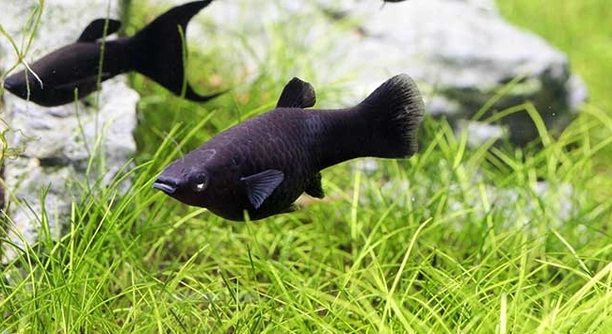
Have you ever prepared to bring home a black molly and felt unsure about what to expect during its move to a new aquarium environment while trying to keep everything as calm as possible today.
Moving a black molly requires careful attention to water quality, temperature stability, and transport conditions to reduce stress. Proper acclimation ensures the fish adapts safely, minimizing health risks and supporting a smooth transition into its new environment during relocation process.
These simple insights help you move forward with confidence, creating a smoother experience as you prepare for your black molly.
Understanding Water Conditions
Keeping your black molly comfortable starts with getting the water conditions right, and I like to focus on simple steps that make the aquarium feel steady and calm. These fish prefer clean water with stable parameters, so I keep an eye on temperature, pH, and hardness to prevent sudden shifts that may bother them. A temperature around the mid to upper seventies works well, and maintaining a current helps your black molly feel secure. I also make sure the filter runs smoothly and does not create harsh movement that could overwhelm the fish. Testing the water regularly makes it easier to catch small changes before they turn into bigger issues for your black molly. When I set up a tank, I let the system run for a bit to settle everything before adding the fish. This simple step supports a smooth introduction and helps your black molly adapt without stress.
Stable conditions keep your black molly from dealing with sudden changes that may wear it down. I try to keep things simple by checking the tank often and adjusting small details early. This makes the aquarium feel dependable and reduces stress on the fish while keeping its daily routine steady.
Understanding water conditions helps you support your black molly with steady care that feels manageable each day. I like to keep notes on simple maintenance tasks so the tank remains calm and balanced. Regular testing and small adjustments prevent issues from building up, giving the fish a stable environment where it can settle in comfortably. Clean water, consistent temperature, and reliable filtration all work together to protect your black molly from stress. When these pieces are in place, you can focus on small details that help your fish feel secure and active without extra effort in its daily routine today.
Preparing the Acclimation Process
Acclimating your black molly helps reduce stress during transfer, and I keep the steps simple to avoid confusion. Slow adjustments to temperature and water chemistry make the process smoother, giving the fish time to settle without shock or rapid shifts in its environment so everything stays steady and calm overall.
A careful acclimation process supports your black molly during its move, and I like to approach it with simple steps that do not overwhelm the fish. Floating the bag in the tank allows the temperature to match slowly, which keeps the fish from experiencing a sharp change that could cause stress. After the temperature settles, adding small amounts of tank water to the bag helps the fish adjust to the new chemistry at a comfortable pace. I continue this process for a short period until the water in the bag closely resembles the aquarium. When the conditions match well enough, I gently release the fish into the tank without pouring the transport water inside. This keeps the environment clean and prevents unwanted substances from entering the aquarium. A slow approach gives the black molly time to adapt, which supports better health and behavior. I also keep the lights low at first to avoid overwhelming the fish. These simple adjustments create a calm start for your black molly, making its move feel smoother and safer overall. With steady care during these early moments, the fish settles faster, builds confidence in its new space, and begins exploring its surroundings with calm attitude.
xxxxxxxxxxxxxxxxxxx
Maintaining a gentle environment helps your black molly settle without unnecessary stress. I keep movements around the tank calm and steady, especially during the first days. Limiting sudden noise and avoiding quick changes in lighting help the fish adjust without feeling overwhelmed or pressured in its new setting overall.
Keeping the tank predictable supports your black molly as it becomes familiar with its surroundings. I avoid rearranging decorations or changing equipment during the early phase because too many changes can unsettle the fish. Consistent feeding times also help build a simple routine that feels comfortable. When I handle daily tasks, I move slowly around the aquarium to avoid startling the fish. This helps reinforce a steady environment that allows the black molly to explore at a relaxed pace. Small choices like this create a sense of ease and reduce stress, helping your fish adapt more smoothly over time.
Giving your black molly a calm space encourages better behavior and overall comfort. I let the fish take its time before expecting active swimming or bold exploration. Soft lighting, steady filtration, and quiet surroundings help it feel more secure. These simple details create a balanced environment where the fish can rest, observe, and adjust without pressure. When the space remains peaceful, the black molly builds confidence at a natural pace and gradually begins showing brighter colors and steadier movement. This gentle approach supports a smoother transition and avoids common stress triggers.
xxxxxxxxxxxxxxxxxxx
Healthy feeding habits help your black molly stay stable after moving. I offer small portions that are easy to finish, keeping the tank cleaner and preventing leftover food from affecting water quality. This simple approach keeps meals predictable and supports gentle settling after relocation each day.
Feeding your black molly with care supports digestion and keeps stress low during its adjustment period. I choose foods that are easy for the fish to handle, such as small pellets or softened flakes that do not sink too quickly. Consistent timing helps the fish understand when to expect meals, which brings a sense of normal routine. I avoid overfeeding, since too much food can cloud the water or create waste that may disrupt the tank balance. When I notice the fish eating calmly and responding to feeding time, it shows that the routine is working well. These simple habits help your black molly gain confidence and maintain good health as it settles.
xxxxxxxxxxxxxxxxxxx
Providing steady filtration keeps your black molly comfortable without overwhelming it. I choose filters that create gentle movement, giving the fish a calm space to swim. Avoiding strong currents helps the black molly stay relaxed and prevents it from tiring itself out too quickly overall.
Regular filter checks keep the tank dependable. I clean the media lightly to maintain good flow without removing helpful bacteria. This balance supports stable water conditions and prevents sudden changes that may unsettle the fish. Simple upkeep keeps the aquarium steady and easy for your black molly to handle.
xxxxxxxxxxxxxxxxxxx
Watching your black molly closely helps you notice small signs of stress early. I look for changes in appetite, color, or activity because these shifts can appear when the fish is still adjusting. Gentle observation helps me understand when something needs attention, whether it is water quality, tank stability, or feeding habits. When I catch changes early, I can make small corrections that help the fish feel more secure. Consistent monitoring keeps the tank running smoothly and supports your black molly as it builds confidence in its new home. These simple habits make the adjustment period easier to manage.
xxxxxxxxxxxxxxxxxxx
Keeping the tank environment steady helps your black molly feel safe. I avoid sudden changes in temperature or lighting because small disruptions can affect its comfort. A calm and predictable routine supports the fish as it continues settling into its space.
FAQ
How long should I acclimate my black molly when moving it to a new tank?
I usually float the transport bag in the aquarium for about 15–20 minutes so the temperature adjusts slowly. Then I add small amounts of tank water to the bag every few minutes for another 20–30 minutes. This gradual process helps the black molly adjust to new water chemistry without shock. I’ve found that rushing this step often leads to stress or sudden health issues, so patience is key. By the time I release the fish, it’s calmer and more ready to explore its new surroundings, making the transition smoother for both the fish and me.
What temperature is best for black mollies during a move?
I keep the water between 75 and 80 degrees Fahrenheit. This range feels comfortable for black mollies and prevents temperature shock. Sudden cold or hot water can weaken their immune system and make them more prone to illness. I also make sure the transport container and aquarium are close in temperature before releasing the fish. A steady, moderate temperature reduces stress and keeps their metabolism stable. Maintaining this range during acclimation and the first few days in the tank helps the black molly settle quickly and reduces the risk of health problems.
Can I move multiple black mollies at once?
Yes, but I prefer moving only a few at a time to reduce stress and avoid overcrowding in the transport container. I make sure there’s enough space and oxygen in the bag for each fish. Too many fish in a small space can lead to aggressive behavior or difficulty breathing. I also separate any fish that show signs of illness to prevent contamination. Moving them in small, controlled groups allows me to monitor each fish closely, ensuring they all adjust well. This approach keeps the process safer and less stressful for both the fish and me.
Should I feed my black molly before moving it?
I avoid feeding the fish right before transport. Feeding can cause waste buildup in the bag, which reduces water quality and increases stress. I usually feed a few hours earlier, giving the fish time to digest. Once in the new tank and acclimated, I offer small, manageable meals. This reduces the chance of water pollution and helps the black molly stay calm during the move. Clean water and a light stomach are both important for minimizing stress and ensuring the fish arrives healthy and active.
How do I know if my black molly is stressed after moving?
I watch for rapid gill movement, hiding, loss of appetite, or faded color. These are common signs of stress. I respond by keeping lights dim, avoiding loud noises, and maintaining stable water parameters. Gentle handling and a calm environment help the black molly recover more quickly. Stress can last a few hours to a couple of days, depending on the move. Observing the fish closely during this period ensures I can address problems early. Providing a calm, predictable tank helps the black molly regain confidence and settle into its new home naturally.
Is it okay to mix black mollies with other fish after moving?
I usually wait a few days before introducing them to other tankmates. This gives the black molly time to acclimate and reduces the chance of territorial disputes or bullying. I choose peaceful fish and monitor interactions closely. Sudden exposure to aggressive or overly active fish can increase stress or injury risk. Waiting allows the black molly to build confidence and get used to its new environment. Introducing fish gradually ensures a smoother adjustment and helps maintain harmony in the tank without adding unnecessary tension or anxiety for the black molly.
How often should I check water quality after moving a black molly?
I check the water daily for the first week. I test temperature, pH, ammonia, nitrite, and nitrate levels to ensure stability. Sudden changes can cause stress or illness. Small, consistent checks help me catch issues early and make minor adjustments before problems grow. After the first week, I move to regular weekly checks but remain alert for any signs of trouble. Keeping the water stable ensures the black molly remains healthy, active, and comfortable during its critical adjustment period.
Can I use a heater or filter during transport?
I generally avoid using heaters or filters in a small transport bag because they can be unsafe in confined spaces. Instead, I focus on controlling temperature by floating the bag and using insulated containers if needed. For short moves, a stable container and calm water are enough. A gentle filter is fine once the black molly is in the new tank, but during transport, less equipment reduces risk. This approach keeps the fish safe and minimizes stress while still maintaining an environment close to its home conditions.
How do I reduce stress during the first days in the new tank?
I keep lights dim, limit sudden movement near the tank, and avoid rearranging decorations. I provide hiding spots and maintain consistent feeding times. Small, gentle changes each day help the black molly adjust naturally without feeling overwhelmed. I also observe behavior and adjust care if needed, creating a calm, steady environment that supports recovery and confidence.
Can black mollies tolerate tap water during a move?
I always use treated water to remove chlorine or chloramines. Untreated tap water can harm gill function and increase stress. I use a water conditioner and ensure temperature and pH are close to the tank’s before moving. Treated water helps the black molly stay healthy and reduces risk of illness or shock during relocation.
How long should I wait to interact with my black molly after moving?
I usually give the fish a few days to settle before interacting closely. During this period, I observe behavior quietly and avoid tapping the glass or sudden movements. This helps the black molly feel safe, encourages natural behavior, and reduces stress while it gains confidence in its new environment.
What signs indicate water chemistry adjustments are needed?
I look for sudden lethargy, gasping at the surface, or unusual swimming patterns. These signs often mean ammonia, nitrite, nitrate, or pH levels are off. I respond by testing the water, performing partial water changes, or adjusting filtration. Quick action prevents stress or illness and keeps the black molly stable.
How important is tank size during a move?
I ensure the transport container is spacious enough for comfortable swimming without crowding. A cramped space increases stress, raises ammonia levels, and can cause injuries. Providing room and maintaining gentle water movement makes the move safer and helps the black molly arrive healthy and calm.
How long can black mollies stay in a transport container?
I keep transport time under a few hours whenever possible. Extended periods increase stress and reduce water quality. Short moves with proper acclimation are safer and more comfortable. For longer trips, I add oxygenation and monitor water temperature closely to reduce risk and maintain stability.
What should I do if my black molly shows illness after moving?
I isolate the fish in a separate tank if needed and monitor symptoms. I check water quality, adjust feeding, and consider gentle treatments if necessary. Early action helps prevent spread of illness and supports recovery while protecting other tank inhabitants. Observation and timely care are key to recovery.
How often should I feed during the first days after moving?
I offer small meals once or twice daily, avoiding overfeeding. Light, frequent feeding reduces waste and stress, and helps the fish regain energy. I monitor appetite and adjust portions carefully. Maintaining a consistent routine supports the black molly’s health and comfort.
Is it necessary to rearrange the tank after moving a black molly?
I avoid major changes for at least a week. Stability helps the fish feel secure. Gradual rearrangements can be done later if needed, but sudden changes increase stress and delay adjustment. Keeping the environment consistent supports confidence and exploration.
Can I add more black mollies immediately after moving one?
I wait a few days to ensure water stability and that the first fish is comfortable. Adding multiple fish at once can increase stress and risk of aggression. A gradual introduction keeps the tank peaceful and maintains a stable environment for all inhabitants.
What type of hiding spots are best after moving?
I provide plants, rocks, or small decorations that allow the black molly to retreat if stressed. These areas help the fish feel safe while adjusting. Avoiding open, empty tanks reduces anxiety and encourages confident exploration over time.
Should I change the water right after moving a black molly?
I avoid immediate water changes unless parameters are off. Sudden changes can shock the fish. I let the tank settle for a day or two, then perform gentle partial changes as needed. This approach keeps the environment stable and reduces stress.
How do I know when the black molly is fully adjusted?
I look for normal swimming, consistent appetite, bright color, and relaxed behavior. When the fish explores the tank, interacts calmly, and eats reliably, I consider it adjusted. These signs show that the acclimation process was successful and the black molly feels comfortable.
What common mistakes should I avoid during a move?
Rushing acclimation, overfeeding, crowding, or sudden changes in water or light are key mistakes. I focus on slow, controlled steps, gentle observation, and maintaining a calm environment. Avoiding these errors supports a safe, stress-free move for your black molly.
How do I reduce the risk of infection after moving?
I maintain clean water, avoid overcrowding, and observe the fish for early signs of illness. Using treated water and limiting stress helps prevent infections. Quick response to minor issues keeps the black molly healthy and supports a smooth adjustment period.
Can black mollies tolerate slightly different water pH after moving?
Small differences are usually tolerated if changes are gradual. I avoid sudden shifts, adding water slowly and testing parameters. Gradual adaptation reduces stress and ensures the black molly remains healthy while adjusting to its new environment.
What should I do if the black molly hides constantly after moving?
I keep lights low, maintain quiet surroundings, and ensure hiding spots are available. This is normal behavior initially, and with patience, the fish gradually explores. Forcing interaction increases stress, so gentle observation works best.
How long does it take for a black molly to fully settle?
Most fish show significant adjustment within a week, but full comfort may take two to three weeks. I continue monitoring water quality, feeding, and behavior to ensure the black molly adapts steadily and stays healthy throughout the process.
Can I use stress-relief products during the move?
I sometimes use water conditioners that reduce stress, but I avoid over-reliance. These products help with minor shock but are not a substitute for proper acclimation, gentle handling, and stable water conditions. Simple care remains the most effective method.
How do I handle transport during extreme weather?
I avoid exposing the fish to direct sun, freezing temperatures, or drafts. Insulating containers and monitoring temperature closely helps maintain stability. Planning transport during mild conditions reduces stress and protects the black molly’s health during the move.
Is it necessary to quarantine a new black molly?
Yes, I keep the fish separate for at least a week to monitor health and prevent disease spread. Quarantine ensures water quality and reduces stress from interactions with established tankmates. Observing the black molly during this period supports a safer introduction.
What is the best container for moving black mollies?
I use clean, smooth containers with enough water for the fish to swim comfortably. Bags or small tubs work, provided oxygen and temperature are managed. Avoid overcrowding, sharp edges, or unstable containers that may harm the fish. Proper setup keeps the black molly safe.
How do I prevent fin damage during the move?
I avoid overcrowding and rough handling. Smooth, gentle containers prevent fin tearing. Maintaining calm movements while transporting reduces collisions, stress, and physical injury. This simple step protects the black molly during relocation.
Should I adjust lighting after moving a black molly?
I keep lighting soft for the first few days. Bright lights can increase stress. Gradually returning to normal lighting helps the fish adjust without discomfort and supports natural behavior in the tank.
How much water should I use in the transport bag?
I fill the bag enough for swimming but not so much it risks spillage. Usually one-third to half the bag works. Proper water level keeps the black molly comfortable while ensuring oxygen availability and manageable handling.
Can black mollies share a bag with other fish?
Yes, if the fish are compatible, but I limit numbers to avoid overcrowding and stress. I ensure enough oxygen and space, and monitor behavior closely. Too many fish in one bag increases risk and discomfort during transport.
What should I do if the black molly jumps during transport?
I use secure lids or tightly closed bags to prevent escape. Mollies can jump when stressed, so covering the container helps prevent injury and keeps the fish safe. Gentle handling reduces this behavior during relocation.
How do I reduce stress if the black molly seems sick during transport?
I keep water stable, minimize movement, and maintain gentle handling. If symptoms are severe, I prepare a quarantine setup immediately. Calm, careful actions prevent worsening stress and help protect the fish until it reaches its new tank safely.
How long can a black molly survive without food during transport?
They can tolerate short periods, usually a few hours, without eating. I avoid feeding immediately before transport to reduce waste, then offer small meals after acclimation to support recovery and energy levels.
What signs indicate water oxygenation is low?
I watch for gasping at the surface or lethargy. If these appear, I increase oxygen or reduce fish numbers. Proper transport conditions prevent stress and keep the black molly safe until it reaches the new tank.
Is it necessary to use a lid on the tank after moving a black molly?
Yes, to prevent jumping and maintain a calm environment. A lid reduces stress and protects the fish while settling. I make sure it is secure but allows some air exchange for safety.
Can black mollies adjust to slightly different water hardness?
Yes, gradual adjustment works. I mix tank water with transport water slowly to reduce shock. Sudden shifts in hardness can stress the fish, so small steps keep it healthy during acclimation.
How do I keep the transport container stable during travel?
I secure it to prevent tipping and avoid sudden movements. Insulating the container helps maintain temperature. Gentle handling ensures safety and reduces stress for the black molly.
How important is light exposure during transport?
Low light reduces stress. I cover the container partially if needed. Bright or flashing light can increase anxiety, so keeping it calm helps the fish arrive healthy.
What is the first thing to check after placing the black molly in a new tank?
I observe swimming behavior, breathing, and color. Any abnormal signs indicate stress or water issues. Early observation allows me to adjust care and maintain stable conditions.
How often should I perform water changes after moving?
Small, gentle changes every few days help maintain stability. I avoid large, sudden water replacements, which can shock the fish. Consistency supports health and comfort.
Can I use air pumps during transport?
For longer moves, small air pumps help oxygenation. I monitor flow to avoid strong currents. This keeps the black molly calm and prevents oxygen depletion.
How do I prevent cross-contamination between tanks?
I use separate nets, containers, and equipment for the new fish. Cleaning tools before reuse prevents disease spread. Maintaining hygiene supports health for all tank inhabitants.
How do I keep track of acclimation timing?
I use a timer or note the start time to pace water addition and floating periods. This ensures the black molly adjusts gradually without rushing the process.
Is it necessary to remove decorations before moving a black molly?
No, I usually leave them in the tank, but I avoid moving the decorations during the first days. Stability helps the fish settle without stress from unfamiliar surroundings.
How do I minimize stress during repeated moves?
I plan carefully, keep water and temperature stable, and handle the fish gently. Using consistent routines and short transport periods reduces cumulative stress.
What should I do if the black molly refuses to eat after moving?
I continue offering small portions at consistent times. Patience is key. Sometimes a few days are needed while the fish adjusts. Observing for other signs ensures no underlying problem exists.
Can black mollies tolerate different lighting schedules after moving?
Gradual adjustment works best. I avoid sudden long exposures or changes in light intensity. Consistency helps the fish feel safe and reduces stress.
How do I maintain water pH stability after moving?
I test regularly and adjust gradually if needed. Adding small amounts of treated water from the original source helps balance pH. Rapid changes can stress the black molly, so slow correction is safest.
Should I rearrange plants after moving?
I wait until the fish is comfortable. Sudden changes can confuse or stress the black molly. Once settled, I adjust decorations gradually if needed.
How do I prevent fin rot after moving?
Clean water, stable conditions, and careful monitoring help. I avoid overcrowding and provide hiding spaces. Early signs are treated promptly to prevent worsening.
Is it normal for black mollies to hide a lot after moving?
Yes, initial hiding is common. I provide shelter and maintain calm surroundings. Gradually, the fish begins exploring as confidence grows.
How do I know when to reintroduce tankmates?
Once the black molly shows normal swimming, appetite, and relaxed behavior, I slowly add others while monitoring interactions closely to ensure safety and reduce stress.
How do I prevent stress-related illness after moving?
Stable water, gentle handling, consistent feeding, and quiet surroundings are key. Observing behavior daily helps catch issues early and maintain overall health.
Can black mollies handle short-term travel in colder climates?
I insulate containers and monitor temperature carefully. Avoiding extreme cold and limiting travel duration helps protect the fish from temperature stress and keeps it healthy.
What should I avoid during the first week in a new tank?
I avoid rearranging decorations, changing water parameters drastically, overfeeding, or exposing the fish to sudden light or noise. Calm, consistent care helps the black molly adjust smoothly.
How important is observation after moving a black molly?
Daily, careful observation is essential. It allows me to catch stress signs, illness, or environmental issues early, ensuring the fish remains healthy and comfortable.
Can black mollies adjust to minor differences in salinity?
Yes, gradual introduction works. I slowly mix water if needed. Sudden shifts can stress the fish, so small adjustments are safest during acclimation.
How do I prevent stress if multiple moves are necessary?
I plan each move carefully, minimize duration, maintain stable water and temperature, and handle fish gently. Short, calm trips reduce cumulative stress.
What is the best way to acclimate black mollies from different sources?
I quarantine each batch separately, test water parameters, and gradually introduce them to the tank. This reduces stress, prevents disease, and ensures a safe, controlled environment for all fish.
How do I keep the black molly active after moving?
Providing hiding spots
Moving a black molly into a new tank can feel a little overwhelming at first, but keeping things simple helps both you and the fish adjust. I focus on steady steps and a calm environment, which makes the process easier to manage. Temperature, water quality, and gentle handling are the main points I pay attention to. Floating the transport bag, slowly mixing water, and observing behavior are small actions that make a big difference. Over time, these steps help the black molly feel safe, and the stress of moving is reduced. I try not to rush any part of the process because patience is key. Even small mistakes can create stress, so taking things slowly keeps the fish healthier. I also make sure that the tank itself is ready in advance, with clean water, proper filtration, and quiet surroundings. Preparing the environment beforehand helps the black molly settle more quickly and reduces potential problems in the first few days after moving.
Feeding and daily care are just as important as the move itself. I usually provide small, manageable portions rather than overfeeding, which keeps water quality stable and supports the black molly’s digestion. Consistent feeding times also help the fish develop a routine, making it easier for it to adapt to a new tank. During the first week, I focus on observing behavior more than anything else. Watching for hiding, color changes, or unusual swimming patterns helps me catch stress signs or minor health issues early. Adjusting light, avoiding loud noises, and giving the fish plenty of hiding spots create a calm environment. I’ve learned that the little details, like keeping movements slow around the tank and not rearranging decorations, make a noticeable difference in how comfortable the black molly feels. Each of these small efforts adds up, allowing the fish to explore, eat, and swim confidently without fear.
It’s normal for black mollies to take time to adjust, and the pace varies for each fish. I remind myself not to rush the process or expect immediate activity and confidence. Some mollies hide for a few days while others begin exploring sooner. Providing a calm, predictable space helps them feel secure, and steady care ensures long-term health. Regular water testing, gentle filtration, and consistent routines maintain stability in the tank. Even after the first week, I continue monitoring behavior, feeding patterns, and water conditions closely. A steady approach makes it easier to address any small problems before they become larger ones. Ultimately, moving a black molly is less about perfection and more about care, patience, and attention to detail. By keeping things simple, consistent, and calm, the black molly can settle comfortably and thrive in its new home, giving both the fish and me a more enjoyable, stress-free experience.

Hello,
If you enjoy the content that we create, please consider saying a "Thank You!" by leaving a tip.
Every little bit helps us continue crafting quality advice that supports the health, happiness, and well-being of pets around the world, for pets of all shapes, sizes, and species.
We really appreciate the kindness and support that you show us!