
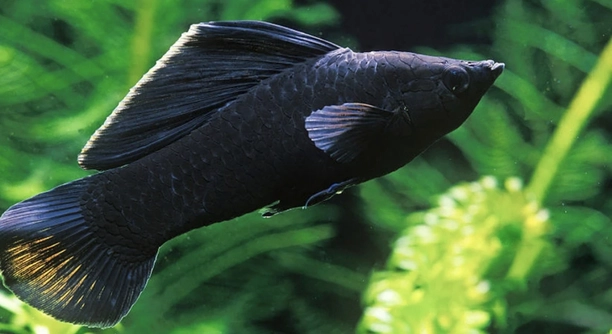
Is your black molly spending most of its time at the bottom of the tank? Observing this behavior can be concerning for fish owners. While it may seem unusual, there are several common factors influencing this habit.
Black mollies often stay near the bottom due to stress, poor water quality, or inadequate nutrition. Environmental changes, low oxygen levels, or disease can also contribute, making it essential to monitor tank conditions and ensure proper care.
Understanding why your molly behaves this way can help you address potential issues effectively. Exploring water quality, diet, and tank setup can restore its normal activity.
Common Reasons Black Mollies Stay at the Bottom
Black mollies often stay near the bottom due to water conditions, diet, and stress. Poor water quality, such as high ammonia or nitrite levels, can make them sluggish and retreat to the bottom. Temperature fluctuations or improper pH levels also affect activity. In addition, overcrowded tanks or aggressive tank mates can create stress, causing your molly to hide near the substrate. Nutritional deficiencies may make them lethargic, and old or spoiled food can reduce their energy. Sometimes, illness or parasites contribute to bottom-dwelling behavior, so it is important to observe other signs like clamped fins or unusual swimming patterns. Monitoring tank parameters, providing a balanced diet, and ensuring a stable environment can help your molly regain normal behavior. Regular water changes and careful observation are essential to maintain their health.
Addressing these issues early prevents long-term health problems and keeps your molly active and healthy.
Keeping mollies comfortable requires proper tank setup, consistent feeding, and clean water. Stress-free conditions encourage swimming throughout the tank.
Monitoring Tank Conditions
Testing water regularly helps identify issues that may stress your molly.
Water quality directly impacts your molly’s behavior. High ammonia or nitrite, fluctuating pH, and temperature shifts can cause them to stay at the bottom. Overcrowding or incompatible tank mates adds stress. Keeping a stable environment with proper filtration reduces risks. Clean water, correct temperature, and adequate oxygenation support active, healthy fish. Observing your fish daily allows early detection of illness or stress. Small adjustments, such as adding plants for shelter or adjusting feeding schedules, can improve comfort. Proper tank maintenance prevents long-term health issues and promotes natural swimming patterns. Regular water tests, partial water changes, and careful monitoring of behavior are essential for preventing bottom-dwelling habits. Attention to tank conditions ensures your black molly thrives and remains active. Consistency in care, feeding, and observation supports a balanced environment. Overall, keeping water parameters stable is the simplest way to encourage normal behavior in black mollies.
Diet and Nutrition
A poor diet can make black mollies sluggish and stay at the bottom. Inadequate protein or spoiled food reduces energy.
Balanced nutrition is crucial for active mollies. Black mollies require high-quality flake or pellet food with added vegetables. Occasional live or frozen foods like brine shrimp or daphnia provide essential nutrients and stimulate natural behavior. Feeding too much or too little can cause lethargy. Consistent feeding schedules help maintain energy levels. Observing your molly’s eating habits can indicate health problems. Offering variety ensures they receive necessary vitamins and minerals.
Overfeeding can cause digestive issues, making your molly uncomfortable. Uneaten food can decay, affecting water quality. Feeding measured portions two to three times daily prevents bloating. Providing fresh, nutrient-rich food supports energy and encourages swimming. Supplements like spirulina or blanched vegetables enhance health. A healthy diet combined with clean water and stable conditions helps black mollies regain activity. Adjusting feeding routines and ensuring quality nutrition is an effective way to address bottom-dwelling behavior.
Stress and Environment
Stress can drive mollies to stay near the bottom. Changes in tank setup or aggressive fish increase tension.
Environmental factors greatly influence behavior. Incompatible tank mates, sudden changes in lighting, or poor hiding spaces increase stress. Overcrowding limits swimming space and encourages hiding. Black mollies prefer moderate water flow and stable temperatures. Adding plants or decorations creates safe zones and reduces tension. Frequent disturbances, like tapping on the glass or loud noises, also affect comfort. Proper tank arrangement, compatible companions, and stable conditions minimize stress. Monitoring for signs of aggression or illness is important. Adjusting these factors can restore natural swimming patterns.
Stress affects immune response and energy levels. Mollies under constant tension may stop eating and avoid activity. Gradual acclimation to new tanks or changes helps them adapt. Providing quiet, stable environments and avoiding sudden shifts in temperature or pH encourages normal behavior. Regular observation allows early intervention when stress or aggression appears. Ensuring proper shelter, adequate space, and compatible tank mates promotes comfort and activity. Reducing stress combined with clean water and proper feeding leads to healthier, more active mollies that explore all areas of the tank.
Water Temperature
Black mollies are sensitive to temperature changes. Water that is too cold or too hot can make them stay at the bottom.
Maintaining a stable temperature between 75°F and 80°F supports activity. Sudden drops or rises in temperature stress the fish and reduce movement. Using a reliable heater and thermometer helps keep conditions consistent.
Oxygen Levels
Low oxygen levels can make mollies lethargic. Poor aeration or overcrowding reduces available oxygen, forcing them to stay near the bottom where water movement is minimal. Proper filtration and occasional surface agitation increase oxygen, helping mollies remain active.
Illness and Disease
Illness can cause black mollies to stay at the bottom. Parasites, bacterial infections, or swim bladder issues reduce energy and mobility. Early detection is important to prevent worsening conditions. Signs like clamped fins, discoloration, or abnormal swimming patterns indicate health problems. Treating the underlying issue restores normal behavior.
Tank Size
Small or overcrowded tanks restrict movement and increase stress. Black mollies need sufficient space to swim freely. Providing at least 20 gallons for a few mollies ensures comfort, reduces aggression, and encourages normal activity throughout the tank.
FAQ
Why is my black molly staying at the bottom after a water change?
Sudden changes in water chemistry can stress black mollies. Even minor differences in pH, temperature, or hardness can cause them to retreat to the bottom. Gradual water changes and careful monitoring of parameters help them adjust without stress.
Can overfeeding make my molly stay at the bottom?
Yes. Overfeeding can lead to bloating, constipation, and poor water quality. Uneaten food decays, producing ammonia that stresses fish. Feeding measured portions two to three times daily and removing excess food prevents lethargy and bottom-dwelling behavior.
Is bottom-dwelling normal behavior for black mollies?
Occasionally, mollies rest near the bottom to explore or digest food. However, constant bottom-dwelling usually indicates stress, poor water quality, illness, or inadequate tank conditions. Observing other signs helps determine whether the behavior is normal or problematic.
How does tank size affect my molly’s activity?
Small or overcrowded tanks restrict swimming space and increase stress. Black mollies need at least 20 gallons for a few fish. Providing ample room encourages natural swimming and reduces bottom-dwelling tendencies.
Can low oxygen levels cause bottom-dwelling?
Yes. Poor aeration or high stocking density reduces dissolved oxygen. Mollies may stay near the bottom where water movement is calmer but oxygen is lower. Increasing surface agitation, adding an air stone, or improving filtration boosts oxygen and encourages activity.
Could my molly be sick?
Bottom-dwelling can be a symptom of illness. Parasites, bacterial infections, and swim bladder problems reduce energy and mobility. Signs like clamped fins, discoloration, or abnormal swimming indicate health issues. Prompt treatment restores activity and prevents worsening conditions.
Does water temperature affect behavior?
Absolutely. Black mollies are sensitive to temperature changes. Water colder than 75°F or hotter than 80°F can stress them, reducing activity. Maintaining a stable, moderate temperature with a reliable heater keeps them comfortable and encourages normal swimming.
How do tank mates influence my molly’s behavior?
Aggressive or territorial fish can stress black mollies, causing them to hide at the bottom. Choosing peaceful, compatible tank mates and providing hiding spaces reduces stress and promotes movement throughout the tank.
Can diet impact bottom-dwelling?
Yes. A diet lacking protein, vitamins, or variety can make mollies lethargic. Feeding high-quality flakes or pellets, supplemented with vegetables or live/frozen foods, ensures proper nutrition. Balanced feeding helps maintain energy and encourages normal swimming behavior.
What steps can I take to encourage my molly to swim actively?
Ensure stable water parameters, a proper diet, sufficient oxygen, compatible tank mates, and adequate space. Gradual changes, regular monitoring, and consistent care reduce stress and restore natural activity. Observing behavior daily allows early correction of issues that cause bottom-dwelling.
How long should it take for a stressed molly to return to normal activity?
Recovery time varies. With stable water, proper diet, and reduced stress, mollies may begin swimming normally within a few days to a week. Illness or severe environmental issues may require longer and may need treatment. Consistent care accelerates recovery.
Are live plants helpful for black mollies?
Yes. Plants provide hiding spots and reduce stress, allowing mollies to feel secure. They also improve water quality by absorbing nitrates and supporting oxygen levels, contributing to healthier, more active fish.
Should I worry if my molly occasionally rests at the bottom?
Occasional resting is normal, especially after feeding or swimming extensively. Persistent or prolonged bottom-dwelling, combined with signs of stress or illness, should be addressed by reviewing water quality, diet, and tank conditions.
Can adding a bubbler or filter improve activity?
Adding a bubbler or improving filtration increases oxygen levels and water circulation. This encourages movement, reduces lethargy, and supports overall health. Ensuring gentle flow prevents excessive stress while providing a more comfortable environment.
Is it safe to mix black mollies with other livebearers?
Generally, yes. Mollies can live with other peaceful livebearers like platies and guppies. Avoid aggressive species that may harass or compete for food, which can cause stress and bottom-dwelling behavior. Proper compatibility encourages active swimming and natural behavior.
What role does light play in my molly’s activity?
Consistent lighting helps regulate behavior and stress levels. Too much or too little light can cause discomfort or hiding. Providing 8–10 hours of moderate lighting per day simulates a natural environment and encourages normal swimming patterns.
How often should I test water parameters?
Regular testing of ammonia, nitrite, nitrate, pH, and temperature is crucial. Weekly testing helps catch issues early, preventing stress-related bottom-dwelling and maintaining a healthy environment for black mollies.
Can stress from frequent handling affect my molly?
Yes. Frequent netting, moving, or disturbances increase stress. Handling should be minimized and done carefully when necessary. Stress-free conditions allow mollies to explore the entire tank and stay active.
Is it important to quarantine new fish?
Quarantining new fish prevents the introduction of disease and parasites, which can stress existing mollies. A 2–4 week quarantine allows observation and treatment before adding them to the main tank, supporting a healthy, active community.
How does water hardness affect black mollies?
Black mollies thrive in moderately hard water. Extremely soft or overly hard water can stress them, affecting swimming behavior. Testing and adjusting hardness ensures comfort and reduces the likelihood of bottom-dwelling.
What should I do if bottom-dwelling persists despite proper care?
Persistent bottom-dwelling may indicate illness or chronic stress. Consulting a veterinarian or experienced aquarist for diagnosis and treatment is recommended. Continuous observation, treatment, and adjustment of tank conditions are key to restoring normal behavior.
Black mollies staying near the bottom of the tank is often a sign that something in their environment needs attention. Observing their behavior carefully can reveal whether the issue is related to water quality, diet, stress, or illness. Consistent bottom-dwelling is rarely normal, so identifying the cause early is important to prevent long-term health problems. Many factors can influence their behavior, and sometimes it is a combination rather than a single reason. Paying attention to water temperature, oxygen levels, and tank size provides a stable foundation for your mollies to swim comfortably. Ensuring that tank mates are compatible and not aggressive reduces stress and allows your fish to explore the tank freely. Regular cleaning and maintenance also help maintain water quality and prevent lethargy.
Diet and nutrition play a crucial role in black molly health. A poor diet can leave them low on energy, which may cause them to stay at the bottom more often. Providing a balanced diet that includes high-quality flakes or pellets, supplemented with vegetables or live and frozen foods, supports activity and overall well-being. Avoiding overfeeding prevents digestive issues and maintains water quality. Observing how your molly eats can give insights into its health and highlight potential problems early. Small changes in diet or feeding schedule often lead to noticeable improvements in energy levels and swimming behavior. Attention to nutrition, combined with a stable and comfortable environment, ensures your black molly remains active and healthy.
Stress and illness are other major factors that affect black molly behavior. Sudden changes in the tank, aggressive companions, or frequent disturbances can make mollies retreat to the bottom. Stress affects immune function, making them more susceptible to disease. Signs such as clamped fins, discoloration, abnormal swimming, or reduced appetite indicate that intervention may be needed. Maintaining proper tank conditions, providing hiding spaces, and ensuring regular monitoring can reduce stress significantly. If illness is suspected, timely treatment is critical to prevent worsening symptoms. Combining preventive measures, consistent care, and attention to the environment allows black mollies to regain normal behavior. By addressing these factors, you can support their health, improve activity levels, and create a tank where your mollies thrive naturally.

Hello,
If you enjoy the content that we create, please consider saying a "Thank You!" by leaving a tip.
Every little bit helps us continue crafting quality advice that supports the health, happiness, and well-being of pets around the world, for pets of all shapes, sizes, and species.
We really appreciate the kindness and support that you show us!