
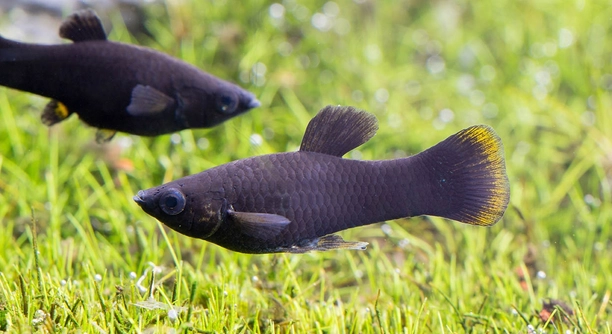
Do Black Mollies react noticeably to changes in lighting in their aquarium environment? Many aquarists have observed subtle shifts in activity and behavior when the light intensity is altered. These small fish can be surprisingly sensitive to their surroundings.
Black Mollies do respond to light changes. Sudden increases or decreases in light can alter their swimming patterns, feeding behavior, and general activity levels. Consistent lighting helps maintain their circadian rhythm and supports overall health.
Observing these changes can help you create a stable and comfortable environment for your Black Mollies, promoting their long-term well-being and natural behavior in the tank.
How Light Affects Black Molly Activity
Black Mollies are naturally active during the day and rest when it is dark. Changes in light can make them more cautious or energetic depending on intensity. Bright light may cause them to swim near plants or shaded areas, seeking comfort and security. Dim light often results in slower movements and less exploration. Light also plays a role in feeding; Mollies are more likely to forage actively under moderate lighting. Sudden shifts from dark to bright can startle them, sometimes triggering brief bursts of frantic swimming. Over time, consistent lighting helps maintain predictable patterns, reducing stress and encouraging normal social interactions among tank mates. Observing these patterns closely allows aquarists to adjust lighting to suit their fish’s needs. Light cycles that mimic natural day and night conditions contribute to overall well-being and help prevent long-term health issues.
Maintaining a steady light schedule promotes calmer behavior and healthier feeding habits for Black Mollies in home aquariums.
Proper lighting balance supports growth, reduces stress, and ensures Mollies interact naturally with their environment. By monitoring light exposure, it is easier to maintain a healthy tank ecosystem.
Adjusting Light for Optimal Behavior
Small changes in light can have noticeable effects on behavior.
Gradually adjusting light intensity is best to avoid shocking your Black Mollies. Sudden changes can increase stress and lead to hiding or erratic swimming. Using timers ensures a consistent day-night cycle, which reinforces natural rhythms. The type of lighting matters as well; full-spectrum LED lights can mimic natural sunlight, promoting coloration and activity without overheating the tank. Shadows and shaded areas are also important, giving Mollies places to retreat when needed. Overly bright lights may discourage surface feeding, while too little light can slow metabolism. Regular observation helps identify the ideal balance for your specific tank. Light placement, duration, and intensity all interact to create an environment that supports both behavior and health. By fine-tuning these factors, aquarists can help their Black Mollies thrive, encouraging natural swimming patterns, social interactions, and regular feeding.
Monitoring behavior while experimenting with light levels ensures the tank remains safe, comfortable, and visually appealing for the fish. Consistent adjustments lead to a healthier, more active school of Black Mollies over time, reflecting their natural patterns. Proper lighting also enhances the appearance of plants and tank decor, creating an attractive and stimulating environment for both the fish and the caretaker. A well-lit tank that respects their needs can reduce stress-related illnesses, support reproduction, and maintain bright coloration. Tracking changes in behavior allows timely responses to potential problems before they escalate. Overall, light management is a simple yet effective tool to maintain a thriving aquarium for Black Mollies.
Signs Your Black Mollies Are Sensitive to Light
Increased hiding, sudden darting, or reduced feeding often indicate that light intensity is affecting Black Mollies. These behaviors usually appear when the environment changes too quickly. Watching these signs can guide adjustments for a calmer tank.
Observing Black Mollies closely helps determine their comfort with current lighting. Fish may move to shaded areas when light is too bright or linger near the surface if light is dim. Rapid swimming or skittish reactions often happen after sudden light changes. Feeding patterns can also shift, with less activity during bright periods and more cautious movements when lights are turned on abruptly. Regular observation allows small, gradual adjustments, which are more effective than sudden changes. This careful approach helps maintain predictable behavior and reduces stress-related issues, making the tank a stable environment.
Stress from inappropriate lighting can impact growth and coloration. Over time, consistent observation and gradual adjustments improve their daily routine, ensuring healthier behavior. Monitoring light-sensitive responses also helps in coordinating feeding and tank maintenance efficiently. By understanding individual tolerance levels, aquarists can provide an environment that supports both activity and relaxation.
Creating a Comfortable Lighting Environment
Gradual light transitions help Black Mollies adapt without stress. Consistent day-night cycles are key to maintaining natural rhythms.
Using dimmers or timers allows for smooth transitions, reducing sudden disruptions in behavior. Positioning lights to create shaded areas gives fish control over their environment, promoting natural exploration. Full-spectrum lights enhance visibility and coloration without overwhelming the fish. Careful observation ensures that adjustments are suitable for your specific tank setup. Avoid placing strong lights directly above resting or feeding zones, as this can discourage natural activity. Over time, a balanced lighting environment fosters calm, active, and healthy Black Mollies, improving overall aquarium harmony and making daily maintenance easier and more predictable.
Shaded areas, consistent timing, and appropriate intensity are essential for minimizing stress. Gradual adjustments promote stable activity patterns and natural feeding behavior. Monitoring responses ensures long-term health and social interaction within the tank. Well-planned lighting supports coloration, growth, and reproductive readiness while reducing aggressive or erratic behavior. Aquarists who pay attention to these factors create a comfortable, predictable environment. Proper light management also helps plants thrive, contributing to a more natural and visually pleasing habitat. Overall, careful control of intensity, duration, and placement creates a harmonious ecosystem where Black Mollies can flourish.
Adjusting Light Gradually
Sudden changes in light can startle Black Mollies. Slowly increasing or decreasing intensity allows them to adapt without stress, helping maintain normal swimming and feeding behavior.
Using timers or dimmable lights ensures transitions feel natural. Consistency in light schedule supports circadian rhythms and prevents erratic activity or prolonged hiding in the tank.
Choosing the Right Light Type
Full-spectrum LED lights are ideal for Black Mollies. They mimic natural sunlight, enhancing color and encouraging normal activity. Avoid overly harsh fluorescent or incandescent lights, which can cause stress and disrupt behavior. Proper placement ensures shaded areas for retreat.
Monitoring Behavior Changes
Regularly watching your Black Mollies reveals how they react to light adjustments. Notes on swimming patterns, hiding, and feeding help identify preferences.
FAQ
Do Black Mollies need very bright light?
Black Mollies do not require extremely bright lighting. Moderate, consistent light is sufficient for normal activity and feeding. Too much brightness can stress them, causing hiding or frantic swimming. Providing areas of shade helps them feel secure while still maintaining visibility for observation and feeding.
How long should the lights be on each day?
A 10-12 hour light period is generally ideal. This schedule mimics natural day-night cycles and supports their circadian rhythm. Using a timer can help maintain consistency, preventing sudden changes that may startle the fish. Dark periods allow rest and reduce stress, promoting overall health.
Can sudden light changes harm Black Mollies?
Yes, abrupt increases or decreases in light intensity can cause stress. Stress may manifest as hiding, erratic swimming, or reduced feeding. Gradual adjustments and dimmers can help Mollies adapt to changes, minimizing the negative impact on behavior and overall well-being.
Do Black Mollies react differently to natural sunlight versus artificial light?
Natural sunlight can be too intense if not filtered, causing overheating or algae growth. Artificial full-spectrum lights are safer and provide consistent conditions. Both types affect activity, but artificial lighting allows better control over intensity, duration, and placement within the tank.
Will changing light improve their coloration?
Yes, appropriate lighting can enhance the natural black coloration of Mollies. Full-spectrum lights highlight pigments without causing stress. Overly bright or inconsistent lighting may dull colors or trigger stress-related color changes, so maintaining a balanced light schedule is key.
How can I tell if my Mollies are stressed by light?
Signs include excessive hiding, rapid swimming, staying near shaded areas, and reduced feeding. Observing their behavior after adjusting light intensity or schedule helps determine if changes are necessary to reduce stress and improve comfort.
Should the light be placed directly above the tank?
Placing the light above the tank is common, but ensure it is not too harsh. Providing shaded zones or decorations for retreat allows Mollies to control their exposure and reduces the risk of stress. Light should be bright enough for visibility without overwhelming the fish.
Does tank size affect how Mollies respond to light?
Yes, smaller tanks can amplify light intensity, making it feel brighter to the fish. Larger tanks allow more space for shaded areas and gradual light gradients. Adjusting light based on tank size ensures comfort and encourages natural behavior throughout the environment.
Can light impact breeding or activity levels?
Proper light cycles support normal activity and reproductive behavior. Consistent lighting encourages daily movement and feeding, which are critical for healthy breeding. Abrupt or inconsistent lighting may delay spawning or reduce energy levels, affecting overall reproductive success.
Is it necessary to adjust light with live plants?
Yes, live plants need sufficient light for growth, but Mollies require balance. Providing full-spectrum lighting benefits both fish and plants, while shaded areas prevent overstimulation. Observing behavior helps fine-tune light levels for a thriving, balanced tank ecosystem.
Do Black Mollies sleep in the dark?
Yes, they rest during periods of darkness. Complete darkness for part of the day mimics natural cycles, promoting recovery and reducing stress. Maintaining a regular day-night schedule supports healthy sleep patterns, activity, and feeding behavior consistently.
How do I gradually change the light without stressing them?
Increase or decrease light intensity slowly over several days. Using timers or dimmers creates a gentle transition. Observe their reactions during adjustments, allowing Mollies to acclimate to new conditions and maintaining a calm and healthy environment for swimming and feeding.
Can aquarium decorations help with light sensitivity?
Yes, plants, rocks, and other decorations create shaded areas where Mollies can retreat. This provides control over exposure, reduces stress, and encourages natural swimming patterns, while also enhancing the overall visual appeal and comfort of the tank.
Does the color temperature of the light matter?
Full-spectrum lighting with a neutral color temperature is ideal. Extreme blue or white tones may stress fish or alter behavior. Balanced color temperature ensures natural coloration, normal activity, and supports both plant and fish health.
How often should I monitor behavior after changing light?
Daily observation is recommended for at least the first week after adjustments. Look for changes in swimming patterns, feeding, and hiding. Consistent monitoring ensures that any negative effects are noticed early, allowing for timely corrections.
Can light alone improve their overall health?
Proper lighting supports activity, feeding, and stress reduction, indirectly improving health. While it cannot replace diet, water quality, or tank maintenance, consistent light management contributes to vitality, coloration, and behavior, creating a stable and supportive environment for Black Mollies.
Will all Mollies react the same way to light changes?
No, individual fish may respond differently based on age, health, and personality. Some may be more sensitive, hiding more often or showing rapid movements. Observing each fish allows for better adjustments and ensures the entire group thrives under controlled lighting conditions.
What is the best way to combine light with feeding schedules?
Feeding during moderate lighting encourages natural foraging behavior. Avoid feeding immediately after sudden bright light changes, which can stress them. Coordinating light and feeding schedules supports activity, reduces stress, and improves overall tank harmony, promoting consistent energy and healthy growth.
Can seasonal light changes affect behavior?
Yes, seasonal variations may influence activity and feeding if using natural light sources. Artificial lighting with timers mitigates this, keeping cycles consistent year-round. Regular monitoring ensures Mollies maintain normal patterns and adapt smoothly to environmental changes.
Is it necessary to adjust light for different tank setups?
Yes, factors like tank size, depth, decorations, and plant density influence perceived brightness. Adjusting intensity, placement, and duration ensures comfort and promotes natural behavior, creating a balanced environment tailored to your specific setup.
How do I know if the light is too dim?
Mollies may become lethargic, hide less, or reduce feeding activity under insufficient light. If swimming slows and coloration dulls, light intensity may need slight increases. Observing behavior over several days confirms if adjustments are necessary for a healthier environment.
Does light affect social interactions among Mollies?
Yes, proper lighting encourages natural schooling and social behaviors. Overly bright or inconsistent light can cause stress, reducing interaction and increasing aggression. Balanced light supports group cohesion, active swimming, and normal communication patterns, improving overall tank dynamics.
Can multiple light sources be used?
Yes, combining primary lighting with subtle accent lights or shaded areas helps create gradual gradients. This reduces stress and provides more natural conditions. Multiple sources also enhance plant growth and fish coloration while allowing Black Mollies control over their exposure.
What adjustments are recommended for new tanks?
Start with moderate lighting and gradually increase over the first week. Use timers to establish a consistent day-night cycle. Observe behavior carefully, providing shaded retreats. New tanks may have more stress due to unfamiliar surroundings, so careful light management is essential for adaptation and comfort.
Is it safe to leave lights on for extended periods?
Continuous lighting can cause stress, disrupt circadian rhythms, and promote algae growth. Limiting light to 10-12 hours daily balances activity, feeding, and rest. Using timers prevents accidental overexposure, supporting both fish health and tank maintenance.
How do I balance aesthetics with fish comfort?
Full-spectrum lighting enhances colors while remaining comfortable for Mollies. Avoid extreme brightness for visual effect alone. Combining decorative lighting with shaded areas ensures the tank looks appealing while supporting natural behaviors and stress-free activity.
Can light management prevent disease?
Indirectly, yes. Consistent lighting reduces stress, which strengthens immunity. Stress-free fish are less susceptible to illnesses. While proper water quality and nutrition remain primary, managing light contributes to overall health and resilience in Black Mollies.
How often should lighting setups be updated?
Updates are needed if tank conditions change, such as adding plants, decorations, or new fish. Adjust intensity, placement, and duration to maintain comfort and visibility. Regular reassessment ensures consistent support for behavior, health, and overall tank harmony.
Can lighting affect aging Mollies differently?
Older Mollies may be more sensitive to bright or fluctuating light. Providing gentle, consistent lighting with shaded areas helps reduce stress and maintains activity. Monitoring changes in behavior ensures the environment remains suitable for all age groups in the tank.
Is it helpful to simulate dawn and dusk?
Yes, gradual ramp-up and ramp-down of light mimics natural transitions, reducing stress. Timers or dimmers can simulate these periods, promoting calm behavior, predictable activity, and healthy feeding patterns throughout the day.
Do Black Mollies need different light conditions than other tropical fish?
Mollies generally tolerate moderate full-spectrum light, similar to many tropical species. Differences exist depending on tank mates and plant density. Observing behavior ensures all species thrive under shared lighting conditions, with adjustments made as needed for balance.
Can changing light fix behavioral problems?
Some issues, like hiding, reduced activity, or erratic swimming, can improve with proper light management. Adjusting intensity, duration, and providing shaded zones often restores natural behavior. However, diet, water quality, and tank mates must also be considered to fully resolve problems.
How quickly do Mollies adapt to new lighting?
Adaptation can take several days. Gradual adjustments reduce stress, allowing them to acclimate. Close observation during this period helps determine if changes are effective or if further modifications are needed. Properly timed transitions support consistent behavior and comfort.
Are timers essential for light management?
Yes, timers provide consistency, preventing sudden changes. Reliable day-night cycles support circadian rhythms, feeding schedules, and activity patterns. Timers reduce human error and maintain a predictable environment, promoting long-term health and well-being for Black Mollies.
Can uneven light distribution cause problems?
Yes, bright spots and deep shadows can lead to hiding, stress, or reduced activity in some areas. Ensuring even light distribution with shaded retreats allows control over exposure, encouraging natural swimming and social behavior throughout the tank.
Does light affect water temperature for Mollies?
Certain light types, like incandescent or very high-intensity LEDs, can slightly increase water temperature. Monitoring is important to avoid overheating. Balanced lighting maintains comfort while supporting normal activity, feeding, and health.
What is the safest light intensity for a new Black Molly tank?
Start with moderate full-spectrum lighting, avoiding extremes. Gradually adjust intensity based on observed behavior, ensuring they explore, feed, and interact normally. Shaded areas help maintain comfort while allowing light for plants and aesthetic purposes.
How does light influence daily activity patterns?
Consistent lighting encourages predictable activity, feeding, and rest. Mollies become more active under moderate light and rest during darkness. Irregular or harsh light can disrupt this cycle, causing stress and erratic behavior that affects growth and social interaction.
Can light schedules impact feeding success?
Yes, feeding during moderate light ensures visibility and natural foraging. Sudden brightness or darkness may reduce interest in food. Coordinating light and feeding schedules promotes regular eating habits, energy maintenance, and overall health.
Do Black Mollies prefer natural or artificial light when both are available?
They adapt to both but respond better to controlled artificial light. Full-spectrum LEDs offer consistency and intensity control, preventing stress caused by fluctuating natural sunlight while still supporting coloration and activity.
Is it necessary to adjust light for new tank decorations?
Yes, new plants or ornaments can create shaded areas or block light. Adjust intensity and placement to maintain consistent exposure and comfort. Observing behavior helps ensure Mollies continue to explore and feed normally throughout the tank.
Does light affect aggression in Black Mollies?
Harsh or inconsistent lighting can increase stress, which sometimes leads to aggression. Balanced lighting with shaded zones reduces tension, supports social cohesion, and encourages natural schooling and interaction among tank mates.
How important is light placement within the tank?
Placement is crucial. Evenly distributed light with shaded areas allows control over exposure. Correct positioning ensures visibility, promotes natural behavior, reduces stress, and supports both plant growth and fish coloration effectively.
Can light influence breeding success?
Yes, proper light cycles and intensity encourage normal activity and energy levels, supporting reproductive behavior. Sudden or inconsistent lighting may delay spawning, so maintaining steady conditions is important for successful breeding.
Do Black Mollies adjust to light changes differently depending on age?
Younger Mollies are generally more resilient, adapting quickly to new light. Older fish may be more sensitive and require slower adjustments. Observing behavior during changes ensures comfort for all age groups and minimizes stress-related issues.
Is colored lighting suitable for Black Mollies?
Subtle colored accents are acceptable but should not replace full-spectrum lighting. Extreme colors can stress fish or alter behavior. Full-spectrum light remains the primary source to maintain natural activity, coloration, and overall health.
How can light support plant health in the same tank?
Proper full-spectrum lighting ensures photosynthesis, promoting growth and oxygen production. Balanced lighting helps plants thrive without overstressing Mollies. Shaded areas or decorations can provide comfort while maintaining adequate light for vegetation.
Are there long-term effects of improper lighting?
Chronic stress from inappropriate light can reduce immunity, affect growth, and dull coloration. Over time, it may also disrupt activity and feeding patterns. Consistent, appropriate lighting is essential for long-term health and natural behavior.
What is the easiest way to test light comfort for Mollies?
Observe behavior after adjustments. Active swimming, normal feeding, and use of both lit and shaded areas indicate comfort. Excessive hiding, darting, or lethargy suggests light intensity or placement may need modification.
Does light affect algae growth in the tank?
Yes, excessive light can accelerate algae growth, which may compete with plants for nutrients and reduce water quality. Balanced lighting supports both Mollies and plant health without promoting uncontrolled algae blooms.
Can multiple species in one tank influence lighting needs?
Yes, different species may have varied tolerances. Adjust intensity and placement to meet the most sensitive species’ requirements while still supporting activity and coloration for all tank inhabitants.
How do I prevent light from stressing new fish additions?
Introduce gradual light adjustments and provide shaded zones. Maintain consistency with timers and observe behavior carefully. New fish may hide initially, so patience ensures smooth adaptation without unnecessary stress.
Is it helpful to replicate seasonal light changes?
Gradual changes mimicking seasonal variations can enhance natural rhythms but are not essential. Artificial lighting with consistent intensity and duration provides stability, which is often more beneficial for Mollies’ comfort and activity.
What role does water clarity play with light exposure?
Clear water allows light to penetrate evenly, supporting activity and plant growth. Murky or cloudy water can reduce light effectiveness, potentially altering behavior or feeding patterns. Regular maintenance ensures proper light distribution and a healthy environment.
Does light impact energy levels in Black Mollies?
Yes, proper light exposure encourages active swimming and feeding. Inadequate or inconsistent light can lead to lethargy, reduced exploration, and slower growth. Maintaining predictable lighting supports natural energy levels and overall vitality.
Are overhead lights better than side lighting?
Overhead lights provide even coverage, while side lighting may create shadows or bright spots. Overhead placement with shaded zones is ideal, giving Mollies control over exposure and supporting normal behavior and activity throughout the tank.
Can overexposure to light shorten lifespan?
Chronic stress from excessive light may contribute indirectly to health decline, reducing lifespan over time. Maintaining balanced, moderate lighting with shaded retreats helps support long-term health, activity, and natural behavior patterns.
How can I combine light with tank maintenance?
Perform maintenance during moderate light periods, avoiding sudden bright exposure. This reduces stress and allows Mollies to continue natural behaviors, feeding, and swimming without disruption. Consistent routines enhance overall tank health and comfort.
Do Black Mollies show color changes under different lights?
Yes, full-spectrum light enhances natural black coloration. Harsh or unusual lighting may temporarily alter appearance or cause stress-related dulling. Balanced light ensures true coloration and highlights the fish’s natural beauty without compromising health.
Is it necessary to turn off lights completely at night?
Yes, complete darkness is important for rest and stress reduction. Partial light may disrupt circadian rhythm, causing erratic behavior or reduced feeding efficiency. A regular night period ensures proper recovery and energy balance.
Can light influence interaction with other tank inhabitants?
Yes, proper lighting supports natural schooling, social behavior, and reduces aggression. Inconsistent or harsh light may increase stress and territorial disputes, while balanced lighting encourages peaceful interaction and normal activity among all fish.
Are dimmable lights better than fixed intensity lights?
Dimmable lights allow gradual transitions, reducing stress during changes. Fixed lights can cause abrupt exposure, startling Mollies. Adjustable intensity supports adaptation, natural behavior, and provides flexibility for tank conditions, plant growth, and fish comfort.
How should I adjust light for breeding tanks?
Provide consistent full-spectrum light with moderate intensity. Maintain gradual transitions and shaded areas for retreat. Proper cycles encourage activity, feeding, and reproductive behavior, while avoiding stress that may delay spawning or reduce success rates.
Does light placement affect feeding efficiency?
Yes, areas with appropriate lighting encourage natural foraging. Overly bright or dim areas may reduce interest in food. Balanced placement ensures visibility while giving control over exposure, supporting consistent feeding habits and energy levels.
Can lighting mistakes affect long-term behavior?
Yes, chronic exposure to unsuitable light may lead to prolonged stress, hiding, or reduced activity. Adjusting intensity, duration, and placement early prevents these patterns from becoming permanent and supports healthy development and social interaction.
Do Black Mollies require different lighting in freshwater versus brackish tanks?
Basic needs remain similar, but brackish setups may require careful monitoring due to water clarity and plant type. Adjust light intensity and duration to maintain comfort while supporting activity, coloration, and plant growth specific to the tank’s conditions.
Is it better to use natural or artificial light for long-term stability?
Artificial full-spectrum lighting offers predictability, reducing fluctuations that can stress fish. Natural light can vary and may be too intense. Timers and consistent artificial light support health, behavior, and coloration over time.
How often should light bulbs or fixtures be replaced?
Every 12-18 months or according to manufacturer recommendations. Light intensity can decrease over time, affecting activity and coloration. Regular replacement ensures full-spectrum output, supporting health and normal behavior in Black Mollies.
Can light cycles help new Black Mollies acclimate?
Yes, gradual, consistent lighting with shaded retreats helps reduce stress. Maintaining predictable day-night cycles encourages normal activity, feeding, and exploration, supporting a smoother transition into the tank.
Does the intensity of light affect plant and fish balance?
Yes, strong light favors plants but may stress Mollies. Moderate full-spectrum light balances plant growth and fish comfort, promoting natural behavior, coloration, and overall tank health.
Are there signs that lighting is perfect for Mollies?
Active swimming, regular feeding, natural schooling, use of shaded areas, and vibrant coloration indicate ideal lighting. Observing these behaviors over time confirms comfort and successful environmental management.
Can light influence water parameters indirectly?
Yes, strong lighting may increase temperature
Black Mollies are sensitive to their environment, and lighting plays a significant role in their daily behavior. Proper light intensity and duration help regulate their activity, feeding patterns, and rest periods. When lighting is consistent and moderate, Mollies tend to swim more actively, explore their surroundings, and interact normally with other tank mates. Providing shaded areas or decorations ensures they have a retreat when light feels too bright, reducing stress and promoting comfort. Observing how they respond to changes in light is important for maintaining a healthy tank, as even small adjustments can make a noticeable difference in behavior.
Gradual adjustments in lighting are more effective than sudden changes. Sudden increases or decreases in brightness can cause hiding, rapid swimming, or reduced feeding. Using timers or dimmable lights allows for smooth transitions, helping the fish adapt naturally. Full-spectrum lighting is ideal because it mimics natural sunlight, enhancing the black coloration of Mollies while supporting their energy levels and overall health. Combining appropriate light with shaded areas also encourages natural schooling, exploration, and social interactions, creating a balanced environment where the fish feel secure. Maintaining a consistent day-night cycle ensures Mollies have proper rest and recovery time, which is essential for their long-term well-being.
In addition to promoting activity and social behavior, proper lighting supports overall tank health. Plants benefit from full-spectrum light, which aids growth and oxygen production, contributing to a stable ecosystem. Light management also indirectly supports disease prevention, as stress is reduced and immunity is maintained. Observing Mollies regularly allows for timely adjustments to intensity, duration, or placement, ensuring comfort for all fish in the tank. Over time, maintaining consistent, balanced lighting helps Mollies thrive, enhancing their natural coloration, behavior, and energy levels. A well-managed lighting environment creates a healthier, calmer, and more visually appealing aquarium while supporting the long-term happiness of Black Mollies.

Hello,
If you enjoy the content that we create, please consider saying a "Thank You!" by leaving a tip.
Every little bit helps us continue crafting quality advice that supports the health, happiness, and well-being of pets around the world, for pets of all shapes, sizes, and species.
We really appreciate the kindness and support that you show us!