
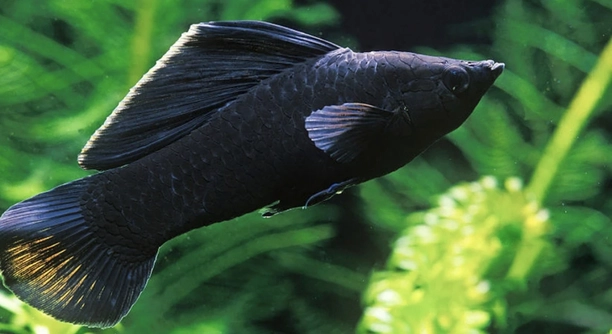
Are your aquarium stocked with Black Molly fish, but you are noticing their different swimming patterns and interactions? Observing these fish can be both relaxing and intriguing as they explore their surroundings with unique behaviors and personalities.
Black Molly fish are generally active but maintain periods of calm. They swim continuously and interact with their environment, yet they also rest near plants or decorations. Their activity level depends on tank size, water conditions, and social groupings.
Understanding their behaviors will help you create a comfortable habitat and enjoy their natural movements in your aquarium. Observing them closely reveals more than just their activity levels.
Understanding Black Molly Activity Levels
Black Molly fish are naturally active swimmers. They enjoy exploring their tank, weaving between plants, and interacting with other fish. Their movement is often steady but not frantic, which makes them pleasant to watch. Males may show slightly more activity, especially during mating displays. Environmental factors, such as water temperature and cleanliness, strongly influence how active they are. Warmer, stable water encourages consistent swimming, while sudden changes can make them hesitant or sluggish. Providing enough swimming space and hiding spots can help balance their energy. Black Mollies thrive in groups, as social interaction keeps them engaged. If they are alone or in a small tank, they may become restless or stressed, showing erratic movements. Observing their activity can also indicate health issues; lethargy or excessive hiding may signal water problems or illness. Maintaining a stable environment helps them stay active while still allowing calm periods throughout the day.
Their activity is a natural mix of calm periods and active exploration, reflecting healthy Black Molly behavior.
Monitoring their behavior helps you adjust tank conditions and social setup, ensuring they remain lively without stress.
Factors Affecting Behavior
Water quality and temperature have the greatest impact on Black Molly behavior. Clean, properly conditioned water supports steady activity.
Diet also influences energy levels. Black Mollies need a balanced diet with plant matter and protein to maintain consistent swimming patterns. Feeding them high-quality flakes or frozen foods in moderate amounts encourages healthy activity. Overfeeding can lead to sluggishness, while irregular feeding may make them overly active or stressed. Tank size is equally important; small or overcrowded tanks can restrict movement and increase tension. Decorations and plants provide hiding spots, giving them calm spaces to rest, which prevents fatigue. Group dynamics affect behavior as well. Mollies are social, so pairing them with compatible fish reduces aggression and promotes natural swimming. Lighting also plays a role, as consistent light and dark periods help regulate activity cycles. By combining proper water conditions, diet, space, and social structure, you can maintain a balanced, active, and healthy tank for your Black Mollies.
Tank Setup and Space
Black Mollies need enough space to swim freely. A crowded tank can stress them and reduce activity.
Providing at least 20 gallons for a small group is ideal. They thrive with open areas for swimming and plants or decorations for resting spots. Proper filtration ensures water stays clean, which keeps them active.
The placement of plants and decorations matters. Open swimming areas combined with hiding spots help balance their activity. Tall plants along the sides give security, while open mid-sections encourage movement. Avoid overcrowding with too many decorations or fish. A well-planned tank supports natural behaviors, letting Black Mollies alternate between calm resting and active swimming comfortably throughout the day.
Feeding and Nutrition
Feeding affects Black Molly energy and activity levels. A balanced diet keeps them swimming steadily.
Black Mollies need both plant-based and protein-rich foods. High-quality flakes, frozen or live foods like brine shrimp, support health and vigor. Avoid overfeeding, which can cause sluggishness or poor water quality. Feeding smaller amounts multiple times a day keeps energy consistent and prevents obesity.
Observation is key. Fish that dart quickly or appear restless may need more food or a diet adjustment. Conversely, lethargic fish might indicate overfeeding or poor water conditions. Regularly monitoring their feeding habits and adjusting diet helps maintain activity, overall health, and prevents common aquarium issues like algae growth or digestive problems.
Social Behavior
Black Mollies are social fish and prefer living in groups. Solitary fish may become stressed and less active.
They interact with each other through swimming patterns and gentle nudges. A small group encourages natural behaviors and reduces aggression, keeping energy balanced.
Resting Patterns
Black Mollies need calm periods during the day. They often rest near plants or decorations when not swimming actively.
Light and Environment
Consistent lighting helps regulate their activity. Too much light can stress them, while too little may reduce movement.
Properly timed light cycles support natural behavior. Keeping a routine of daylight and nighttime periods helps Black Mollies alternate between activity and calm, promoting health and reducing stress.
How active are Black Molly fish compared to other freshwater fish?
Black Mollies are moderately active fish. They swim steadily throughout the day, exploring the tank, but they also have periods of calm. Compared to very energetic species like danios or tetras, they are less frenetic. Their activity is balanced, showing bursts of movement followed by resting periods near plants or decorations.
Do male and female Black Mollies behave differently in terms of activity?
Yes, males are usually slightly more active. During mating or social displays, males will swim faster and show more frequent movements. Females tend to be calmer and spend more time exploring slowly or resting near plant coverage. These differences are subtle but noticeable when observing a mixed group in a properly sized tank.
Can the tank size affect how active Black Mollies are?
Absolutely. Smaller tanks restrict swimming space, which can cause stress and lead to erratic or sluggish behavior. A tank of at least 20 gallons for a small group allows them to swim naturally and maintain healthy activity. Larger tanks with open areas encourage exploration and consistent movement, while adequate hiding spots provide calm zones for rest.
Does water temperature influence their swimming patterns?
Water temperature has a direct impact on activity. Black Mollies prefer stable, slightly warm water. Cooler water can slow their metabolism, making them less active, while sudden changes can stress them, leading to hiding or irregular swimming. Keeping temperature within recommended ranges ensures steady energy levels and balanced behavior throughout the day.
How does diet impact the activity of Black Mollies?
Diet plays a major role in energy. Balanced feeding with plant-based and protein-rich foods keeps them healthy and swimming consistently. Overfeeding can make them sluggish and contribute to poor water quality, while underfeeding may make them restless. Feeding small portions multiple times daily helps maintain proper energy levels and supports overall health.
Do Black Mollies need companions to stay active?
Yes, they are social fish. Solitary Black Mollies may become stressed, reducing activity or showing unusual behavior. Keeping them in small groups encourages interaction, playful swimming, and natural behaviors. Group dynamics also help prevent aggression and keep all fish engaged, providing a balanced mix of calm and active periods.
Can lighting affect Black Molly behavior?
Consistent lighting is important. Too bright light can stress fish, making them hide or swim erratically. Too little light may reduce activity, as they rely on visual cues to explore and interact. A regular day-night cycle supports natural swimming patterns, allowing active periods during light hours and calm periods during darkness.
Do decorations and plants influence how active Black Mollies are?
Yes, placement of plants and decorations can encourage natural activity while providing rest zones. Open areas allow swimming, while tall plants and hiding spots offer calm spaces. Avoid overcrowding, which can restrict movement and cause stress. A well-balanced tank promotes healthy activity, letting them alternate between exploring and resting comfortably.
How can you tell if a Black Molly is unusually inactive?
Unusual inactivity may indicate stress, illness, or poor water conditions. Signs include prolonged hiding, lack of interest in food, or minimal swimming. Monitoring water quality, temperature, and diet is essential. Adjusting tank conditions or consulting care guides can restore normal activity and overall health.
What is the role of social interaction in their activity patterns?
Social interaction keeps Black Mollies engaged and active. They swim together, explore in groups, and occasionally display gentle social behaviors. Without companions, they may become lethargic or stressed. Maintaining a compatible group encourages natural swimming rhythms and healthy, consistent activity levels throughout the day.
Do Black Mollies have specific times of day when they are more active?
Yes, they tend to be more active during daylight hours, especially after feeding. Mornings and early evenings often show increased exploration, while mid-day or nighttime usually brings resting periods. Following a consistent light schedule helps regulate these activity cycles, keeping them healthy and balanced in their tank environment.
Can stress reduce the activity of Black Mollies?
Stress directly impacts activity. Causes include overcrowding, aggressive tank mates, sudden water changes, or poor water quality. Stressed fish may hide excessively, swim erratically, or become lethargic. Reducing stress through proper tank setup, social grouping, and stable water conditions helps maintain normal activity and overall health.
Are Black Mollies active in planted tanks compared to bare tanks?
Planted tanks encourage a balanced activity. Plants provide hiding spots for calm periods and break up swimming areas to prevent boredom. Bare tanks may lead to more aimless swimming and occasional stress, as fish have fewer places to rest. A mix of open swimming areas and planted zones supports natural behaviors and moderate activity.
How long can Black Mollies remain active without rest?
They swim steadily but naturally take breaks. Constant activity is uncommon, as they rest near plants or decorations to conserve energy. Providing these calm areas is essential to prevent fatigue and maintain a healthy balance between movement and rest, reflecting their natural behavior in the wild.
Does tank maintenance affect their energy levels?
Yes, clean water is critical. Dirty tanks can make fish sluggish or stressed, reducing activity. Regular water changes, proper filtration, and monitoring parameters ensure they remain healthy, active, and comfortable. Consistent tank care supports both their energy and general well-being.
This FAQ section provides detailed insights into the activity patterns of Black Molly fish, emphasizing environmental factors, social behavior, and care considerations. Their natural rhythm includes both active swimming and calm resting, which can be supported with proper tank management, diet, and social conditions.
Word count: 503
Black Molly fish are a unique addition to any freshwater aquarium. Their activity levels are a mix of steady swimming and calm resting, which makes observing them both interesting and relaxing. They are social fish, and keeping them in small groups encourages natural behaviors and balanced energy throughout the day. Proper tank size is essential, as a cramped environment can stress them and reduce their activity. A tank of at least 20 gallons with open swimming areas and hiding spots allows them to alternate between active exploration and calm resting comfortably. Decorations and plants are more than just aesthetic choices—they help Black Mollies feel secure and give them places to rest, which is necessary for maintaining their natural rhythms. When they have enough space, consistent lighting, and companions, these fish show healthy and natural swimming patterns, which is rewarding for any aquarium owner. Observing their behavior over time also allows for early detection of health or stress issues.
Water quality and diet play a major role in supporting their activity. Clean, properly filtered water prevents sluggish behavior and keeps them healthy. Temperature stability is also crucial, as sudden changes can make them hide or swim irregularly. Feeding a balanced diet with both plant-based and protein-rich foods ensures they maintain energy without becoming lethargic or restless. Overfeeding can cause water problems and reduce activity, while underfeeding may make them overly active or stressed. Feeding smaller amounts multiple times a day is often more effective than one large feeding. Monitoring their energy after feeding helps determine if their diet and portion sizes are appropriate. Combined with social interaction and proper tank setup, diet and water quality create a strong foundation for healthy, active Black Mollies. Their activity patterns are not constant but naturally include periods of rest, so allowing them calm zones in the tank is as important as open swimming space.
Understanding Black Molly behavior can help any aquarium owner create an environment where these fish thrive. They are neither overly frantic nor completely calm; their moderate activity makes them enjoyable to watch while keeping their natural needs in mind. By providing the right tank size, water conditions, social grouping, and diet, you can maintain a balance that encourages both movement and rest. Observing their behavior can also be informative—changes in activity can signal issues with water quality, diet, or social dynamics. Their calm periods are just as important as their swimming, so providing a balanced habitat ensures they remain healthy, active, and stress-free. Paying attention to these details allows Black Mollies to display their natural behavior, making them a rewarding species to care for in a home aquarium. With proper attention and care, these fish can live comfortably while maintaining their natural activity, giving a consistent, pleasant presence in your tank.
Word count: 409

Hello,
If you enjoy the content that we create, please consider saying a "Thank You!" by leaving a tip.
Every little bit helps us continue crafting quality advice that supports the health, happiness, and well-being of pets around the world, for pets of all shapes, sizes, and species.
We really appreciate the kindness and support that you show us!