
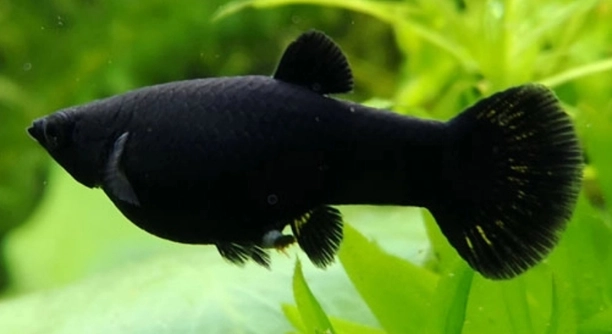
Are your Black Mollies swimming erratically or hiding more than usual in your aquarium? These behaviors often signal that something in their tank environment might be off. Observing your fish closely can reveal early signs of imbalance and stress.
Black Molly behaviors such as frequent surface gasping, fin clamping, reduced activity, erratic swimming, hiding, or unusual aggression are indicators of water quality issues, improper temperature, or poor tank maintenance. Addressing these factors promptly ensures their health and stability.
Recognizing these behaviors early allows you to take corrective steps and maintain a healthy, balanced environment for your Black Mollies to thrive.
Frequent Surface Gasping
When your Black Mollies spend a lot of time near the water surface, it is often a sign that oxygen levels are low. Poor aeration, overcrowding, or excessive organic waste can reduce dissolved oxygen in the tank. Mollies may come up to gulp air to compensate, which indicates the environment is not ideal for their health. Addressing water circulation and ensuring proper filtration can improve oxygen levels quickly. It is also important to check the temperature, as warmer water holds less oxygen. Regular water changes help maintain a stable and healthy tank. Observing when and how often your fish gasp at the surface can provide valuable insight into water conditions. Taking action early prevents more serious stress or illness. Simple adjustments like adding an air stone or reducing stock density can make a noticeable difference in behavior. Keeping the water clean and oxygenated supports your Black Mollies’ natural swimming patterns.
This behavior often resolves quickly after improving oxygenation and tank maintenance. Mollies return to normal swimming once conditions stabilize.
Consistent monitoring of tank parameters, including temperature, ammonia, nitrite, and nitrate levels, can prevent low oxygen situations. Overfeeding contributes to waste buildup, further depleting oxygen. By maintaining proper filtration, circulation, and feeding routines, you create an environment where Mollies can thrive without frequent surface gasping. Combining visual observation with regular testing ensures problems are spotted early. Simple changes, like adding live plants or adjusting tank size, can also improve overall water quality.
Clamped Fins
Clamped fins indicate that Black Mollies are stressed or unwell. Stress may arise from water imbalance, aggressive tank mates, or poor diet.
This behavior signals that fish are conserving energy and avoiding interaction. Consistently clamped fins can lead to further health issues if not addressed.
Clamped fins often result from environmental stressors such as sudden temperature changes, improper pH, or high ammonia levels. Mollies under stress may also reduce activity and hide frequently. Regular water testing and maintaining stable conditions are essential to prevent fin clamping. Tank decorations should provide hiding spots without overcrowding swimming space. Balanced nutrition also strengthens immune response, reducing susceptibility to stress-induced behaviors. Observing how fins change over time helps identify specific triggers, whether from other fish, water chemistry, or disease. Promptly correcting the environment encourages recovery and helps Mollies regain normal, relaxed fin posture. This simple approach maintains fish health and prevents escalation of stress-related behaviors.
Hiding Frequently
Black Mollies hiding often signals discomfort or stress in the tank. This can be caused by poor water quality, aggressive tank mates, or sudden changes in their environment. Hiding is a natural response to feeling unsafe or unwell.
When Mollies hide frequently, it is important to check water parameters including temperature, pH, ammonia, nitrite, and nitrate levels. Sudden shifts in these factors can make the tank uncomfortable. Providing hiding spots like plants or decorations helps them feel secure, but excessive hiding indicates a persistent issue. Monitoring their behavior alongside water testing helps identify the exact cause of stress.
Consistently observing the frequency and duration of hiding can guide corrective actions. Adjusting tank conditions, reducing aggression, or improving diet can reduce hiding behavior. Over time, Mollies that feel safe and comfortable will explore the tank more often. Regular maintenance and stable conditions are key to encouraging natural activity and minimizing stress-induced hiding.
Erratic Swimming
Erratic swimming can show that Black Mollies are stressed, ill, or reacting to poor water conditions. Sudden bursts, spinning, or darting around the tank are common signs.
This behavior often stems from imbalances in the tank such as fluctuating temperature, high ammonia, or nitrite spikes. Overcrowding or incompatible tank mates can also trigger sudden, erratic movements. Fish may dart as a defensive response, trying to escape perceived threats or discomfort. Maintaining stable water parameters and providing enough space reduces these behaviors. Observing patterns in swimming can indicate when the tank needs adjustments, whether through water changes, filtration improvements, or separating aggressive fish.
Erratic swimming can escalate if underlying problems persist. Continuous monitoring of water quality and fish behavior helps prevent stress from becoming a serious health issue. Making small adjustments, like improving aeration, maintaining consistent temperatures, and offering proper nutrition, supports calmer and more predictable swimming. By addressing environmental factors, Mollies regain stability and natural swimming patterns, which also benefits overall tank harmony.
Loss of Appetite
Loss of appetite is a clear sign that Black Mollies are stressed or unwell. Poor water conditions, illness, or sudden changes in the tank can make them stop eating. Observing their eating patterns helps detect issues early.
A sudden refusal to eat may also indicate parasites or internal infections. Ensuring clean water, stable temperature, and a balanced diet supports recovery. Offering varied foods like high-quality flakes, pellets, or occasional live foods can stimulate appetite.
Aggressive Behavior
Aggression among Black Mollies often arises from overcrowding, incompatible tank mates, or stress. Dominant fish may chase or nip others, causing injury or hiding behaviors. Observing the dynamics and rearranging the tank can reduce conflicts.
Lethargy
Lethargy shows that Mollies are not feeling well or that the tank environment is unsuitable. Lack of activity and resting at the bottom indicate stress or poor water quality.
Rapid Gill Movement
Rapid gill movement can signal low oxygen or high toxins in the water. Immediate attention to aeration and filtration is important to prevent further stress.
FAQ
Why are my Black Mollies hiding all the time?
Hiding is usually a response to stress or discomfort. Poor water quality, aggressive tank mates, sudden environmental changes, or inadequate hiding spots can cause Mollies to retreat. Check water parameters such as temperature, pH, ammonia, nitrites, and nitrates. Rearranging the tank or adding plants can make them feel secure.
What does it mean when my Mollies gasp at the surface?
Surface gasping indicates low oxygen levels or poor water circulation. Warm water, overcrowding, or excessive organic waste reduces oxygen in the tank. Increasing aeration with an air stone, improving filtration, and performing regular water changes can restore oxygen balance. Mollies will return to normal swimming once conditions improve.
Why are my Mollies’ fins clamped?
Clamped fins are a sign of stress or illness. This behavior can be triggered by sudden temperature changes, high ammonia levels, improper pH, or aggressive tank mates. Stable water conditions, proper diet, and reducing stress factors help them regain normal fin posture.
Why is my Black Molly not eating?
Loss of appetite often indicates stress, poor water quality, or internal parasites. Ensuring a clean, stable environment and offering varied foods like flakes, pellets, or occasional live food can stimulate appetite. Avoid overfeeding, which contributes to waste and water imbalance.
Why are my Mollies swimming erratically?
Erratic swimming can indicate stress, poor water quality, or aggression. Sudden bursts, spinning, or darting often result from ammonia spikes, nitrite imbalances, overcrowding, or incompatible tank mates. Improving water conditions, increasing tank space, and monitoring behavior reduces erratic movements.
Can aggressive behavior harm other Mollies?
Yes, aggression can cause injury, fin damage, and prolonged stress in other fish. Overcrowding, incompatible species, or dominance issues trigger aggressive behavior. Providing more space, adding hiding spots, and separating aggressive fish helps maintain harmony in the tank.
What does rapid gill movement indicate?
Rapid gill movement is a warning sign of low oxygen levels, high toxins, or disease. Check aeration, filtration, and water parameters immediately. Poor water quality stresses the fish and can escalate quickly if not addressed. Adjusting tank conditions and performing water changes alleviates the problem.
How do I prevent these behaviors from recurring?
Consistent maintenance is key. Regularly test water parameters, perform partial water changes, avoid overcrowding, and provide a balanced diet. Observing behavior daily allows early detection of stress signs. A well-maintained tank supports natural activity, reduces hiding, aggression, and erratic swimming, keeping Black Mollies healthy.
Are environmental changes harmful to Mollies?
Sudden environmental changes like temperature shifts, new tank decorations, or adding fish can stress Mollies. Gradual adjustments allow fish to acclimate and reduce stress-induced behaviors. Stable conditions prevent long-term health issues and encourage normal swimming and feeding patterns.
How long does it take for Mollies to recover after changes?
Recovery depends on the severity of the stressor and water quality improvement. Minor issues may resolve within a few days, while serious problems could take a week or longer. Monitoring behavior, maintaining clean water, and providing proper nutrition accelerates recovery.
Can diet affect these behaviors?
Yes, an unbalanced diet can weaken the immune system and increase stress. Offering high-quality flakes, pellets, and occasional live or frozen foods supports health. Consistent feeding schedules prevent overfeeding, reduce waste buildup, and help maintain stable water quality, which in turn prevents stress-related behaviors.
Should I isolate a stressed or aggressive Molly?
Isolating stressed or aggressive Mollies can prevent injury and reduce stress in the tank. Use a quarantine tank if necessary, while correcting water quality or addressing illness. Once the fish recovers, gradual reintroduction helps maintain harmony.
Do tank decorations impact Molly behavior?
Yes, proper decorations provide hiding spots and reduce stress, but overcrowding decorations can restrict swimming space. Balanced decoration placement improves security while maintaining open areas for natural movement. Plants, rocks, and caves offer both shelter and visual interest for Mollies.
How often should I test water parameters?
Weekly testing is recommended to prevent behavioral issues. Regular monitoring of ammonia, nitrites, nitrates, pH, and temperature allows early detection of problems before they affect the fish. Prompt action prevents stress-related behaviors like hiding, clamped fins, and erratic swimming.
What signs indicate severe stress or illness?
Persistent hiding, loss of appetite, rapid gill movement, clamped fins, erratic swimming, or aggression indicate severe stress or illness. Immediate attention to water quality, nutrition, and tank conditions is necessary to prevent further deterioration and potential mortality.
Can adding live plants help reduce stress?
Live plants improve water quality by absorbing nitrates and providing natural hiding spots. They create a sense of security, reduce aggression, and encourage natural swimming patterns. Plants also support oxygenation, which helps prevent surface gasping and lethargy.
Is overcrowding a common problem for Mollies?
Yes, overcrowding causes stress, aggression, and oxygen depletion. Providing sufficient space per fish and avoiding excessive stocking prevents erratic swimming, hiding, and fin clamping. Proper tank size and population management are essential for a healthy, balanced aquarium environment.
What role does temperature play in Molly behavior?
Temperature fluctuations can stress Mollies, causing hiding, lethargy, or gasping. Maintaining a stable range of 75–82°F supports normal activity and feeding. Gradual adjustments are safer than sudden changes, which can trigger stress-related behaviors or illness.
How do I know if my tank is properly balanced?
A balanced tank shows active, feeding Mollies with clear water, stable parameters, and minimal stress behaviors. Observing swimming patterns, appetite, and social interactions helps gauge tank health. Regular maintenance and monitoring keep the environment supportive and stable.
Are water changes really necessary?
Yes, partial water changes prevent toxin buildup, improve oxygen levels, and maintain stable parameters. Regular water changes reduce stress, promote healthy behavior, and prevent issues like hiding, lethargy, or rapid gill movement. Consistency is more important than large, infrequent changes.
Can disease cause the behaviors listed in this article?
Yes, parasites, bacterial infections, and fungal issues can trigger hiding, loss of appetite, clamped fins, or erratic swimming. Early detection and proper treatment, along with maintaining clean, stable water conditions, prevent long-term harm and help Mollies recover quickly.
How can I reduce aggression in the tank?
Reducing aggression involves maintaining proper stocking levels, providing hiding spots, and separating incompatible species. Rearranging the tank occasionally prevents territorial dominance. Balanced diet and stable water conditions also help minimize stress-related aggression.
Do Black Mollies need companions?
Yes, Mollies are social fish and thrive in groups. A small school encourages natural behaviors but avoid overcrowding. Proper numbers reduce stress and create a balanced social hierarchy, which prevents excessive hiding or aggression.
Can small adjustments make a big difference?
Absolutely, small changes in aeration, temperature stability, water quality, or tank layout can significantly reduce stress behaviors. Consistent observation and incremental adjustments support long-term health and more predictable, relaxed behavior in Black Mollies.
Is it normal for Mollies to show some erratic behavior occasionally?
Occasional bursts of activity are normal and part of natural exploration. Persistent or frequent erratic swimming, however, indicates underlying issues such as stress, poor water quality, or aggression that need addressing.
Write in simplistic style 3 paragraphs for the header: Final Thoughts. Use a neutral tone. (write at least 400 words)

Hello,
If you enjoy the content that we create, please consider saying a "Thank You!" by leaving a tip.
Every little bit helps us continue crafting quality advice that supports the health, happiness, and well-being of pets around the world, for pets of all shapes, sizes, and species.
We really appreciate the kindness and support that you show us!