
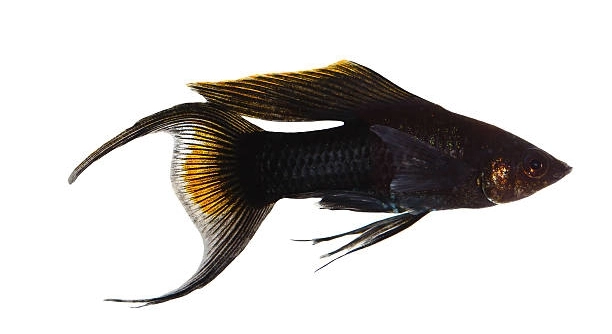
Do you ever notice your black molly swimming quickly from one side of the tank to the other, almost like it is startled? Watching this sudden movement can feel confusing and even a little stressful for new fish owners.
Black mollies often dart around the tank due to stress, sudden changes in water conditions, or overcrowding. Inconsistent temperature, poor water quality, or the presence of aggressive tank mates can trigger this rapid, erratic swimming behavior.
Observing these movements closely can help identify the cause and create a calmer, healthier environment for your fish.
Understanding Stress in Black Mollies
Stress is the most common reason black mollies dart around their tank. Changes in water temperature, sudden loud noises, or even aggressive tank mates can trigger rapid swimming. When a molly feels threatened or uncomfortable, it may move frantically, bump into objects, or hide more than usual. Maintaining a stable environment is essential. Consistent feeding schedules and keeping decorations in the same place can help reduce stress. Even small changes, like adjusting lighting or replacing a filter, can cause a noticeable reaction. Overcrowding also increases tension, making fish more likely to dart as they compete for space. Observing behavior closely helps you spot patterns and identify triggers.
Stress impacts fish health quickly. Frequent darting may indicate that water quality or tank setup needs attention to prevent illness.
Providing a calm environment includes keeping the tank clean, avoiding sudden movements near the tank, and monitoring water parameters regularly. Healthy mollies are calmer, explore steadily, and interact with their tankmates without sudden bursts of energy. Watching for early signs of stress can prevent long-term problems. By creating a stable space, black mollies thrive and display natural, relaxed behavior, making them enjoyable to watch.
Water Quality and Its Effects
Poor water quality often causes black mollies to dart. Unclean water increases ammonia and nitrite levels, which irritate fish and trigger frantic movement.
Maintaining clean water is crucial. Test water regularly, change 25% weekly, and remove uneaten food to keep mollies calm and healthy.
Water parameters like pH, hardness, and temperature greatly affect black mollies. Sudden shifts, even by a small degree, can make them uncomfortable and lead to rapid swimming. Ammonia or nitrite spikes often come from overfeeding or insufficient filtration, stressing the fish and reducing their immune response. Regular testing ensures levels stay within safe ranges, preventing erratic behavior. Keeping a consistent temperature prevents thermal shock, and maintaining moderate pH helps molly metabolism stay balanced. Tank size also plays a role; overcrowding worsens water quality, amplifying stress. Adequate filtration, proper cleaning, and careful monitoring create a stable environment where black mollies can swim naturally without sudden bursts or hiding. Regular observation allows early action if behavior changes, keeping the tank safe and the fish comfortable.
Tank Setup and Space
A cramped tank can make black mollies dart frequently. They need enough room to swim freely without feeling cornered or threatened by other fish.
Proper tank size is essential. A minimum of 20 gallons for a few black mollies allows them to swim comfortably. Decorations should provide hiding spots but not overcrowd the tank. Open areas let them explore while plants or rocks give shelter when they feel stressed. Too many tank mates increase competition for food and space, causing frequent rapid movements. Observing how your mollies use their environment helps determine if the tank setup meets their needs. Rearranging decorations carefully can create a more balanced space that encourages calmer swimming and natural behaviors.
Lighting also affects their activity. Bright, harsh lights can startle mollies, while soft, consistent lighting supports regular movement patterns. Choosing the right substrate and minimizing sharp objects prevents injuries during sudden darting. Proper planning ensures the tank is both stimulating and safe, reducing stress-related behavior.
Diet and Feeding Habits
Overfeeding or inconsistent feeding schedules can trigger darting in black mollies. They respond strongly to food availability, especially if they feel hungry or anxious.
A balanced diet is key. Feed mollies small portions two to three times daily, avoiding excess that pollutes water. Mix flake foods, frozen brine shrimp, and occasional vegetables to meet nutritional needs. Skipping meals or sudden changes in diet can cause stress and frantic swimming as they search for food. Observing their behavior around feeding time helps identify if diet influences activity.
Certain foods can increase energy and activity temporarily, making mollies dart more than usual. High-protein foods like live or frozen treats boost swimming energy but should be limited to prevent overexcited behavior. Providing a mix of nutrients ensures stable energy levels, reducing sudden bursts of movement. Feeding at consistent times builds routine, helping them feel secure and less prone to stress-induced darting. Adjusting portions and observing responses creates a calmer feeding experience and promotes long-term health.
Tank Mates and Social Behavior
Aggressive or overly active tank mates can make black mollies dart frequently. They react to chasing or nipping by swimming quickly to escape.
Peaceful companions reduce stress. Choosing calm species like guppies or tetras helps mollies feel secure, limiting sudden bursts of movement.
Disease and Parasites
Illness can cause erratic swimming in black mollies. Internal parasites, bacterial infections, or skin irritations make fish uncomfortable and restless. Observing other signs like clamped fins, discoloration, or loss of appetite can indicate health issues. Early detection is important to prevent worsening conditions. Quarantining sick fish and treating promptly can save lives and restore calm behavior in the tank. Maintaining clean water, a balanced diet, and minimizing stress supports immune function, reducing the risk of disease-related darting. Regular observation helps spot subtle changes before they escalate, keeping your mollies healthy and active.
Environmental Enrichment
Providing hiding spots, plants, and open swimming areas keeps black mollies engaged. Simple additions reduce stress and encourage natural movement patterns.
FAQ
Why is my black molly always darting even in a clean tank?
Even in a clean tank, black mollies can dart due to stress, sudden movements near the tank, or bright lighting. Fish are sensitive to changes, and what seems minor to us can be startling to them. Observing patterns helps identify triggers.
Can overcrowding cause my molly to swim erratically?
Yes, overcrowding increases stress and competition for space. When multiple fish compete for the same territory, black mollies may dart to avoid conflict or secure hiding spots. Providing enough space and monitoring tank population helps reduce this behavior.
Does water temperature affect their movement?
Absolutely. Sudden changes in temperature can shock fish, causing rapid swimming. Mollies prefer a stable range around 75–82°F. Using a reliable heater and thermometer maintains consistency, reducing darting caused by thermal stress.
Could diet make my molly hyperactive?
Yes, high-protein foods like live brine shrimp or bloodworms can temporarily increase energy, making mollies swim more actively. Feeding small, balanced portions at regular intervals keeps energy levels steady and minimizes frantic movement.
Are black mollies more active at certain times of day?
Yes, they are naturally more active during daylight hours. Peak activity often occurs in the morning and early evening when they explore, feed, or interact with tankmates. Dim lighting during rest periods encourages calm behavior.
How do tank decorations affect their behavior?
Decorations provide hiding spots and break up open swimming areas. Lack of hiding places can increase stress, leading to darting. Plants, rocks, or caves give security while allowing open space for natural swimming patterns. Rearranging decorations abruptly can also trigger rapid movement.
Can aggressive tank mates cause darting?
Yes. Fish that chase, nip, or dominate the tank make mollies feel threatened. Peaceful companions help them feel secure and reduce frantic swimming. Observing interactions between species ensures compatibility and a calmer environment.
How can I tell if darting is due to illness?
Look for additional symptoms like clamped fins, discoloration, white spots, or loss of appetite. Erratic swimming combined with these signs often points to health issues. Quarantining affected fish and consulting treatment options prevents worsening conditions.
Does water chemistry impact darting?
Yes. High ammonia, nitrite, or sudden pH shifts irritate mollies, causing rapid movement. Regular testing and partial water changes maintain safe parameters. Consistent water hardness and pH also help keep fish calm and comfortable.
What is the best way to reduce darting behavior?
Maintain a stable environment with clean water, appropriate tank mates, enough space, and balanced lighting. Feed small, consistent meals and provide hiding spots. Regular observation allows early detection of stress or health issues, keeping mollies calm and happy.
How long does it take for a stressed molly to calm down?
It depends on the cause. Minor stress like new decorations may take a few hours to a couple of days. Chronic stress from poor water quality or aggressive tank mates may take longer, requiring adjustments to the environment.
Are black mollies more sensitive than other fish?
Yes, they are quite sensitive to water changes, temperature fluctuations, and stressors. This sensitivity makes them more prone to darting, but careful care and observation can help them thrive.
Can seasonal changes affect their activity?
Yes, changes in room temperature or light exposure during different seasons can impact activity. Maintaining consistent tank conditions year-round helps mollies stay calm and reduces erratic swimming.
Is it normal for mollies to dart occasionally?
Yes, occasional bursts of speed are natural. Mollies explore, react to movement, or chase food. Frequent, repeated darting indicates an underlying issue that should be addressed.
Does tank size influence darting behavior?
Absolutely. Small tanks limit swimming space, causing stress and frequent rapid movements. Larger tanks provide freedom and reduce competition, allowing mollies to swim naturally and calmly.
How do I introduce new fish without increasing darting?
Introduce new fish gradually using a quarantine or float method. Sudden introduction can shock existing mollies, triggering stress-related darting. Observing interactions and rearranging decorations to provide extra hiding spots helps ease transitions.
Can lighting changes cause sudden swimming bursts?
Yes, sudden bright light or turning lights on abruptly can startle mollies. Gradually adjusting lighting or using soft timers encourages smoother transitions and reduces stress-related darting.
Do black mollies ever dart for fun?
Occasionally, yes. Like other fish, they can swim rapidly during play or exploration. This is normal if water conditions, diet, and tank setup are appropriate and no other stress signs are present.
How important is consistency in feeding and tank maintenance?
Consistency is critical. Regular feeding, stable water parameters, and predictable maintenance routines prevent stress, reducing darting. Black mollies respond well to steady conditions and thrive when their environment is reliable and calm.
What signs indicate that darting is serious?
If darting comes with lethargy, loss of appetite, physical damage, or repeated frantic swimming, it may indicate illness, poor water quality, or severe stress. Immediate assessment and corrective action are necessary to protect their health.
How often should I monitor my black mollies?
Daily observation is ideal. Checking behavior, water conditions, and interactions allows early detection of stress or illness, helping prevent problems before they escalate. Monitoring ensures a stable and safe environment for your mollies to thrive.
Black mollies are lively, curious fish that bring energy to any tank. Their sudden darting movements can be alarming at first, but in most cases, these behaviors are simply their way of responding to their surroundings. Like all fish, they rely heavily on stable water conditions, proper tank setup, and compatible tank mates to feel secure. Stress, water quality, temperature changes, overcrowding, or aggressive companions are the most common triggers for frantic swimming. Observing their daily behavior carefully helps you understand what they find comfortable and what may unsettle them. Over time, paying attention to these details allows you to create a calmer, more balanced environment where your mollies can thrive naturally and interact with the tank without constant bursts of energy.
Maintaining consistent care is the key to reducing darting behavior. Clean water, regular partial water changes, and monitoring pH and temperature help prevent environmental stressors. Tank layout also matters: open swimming space combined with plants or decorations for hiding spots lets mollies feel secure while exploring. Feeding routines play an important role as well; small, balanced meals at consistent times prevent overexcited behavior or frantic searching for food. Even lighting can influence activity, as abrupt changes may startle your fish. The combination of stable conditions, thoughtful tank design, and proper nutrition provides a sense of safety for black mollies, encouraging calmer, more predictable movement patterns that make it easier to enjoy watching them.
Health is another critical factor to consider. Illness or parasites can lead to erratic swimming, and early detection is essential. Look for signs like discoloration, clamped fins, white spots, or loss of appetite to address problems before they worsen. Quarantining new or sick fish and providing proper treatment ensures the rest of the tank stays healthy. Observing behavior closely gives insight into both physical health and overall comfort. By paying attention to stress, water quality, diet, tank mates, and health, you create an environment that supports both physical and mental well-being for black mollies. With consistent care and attention, these energetic fish can live happily and display their natural, playful swimming behavior without unnecessary stress or constant darting.

Hello,
If you enjoy the content that we create, please consider saying a "Thank You!" by leaving a tip.
Every little bit helps us continue crafting quality advice that supports the health, happiness, and well-being of pets around the world, for pets of all shapes, sizes, and species.
We really appreciate the kindness and support that you show us!