
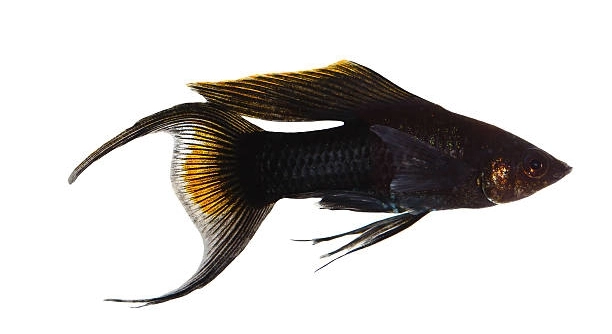
Do you ever find yourself setting up a community tank and wondering which fish will get along peacefully? Black Mollies and Cory Catfish are popular choices, often admired for their calm nature and attractive appearance.
Black Mollies can live with Cory Catfish under the right conditions. Both species are peaceful, have similar water requirements, and can coexist if the tank is spacious enough with hiding spots and a stable environment.
Maintaining proper tank conditions and monitoring behavior closely will help ensure both fish thrive together comfortably.
Tank Setup for Black Mollies and Cory Catfish
Keeping Black Mollies and Cory Catfish together requires thoughtful tank setup. A tank of at least 20 gallons is ideal to provide enough space for both species to swim freely. Cory Catfish are bottom dwellers, so a soft substrate like sand helps protect their delicate barbels. Black Mollies prefer open swimming areas but also appreciate hiding spots, so adding plants, driftwood, or decorations creates a comfortable environment. Maintaining stable water conditions is essential; Mollies thrive in slightly brackish water while Cory Catfish prefer freshwater, so a balance around neutral pH and gentle salinity is key. Temperature should stay between 72°F and 78°F, which suits both fish. Proper filtration and regular water changes ensure clean, oxygen-rich water. Lighting should be moderate to encourage natural behavior in both species. A carefully planned tank setup reduces stress, encourages activity, and helps prevent aggressive or territorial behavior from either fish.
A tank with enough space, hiding spots, and stable water conditions is essential for peaceful coexistence.
Properly arranging plants, decorations, and substrate allows each fish to establish its area while maintaining a harmonious environment for everyone to thrive.
Feeding and Compatibility
Both species have different feeding habits that must be accommodated. Black Mollies enjoy flake food, algae, and occasional protein treats, while Cory Catfish prefer sinking pellets or small live foods at the bottom.
Feeding schedules should consider these differences to ensure both species get proper nutrition without competing aggressively.
Mollies often swim near the surface or mid-level, so they may finish their portion before Cory Catfish even reach their food. Using sinking pellets for Cory Catfish prevents them from being left hungry. Occasional vegetable-based treats for Mollies, like blanched spinach or zucchini, support their health and help prevent boredom. Monitoring feeding behavior can reveal any signs of stress or competition. Water quality is also affected by leftover food, so removing uneaten portions promptly helps prevent ammonia spikes. Observing both species during feeding ensures that neither becomes dominant or underfed. With careful attention, both Black Mollies and Cory Catfish can thrive together, enjoying a balanced diet and harmonious tank life.
Behavior and Interaction
Black Mollies are active swimmers, often exploring the mid and top levels of the tank. Cory Catfish move slowly along the bottom, sifting through the substrate for food.
Their behavior generally complements each other, as Mollies occupy open water while Corys focus on the tank floor. Mollies can be social and curious, sometimes approaching Cory Catfish without causing stress. Corys are peaceful and usually avoid confrontation, preferring to stick in groups. Aggression is rare if both species have enough space and hiding spots. Monitoring interactions, especially in the early days, helps prevent any accidental chasing or stress. Over time, they settle into their routines and coexist with minimal interference, making the tank lively but calm.
Cory Catfish may cluster together while Mollies swim around, creating a natural balance. This division of space reduces tension and encourages peaceful coexistence.
Regular observation ensures any unusual behavior, like rapid swimming or hiding, is noticed and addressed early. Adjusting tank layout or adding decorations can improve comfort, helping both species feel secure and content in their shared environment.
Water Conditions and Maintenance
Both species require clean, stable water to thrive. Temperature should remain between 72°F and 78°F, with a neutral pH near 7.
Maintaining stable water parameters is crucial. Mollies tolerate slightly harder or brackish water, while Corys prefer softer freshwater. A careful balance prevents stress and illness. Regular water changes, at least 25% weekly, help maintain quality. Filtration should be strong enough to remove debris but gentle enough to avoid disturbing Corys. Monitoring ammonia, nitrite, and nitrate levels ensures a healthy environment. Adjusting mineral content or adding small amounts of salt for Mollies can support their well-being. Avoid sudden changes in temperature or pH, as both species are sensitive to fluctuations. With consistent care, both Black Mollies and Cory Catfish can thrive together, maintaining energy, color, and overall health in the tank.
Tank Mates and Community
Black Mollies and Cory Catfish generally get along with other peaceful fish. Avoid aggressive or large species that may stress either of them.
Introducing compatible tank mates, like small tetras or guppies, can enhance activity without causing conflict. Space and hiding spots remain important.
Breeding Considerations
Black Mollies breed readily in community tanks. Cory Catfish may also spawn under proper conditions, but they prefer secluded areas. Monitoring tank dynamics is necessary to prevent accidental predation of fry by other fish.
Careful planning and hiding spots help protect young fish. Mollies may reproduce frequently, requiring attention to population control. Cory Catfish fry benefit from soft substrate and dense plants for shelter. Ensuring both species’ reproductive needs are met supports a balanced tank. Watching interactions during breeding reduces stress and improves fry survival. Providing adequate nutrition for adults also supports healthy offspring growth and development.
Common Health Issues
Both species are susceptible to common freshwater diseases. Maintaining clean water and stable conditions reduces risk significantly.
FAQ
Can Black Mollies and Cory Catfish live in the same tank long-term?
Yes, they can live together long-term if the tank is properly maintained. Both species are peaceful and occupy different areas of the tank, which reduces stress. Providing enough space, hiding spots, and stable water conditions helps them coexist comfortably.
What size tank is best for keeping them together?
A minimum of 20 gallons is recommended. Cory Catfish need space to explore the bottom, while Mollies require open swimming areas. Adding plants, decorations, and hiding spots allows both species to feel secure and reduces potential territorial behavior.
Do Black Mollies need brackish water when kept with Corys?
Black Mollies tolerate slightly brackish water, but it should be mild so it does not harm Cory Catfish. A neutral pH around 7 and gentle salinity balance works best. Sudden changes in water conditions should be avoided to prevent stress.
How often should I feed them?
Feed Mollies and Cory Catfish once or twice a day. Mollies will eat flakes or vegetable-based foods at the surface, while Corys need sinking pellets or small live foods. Remove leftover food to maintain water quality. Feeding at the same time keeps both species healthy.
Can Cory Catfish be aggressive toward Mollies?
Aggression is very rare. Cory Catfish are bottom dwellers and naturally peaceful. Mollies may swim around them but usually do not provoke aggression. Proper tank size and hiding spots reduce even the slightest chance of stress or chasing.
Do they require the same water temperature?
Yes, both species thrive in temperatures between 72°F and 78°F. Maintaining stable temperature with a reliable heater ensures healthy fish and reduces susceptibility to disease. Avoid sudden fluctuations in temperature to keep both species comfortable.
How do I manage breeding in a shared tank?
Black Mollies breed frequently, so separating fry or providing dense plants helps protect them. Cory Catfish prefer secluded areas for spawning. Ensuring enough hiding spots and soft substrate allows fry to survive without being eaten by adults or other tank mates.
Are there specific health concerns I should watch for?
Both species can develop common freshwater diseases, like ich or fin rot. Maintaining clean water, stable parameters, and proper nutrition prevents most issues. Quarantining new fish before adding them to the tank helps reduce the risk of introducing illness.
Can I keep other fish with Black Mollies and Cory Catfish?
Yes, small, peaceful species such as tetras, guppies, or rasboras are compatible. Avoid aggressive or large fish that may stress or harm them. Ensure the tank is not overcrowded, and provide hiding spots to reduce tension and allow each species to thrive.
Do they need specific decorations or substrate?
Cory Catfish need a soft substrate like sand to protect their barbels. Black Mollies enjoy open swimming space with occasional hiding areas. Adding plants, driftwood, or rocks creates natural zones and encourages healthy behavior for both species. Substrate choice directly impacts their comfort and safety.
How do I monitor stress in the tank?
Signs of stress include rapid swimming, hiding, loss of appetite, or unusual color changes. Observing behavior during feeding and daily activities helps detect problems early. Adjusting tank layout, water conditions, or feeding routines can reduce stress and maintain a harmonious environment.
Is regular water maintenance necessary?
Yes, weekly water changes of at least 25% and proper filtration are essential. Clean, stable water prevents disease, supports healthy growth, and keeps both Black Mollies and Cory Catfish active and vibrant. Monitoring water parameters like pH, ammonia, and nitrates ensures long-term health.
Can Black Mollies live with Cory Catfish in a small tank?
It is not recommended. Small tanks increase stress and aggression risks. Both species need space to move freely and establish areas for feeding and hiding. A tank smaller than 20 gallons may lead to territorial disputes or health problems over time.
How do I introduce them safely?
Introduce both species gradually, preferably with established hiding spots. Observe early interactions closely. Maintaining consistent water parameters and avoiding sudden changes reduces stress during the introduction period, helping them settle into a peaceful routine.
What is the best diet for long-term health?
A balanced diet with flakes, pellets, vegetables, and occasional live or frozen foods works best. Mollies enjoy surface foods and vegetables, while Corys need sinking pellets and small protein options. Proper nutrition supports color, growth, and immune system strength.
Can they survive in slightly different water conditions?
Yes, small differences are tolerated. Mollies handle slightly harder or brackish water, but changes should be gradual to prevent stress for Corys. Monitoring water regularly ensures both species remain healthy and comfortable.
How often should I check water parameters?
Weekly checks are recommended, including temperature, pH, ammonia, nitrites, and nitrates. Consistent monitoring helps catch problems early and allows for prompt adjustments, maintaining a stable environment for both species.
What signs indicate they are happy together?
Peaceful swimming, regular feeding, healthy color, and active exploration of the tank are all good indicators. Minimal hiding and absence of aggression suggest both species are comfortable and thriving in the shared environment.
Are there any seasonal changes I need to consider?
Temperature fluctuations in winter or summer should be managed with a reliable heater or cooling system. Stable water conditions prevent stress and health issues. Adjust feeding slightly if metabolism changes due to temperature, ensuring both species remain well-nourished and active.
How long can they live together?
With proper care, Black Mollies can live up to 5 years, and Cory Catfish can live 4–6 years. Maintaining stable water conditions, balanced nutrition, and a peaceful tank environment ensures both species enjoy a long, healthy coexistence.
Can they share a breeding tank?
Yes, but precautions are needed. Mollies reproduce frequently and may eat fry if hiding spots are insufficient. Cory Catfish prefer secluded spawning areas. Dense plants, gentle water flow, and careful monitoring increase the survival rate of both species’ offspring.
Do decorations affect their behavior?
Yes, decorations provide hiding spaces for shy Cory Catfish and resting areas for Mollies. Plants, rocks, and driftwood create zones that reduce stress and support natural behavior. Too few decorations can lead to stress or territorial disputes, while too many may limit swimming space for Mollies.
Is it safe to add other fish later?
Adding fish later is possible if done gradually. Quarantine new fish, monitor water parameters, and ensure compatibility. Sudden introduction of aggressive species can disrupt the peaceful balance between Black Mollies and Cory Catfish. Proper planning ensures continued harmony in the tank.
Do they require specific lighting?
Moderate lighting is sufficient. Too strong light may stress Cory Catfish, while insufficient light can affect Mollies’ health. A consistent day-night cycle encourages natural behavior and helps maintain plant growth, which benefits both species by providing hiding spots and visual boundaries.
Can they handle mild water current?
Yes, both species tolerate mild water movement. Black Mollies enjoy gentle flow near the surface, while Cory Catfish prefer calmer areas at the bottom. Balancing current ensures oxygenation without stressing either species, supporting a stable and comfortable tank environment.
How do I prevent overcrowding?
Plan tank population based on species’ adult size and activity levels. Overcrowding increases stress, disease risk, and competition for food. For a 20-gallon tank, 4–6 Mollies and 3–5 Cory Catfish are a safe starting point. Adding too many fish can lead to long-term health issues.
What equipment is essential for coexistence?
A reliable filter, heater, thermometer, and soft substrate are essential. Decorations, plants, and hiding spots support natural behavior and reduce stress. Regular water testing kits help maintain optimal conditions. Proper equipment ensures a safe and comfortable environment for both species to thrive.
Can they tolerate occasional water parameter changes?
Small, gradual changes are usually tolerated, but sudden shifts in pH, temperature, or salinity can stress both species. Consistency is key. Slowly adjusting water conditions when necessary helps maintain health and prevents illness.
Are there behavioral signs of boredom?
Yes, lethargy, excessive hiding, or constant aimless swimming can indicate boredom. Adding plants, hiding spots, or occasional enrichment like gentle water flow changes can keep both species mentally stimulated and active.
How do I handle illness if it occurs?
Quarantine affected fish immediately and identify the cause, such as poor water quality or parasites. Treat with species-appropriate medication while maintaining optimal tank conditions. Prompt action prevents disease from spreading and ensures the health of both Mollies and Cory Catfish.
Can they live with shrimp or snails?
Peaceful shrimp and snails generally coexist well. Mollies may nibble on small shrimp occasionally, but Cory Catfish ignore them. Providing hiding spots ensures invertebrates are safe and both species maintain their natural behaviors without conflict.
What is the best way to observe tank balance?
Daily observation during feeding and swimming is key. Note interactions, activity levels, and behavior. Balanced tank life includes Mollies exploring mid and top levels while Cory Catfish patrol the bottom. Adjustments in decoration, feeding, or water conditions may be needed to maintain harmony.
Can they thrive in planted tanks?
Yes, plants provide shelter, reduce stress, and improve water quality. Mollies appreciate open swimming areas among plants, while Cory Catfish use dense vegetation for hiding. Live plants also encourage natural foraging and help maintain oxygen levels, supporting long-term health and behavior.
Are there seasonal breeding patterns to consider?
Mollies breed year-round in stable conditions, while Cory Catfish may spawn more in warmer water. Maintaining consistent water quality and temperature helps ensure successful breeding without causing stress or overpopulation in the tank.
How do I maintain tank cleanliness effectively?
Regular water changes, substrate vacuuming, and filter maintenance are essential. Removing uneaten food prevents ammonia spikes. Both species benefit from a clean environment, which reduces stress, supports health, and encourages natural behavior throughout the tank.
Is tank size adjustment necessary as fish grow?
Yes, as Black Mollies and Cory Catfish grow, more space may be required. Overcrowding can cause stress, stunted growth, and health issues. Planning for future growth ensures a comfortable and balanced environment for long-term coexistence.
Can I mix different Molly varieties with Cory Catfish?
Yes, various Molly types, like sailfin or dalmatian, can coexist with Corys as long as they share similar water requirements. Ensure the tank is large enough, provide hiding spots, and monitor behavior to prevent stress or competition.
Do they need supplemental minerals or salts?
Black Mollies may benefit from small amounts of aquarium salt for health, but it must be minimal to avoid harming Cory Catfish. Gradual adjustments maintain balance and prevent stress. Monitoring fish behavior ensures the added minerals are safe and effective.
How often should decorations be rearranged?
Occasional rearrangement can reduce boredom but should be done carefully. Sudden changes may stress Cory Catfish, while Mollies adapt quickly. Gradual adjustments maintain comfort and allow both species to explore their environment safely.
Can they adapt to different lighting schedules?
Yes, a consistent day-night cycle is best. Sudden changes may stress the fish. Gradually adjusting lighting helps both species maintain natural activity patterns and supports plant growth for a healthier, balanced tank.
Are Mollies more active than Corys?
Yes, Mollies are typically more active swimmers in the mid and upper tank areas. Cory Catfish move slower along the bottom. Their differing activity levels complement each other and help reduce conflict in a shared environment.
How do I prevent algae overgrowth in their tank?
Moderate lighting, regular water changes, and controlled feeding prevent excessive algae growth. Black Mollies may graze on algae, but overgrowth can affect water quality. Maintaining balance supports both species and keeps the tank visually appealing.
Is it necessary to separate sick fish?
Yes, always quarantine sick fish to prevent spreading disease. Treat in a separate tank if possible and maintain optimal conditions in the main tank. Quick action protects both Black Mollies and Cory Catfish from illness.
Can they live with goldfish?
It is not recommended. Goldfish are cold-water fish and produce a lot of waste. Temperature and water quality differences can stress both Mollies and Cory Catfish, potentially leading to illness. Separate tanks are best for these species.
Do they need hiding spots even if peaceful?
Yes, hiding spots reduce stress, especially during feeding or if new fish are added. Both species use them for comfort, security, and natural behavior. Dense plants, caves, or driftwood provide safe spaces for retreat without causing conflict.
Are there signs of overcrowding I should watch for?
Signs include aggression, chasing, hiding, rapid swimming, or poor growth. Regularly monitoring tank population and behavior ensures both species remain comfortable. Adjusting the number of fish or tank layout can restore balance and reduce stress.
Can they live in a tank with fluctuating temperature?
Fluctuating temperatures can stress both species. Consistent heating between 72°F and 78°F is essential. Sudden drops or spikes may lead to illness, lethargy, or death. A reliable heater and thermometer maintain stable conditions for long-term health.
How do I ensure their diet is balanced?
Provide a mix of flakes, pellets, vegetables, and occasional live or frozen foods. Feeding Mollies at the surface and Cory Catfish at the bottom ensures all nutritional needs are met. Observing eating habits helps adjust portions and food types for long-term health.
Are live plants better than artificial ones?
Live plants offer natural hiding spots, improve water quality, and encourage foraging. Artificial plants are easier to maintain but provide less benefit for water oxygenation. Both types can work, but live plants support natural behavior and overall tank health.
Can they adapt to changes in tank mates?
Yes, gradual introductions are key. Quarantine new fish, monitor interactions, and provide hiding spots. Sudden additions may stress either species. Proper acclimation ensures a harmonious environment and reduces the risk of conflict.
Do they prefer soft or hard water?
Cory Catfish prefer soft water, while Black Mollies tolerate harder water. A moderate balance with neutral pH works best for both species. Gradual adjustments prevent stress and support long-term health in a shared tank.
Can they live together in a planted aquarium long-term?
Yes, a planted tank with moderate lighting, hiding spots, and stable water parameters supports long-term coexistence. Plants provide shelter, reduce stress, and allow both species to exhibit natural behaviors. Regular maintenance ensures health and balance in the tank.
What are early warning signs of disease?
Lethargy, clamped fins, white spots, abnormal swimming, and loss of appetite are common indicators. Early detection and prompt treatment prevent disease spread and protect both Black Mollies and Cory Catfish.
Is it okay if Mollies outnumber Corys?
Yes, as long as the tank is large enough. Overcrowding increases stress, so maintaining proper ratios is important. A few more Mollies can coexist peacefully with Cory Catfish if space, hiding spots, and food availability are sufficient.
How do I acclimate them to a new tank?
Float the bag in tank water to equalize temperature, then slowly mix tank water into the bag over 30–60 minutes. Release fish gently, allowing them to explore their new environment. Proper acclimation reduces stress and prevents shock.
Can they tolerate mild salt in water?
Yes, small amounts of aquarium salt benefit Black Mollies, but it should not harm Cory Catfish. Always add gradually and monitor fish for stress. Salt improves fish health but must be used carefully in a mixed-species tank.
Are there signs of stress when adding new fish?
Hiding, rapid swimming, loss of appetite, or color fading indicate stress. Providing hiding spots, gradually introducing new fish, and monitoring interactions reduces tension and keeps both species comfortable.
Do they need different filtration types?
A gentle but efficient filter works best. Cory Catfish prefer calm areas, while Mollies benefit from moderate water flow. A properly balanced filter removes waste without disturbing either species, maintaining clean and healthy tank conditions.
Can Black Mollies and Cory Catfish coexist peacefully with snails?
Yes, most small snails are safe. Mollies may nibble occasionally, but Cory Catfish ignore them. Snails can help control algae, but hiding spots ensure both species and invertebrates coexist without stress.
How do I keep their environment stable long-term?
Consistent water changes, temperature control, balanced diet, and monitoring behavior ensure stability. Proper tank maintenance, avoiding overcrowding, and gradual adjustments to water parameters help both species thrive together over years.
Are there behavioral changes when they are stressed?
Yes, signs include clamped fins, erratic swimming, hiding, loss of appetite, and color fading. Addressing water quality, tank setup, or overcrowding often restores normal behavior and reduces stress.
Can they live in a tank with moderate lighting?
Yes, moderate lighting supports both species. Strong lighting can stress Cory Catfish, while Mollies adapt easily. Consistent day-night cycles promote natural activity and plant growth, benefiting the overall tank environment.
Do they need regular enrichment?
Yes, rearranging decorations, adding plants, or varying feeding encourages exploration and reduces boredom. Both species benefit from a stimulating environment, which promotes natural behavior and keeps them active and healthy.
Can they tolerate slight water parameter fluctuations?
Small, gradual changes are tolerated, but sudden shifts in pH, temperature, or hardness stress both species. Monitoring parameters and adjusting slowly helps maintain health and reduces the risk of disease.
How do I prevent Mollies from bullying Corys?
Providing enough space, hiding spots, and separating feeding areas prevents dominance or chasing. Monitoring behavior and adjusting tank layout reduces stress and ensures peaceful coexistence.
Is it safe to mix different Cory Catfish species with Mollies?
Yes, most small, peaceful Cory species coexist well with Mollies. Ensure similar water requirements, adequate space, and proper hiding spots. Monitor interactions initially to prevent stress and support harmony in the tank.
Do they need constant observation?
Regular observation is important, especially in the early weeks. Watching feeding, swimming, and interactions allows early detection of stress, illness, or aggression. Consistent monitoring supports long-term health and peaceful coexistence.
Can Black Mollies and Cory Catfish share a tank with live plants?
Yes, live plants improve water quality, provide hiding spots, and reduce stress. Mollies use open areas while Cory Catfish navigate plant bases. Maintaining plant health ensures a balanced environment for both species.
Are there specific decorations that help reduce stress?
Rocks, caves, driftwood, and dense plants offer security. Cory Catfish benefit from low-level hiding spots, while Mollies appreciate areas to swim freely. Proper decoration reduces tension, encourages natural behavior, and supports peaceful coexist
Keeping Black Mollies and Cory Catfish together in the same tank can be a very rewarding experience if done carefully. Both species are peaceful and generally compatible, but their needs are slightly different. Mollies prefer swimming in the middle and upper levels of the tank, while Cory Catfish stay near the bottom. This natural division of space allows them to coexist without disturbing each other too much. Ensuring the tank is large enough, with at least 20 gallons of water, helps prevent stress and overcrowding. Providing hiding spots with plants, rocks, or driftwood allows Cory Catfish to feel secure, and Mollies can enjoy open swimming areas without feeling confined. A proper balance of space and shelter is one of the most important factors for a harmonious tank.
Water conditions are another key aspect to consider. Black Mollies can tolerate slightly harder or mildly brackish water, while Cory Catfish prefer soft freshwater. Finding a middle ground with neutral pH and stable temperature between 72°F and 78°F ensures both species remain comfortable. Regular water changes, gentle filtration, and monitoring water quality are essential to prevent disease or stress. Mollies are more active and often eat at the surface, while Cory Catfish eat sinking pellets on the bottom, so it is important to plan feeding routines that meet both species’ dietary needs. Observing their behavior during feeding can help you identify if one species is not getting enough food or if stress is starting to appear. Proper nutrition and clean water are vital to maintaining energy, color, and overall health.
Both Black Mollies and Cory Catfish can thrive together for years when the tank is carefully maintained. Introducing compatible tank mates, keeping decorations and plants in place, and monitoring fish for signs of stress or illness will help maintain a peaceful environment. Watching their daily interactions allows you to adjust the tank as needed to ensure comfort for both species. Even with a well-maintained setup, it is important to remember that fish behavior can change over time, especially during breeding or seasonal changes in temperature. Planning for the long-term, including tank size, diet, and water conditions, helps prevent problems before they occur. With consistent care, attention, and a stable environment, Black Mollies and Cory Catfish can coexist successfully, offering a lively and balanced aquarium that showcases their natural behavior and peaceful nature.

Hello,
If you enjoy the content that we create, please consider saying a "Thank You!" by leaving a tip.
Every little bit helps us continue crafting quality advice that supports the health, happiness, and well-being of pets around the world, for pets of all shapes, sizes, and species.
We really appreciate the kindness and support that you show us!