
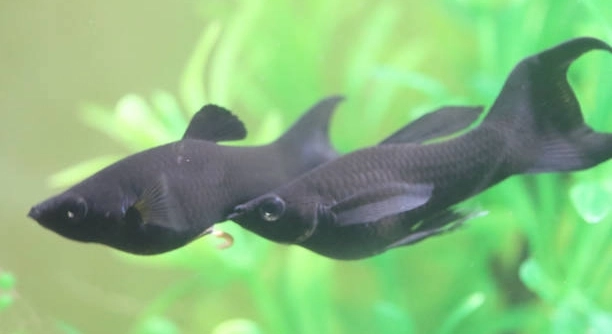
Are your black mollies looking dull despite regular care? Maintaining their striking color can feel tricky, especially when water conditions or diet aren’t ideal. Small changes can make a big difference in their appearance.
The most effective ways to boost black molly color naturally involve optimizing diet, maintaining clean water conditions, providing proper lighting, and incorporating specific natural supplements. These factors enhance pigmentation and overall health, resulting in deeper, richer coloration over time.
Improving your black mollies’ color doesn’t require complicated steps, but consistent care and attention make all the difference in achieving vibrant results.
Provide a Balanced Diet
Feeding black mollies a varied and nutritious diet is essential for maintaining their deep color. High-quality flake or pellet foods designed for tropical fish supply basic nutrients, but supplementing with live or frozen foods like brine shrimp, daphnia, or bloodworms can significantly enhance pigmentation. Including natural color boosters such as spirulina, kale, or spinach ensures they receive carotenoids, which directly influence coloration. Feeding smaller portions multiple times a day is better than one large meal, as it reduces waste and keeps the fish healthy. Avoid overfeeding, which can cloud the water and stress the fish. Additionally, rotating protein sources prevents nutritional deficiencies and encourages consistent growth. Observing their response to different foods allows you to adjust portions and variety to optimize color vibrancy. Proper nutrition affects not only appearance but also immune health, activity levels, and overall longevity, making it a foundational step in achieving naturally vivid black mollies.
Balanced nutrition promotes consistent color and helps mollies remain healthy and active in their habitat.
Providing foods rich in carotenoids and proteins gradually intensifies pigmentation over weeks. Incorporating both plant-based and protein-rich options gives them the variety needed to thrive. Watching their colors deepen after dietary adjustments can be rewarding and reinforces the importance of a consistent feeding plan. Ensuring all fish receive equal access to food prevents weaker or smaller mollies from losing color. Over time, color improvement becomes noticeable, with darker, more uniform pigmentation across their bodies and fins.
Maintain Optimal Water Conditions
Stable water parameters are key to keeping black mollies vibrant. Frequent water changes, testing for pH, hardness, and temperature, and avoiding overcrowding all contribute to a healthier environment.
Keeping water clean reduces stress and supports pigment retention. Proper filtration and regular partial water changes prevent the buildup of harmful chemicals. Mollies thrive in slightly alkaline, moderately hard water around 24–28°C. Monitoring ammonia, nitrite, and nitrate levels helps detect problems before they affect coloration. Tank plants and gentle aeration create a comfortable, natural setting, further promoting health and vibrancy. Stress from sudden changes in water chemistry can cause colors to fade quickly, so gradual adjustments are essential. A well-maintained tank also discourages disease, which indirectly protects pigmentation. Adding natural decorations or floating plants offers shade and visual comfort, encouraging mollies to display their best colors. Consistency in maintenance is more important than perfection; small, steady efforts yield noticeable improvements in pigmentation over time, making your black mollies appear deeper and healthier.
Provide Proper Lighting
Proper lighting supports natural pigmentation and overall health. Black mollies benefit from a consistent day-night cycle with moderate aquarium lighting, which enhances their color without causing stress. Avoid overly bright or harsh lights.
Consistent lighting helps regulate biological rhythms, encouraging activity and feeding behavior, both of which contribute to healthy coloration. LED lights or full-spectrum fluorescent bulbs are ideal because they simulate natural daylight without generating excessive heat. Positioning lights for 8–10 hours daily allows mollies to maintain normal behavior patterns, which prevents color fading. Excessive lighting can trigger algae growth and stress, while too little light can dull their appearance. Observing the fish under different lighting can help you adjust brightness and duration for optimal results. Pairing proper lighting with clean water and a balanced diet ensures that their black coloration becomes more pronounced and even across the body and fins.
Even small adjustments in lighting can lead to gradual, noticeable improvements in pigment intensity, giving your mollies a richer and more uniform black tone over time. Proper light exposure works best when combined with consistent feeding and tank care.
Use Natural Color Enhancers
Certain natural foods and supplements can boost black molly coloration. Spirulina, krill, and carotenoid-rich vegetables enhance pigment expression effectively.
Adding these natural enhancers gradually strengthens pigmentation while supporting overall health. Feeding spirulina flakes or pellets a few times per week increases the intensity of black coloration, while small amounts of krill provide protein and pigments that improve fin and body tone. Vegetables like spinach, peas, or zucchini add carotenoids and vitamins, making colors appear deeper and richer. Over time, mollies display a darker, more vibrant black, especially when these foods are paired with a balanced diet and clean water conditions. Avoid over-supplementing, as it can affect water quality. Rotating different color-enhancing foods ensures mollies get varied nutrients, preventing deficiencies. Observation is key—changes in pigmentation usually appear after several weeks, and consistency in feeding routines helps maintain results. Regular use of these natural enhancers makes a visible difference in the intensity and uniformity of black molly coloration.
Avoid Overcrowding
Overcrowding stresses black mollies and can cause their colors to fade. Providing enough space allows them to swim freely and display their natural pigmentation fully.
A less crowded tank reduces aggression and competition for food, both of which help maintain vibrant coloration. Proper stocking ensures each molly gets adequate nutrition and prevents stress-related dulling of color.
Maintain Stable Temperature
Keeping water temperature consistent between 24–28°C supports healthy metabolism and color retention in black mollies. Sudden fluctuations can weaken their immune system and cause pigment loss. Regularly monitor and adjust heaters to maintain stability.
Include Live Plants
Live plants improve water quality and provide hiding spaces. Their presence reduces stress and encourages mollies to show their full color.
Gentle Tank Maintenance
Performing regular, careful water changes keeps the environment clean without shocking the fish. Gentle maintenance preserves natural coloration and overall health.
FAQ
How often should I feed black mollies to improve their color?
Feeding small portions two to three times a day is ideal. This prevents overfeeding, keeps water clean, and ensures mollies get enough nutrients consistently. Using a mix of high-quality flakes, pellets, and occasional live or frozen foods helps maintain vibrant black pigmentation over time.
Can water temperature affect my molly’s color?
Yes, temperature directly impacts metabolism and overall health. Black mollies thrive in slightly warm, stable water between 24–28°C. Sudden fluctuations can stress them, causing colors to fade. Using a reliable heater and thermometer helps maintain a consistent environment, supporting natural pigmentation.
Do black mollies need special lighting to enhance color?
Moderate aquarium lighting improves coloration, but it should not be too bright. LED or full-spectrum bulbs for 8–10 hours daily provide enough light to support pigment development while preventing stress or algae overgrowth. Consistency is more important than intensity.
Will live plants really make a difference in coloration?
Yes, live plants help reduce stress and improve water quality. Stress-free mollies display their best color. Plants also offer hiding spots, making mollies feel secure and more likely to swim naturally, which contributes to even pigmentation across their body.
Which foods boost black coloration the most?
Foods rich in carotenoids and proteins, such as spirulina, krill, and leafy vegetables like spinach or kale, are most effective. Feeding these foods several times per week alongside a balanced diet gradually deepens black pigmentation while supporting overall health.
How often should I perform water changes?
Partial water changes of 20–30% weekly help maintain optimal water quality. Clean water reduces stress and supports healthy pigmentation. Frequent but moderate changes are better than infrequent large changes, which can shock the fish and temporarily dull their color.
Can overcrowding affect my molly’s color?
Yes, overcrowding increases stress and competition for food, both of which can cause color to fade. Providing enough space for each fish allows them to swim freely, feed properly, and display their natural black coloration consistently.
Are supplements necessary for black mollies?
Supplements like spirulina flakes or carotenoid powders can help, but they are most effective when used alongside a balanced diet and proper water conditions. Over-supplementing can reduce water quality, so moderation and rotation of natural enhancers is key.
How long does it take to see color improvement?
With consistent care—proper diet, lighting, water quality, and gentle maintenance—noticeable improvement usually occurs in a few weeks. Results vary depending on the fish’s age, health, and previous conditions, but gradual, steady changes are the most sustainable.
What signs indicate my mollies are stressed or losing color?
Faded color, hiding excessively, reduced appetite, or erratic swimming can indicate stress. Check water quality, tank population, temperature, and diet. Addressing these issues promptly helps restore vibrant coloration and prevents long-term health problems.
Can natural plants or decorations enhance pigmentation?
Yes, adding live plants, smooth rocks, and shaded areas reduces stress and encourages mollies to display their full color. A comfortable environment promotes natural behaviors, which positively affects pigment intensity and overall vibrancy.
Is it okay to mix black mollies with other fish?
Mixing with peaceful species is fine, but avoid aggressive or very active tankmates. Stress from bullying or competition can dull black coloration. Ensuring compatible species and adequate space helps mollies maintain deep, consistent pigmentation.
Do older black mollies lose color naturally?
Some fading can occur with age, but proper nutrition, clean water, and gentle care slow this process. Older mollies benefit from natural color enhancers and consistent maintenance to keep their black hue rich and uniform.
How can I tell if my mollies are getting enough nutrients for color?
Healthy black mollies are active, have bright eyes, and show uniform black pigmentation. Dull fins, uneven coloration, or slow growth indicate dietary gaps. Adjusting food types and amounts ensures they receive nutrients needed for vibrant color.
Are artificial color enhancers safe for mollies?
Natural foods are safer for long-term use. Some artificial enhancers may contain additives that affect water quality or fish health. Focus on spirulina, krill, and vegetables for safe, gradual color improvement while maintaining overall well-being.
How important is consistency in care?
Consistency in feeding, water changes, lighting, and temperature is critical. Black mollies respond gradually, and irregular care can cause fading or stress. Steady routines ensure pigment retention, healthy growth, and overall vitality, making their black color more pronounced.
Can stress from frequent handling affect color?
Yes, frequent or rough handling can cause stress and temporary color loss. Avoid unnecessary disturbances, use nets gently, and maintain a calm environment to help mollies retain their natural pigmentation.
Are there signs of disease that affect color?
Diseases like fin rot, ich, or fungal infections can cause discoloration. Watch for spots, frayed fins, or lethargy. Prompt treatment and proper tank conditions help restore natural pigmentation and prevent further health decline.
Does water hardness influence pigmentation?
Moderately hard water supports black mollies’ health and color expression. Extremely soft or very hard water can stress fish, causing dulling. Regularly testing water and making gradual adjustments helps maintain optimal conditions for vibrant black coloration.
Is it normal for black mollies to lose color temporarily?
Temporary fading can happen due to stress, water changes, or minor temperature shifts. As long as conditions are stable, they usually regain full coloration within a few days to weeks. Consistent care minimizes the frequency and duration of fading episodes.
Black mollies are beautiful fish that can brighten any aquarium, and keeping their color rich and vibrant is a matter of steady, consistent care. Their black pigmentation is influenced by several factors, including diet, water quality, lighting, and stress levels. Each factor plays a role in how deep and even their color appears. Providing a balanced diet that includes high-quality flakes, pellets, and occasional live or frozen foods helps supply the nutrients needed for pigmentation. Adding natural color enhancers like spirulina or vegetables can gradually make their black color appear more intense. Feeding small portions multiple times a day keeps the fish healthy and prevents water from becoming cloudy, which also contributes to their overall well-being and appearance.
Maintaining stable water conditions is equally important for keeping black mollies at their best. Water temperature, pH, and hardness all affect their health and coloration. Regular water changes, careful monitoring of parameters, and proper filtration reduce stress and support their immune system, which in turn helps maintain vibrant pigmentation. Live plants and decorations not only make the tank look more natural but also provide hiding spaces, helping the fish feel secure and less stressed. Stress is one of the main reasons mollies lose color, so creating a calm environment is essential. Keeping the tank at the right temperature range, avoiding overcrowding, and ensuring compatibility with other fish help the mollies maintain their color consistently.
Finally, lighting and consistent care routines make a noticeable difference in how black mollies display their color. Moderate aquarium lighting that mimics a natural day-night cycle encourages normal behavior and helps pigments develop. Too much or too little light can dull their coloration, so it is important to provide steady, appropriate lighting for a set period each day. Combining proper lighting with good nutrition, clean water, and gentle handling creates the ideal conditions for healthy and vibrant black mollies. Over time, these small but consistent steps result in fish that look darker, healthier, and more uniform in color. While it takes patience, following these practices ensures that black mollies can show their natural beauty and remain healthy for years.

Hello,
If you enjoy the content that we create, please consider saying a "Thank You!" by leaving a tip.
Every little bit helps us continue crafting quality advice that supports the health, happiness, and well-being of pets around the world, for pets of all shapes, sizes, and species.
We really appreciate the kindness and support that you show us!