
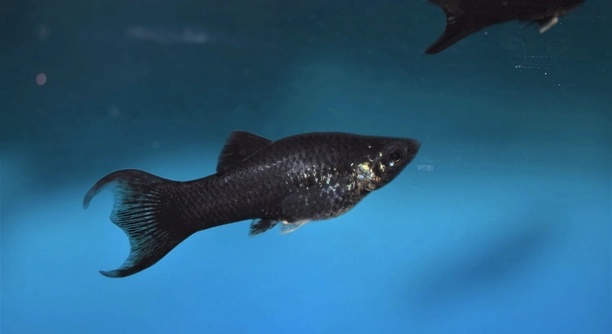
Do you love keeping freshwater fish but find yourself wondering how to create an ideal environment for your black molly? Setting up a tank that suits their needs can feel overwhelming at first.
Creating a black molly-friendly tank requires careful attention to water conditions, temperature, pH balance, and compatible tank mates. Providing appropriate plants, hiding spots, and consistent maintenance ensures their health, reduces stress, and encourages natural behaviors in captivity.
Proper tank setup is essential for their long-term health, making it easier to enjoy watching these elegant fish thrive and grow.
Choosing the Right Tank Size
A black molly needs space to swim freely and grow healthily. A tank that is too small can lead to stress, stunted growth, and weaker immune systems. For a small group of black mollies, a 20-gallon tank is the minimum recommended size. It allows enough room for swimming, hiding, and establishing territories. Overcrowding can lead to aggression and poor water quality, which affects the overall health of the fish. When selecting a tank, consider the number of mollies and any additional species you plan to keep. A wider tank is often better than a tall one because black mollies spend most of their time near the surface. Accessories like decorations and plants should not take up too much space, leaving room for swimming. Regular water changes and filtration also complement a properly sized tank, ensuring cleaner, more stable conditions for the mollies to thrive.
Proper tank size reduces stress and promotes healthy behavior, giving black mollies a more comfortable and active environment.
Ensuring enough space also allows for natural schooling and social interaction. Black mollies are active fish, and they benefit from areas where they can explore without feeling confined. A well-chosen tank size reduces competition for space, lowering aggression and stress levels. When combined with proper maintenance and water quality, the right tank dimensions help the fish live longer, healthier lives while allowing their colors to develop fully.
Maintaining Stable Water Conditions
Stable water conditions are critical for black mollies’ health. Fluctuations in temperature, pH, or hardness can cause stress, illness, and even death.
Keeping the water temperature between 75 and 80 degrees Fahrenheit is ideal. Black mollies prefer slightly alkaline water with a pH of 7.5 to 8.0. Hard water with moderate mineral content helps maintain their health. Using a reliable heater and thermometer ensures consistent temperature. Regular testing of water parameters is necessary, especially after adding new fish or performing water changes. Filtration helps remove toxins, while partial water changes maintain balance. Avoid sudden changes in water chemistry, as mollies are sensitive to stress. Aeration and gentle water flow mimic their natural environment, encouraging activity and feeding. Proper maintenance of water quality prevents common diseases and supports the overall immune system of the fish, creating a safer and more comfortable tank.
Consistent water care directly impacts their growth, color, and longevity.
Monitoring temperature, pH, and hardness daily ensures the environment remains stable. Black mollies are hardy when conditions are right, but rapid changes can trigger illness. Pairing filtration with regular cleaning and controlled feeding helps prevent waste buildup. Providing hiding spots and floating plants complements stable water conditions by reducing stress. Over time, careful attention to water quality results in lively, vibrant fish that display natural behaviors and interact positively with tank mates. Maintaining stability not only protects their health but also enhances their appearance and activity, creating a balanced and enjoyable tank environment.
Selecting Compatible Tank Mates
Black mollies are peaceful but can become stressed around aggressive or overly active fish. Choosing compatible species reduces conflict and encourages a calmer environment. Small, non-aggressive fish like guppies, platies, and tetras work well. Avoid fin-nipping or territorial species that may harm mollies.
Compatibility depends on size, temperament, and water preferences. Mollies thrive with other livebearers that share similar water requirements. Aggressive or fast-moving fish can intimidate them, causing hiding, reduced feeding, or stress-related illness. Introducing new tank mates gradually helps mollies adjust. Observing interactions early prevents long-term problems. A balanced mix of species ensures the tank remains active without creating tension, supporting natural behavior and overall health. Proper selection reduces stress and enhances enjoyment of watching mollies interact and explore together in a shared habitat.
Providing the right tank mates also supports social behavior and reduces boredom. Black mollies are social fish, and compatible companions help them feel secure. Grouping them with similarly sized, calm fish encourages schooling and interaction while preventing aggression. Overcrowding should be avoided to maintain harmony. When tank mates are well-chosen, mollies display brighter colors, feed more consistently, and remain active, resulting in a lively, balanced tank where all fish coexist without stress or dominance issues.
Incorporating Plants and Hiding Spots
Live plants and decorations give black mollies areas to hide, rest, and feel secure. Floating plants reduce light intensity and offer shaded zones.
Plants improve water quality by absorbing nitrates, offering surfaces for beneficial bacteria, and creating natural boundaries. Mollies enjoy swimming through tall plants like hornwort or java moss, which mimic their natural environment. Rocks, driftwood, and caves provide additional hiding spaces and territories. A mix of open swimming areas and dense plant zones prevents stress from overcrowding or aggression. Plants also encourage natural behavior like exploring, grazing, and resting in safe areas. Providing a balanced environment with sufficient cover enhances well-being and reduces stress-related behaviors.
Hiding spots reduce stress and promote natural activity. Mollies feel safer when they can retreat, especially during feeding or interaction with other species. Using a combination of plants and decorations ensures there are both open spaces for swimming and secluded areas for privacy. Proper arrangement allows them to explore freely while avoiding confrontation. This setup improves health, encourages feeding, and helps mollies display their full range of natural behaviors, creating a dynamic, comfortable habitat that supports long-term well-being.
Feeding the Right Diet
Black mollies need a varied diet to stay healthy. High-quality flake food, supplemented with frozen or live foods, provides essential nutrients.
Including vegetables like blanched spinach or zucchini supports digestion and overall health. Avoid overfeeding, as leftover food can degrade water quality and stress the fish.
Regular Water Changes
Frequent water changes are necessary to maintain stable water quality. Removing 20-25% of tank water weekly prevents toxin buildup and supports healthy fish.
Consistent partial water changes reduce nitrate levels and improve oxygenation. Using dechlorinated water at the proper temperature helps avoid sudden stress or shock to the mollies.
Monitoring Health
Watch for signs of illness, such as changes in appetite, color, or swimming behavior. Early detection prevents serious health problems.
Controlling Algae
Algae can quickly take over a tank if not managed. Regular cleaning and proper lighting balance help keep it under control.
FAQ
How often should I feed my black mollies?
Black mollies do best with small, frequent feedings. Offering food two to three times a day in amounts they can consume in a few minutes prevents overfeeding. Overfeeding can lead to poor water quality and digestive issues. Including a mix of flake foods, frozen foods, and blanched vegetables ensures balanced nutrition. Rotate between protein-rich and plant-based foods to keep them healthy.
What water parameters are ideal for black mollies?
They thrive in slightly alkaline water with a pH between 7.5 and 8.0. Temperature should be maintained between 75 and 80 degrees Fahrenheit. Hard water with moderate mineral content supports their health. Regular testing helps keep conditions stable and prevents stress or illness. Using a reliable heater, thermometer, and water testing kit ensures a consistent environment.
Can black mollies live with other fish?
Yes, but choose peaceful, similarly sized species. Guppies, platies, and small tetras are good companions. Avoid aggressive or fin-nipping fish that could stress mollies. Gradually introducing new tank mates helps prevent conflict. Proper spacing and hiding spots allow all species to coexist comfortably. Observing interactions early ensures harmony in the tank.
How often should I perform water changes?
Partial water changes of 20-25% weekly help maintain water quality. Removing old water reduces nitrate buildup and replenishes essential minerals. Using dechlorinated water at the proper temperature prevents shock. Consistent maintenance keeps mollies healthy, reduces stress, and supports vibrant coloration. Skipping water changes can lead to disease and poor growth.
What are the signs of stress or illness?
Look for loss of appetite, faded colors, erratic swimming, or hiding more than usual. Clamped fins, white spots, or labored breathing indicate potential illness. Early detection is key. Quarantine new fish before adding them to the tank to reduce the risk of disease spreading. Maintaining stable water conditions also minimizes stress.
Do black mollies need live plants?
Live plants are not mandatory but highly beneficial. They provide hiding spots, reduce stress, and help improve water quality by absorbing nitrates. Floating plants also create shaded areas. Mollies enjoy exploring through tall plants like hornwort or java moss. Decorations and caves supplement natural cover and enrich the environment.
How can I control algae in my tank?
Algae growth is natural but should be managed. Regular cleaning of glass, decorations, and substrate reduces buildup. Proper lighting duration and intensity prevent excessive growth. Adding algae-eating species, like certain snails or shrimp, can help maintain balance. Avoid overfeeding, as leftover food fuels algae growth.
Can black mollies tolerate brackish water?
Yes, black mollies tolerate slightly brackish conditions. Adding a small amount of aquarium salt can support their health, especially if the tank is not fully freshwater. Gradual adjustments prevent shock. Monitor their behavior and ensure proper water parameters. Brackish conditions may enhance coloration and overall well-being.
How do I encourage breeding in black mollies?
Provide a stable environment with plenty of hiding spaces for fry. Maintain clean water and a varied diet to improve health and fertility. Males will display courtship behavior, and females give live birth. Separating fry from adults prevents accidental predation. Breeding occurs more readily in groups with a higher ratio of females to males.
What is the best way to acclimate new black mollies?
Float the sealed bag in the tank for 15-20 minutes to equalize temperature. Gradually add small amounts of tank water to the bag every few minutes. After 30-60 minutes, release the fish gently. This reduces stress and prevents shock from sudden changes in water conditions.
How much space does each black molly need?
A minimum of 5 gallons per fish is recommended, but more space is better. Overcrowding causes stress, aggression, and poor water quality. A 20-gallon tank accommodates a small group comfortably. Wide tanks allow surface swimming, which mollies prefer. Adequate space supports natural behavior and reduces territorial disputes.
Are black mollies sensitive to temperature changes?
Yes, sudden temperature fluctuations can stress them and lead to illness. Keep the water consistently between 75 and 80 degrees Fahrenheit. Use a heater and thermometer to monitor temperature. Avoid placing the tank near windows or vents where changes occur quickly. Gradual adjustments are safer when needed.
Can black mollies eat algae?
Yes, they occasionally graze on algae, but it should not be their main food source. Providing vegetables and protein-rich foods ensures proper nutrition. Algae grazing supplements their diet and keeps minor algae growth under control but does not replace balanced feeding.
How do I know if my tank is too crowded?
Signs include aggressive behavior, hiding, slow growth, and poor water quality. Each fish needs sufficient space to swim and establish territory. Overcrowding also increases waste, stressing filtration systems. Ensuring proper tank size and maintaining compatible species prevents these issues and promotes a healthy, active environment.
Is a filter necessary for black molly tanks?
Yes, a filter helps maintain clean water by removing debris and toxins. It improves oxygenation and supports a stable environment. Choose a filter appropriate for tank size to ensure efficient circulation without creating strong currents that stress the fish. Regular maintenance keeps it functioning properly.
Can black mollies live alone?
They are social fish and do best in small groups. Keeping one alone can lead to stress and reduced activity. A group of at least three is recommended. Social interaction supports natural behavior, increases activity levels, and helps maintain overall health and well-being in the tank.
Final Thoughts
Creating a black molly-friendly tank takes attention to detail and consistent care. Black mollies thrive in an environment where water conditions, temperature, and pH are stable. Regular testing and maintenance of the tank are essential to prevent stress and disease. A well-maintained tank not only keeps the fish healthy but also allows them to display their natural behaviors. Paying attention to these small details ensures that the fish remain active, eat well, and develop vibrant colors. Simple steps like partial water changes, monitoring water parameters, and keeping the tank clean contribute significantly to their overall well-being. Even minor neglect can lead to health issues, so staying consistent with tank upkeep is important.
Space is another key factor to consider. Black mollies need room to swim and explore. A minimum of 20 gallons for a small group provides enough swimming space while reducing territorial conflicts. Proper tank size also supports social behavior, allowing the fish to interact naturally without overcrowding. Decorations and live plants should be arranged to provide hiding spots without taking up too much room, giving the mollies both open areas and secure places to rest. Adding compatible tank mates can enhance their activity and social dynamics, but care must be taken to choose peaceful species that share similar water requirements. These factors combined create a balanced and comfortable environment, encouraging the fish to thrive physically and mentally.
Feeding and nutrition are just as important as the physical setup. A varied diet including high-quality flake food, frozen or live protein, and vegetables like blanched spinach or zucchini supports digestion and overall health. Avoiding overfeeding helps maintain water quality and prevents obesity or other health issues. Observing the fish during feeding times allows you to monitor their health and behavior, noticing any early signs of stress or illness. In addition, regular water changes, proper filtration, and attention to algae control maintain a cleaner environment, reducing stress and promoting longer life. By combining careful tank setup, proper nutrition, and consistent maintenance, black mollies can live healthy, active lives, making them rewarding fish to keep and observe.

Hello,
If you enjoy the content that we create, please consider saying a "Thank You!" by leaving a tip.
Every little bit helps us continue crafting quality advice that supports the health, happiness, and well-being of pets around the world, for pets of all shapes, sizes, and species.
We really appreciate the kindness and support that you show us!