
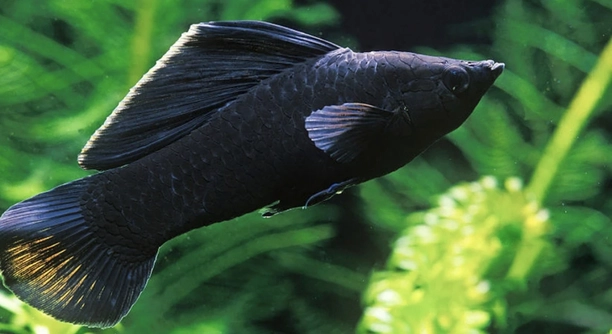
Keeping Black Molly fry healthy requires attention to their environment, diet, and general care. Even small changes in water quality, feeding habits, or tank conditions can make a significant difference in their survival and growth.
Ensuring the health of Black Molly fry involves consistent monitoring of water parameters, providing a balanced diet suitable for young fry, maintaining proper tank hygiene, and implementing gradual environmental adjustments. These measures collectively support optimal development and reduce mortality rates effectively.
Applying these simple steps will improve your fry’s growth and resilience, making it easier to maintain a thriving aquarium community.
Maintain Stable Water Conditions
Keeping water stable is crucial for Black Molly fry. Sudden changes in temperature, pH, or hardness can stress them, affecting growth and survival. Use a reliable thermometer and test kits to monitor conditions regularly. Perform small, frequent water changes instead of large ones to avoid shocking the fry. Ensure the tank has a gentle filter to maintain water movement without creating strong currents that could harm tiny fry. Avoid overfeeding, as leftover food can quickly deteriorate water quality, increasing ammonia and nitrite levels. Introduce new plants or decorations gradually and rinse them thoroughly before adding them to the tank. Maintaining stability will create a safer environment, helping fry to grow strong and reducing disease risks. Consistency is key; even small fluctuations can have significant effects on fry health.
Stable water conditions support fry growth by reducing stress and minimizing the risk of disease. Consistency in temperature and pH keeps their environment safe.
Regular checks and controlled water changes are essential. Using a gentle filter and monitoring levels daily ensures the fry remain healthy.
Provide Proper Nutrition
High-quality nutrition is essential for healthy Black Molly fry. Feed small amounts several times a day with finely crushed flakes, baby brine shrimp, or specialized fry food. Avoid overfeeding, as uneaten food can pollute the water quickly. Rotate food types to provide balanced nutrients that support growth and immune function. Keep portions appropriate to their size to prevent digestive issues, which are common in young fry. Observe the fry during feeding to ensure all are eating; weaker fry may need separate feeding or supplemental food. Fresh, live, or frozen options like daphnia or microworms can improve development. Nutrition affects coloration, activity, and overall survival. Pair feeding routines with water monitoring to maintain tank cleanliness. A consistent diet helps fry develop properly and reduces the likelihood of stunted growth.
Proper feeding routines and varied food ensure fry get all necessary nutrients. Balanced portions prevent water quality issues and digestive problems.
Tracking feeding times, portion sizes, and observing fry behavior allows adjustments to diet as they grow. Introducing live foods occasionally boosts health. Consistent monitoring ensures each fry receives enough nutrition, fostering stronger, healthier fish over time.
Use a Safe Breeding Tank
Separating fry in a breeding tank reduces risk of being eaten by adult fish. Ensure the tank is well-planted and has hiding spaces. Keep water gentle and stable.
A breeding tank allows better control over feeding, water quality, and fry development. Plants like java moss or fine-leaved species give fry shelter, reducing stress and increasing survival rates. Avoid overcrowding; too many fry in one space can lead to competition for food and higher waste levels, which may affect water quality. A small sponge filter provides gentle circulation without harming fry. Regular monitoring ensures early detection of health or growth issues. By maintaining a dedicated space, fry can grow without unnecessary risks from adult fish.
Monitor water parameters closely in the breeding tank. Frequent small water changes maintain cleanliness without shocking fry. Observe feeding habits and growth patterns to adjust care as needed. Gentle filtration, adequate hiding spots, and balanced nutrition are key. Consistency in these factors promotes healthy development and reduces mortality rates, giving each fry a better chance to thrive before eventual introduction to the main tank.
Maintain Proper Lighting
Proper lighting supports fry growth and plant health. Keep lights on for about 10–12 hours daily. Avoid direct sunlight that can overheat the tank.
Lighting helps plants produce oxygen and encourages natural behavior in fry. Too much light can promote algae growth, while too little may slow fry activity. Use a timer to maintain consistency, which prevents stress. Adjust intensity based on plant needs and tank setup. Monitor fry during light periods to ensure they are active but not stressed. Balanced lighting also helps maintain natural coloration and energy levels, supporting feeding and growth routines.
Consistent lighting schedules help fry establish natural rhythms. Observe plant and fry responses to adjust duration or intensity. Overexposure can raise water temperature and algae growth, while too little light may reduce activity and feeding. Properly timed lighting complements feeding and water maintenance routines, supporting overall tank stability. Using adjustable LED lights allows fine-tuning for optimal plant growth and fry development, creating a balanced environment without sudden fluctuations in conditions.
Keep Tank Clean
Regular cleaning prevents harmful buildup that can stress fry. Remove uneaten food and debris daily.
Siphon the substrate gently during water changes. Avoid harsh scrubbing that disturbs fry or plants. Consistent tank maintenance reduces ammonia and nitrite spikes, keeping the environment safe.
Control Water Temperature
Black Molly fry thrive in stable, warm water. Keep the temperature around 24–28°C (75–82°F) using a reliable heater. Sudden fluctuations can weaken fry and make them more prone to illness. Monitor daily with a thermometer. Adjust gradually if changes are needed, never sudden. A stable environment promotes strong growth, active behavior, and overall health. Temperature consistency complements proper nutrition and clean water, ensuring fry develop properly.
Provide Hiding Spots
Fry need shelter to feel secure. Add plants, moss, or small decorations to give them safe areas to hide.
How often should I feed Black Molly fry?
Feed Black Molly fry small amounts multiple times per day, usually three to four times. They have tiny stomachs, so frequent feeding ensures they get enough nutrients without overloading the tank. Use finely crushed flakes, baby brine shrimp, or specialized fry food. Watch them eat to ensure all fry are getting food, and remove any leftovers to prevent water pollution. Rotating food types occasionally helps provide balanced nutrition and encourages healthy growth. Consistency is key to avoid stunted development or digestive problems.
What water conditions are best for fry?
Maintain stable water parameters. Ideal temperature ranges between 24–28°C (75–82°F), with a pH around 7.0–8.0. Keep hardness moderate, avoiding extreme swings that stress fry. Use a gentle filter to maintain water movement without creating strong currents. Frequent small water changes help control ammonia and nitrite levels while keeping the environment safe. Avoid overcrowding, which can worsen water quality quickly. Test water regularly with kits to ensure all parameters remain within safe limits. A stable, clean tank encourages growth, reduces disease risks, and improves survival rates.
Do fry need live food?
Live food is highly beneficial but not strictly required every day. Baby brine shrimp, daphnia, or microworms provide protein and nutrients that enhance growth, coloration, and activity. Feed small amounts alongside crushed flakes or commercial fry food to ensure a balanced diet. Rotate foods to prevent nutritional gaps. Occasionally offering live food stimulates natural hunting behavior, keeping fry active. Monitor leftovers to avoid water contamination. Live food supports strong development, making fry healthier and more resilient to stress.
How can I prevent fry from being eaten by adult fish?
Separate fry into a breeding or nursery tank. Include plants or moss to give hiding spaces. Adult Black Mollies may eat their young, so isolation increases survival rates. Ensure gentle water flow and consistent feeding. Dense plants like java moss or fine-leaved species provide security, reducing stress. Observe fry daily to track growth and health. Using a dedicated space makes it easier to manage nutrition, water quality, and overall safety for the young fish.
What signs indicate fry are unhealthy?
Unhealthy fry may become lethargic, lose coloration, or fail to eat. Curling or floating at the surface can indicate stress, water issues, or disease. Monitor growth rates; stunted or uneven development may signal nutritional deficiencies or poor water conditions. Check water parameters immediately if multiple fry show symptoms. Remove sick fry to prevent spreading disease. Consistent monitoring and proper care help detect problems early, allowing corrective measures before serious health issues develop.
How often should I clean the fry tank?
Daily removal of uneaten food and debris is important. Gentle siphoning during water changes prevents harmful buildup without disturbing fry. Weekly partial water changes, around 10–20%, maintain stable conditions. Avoid harsh cleaning methods that could stress fry or damage plants. Consistent maintenance ensures ammonia and nitrite levels remain low, supporting healthy growth. Clean equipment and decorations thoroughly when adding them to avoid introducing pathogens. Keeping the tank clean reduces stress, boosts immune function, and improves overall fry survival.
Can fry grow in the main tank with adults?
It is possible but risky. Adult Black Mollies may eat fry, especially when they are small. Providing dense plants or hiding spaces can help, but survival rates are usually lower than in a separate breeding tank. A dedicated fry tank allows better control over water quality, feeding, and safety, increasing survival. If using a main tank, monitor closely, provide cover, and be prepared to separate fry if predation occurs. Growth may also be slower in crowded conditions.
How fast do Black Molly fry grow?
Growth depends on diet, water quality, and tank conditions. With proper care, fry can double in size within a few weeks. Regular feeding, stable water, and safe environments accelerate growth. Monitor size and activity levels; healthy fry are active, swimming freely, and showing steady development. Consistency in care ensures strong growth and reduces mortality rates. Environmental factors, including light and temperature, also influence growth speed. Proper nutrition and low stress allow fry to develop into healthy, resilient adult fish efficiently.
Is it necessary to provide plants in the fry tank?
Yes, plants provide shelter, reduce stress, and improve water quality by absorbing nitrates. Dense plants like java moss or floating species offer hiding spaces for tiny fry, helping them avoid predation. Plants also encourage natural behavior and create a more balanced environment. Regular trimming prevents overcrowding and maintains water flow. Pairing plants with gentle filtration ensures oxygen levels remain adequate. Proper plant selection supports fry growth, protects them from stress, and contributes to overall tank stability and health.
How can I encourage healthy coloration in fry?
Balanced nutrition, including occasional live food, supports natural coloration. Stable water conditions and appropriate lighting help fry develop vibrant colors. Avoid overcrowding and stress, as these factors can dull appearance. Consistent care, proper feeding, and a clean environment promote bright, healthy fry that display strong patterns and hues as they mature. Proper light exposure and plant coverage complement these factors, enhancing both fry activity and coloration over time.
Caring for Black Molly fry requires attention to several small but important details. Water quality is the foundation of their health, and maintaining stable conditions is essential. Temperature, pH, and hardness should be monitored regularly, and small, frequent water changes help prevent harmful fluctuations. Using a gentle filter ensures that the water circulates without creating strong currents that could harm the fry. It is equally important to avoid overcrowding, as too many fry in one tank can lead to competition for food and rapid deterioration of water quality. By keeping the environment consistent and safe, fry are given the best chance to develop strong and healthy.
Nutrition plays a central role in the growth and vitality of Black Molly fry. They need small, frequent meals to support their rapid development, and a mix of finely crushed flakes, specialized fry food, and occasional live or frozen options like brine shrimp or daphnia provides a balanced diet. Rotating food types ensures that fry receive the necessary nutrients, supporting strong immune systems and vibrant coloration. Observing feeding behavior is important because weaker fry may need supplemental care to ensure they are not left behind. Feeding routines combined with clean water and proper tank management help fry grow steadily and reduce the risk of digestive or health issues.
Providing a structured and secure environment is equally important. Hiding spots from plants or decorations give fry safe areas to explore and reduce stress. Proper lighting supports both plant health and fry activity while avoiding extremes that could cause algae overgrowth or stress. Separation from adult fish in a breeding or nursery tank significantly increases survival rates by preventing predation. Consistency in care, from feeding to water management and environmental setup, ensures that fry develop properly and are resilient to minor changes in conditions. Attention to these details creates a healthier, thriving community of Black Molly fry, making it easier to maintain a balanced and successful aquarium.

Hello,
If you enjoy the content that we create, please consider saying a "Thank You!" by leaving a tip.
Every little bit helps us continue crafting quality advice that supports the health, happiness, and well-being of pets around the world, for pets of all shapes, sizes, and species.
We really appreciate the kindness and support that you show us!