
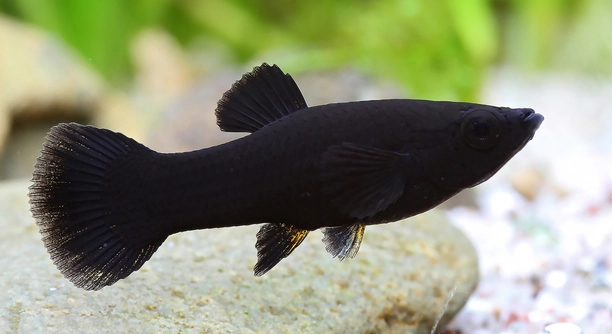
Are your Black Mollies confined to a small bowl that seems convenient but might not meet their needs? Many fish owners underestimate how much space these active creatures actually require to thrive.
Keeping Black Mollies in small bowls can negatively impact their health and wellbeing. Limited space restricts swimming, reduces oxygen levels, and increases waste concentration, which can lead to stress, illness, and a shortened lifespan for these freshwater fish.
Understanding the risks of small bowls will help you provide a healthier environment and ensure your Black Mollies live longer, happier lives.
Limited Swimming Space
Black Mollies are active swimmers that need room to move freely. Small bowls restrict their ability to swim properly, which can lead to stress and sluggish behavior. Without adequate space, they may bump into walls, spend more time hiding, and fail to exercise their natural instincts. This can affect muscle development and overall energy levels. Proper swimming space allows Mollies to explore, interact with other fish, and maintain a healthy routine. Small tanks can also make it harder for owners to monitor behavior changes, which can indicate health problems.
Restricted swimming can also increase aggression among fish.
In small bowls, social interactions become tense. Black Mollies may compete for limited areas, causing bullying or territorial disputes. A larger tank gives them defined spaces to swim, rest, and interact without constant confrontation. Additionally, movement helps with digestion and prevents obesity. Over time, lack of exercise can compromise immune function, making them more susceptible to diseases. Providing ample swimming space is essential for mental stimulation and physical wellbeing, ensuring that your Black Mollies are active, healthy, and display natural behaviors.
Oxygen Levels
Small bowls reduce the amount of oxygen available in the water, which is critical for Black Mollies’ survival.
Low oxygen can stress fish, leading to faster breathing, lethargy, and even organ failure if prolonged. Proper aeration and space help maintain oxygen levels.
Waste Accumulation
In small bowls, waste builds up quickly, increasing ammonia and nitrite levels. Black Mollies produce more waste than smaller fish, and confined spaces amplify the problem. Elevated toxins irritate gills, reduce appetite, and compromise the immune system. Regular water changes in tiny bowls are challenging, and uneven toxin distribution can harm certain areas more than others. Larger tanks dilute waste naturally and support filtration systems that maintain a stable, healthy environment. Biological filtration becomes far more effective in bigger tanks, as beneficial bacteria can process toxins efficiently, keeping ammonia and nitrite levels low. Over time, a poorly maintained small bowl can cause chronic stress, disease, and even premature death. Prioritizing proper tank size and filtration ensures your Mollies thrive physically and mentally. Proper maintenance in larger tanks is less frequent but far more effective, supporting long-term health and stability.
Stress and Behavior Changes
Small bowls create stressful conditions for Black Mollies. Crowding, poor water quality, and limited hiding spots all contribute to anxiety and erratic behavior.
Stress affects appetite, energy levels, and social interactions. Mollies may hide constantly, swim frantically, or display aggression toward tank mates. These changes indicate discomfort and can lead to long-term health problems if not addressed. Stress also weakens the immune system, making fish more vulnerable to infections. Inadequate space prevents them from establishing a proper routine, disrupting natural behaviors like grazing, resting, and exploring. Observing your fish regularly helps detect early signs, allowing you to make changes before issues worsen.
Environmental enrichment is limited in small bowls. Plants, decorations, and open swimming areas are essential for stimulating mental and physical activity. Mollies thrive when they can explore their environment safely, interact with companions, and maintain natural behavior patterns. Lack of enrichment increases boredom, which can worsen stress and lead to abnormal behaviors such as fin-nipping or lethargy. A larger tank provides opportunities to arrange hiding spots, create territories, and balance social interactions, supporting both mental health and physical fitness over time.
Water Temperature Fluctuations
Small bowls are prone to rapid temperature changes, which can be harmful to Black Mollies.
Temperature swings occur quickly because water volume is low and sensitive to room conditions. This instability can weaken immunity, cause stress, and trigger disease outbreaks. Stable temperature supports metabolism, digestion, and activity levels.
Maintaining consistent water temperature is difficult in tiny bowls. Heaters can overheat the small volume, while lack of insulation exposes fish to cold drafts or sunlight. Even minor fluctuations affect feeding behavior and energy, as fish struggle to adapt to changing conditions. In contrast, larger tanks retain heat more effectively and allow for precise control. Stable temperatures also help beneficial bacteria thrive in the filtration system, improving overall water quality. Investing in an adequately sized tank with proper heating ensures that Black Mollies stay healthy, active, and less prone to temperature-related stress or illness.
Limited Filtration Options
Small bowls cannot support effective filtration. Without proper filtration, toxins accumulate quickly, putting Black Mollies at risk of illness and stress.
Filtration is essential for maintaining water quality. Small volumes make it difficult to balance chemical levels, leaving fish in unstable and unsafe conditions.
Algae Overgrowth
Tiny bowls are prone to rapid algae growth. Algae compete for oxygen and can create uneven water conditions, affecting fish health and clarity of the tank environment.
Reproduction Stress
Black Mollies reproduce frequently, and small bowls limit space for fry and adults. Overcrowding increases stress and can harm both newborns and adult fish. A larger tank provides separate areas for breeding, growth, and swimming, reducing tension.
Limited Decoration and Hiding Spots
Small bowls restrict the ability to add plants, rocks, or other hiding spots. Black Mollies need places to feel secure and reduce stress in their environment.
FAQ
Why shouldn’t I keep Black Mollies in small bowls?
Small bowls limit swimming space, reduce oxygen levels, and make it hard to maintain clean water. Black Mollies are active fish that require room to swim and explore. Crowding in a tiny bowl causes stress, weakens immunity, and can shorten their lifespan.
Can Black Mollies survive in small bowls for a short time?
They may survive briefly, but even short periods in small bowls can cause stress and affect health. Rapid water quality changes and temperature swings in small volumes are harmful. Larger tanks are always safer for both short-term and long-term care.
How big should a tank be for Black Mollies?
A minimum of 20 gallons is recommended for a small group. This allows space for swimming, hiding spots, and stable water conditions. Bigger tanks provide more flexibility for filtration, decorations, and social interactions, keeping fish healthier and happier.
Do Black Mollies need filtration?
Yes, filtration is essential. Without it, waste builds up quickly, ammonia and nitrite levels rise, and water becomes toxic. Small bowls cannot support effective filters, making it difficult to maintain a stable, healthy environment. Proper filtration in larger tanks ensures water stays clean and safe.
How often should I change the water in a small bowl?
Daily partial water changes would be necessary in a tiny bowl, which is difficult to maintain consistently. Larger tanks reduce the frequency of changes and provide a more stable environment, making it easier to keep water quality safe for Black Mollies.
Can I add decorations or plants in a small bowl?
Small bowls limit the space for decorations, plants, and hiding spots. Black Mollies need areas to feel secure. A larger tank allows you to create an enriched environment that reduces stress, encourages natural behaviors, and improves mental and physical health.
How does temperature affect Black Mollies in small bowls?
Small bowls are prone to rapid temperature changes. Even minor fluctuations can stress fish, weaken their immune systems, and disrupt feeding and activity levels. Larger tanks hold temperature more consistently, allowing for proper heating and reducing stress-related illnesses.
Will Black Mollies breed in small bowls?
Breeding can occur, but small bowls create overcrowding and stress for both adults and fry. Limited space increases competition and mortality rates. Larger tanks provide room for fry to grow safely and allow adults to swim without constant conflict.
What signs show my Black Mollies are stressed in a small bowl?
Signs include lethargy, hiding constantly, rapid breathing, erratic swimming, fin-nipping, and loss of appetite. Stress weakens immunity and makes fish more vulnerable to disease. Observing behavior closely can help identify problems before they become severe.
Is it cheaper to keep Black Mollies in small bowls?
While the initial setup may seem cheaper, the health risks, frequent water changes, and higher mortality make small bowls more costly in the long run. Investing in a larger tank reduces maintenance stress, keeps fish healthier, and improves their quality of life.
Can I keep multiple Black Mollies together in a small bowl?
Crowding multiple fish in a tiny space leads to aggression, stress, and poor water quality. A larger tank allows proper social interaction, defined territories, and safer group dynamics, ensuring healthier and happier fish overall.
What is the best way to transition Black Mollies from a small bowl to a larger tank?
Acclimate slowly by floating the bowl water in the new tank and gradually mixing tank water over an hour. This prevents shock from changes in temperature, pH, and water chemistry, helping fish adjust safely to their improved environment.
How do I maintain water quality in a larger tank?
Use a proper filter, monitor ammonia, nitrite, and nitrate levels, and perform partial water changes weekly. Plants and decorations can aid natural filtration. Larger tanks naturally stabilize conditions, making it easier to maintain consistent, clean water for Black Mollies.
Are Black Mollies hardy fish for beginners?
They are relatively hardy but need proper space, filtration, and water stability. Small bowls increase risks and make them harder to care for. Providing a spacious, well-maintained tank allows even beginner fish keepers to maintain healthy, thriving Black Mollies.
Can I mix Black Mollies with other fish in a small bowl?
Mixing species in a small bowl increases stress and competition. Space is limited, and water quality deteriorates quickly. In larger tanks, compatible species can coexist safely, with enough room to swim and establish territories, reducing stress and aggression.
How often should I feed Black Mollies in a small tank?
Overfeeding is common in small bowls due to limited water volume, leading to rapid waste buildup. Feeding small amounts once or twice daily is better, but larger tanks make feeding safer and reduce the risk of water quality issues.
Do Black Mollies need live plants?
Live plants provide hiding spots, improve water quality, and encourage natural behaviors. Small bowls limit planting options, but larger tanks allow a mix of plants and decorations, enhancing both mental stimulation and environmental stability for Black Mollies.
How long do Black Mollies live in proper conditions?
With adequate space, clean water, and proper care, Black Mollies can live up to five years. Small bowls shorten lifespans due to stress, poor water quality, and restricted swimming, highlighting the importance of providing a larger, well-maintained tank.
What is the main takeaway about small bowls and Black Mollies?
Small bowls are harmful to Black Mollies. They restrict swimming, reduce oxygen, and make maintaining water quality difficult. Providing a larger tank ensures healthier, happier fish with longer lifespans and more natural, active behaviors.
Keeping Black Mollies in small bowls might seem convenient, but it comes with several serious drawbacks that are easy to overlook. These fish are active swimmers that need enough space to move freely, explore, and maintain a healthy lifestyle. In small bowls, movement is restricted, which can lead to stress, low energy, and abnormal behaviors. The limited water volume also makes it difficult to maintain stable conditions, such as temperature, oxygen levels, and clean water. Without proper care, fish in small bowls are more likely to experience illness, weakened immunity, and even premature death. It is important to recognize that what may seem like a minor inconvenience for the owner can have a significant impact on the fish’s overall wellbeing.
Water quality is another major concern when it comes to small bowls. Black Mollies produce more waste than smaller species, and confined spaces amplify the effects of toxins like ammonia and nitrite. Even with frequent water changes, it is difficult to keep these levels consistently safe in tiny volumes of water. Temperature fluctuations happen faster in small bowls, which adds another layer of stress. These conditions can compromise digestion, reduce activity levels, and make fish more vulnerable to disease. Larger tanks make it easier to maintain stable conditions, provide proper filtration, and support healthy biological processes in the water. By investing in an adequately sized tank, owners give their Black Mollies the chance to thrive rather than simply survive.
Providing a larger, well-maintained tank is not only better for the fish’s health but also improves the overall experience of keeping them. Fish in proper conditions are more active, display natural behaviors, and interact with their environment in ways that are satisfying to observe. With enough space, decorations, plants, and hiding spots, Black Mollies can establish territories and reduce social stress, which leads to longer lifespans and happier fish. While small bowls might seem simple to set up and clean, they demand more attention to prevent serious problems and cannot support a stable, healthy environment. Prioritizing tank size and water quality ensures that the fish are safe, active, and comfortable, which ultimately makes caring for them more rewarding and less stressful. In the long run, choosing a larger tank is the most effective way to support the health, wellbeing, and longevity of Black Mollies.

Hello,
If you enjoy the content that we create, please consider saying a "Thank You!" by leaving a tip.
Every little bit helps us continue crafting quality advice that supports the health, happiness, and well-being of pets around the world, for pets of all shapes, sizes, and species.
We really appreciate the kindness and support that you show us!