
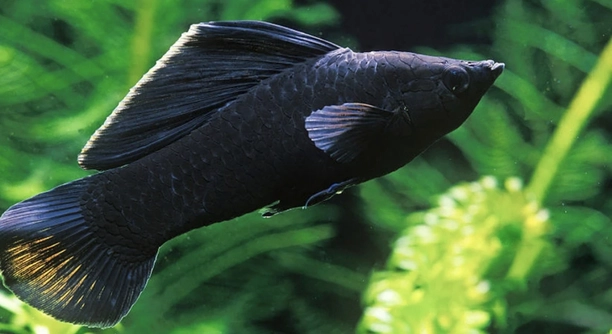
Do you ever notice your black molly swimming in an unusual position, turning upside down while gliding through the water? This strange behavior can be worrying for any fish owner and may signal changes in your aquarium environment.
The most common reason a black molly swims upside down is swim bladder disorder. This condition affects the fish’s buoyancy, often caused by overfeeding, constipation, poor water quality, or bacterial infections, leading to difficulty maintaining a normal swimming position.
Understanding why this occurs is important for maintaining your molly’s health. Simple adjustments in feeding and tank care can make a significant difference in their well-being.
Common Causes of Upside-Down Swimming
Upside-down swimming in black mollies often happens because of issues with their swim bladder, an organ that helps control buoyancy. Poor water quality, sudden temperature changes, or overfeeding can stress the fish and cause this problem. Sometimes, constipation or swallowing air while eating can make the fish float unevenly. Bacterial infections or parasites can also affect their balance. Observing your molly closely can help identify patterns in the behavior, such as if it happens after feeding or during certain times of the day. Keeping the tank clean and feeding smaller, controlled portions may prevent many of these problems. Certain foods, like frozen peas, can help relieve minor constipation that affects swimming. Regular monitoring of water parameters, including pH, ammonia, and nitrite levels, ensures the tank remains safe. If your molly’s swimming doesn’t improve, consulting an aquatic veterinarian can provide proper diagnosis and treatment options for swim bladder or related health issues.
Proper tank maintenance can reduce stress, which often triggers swimming problems in black mollies.
Upside-down swimming is not always a permanent condition. Many mollies recover with proper care, balanced feeding, and a stable environment. Adjusting water temperature slowly, feeding high-fiber foods, and keeping the tank clean can significantly improve their balance. In some cases, a short fasting period helps relieve digestive issues. Paying attention to tank companions is also important, as aggressive or overly active fish can stress mollies, leading to unusual swimming. If infections are suspected, targeted medications may be necessary. Regular observation helps detect early signs before they become serious, making it easier to address minor issues quickly. By combining good feeding habits, clean water, and attentive care, you can restore your molly’s normal swimming pattern and maintain overall health. These small changes can prevent repeat occurrences and ensure your molly feels comfortable in its environment.
Signs of Swim Bladder Trouble
Upside-down swimming is often accompanied by other symptoms like floating sideways, sinking quickly, or struggling to stay upright.
Mollies with swim bladder problems may also show changes in appetite or lethargy. These signs can indicate digestive issues, infection, or physical injury affecting buoyancy. Early detection is key for effective treatment. Providing clean water, proper diet, and reducing stress helps mollies recover faster. If symptoms persist, professional advice is recommended to prevent long-term health problems. Regular observation allows you to catch these issues before they escalate, ensuring your fish remain active and healthy in their tank. Paying attention to behavior alongside environmental factors provides a complete picture of their well-being and helps guide corrective measures effectively. Maintaining a routine care schedule, including water testing and proper feeding, plays a critical role in minimizing swim bladder problems and promoting overall health in your black mollies.
Adjusting Diet to Help
Feeding smaller portions more frequently can reduce digestive strain, which often affects the swim bladder. High-fiber foods like peas help relieve constipation, supporting normal swimming. Avoid overfeeding or offering food that produces gas, as this can worsen buoyancy issues.
Switching to a diet that includes vegetables, high-quality flakes, and occasional live food can improve digestion and reduce swim bladder stress. Peas are particularly effective when slightly cooked or deshelled, as they help clear the digestive tract. Overfeeding protein-heavy foods can create gas buildup, making mollies float unevenly. Consistent feeding times prevent sudden intake, which sometimes causes air swallowing. Observing how your molly responds to different foods helps identify what works best for its digestion.
Balancing diet also supports overall health and immunity. Mollies that eat a varied diet are less prone to infections and other conditions that affect buoyancy. Removing uneaten food promptly keeps water cleaner, preventing stress. Foods high in fiber and low in fillers contribute to a healthy swim bladder, while occasional fasting days allow the digestive system to reset. Paying attention to portion size and type of food is a simple yet effective way to maintain proper buoyancy and prevent upside-down swimming.
Water Quality and Tank Environment
Stable water conditions are essential for mollies’ health and buoyancy. Regular testing for ammonia, nitrites, and pH prevents stress that can cause upside-down swimming.
Maintaining consistent temperature and clean water reduces swim bladder issues. Sudden fluctuations in temperature or poor filtration can trigger abnormal swimming patterns. Using a reliable heater and filter keeps the environment stable. Regular water changes, about 25 percent weekly, remove toxins and excess nutrients that contribute to stress. Avoid overcrowding, as too many fish increase waste and competition, making it harder for mollies to maintain buoyancy. Decorations and plants provide hiding spots, reducing anxiety that may worsen swimming problems.
Proper tank setup supports natural swimming behavior. Mollies thrive in well-planted tanks with open swimming space. Gentle water flow prevents exhaustion and ensures oxygen distribution. Keeping gravel or substrate free of debris reduces ingestion of particles that may cause digestive issues. Monitoring water clarity and maintaining filtration ensures a balanced ecosystem. Light schedules and consistent feeding routines contribute to a calm environment, allowing mollies to recover from minor swim bladder problems. By prioritizing water quality and habitat, you minimize stress and help your fish maintain normal swimming patterns consistently.
Fasting and Recovery
A short fasting period can help relieve minor digestive issues affecting swim bladder function. Avoid feeding your molly for 24 to 48 hours, allowing its digestive system to reset and reduce bloating that causes upside-down swimming.
After fasting, reintroduce small, easily digestible meals. Boiled, deshelled peas are ideal for easing constipation and supporting normal buoyancy. Gradually returning to a regular feeding schedule prevents sudden digestive stress, helping mollies regain stable swimming. Observing the fish during this period ensures any persistent issues are noticed quickly, allowing for further adjustments if necessary.
Gentle Handling
Avoid sudden movements or tapping the glass, which can stress mollies and worsen buoyancy problems. Calm interaction supports recovery.
Monitoring Behavior
Keep track of your molly’s swimming patterns daily. Note when upside-down swimming occurs, and correlate with feeding, water changes, or tank activity.
When to Seek Professional Help
Persistent upside-down swimming may indicate serious underlying conditions. Consulting an aquatic veterinarian ensures proper diagnosis and treatment.
FAQ
Why is my black molly swimming upside down after eating?
This usually happens because of overfeeding or constipation. When mollies eat too much or ingest air while feeding, their swim bladder can become stressed. Offering smaller portions and feeding high-fiber foods like peas can help regulate digestion and restore normal swimming.
Can poor water quality cause upside-down swimming?
Yes. High ammonia, nitrite, or sudden pH changes can stress mollies, affecting their buoyancy. Regular water testing and partial water changes help maintain a stable environment. Proper filtration and avoiding overcrowding also prevent water-related stress that can cause unusual swimming.
Will my molly recover on its own?
Some mollies recover with proper care, fasting, and diet adjustments. Minor digestive issues or mild swim bladder stress often improve within a few days. Persistent swimming problems, however, may indicate an infection or physical deformity that requires treatment.
Is fasting safe for mollies?
Short fasting periods of 24 to 48 hours are safe and can relieve digestive stress. During this time, the digestive tract clears, helping the swim bladder return to normal function. Avoid extended fasting, as it can weaken the fish and reduce immunity.
Can temperature changes affect swimming?
Sudden drops or spikes in water temperature can upset mollies’ metabolism and buoyancy. Keeping the tank at a stable, appropriate temperature and using a reliable heater prevents stress-related swimming problems. Gradual adjustments are safest if changes are needed.
Do tank decorations or plants impact swim bladder health?
Yes, dense decorations can restrict movement and increase stress. Open swimming areas with gentle water flow help mollies maintain balance. Plants can provide hiding spots, reducing anxiety that may worsen upside-down swimming. A balanced tank setup supports normal swimming behavior.
Can medications help?
If swim bladder issues are caused by infection, targeted medications may be necessary. Antibiotics or antiparasitic treatments should be used only after identifying the cause. Overuse of medication can harm water quality and other tank inhabitants. Always follow dosing instructions carefully.
Is upside-down swimming painful for mollies?
Swim bladder problems are not usually painful but can be stressful. Fish may struggle to swim properly and expend extra energy, which can weaken them over time. Reducing stress and supporting digestion helps mollies regain comfort.
Should I separate affected mollies from others?
Isolation is sometimes helpful to prevent bullying or competition for food, especially if the affected molly swims awkwardly. A separate tank can also make monitoring easier and reduce stress while recovering.
How can I prevent future swim bladder issues?
Feed a balanced diet, maintain clean water, and avoid overfeeding. Monitor water parameters regularly and keep tank conditions stable. Offering fiber-rich foods, proper tank space, and gentle handling all contribute to long-term buoyancy health.
How long does it take for a molly to swim normally again?
Recovery time depends on the cause. Mild digestive issues may resolve in a few days, while infections or deformities could take weeks or require veterinary care. Observing daily behavior and adjusting diet and environment speeds up recovery.
Can stress cause upside-down swimming?
Stress from tank mates, loud noises, or frequent tapping on the glass can impact buoyancy. Calm surroundings, gentle care, and a consistent routine help mollies feel secure and maintain normal swimming patterns.
Is it normal for baby mollies to swim upside down?
Juvenile mollies may occasionally swim awkwardly as they develop, but persistent upside-down swimming is not normal. Monitor their diet, tank conditions, and health closely to prevent lasting issues.
Are there signs that indicate a serious problem?
Persistent upside-down swimming, lack of appetite, bloating, or lethargy can indicate infection or swim bladder deformity. Early detection and treatment are crucial for preventing long-term health problems. Prompt care improves the chances of full recovery.
Can other fish influence a molly’s swimming?
Yes. Aggressive or overly active tank mates can stress mollies, making buoyancy problems worse. Ensuring compatible companions and adequate swimming space helps mollies recover and prevents recurring issues.
Do certain foods make swim bladder problems worse?
Foods that produce gas, are low in fiber, or are offered in large quantities can exacerbate swim bladder stress. Feeding controlled portions of high-quality flakes, vegetables, and occasional live food reduces the risk of digestive-related swimming problems.
How often should I check water quality?
Testing water parameters weekly is recommended. Regular checks for ammonia, nitrites, nitrates, and pH levels help prevent stress-related swim bladder issues. Quick corrections keep the tank safe and reduce the chance of upside-down swimming.
Can black mollies live normally after swim bladder problems?
Yes. With proper care, diet, and a stable environment, most mollies recover fully. Maintaining healthy conditions and monitoring behavior ensures they continue swimming normally without recurring issues.
Are there any home remedies for swim bladder problems?
Feeding peas, fasting briefly, and ensuring clean water are the most effective home remedies. Avoid unverified chemicals or treatments, as these can harm mollies. Careful observation and simple adjustments often resolve minor swim bladder issues safely.
Should I consult a veterinarian immediately?
If upside-down swimming persists beyond a few days, is accompanied by lethargy, bloating, or rapid deterioration, consulting an aquatic veterinarian ensures proper diagnosis and treatment. Early intervention increases the likelihood of recovery.
Black mollies swimming upside down can be alarming, but it is usually a sign that something in their environment or diet needs adjustment. Swim bladder problems are the most common reason for this behavior. This organ controls buoyancy, so any stress on it—whether from overfeeding, constipation, infections, or water quality issues—can cause a molly to float awkwardly or flip upside down. Observing your fish closely and identifying patterns in its swimming can help you determine whether the problem is minor and temporary or if it requires further action. Paying attention to their behavior after feeding, during water changes, or when tank conditions change often provides clues that make it easier to address the issue effectively.
Proper diet plays a major role in preventing and resolving swim bladder problems. Feeding smaller portions, high-fiber foods like peas, and avoiding gas-producing foods can support digestion and normal buoyancy. Sometimes, a short fasting period can give the digestive system time to recover and relieve pressure on the swim bladder. Ensuring a balanced diet also helps maintain overall health, improving immunity and reducing the risk of infections that could affect swimming. Alongside diet, maintaining stable tank conditions, including clean water, consistent temperature, and gentle water flow, reduces stress and supports natural swimming behavior. Simple actions like removing uneaten food, monitoring water parameters, and keeping the tank well-planted with open swimming space can make a noticeable difference in your molly’s comfort and stability.
In some cases, upside-down swimming may persist despite careful diet and tank management. This could be due to infections, parasites, or physical issues that require professional attention. Consulting an aquatic veterinarian can provide accurate diagnosis and treatment if needed. Observing your molly daily, adjusting care as necessary, and creating a calm environment often leads to significant improvement. With consistent attention to diet, water quality, and stress reduction, most black mollies recover their normal swimming patterns and continue to live healthy, active lives. By understanding the causes and implementing practical solutions, you can help ensure your molly remains comfortable, balanced, and happy in its aquatic environment.

Hello,
If you enjoy the content that we create, please consider saying a "Thank You!" by leaving a tip.
Every little bit helps us continue crafting quality advice that supports the health, happiness, and well-being of pets around the world, for pets of all shapes, sizes, and species.
We really appreciate the kindness and support that you show us!