
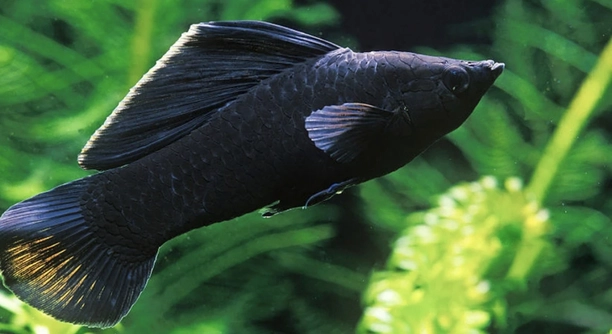
Black Mollies are small, lively fish that brighten home aquariums with their striking black color. They adapt well to various environments, making them a popular choice for both beginners and experienced fish keepers alike.
Black Mollies can be successfully raised by a single parent, provided the aquarium environment is stable, well-maintained, and the adult fish receives proper nutrition and care. Social interaction and water quality play crucial roles in their overall development.
Raising a single-parent Black Molly requires attention, consistency, and understanding of their natural behavior to ensure healthy growth and longevity.
Understanding Single-Parent Black Molly Care
Raising a Black Molly on your own requires attention to water quality, diet, and tank setup. These fish thrive in well-oxygenated, slightly brackish water with stable temperatures. I make sure to monitor pH levels regularly and remove waste promptly. Feeding is another key factor. A varied diet including flake food, frozen brine shrimp, and vegetables helps maintain their health. Single-parent Black Mollies can become stressed if the tank is overcrowded or water conditions fluctuate. I keep the tank moderately populated and ensure hiding spots with plants or decorations. Observing their behavior daily helps spot early signs of illness or stress. Even small adjustments, like checking the filter or adjusting light cycles, can make a big difference. A calm, consistent environment supports their growth, reproduction, and overall well-being, making it possible for a single parent to raise them successfully. Attention to these details creates a balanced, healthy home for these fish.
Proper tank setup and water management are essential for single-parent Black Mollies.
Feeding schedules, consistent water changes, and monitoring behavior are critical. Avoid sudden temperature shifts or overfeeding to prevent health issues.
Social Behavior and Development
Black Mollies are social fish, even when raised by a single parent. They interact with their surroundings and can benefit from the presence of other peaceful fish. I notice that they often explore the tank together, establishing territories while staying close to safe areas. Single-parent care requires careful observation to ensure they do not become aggressive or overly stressed. Hiding spaces with plants and rocks reduce tension. Juveniles need extra attention, as they are more vulnerable to environmental changes and dietary deficiencies. Providing proper nutrition, regular water checks, and gentle tank maintenance supports their development. Social interaction is not impossible with a single parent, but it requires balance and consistency. Over time, I’ve seen single-parent-raised Black Mollies grow into healthy adults, exhibiting normal behavior patterns and active swimming. Maintaining a calm environment while meeting their social needs ensures they thrive, even without both parents present.
Breeding Considerations
Black Mollies can reproduce without a mate present, but careful management is needed. I separate fry from adults to prevent accidental eating and ensure proper growth. Timing and water conditions influence breeding success significantly.
To support healthy breeding, I maintain stable temperatures around 76–82°F and slightly alkaline water. Observing pregnant females closely allows me to prepare a nursery area with fine-leaved plants. Feeding high-quality protein-rich foods encourages strong fry development. Even with a single parent, monitoring water quality and reducing stress ensures the fry survive. Overcrowding and sudden changes can harm both adults and juveniles. I make sure to remove any uneaten food promptly and perform regular water changes to maintain clarity and safety. With consistent care, a single adult can raise fry successfully, maintaining healthy growth rates and active behavior.
I also track growth milestones closely. Fry need small, frequent meals, such as crushed flakes or baby brine shrimp. Observing their swimming and feeding habits helps me adjust care. Providing hiding spots reduces stress and mimics natural conditions.
Tank Environment Essentials
Maintaining a balanced tank is critical for single-parent Black Mollies. I ensure proper filtration, aeration, and consistent water changes. Plants and decorations offer hiding spots and reduce stress, which is vital for their well-being.
I carefully monitor water parameters, keeping pH between 7.0 and 8.0 and temperature stable. Aeration and gentle filtration prevent stagnant areas. I arrange plants strategically to create territories and safe zones for fry and adults. Lighting is kept consistent, mimicking natural day-night cycles to support activity and feeding patterns. Observing behavior daily helps identify potential issues early. Over time, I’ve noticed that a well-structured environment encourages exploration, reduces aggression, and promotes healthy growth. A properly maintained tank allows a single parent to manage all aspects of care effectively, ensuring the fish thrive while minimizing stress and health problems.
Feeding Practices
I feed Black Mollies a balanced diet of flakes, frozen foods, and occasional vegetables. Small, frequent meals keep them healthy and active. Consistency in feeding times reduces stress and supports proper growth for both adults and fry.
Fresh and varied food helps prevent nutritional deficiencies. I always remove uneaten portions promptly to avoid water contamination, keeping the tank clean and safe.
Health Monitoring
Regular observation is essential for spotting early signs of illness. I watch for changes in swimming patterns, appetite, or coloration. Early intervention helps prevent serious issues. Keeping the water clean and stable supports their immune system and reduces the risk of disease.
Handling Stress
Black Mollies are sensitive to sudden changes. I maintain gentle water flow and limit rapid movements near the tank. A calm environment encourages natural behavior, feeding, and breeding success, especially when managing a single-parent setup.
Growth Tracking
I track fry growth weekly, noting size and activity. Proper nutrition, clean water, and hiding spots ensure steady development and reduce stress.
FAQ
Can a single Black Molly raise fry successfully on its own?
Yes, a single Black Molly can raise fry if the environment is stable and safe. I always ensure there are plenty of hiding spots and proper nutrition. Monitoring water quality closely prevents stress, which is essential for both the adult and the fry. Keeping the tank calm helps the parent focus on nurturing the young. I separate fry from adults when necessary to avoid accidental eating, which increases survival rates significantly. Observing behavior daily allows me to adjust care and ensure proper growth for all fish in the tank.
How often should I feed a single-parent Black Molly and its fry?
Feeding frequency is important. I feed adults twice a day, giving small portions to prevent overfeeding. Fry require smaller, more frequent meals, typically three to four times a day, with crushed flakes or baby brine shrimp. Monitoring leftovers is important; uneaten food can pollute the water. I adjust the amount based on their activity and appetite. Consistent feeding schedules reduce stress and encourage healthy development. Providing a mix of protein-rich and plant-based foods ensures balanced nutrition for both the adult and its fry.
What water conditions are best for a single-parent Black Molly setup?
Stable water is key. I maintain a temperature between 76–82°F, with pH levels around 7.0–8.0. Slightly brackish water can benefit their health, but sudden changes should be avoided. I perform regular water tests to check ammonia, nitrite, and nitrate levels. Gentle filtration and aeration prevent stagnant areas, while plants and decorations provide hiding spots that reduce stress. Consistency is critical, as fluctuations can impact breeding, growth, and overall health. Maintaining these parameters allows a single parent to raise fry successfully without excessive risk of disease or stress-related issues.
Do single-parent Black Mollies need companions?
While they are social by nature, a single parent can manage alone if the tank is properly maintained. I sometimes keep other peaceful fish to encourage social behavior, but it’s not required. Overcrowding increases stress and may lead to aggression. Creating a balanced environment with hiding spots and stable water conditions helps maintain normal activity. A calm tank allows the single parent to focus on fry care without interference. Observation is essential to ensure the parent doesn’t become aggressive toward fry or tankmates. Proper planning ensures social needs are met even in a single-parent setup.
How can I prevent stress in a single-parent Black Molly tank?
Stress prevention is critical for success. I keep the tank in a quiet area, avoid sudden movements, and maintain consistent lighting. Water quality and regular maintenance are priorities. Providing plants and decorations allows the fish to establish territories and feel secure. Observing the fish daily helps me identify signs of stress early. Overcrowding, temperature swings, and poor feeding routines increase risk. A calm, predictable environment encourages natural behavior and healthy growth for both the adult and fry. Consistent care significantly improves survival and overall well-being.
What should I do if the fry are not growing properly?
Slow growth usually indicates insufficient food, poor water quality, or stress. I check water parameters first and ensure the fry are getting enough protein-rich meals. I separate fry if adults show aggression or if the tank is crowded. Providing plenty of hiding spots and maintaining stable conditions reduces stress, which can improve growth rates. I also observe feeding habits and adjust meal size and frequency accordingly. Small adjustments to diet, water, or tank layout can make a significant difference in fry health and development. Consistent monitoring ensures they thrive under single-parent care.
Are there signs that a single-parent Black Molly is not coping well?
Yes, signs include lethargy, refusal to eat, erratic swimming, or aggression toward fry. I monitor adults closely and make adjustments if these behaviors appear. Poor water quality, overcrowding, or lack of hiding spots often contribute to stress. Regular maintenance and careful observation are essential to prevent these issues. Ensuring a calm, stable environment allows the single parent to care for fry effectively. Quick intervention, like water changes or temporary separation, can help restore health and reduce stress for both adult and fry.
How long does it take for fry to become independent?
Fry typically begin swimming and feeding on their own within two to three weeks, depending on conditions. I provide small, frequent meals and adequate hiding places during this time. Once they are larger and more confident, they integrate with other tank inhabitants. Observing their growth and activity helps me determine when they can safely coexist with adults. Consistent water quality, proper nutrition, and minimal stress accelerate independence, making it possible for a single parent to manage multiple fry successfully.
Can a single parent reproduce again while caring for fry?
Yes, but it can be risky. I usually wait until the first batch of fry is strong enough to survive independently before introducing another breeding cycle. Managing multiple batches increases stress and requires careful attention to feeding, water quality, and tank space. Providing separate nursery areas or temporary separation helps protect the fry and reduces stress on the adult. Planning breeding cycles carefully ensures the adult remains healthy and the fry have the best chance at survival. Proper timing and preparation are essential when managing reproduction in a single-parent setup.
What are common mistakes to avoid in single-parent Black Molly care?
Common mistakes include overfeeding, poor water maintenance, overcrowding, and ignoring signs of stress. I make sure to monitor water quality, provide hiding spaces, and maintain a balanced diet. Sudden temperature changes or introducing incompatible tankmates can harm both the parent and fry. Observing daily behavior helps catch problems early. Avoiding these errors ensures the adult can raise fry successfully while maintaining a healthy, thriving environment. Consistency, patience, and careful monitoring are key to preventing issues and ensuring long-term success.
Raising Black Mollies as a single parent is entirely possible with careful planning and consistent care. These fish are resilient, but they still require attention to water quality, temperature, and diet to thrive. I’ve found that maintaining stable water parameters is one of the most important factors for success. Temperatures between 76–82°F and a pH around 7.0–8.0 provide a stable environment that supports both adult health and fry development. Frequent water changes and proper filtration reduce stress and prevent disease, which is especially important when a single parent is responsible for all aspects of care. Even small mistakes, like overfeeding or letting water conditions fluctuate, can affect the growth and survival of the fry. By keeping the tank calm and predictable, the parent can focus on nurturing the young without added stress. Providing plenty of hiding spots with plants or decorations also helps reduce tension, allowing both adults and fry to explore and grow naturally.
Diet plays a major role in the health of single-parent Black Mollies. A varied approach that includes flakes, frozen foods, and occasional vegetables ensures that the parent receives proper nutrition and is able to produce strong, healthy fry. Fry require smaller, more frequent meals such as crushed flakes or baby brine shrimp, which promote steady growth during their early weeks. I make sure to remove any uneaten food promptly to prevent water contamination, which can be a serious risk in a tank with both adults and fry. Consistent feeding schedules help reduce stress and encourage natural behaviors, while observation of feeding habits allows adjustments as needed. Maintaining this balance is essential when one parent is responsible for both caring for itself and monitoring the fry. Over time, this careful attention supports healthy growth, reduces disease risk, and encourages normal social behavior among the fry.
Observation and patience are key components of single-parent care. Watching for signs of stress, illness, or unusual behavior allows quick intervention before problems become serious. I pay attention to how fry interact with the parent, making adjustments when necessary, such as separating fry temporarily or providing additional hiding spaces. Gradual changes in tank conditions and avoiding sudden disturbances also support a calm environment. Over time, I’ve seen single-parent Black Mollies grow into strong, active adults while successfully raising fry. While it requires diligence, single-parent care can be highly rewarding. With consistent maintenance, proper nutrition, and a calm, stable environment, a single adult can provide everything needed for the fry to develop healthily and thrive. This approach ensures both the parent and the young enjoy a safe and nurturing aquarium setting.

Hello,
If you enjoy the content that we create, please consider saying a "Thank You!" by leaving a tip.
Every little bit helps us continue crafting quality advice that supports the health, happiness, and well-being of pets around the world, for pets of all shapes, sizes, and species.
We really appreciate the kindness and support that you show us!