
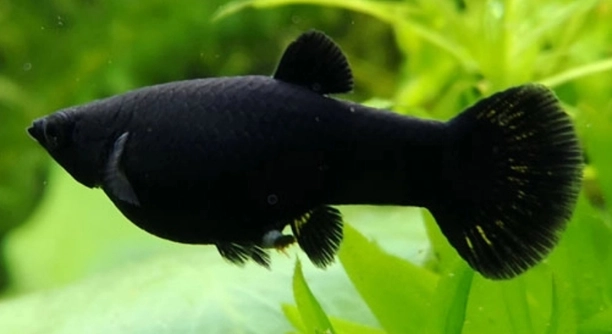
Do you ever find yourself arranging your black molly tank and thinking about the best substrate to use for a healthy environment? Many aquarists focus on water and plants but often overlook the role of the tank floor.
Sand is a suitable substrate for black molly tanks because it is gentle on their delicate fins and allows for natural digging behaviors. It also helps maintain water quality by trapping debris, making tank maintenance more manageable and efficient.
Choosing the right substrate can improve your fish’s comfort and health, encouraging a more natural and active behavior in the aquarium.
Benefits of Using Sand in a Black Molly Tank
Sand provides a soft and natural base for black mollies, which can help reduce stress and encourage natural behaviors. Its fine texture prevents injury to delicate fins and avoids scratches that can occur with rougher substrates. Sand also allows plants to root easily, helping create a stable and visually appealing environment. When cleaned regularly, it traps debris without allowing waste to accumulate quickly, supporting water quality. Over time, sand can slightly buffer pH, which is beneficial for mollies who prefer slightly alkaline water. Unlike gravel, sand doesn’t trap uneaten food deeply, making it easier to maintain cleanliness. Some aquarists notice that mollies spend more time exploring and foraging on sand, which can improve overall activity levels. Selecting the right grain size is important—too fine and it may compact, too coarse and it loses the soft benefits. With proper care, sand supports both the health and comfort of your black mollies.
Sand can enhance tank aesthetics and provides a safe surface for mollies to swim and forage freely.
Using sand requires consistent maintenance but offers long-term advantages. Its ability to support plant growth, stabilize the tank environment, and create a gentle substrate makes it a strong choice. Black mollies interact more naturally with sand, exhibiting behaviors like sifting and grazing that are less visible with gravel. Sand can also help reduce injuries and stress compared to harder substrates, improving overall well-being. For aquarists who like a cleaner look and easier plant care, sand simplifies these tasks. While it may take a few weeks to settle properly, sand encourages a healthier, more balanced tank ecosystem, benefiting both the fish and aquatic plants.
Choosing the Right Type of Sand
Not all sand is suitable for black molly tanks, so select natural, aquarium-safe sand with smooth grains.
Fine-grain sand is typically best, as it mimics the shallow riverbeds where mollies are found. Avoid silica-based playground sand, which may contain harmful dust or chemicals. Rinsing sand thoroughly before adding it to the tank is crucial to remove particles that can cloud water. Some aquarists prefer aragonite sand, which helps maintain slightly alkaline conditions favored by black mollies. Layering sand about one to two inches deep allows plants to root properly and prevents compacting. Over time, regular vacuuming of the sand surface keeps debris minimal while maintaining the soft texture. Choosing the right sand ensures that mollies stay healthy, active, and comfortable while giving your tank a natural, clean appearance that enhances your aquascape.
Sand Maintenance Tips
Regular cleaning keeps sand safe and attractive for black mollies. Using a gentle siphon prevents compacting while removing waste.
Rinsing sand before adding it to the tank reduces dust and cloudiness. Weekly vacuuming of the top layer removes uneaten food and debris without disturbing the deeper layers. Avoid stirring sand too aggressively, as this can release trapped particles and affect water clarity. Using a small net to remove visible waste can also help. For planted tanks, carefully moving plants while cleaning ensures roots stay secure. Over time, maintaining sand becomes easier as it naturally settles and traps less debris, keeping your tank stable and visually pleasing. Proper maintenance supports healthier fish and reduces stress in your mollies, allowing them to enjoy their environment fully.
Adding small decorations or rocks on top of sand can reduce shifting and make cleaning simpler.
Sand can sometimes compact in high-traffic areas, which may trap waste. Occasional gentle stirring in low-traffic spots prevents anaerobic pockets from forming. Using a gravel vacuum carefully helps maintain cleanliness without disturbing plants. Monitoring water parameters ensures that sand isn’t affecting pH or hardness too strongly. If you notice discoloration, it’s often a sign of trapped organic material that needs removal. Consistent care keeps the substrate safe and enhances the overall enjoyment of the tank. Mollies benefit from a clean, stable environment, and sand provides both comfort and natural interaction as long as it is cared for properly.
Common Mistakes to Avoid
Overfeeding is a common reason sand becomes dirty quickly, as leftover food sinks and decomposes.
Not rinsing sand properly before adding it can cause water cloudiness and initial stress for mollies. Using sand that is too fine may compact excessively, limiting plant root growth and water circulation. Conversely, sand that is too coarse can hurt delicate fins and reduce natural foraging behavior. Stirring sand too aggressively releases trapped waste, affecting water quality. Forgetting to remove waste regularly allows bacteria to build up, which can harm fish. Choosing sand without considering the tank’s plants and mollies’ needs may reduce comfort and activity levels. Being mindful of these mistakes ensures sand remains a safe, functional substrate for your black mollies.
Adding a shallow depth of sand helps plants grow and provides space for mollies to explore naturally.
Choosing the right grain size and depth prevents injuries and supports plant health. Overly deep sand can compact at the bottom, creating pockets where waste collects, while too shallow a layer limits root stability. Mixing sand with small rocks or shells can improve water flow, but it must be safe and smooth. Observing fish behavior helps identify if the substrate meets their needs—active grazing, digging, and swimming are good signs. Regularly maintaining sand keeps it visually appealing and functional, while carefully selecting type, depth, and additives ensures a healthy and comfortable environment. Mollies thrive when the substrate encourages natural behavior and reduces stress.
Preparing Sand for Your Tank
Rinse sand thoroughly with water before adding it to your black molly tank. This removes dust and fine particles that can cloud the water.
Soaking sand for a few hours can also help reduce any remaining debris. It settles naturally and becomes safer for your fish to explore immediately.
Layering Sand Properly
Start with a base layer about one to two inches deep. Avoid making it too thick, as compacted sand can trap waste and limit water circulation. For planted tanks, create small depressions where roots can spread naturally. Gradually level the sand to prevent uneven areas that can affect fish swimming patterns. If desired, add small rocks or shells to support plants and decorations. Layering sand properly ensures both aesthetics and functionality, keeping mollies comfortable and active. Proper depth also simplifies cleaning and reduces stress caused by unstable or shifting substrate over time.
Avoiding Compacting
Gently stir sand occasionally to prevent it from compacting at the bottom. This helps maintain healthy water flow.
FAQ
Can I use any type of sand for a black molly tank?
Not all sand is safe for black mollies. Playground or construction sand may contain chemicals or dust that harm fish. Aquarium-specific sand or natural river sand with smooth grains is best. Rinse thoroughly before adding it to prevent cloudiness and remove fine particles. Fine or medium grains work well, allowing mollies to forage naturally. Avoid sand that is too coarse, as it can injure delicate fins. Choosing safe sand ensures a healthier environment and supports natural behavior for black mollies.
How deep should I layer sand in my tank?
A depth of one to two inches is usually sufficient. This provides enough space for plants to root and mollies to explore. Too deep a layer can compact, trapping waste and reducing water flow. Too shallow makes it harder for plants to anchor and can limit natural foraging behavior. Leveling the sand evenly prevents uneven swimming areas and reduces stress on the fish. Adding small rocks or decorations on top can help stabilize the substrate without affecting depth.
How often should I clean the sand?
Cleaning frequency depends on tank size, fish count, and feeding habits. Generally, vacuuming the top layer once a week is enough to remove uneaten food and debris. Overfeeding can increase waste accumulation, so monitor feeding amounts. Avoid stirring sand too aggressively, as this releases trapped particles and affects water clarity. For planted tanks, clean carefully around roots to prevent disturbance. Small visible debris can also be removed with a net. Regular maintenance keeps sand safe and supports healthy water conditions.
Will sand affect water parameters in my tank?
Some types of sand can slightly change pH or hardness. Aragonite sand, for example, naturally buffers water and can increase alkalinity, which is suitable for black mollies. Most natural river sands are inert and have little effect on water chemistry. Monitoring water regularly ensures stability. Adjusting water conditions gradually prevents stress for fish. Choosing the right sand type and performing partial water changes as needed keeps the tank environment balanced and supports long-term health of black mollies.
Can black mollies dig or sift in sand safely?
Yes, sand allows natural digging and sifting behavior. Mollies often explore the substrate for food particles, which encourages activity and reduces boredom. Fine or medium-grain sand is gentle on their fins, unlike gravel. Avoid compacting sand too much, as it can restrict natural movement. Proper layering and occasional stirring keep the sand soft and functional, giving mollies a more natural and comfortable environment. Observing fish interacting with sand helps ensure they are healthy and active.
Do plants grow well in sand?
Many aquatic plants can grow in sand if layered properly. Adding a nutrient-rich substrate beneath the sand can help roots anchor and access nutrients. Plants like Java fern and Anubias can attach to rocks or decorations placed on sand. Avoid overly fine sand that may compact tightly and limit water flow to roots. Maintaining sand with occasional gentle stirring ensures that plant roots stay healthy and the substrate remains functional. Proper preparation allows both plants and mollies to thrive together.
Is sand harder to maintain than gravel?
Sand requires slightly different care than gravel but is not necessarily harder. It can trap debris near the surface but prevents deep waste accumulation if cleaned regularly. Weekly gentle vacuuming, rinsing new sand, and careful feeding habits keep it manageable. Unlike gravel, sand is gentler on fish fins and encourages natural behavior. Over time, sand becomes easier to maintain as it settles and debris builds up less. Proper care ensures a healthy and attractive substrate that supports black mollies’ well-being.
Can I mix sand with other substrates?
Yes, but it should be done carefully. Mixing small amounts of fine gravel or crushed coral can help stabilize the sand or provide minerals for plants. Avoid sharp or coarse materials that could harm fish. Ensure that the mixture doesn’t compact unevenly, which can trap waste or make cleaning difficult. Observing how mollies interact with mixed substrates helps determine if the combination is safe. Properly balanced layers allow both plants and fish to benefit from a stable, natural-looking tank floor.
What if my sand gets cloudy?
Cloudy water usually happens when sand is disturbed or not rinsed properly. Gentle vacuuming, slow water changes, and letting particles settle over a few hours usually resolve cloudiness. Avoid stirring sand aggressively, which suspends fine particles. Checking that sand is free of dust before adding it prevents most problems. Maintaining proper filtration and cleaning routines keeps the water clear and supports the health of black mollies.
Can sand compact over time?
Yes, compacting is common in deeper layers or high-traffic areas. It can trap waste and reduce water circulation. Occasional gentle stirring or vacuuming prevents compacted spots. Layering sand properly from the start and monitoring plant root growth ensures the substrate remains functional. Maintaining soft, loose sand supports black mollies’ natural foraging behavior and keeps the tank environment healthy.
Is it safe to add decorations on sand?
Yes, as long as decorations are smooth and aquarium-safe. Placing rocks or ornaments gently prevents shifting and protects the fish. Decorations can also help anchor plants. Avoid sharp edges that could injure fins. Observing how mollies interact with decorations ensures they remain safe and comfortable. Proper placement enhances both aesthetics and functionality of the tank.
Can sand help control algae growth?
Sand does not directly prevent algae but makes cleaning easier. Uneaten food and debris can settle on top of sand, feeding algae. Regular vacuuming and water changes reduce nutrients that algae need to grow. Smooth sand surfaces are easier to clean compared to gravel, helping maintain a cleaner environment. Controlling algae supports healthier water conditions and a more visually appealing tank for black mollies.
This FAQ section covers the most common questions about using sand in black molly tanks, providing practical tips for creating a safe, clean, and natural environment for your fish.
Final Thoughts
Using sand in a black molly tank can make a noticeable difference in the comfort and behavior of your fish. Sand provides a soft surface for them to swim over, explore, and forage, which encourages natural behavior. Unlike gravel, sand is gentle on fins and reduces the chance of scratches or injuries. It also allows mollies to dig and sift without harm, giving them more engagement in their environment. When plants are added, sand creates a stable base for roots and supports healthy growth. A well-prepared sand substrate can improve tank aesthetics, giving the aquarium a clean, natural look while making it easier to maintain over time. For aquarists who want both functionality and a more natural setup, sand is a strong choice for black molly tanks.
Maintenance of sand is straightforward once proper routines are established. Rinsing sand before adding it removes dust and fine particles that could cloud water. Weekly vacuuming of the top layer keeps debris and uneaten food under control, while occasional gentle stirring prevents compacting. Monitoring water parameters ensures that sand does not negatively affect pH or hardness, especially when using mineral-rich varieties like aragonite. Cleaning around plants carefully keeps roots healthy without disturbing the substrate too much. Overfeeding is the main reason sand becomes dirty quickly, so adjusting feeding habits is important. Proper maintenance of sand is less time-consuming than it may seem and pays off with a stable, healthy environment for black mollies to thrive.
Choosing the right type of sand and maintaining it properly ensures the long-term well-being of your fish. Smooth, natural sand with fine to medium grains is ideal, and it should be layered about one to two inches deep. Adding small decorations or rocks can help anchor plants and prevent the sand from shifting, but these should be smooth and aquarium-safe. Observing your mollies regularly helps you notice if the substrate supports natural behavior, such as grazing or digging. A clean, well-maintained sand bed encourages active fish and healthy plants, improving the overall ecosystem of your tank. With the right care, sand can provide both beauty and function, giving black mollies a safe, comfortable, and stimulating environment for years to come.

Hello,
If you enjoy the content that we create, please consider saying a "Thank You!" by leaving a tip.
Every little bit helps us continue crafting quality advice that supports the health, happiness, and well-being of pets around the world, for pets of all shapes, sizes, and species.
We really appreciate the kindness and support that you show us!