
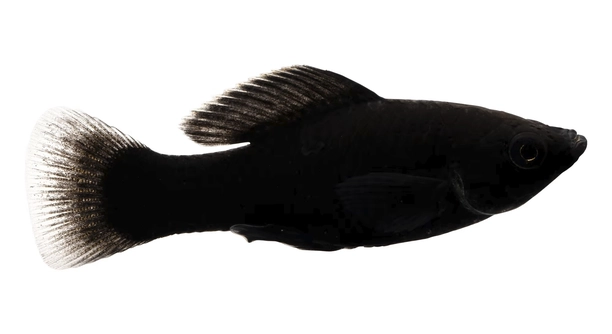
Do you ever find yourself noticing your Black Molly swimming sluggishly in the tank, leaving you wondering if it is handling the water around it well? Watching them glide can be both relaxing and worrisome at times.
Black Mollies can survive in low oxygen water for short periods, but prolonged exposure can lead to stress, reduced activity, and health complications. Adequate aeration and regular water maintenance are crucial for their long-term survival.
Keeping your mollies healthy requires attention to tank conditions, and understanding oxygen levels can help prevent common issues before they become serious.
How Black Mollies Breathe
Black Mollies rely on gills to extract oxygen from water, but they also use a specialized organ called a labyrinth to gulp air from the surface. In low oxygen conditions, you might notice them swimming closer to the top or taking quick breaths. Their activity can slow down because their metabolism adjusts to conserve energy. Maintaining clean water with proper circulation is essential. Tanks that are overcrowded or lack aeration can make it difficult for Mollies to get the oxygen they need. Plants can help by producing oxygen during daylight, but they are not a complete solution. Filtration systems and occasional water movement keep oxygen levels more stable. Observing their behavior daily can help you notice early signs of stress. A healthy Black Molly usually swims actively, explores the tank, and shows bright coloration. Changes in these behaviors often indicate an oxygen problem or other environmental issue in the tank.
Black Mollies survive better in well-aerated tanks with regular water changes and moderate stocking levels.
Even though Black Mollies can tolerate low oxygen for short periods, constant low oxygen levels reduce their lifespan. Stress from poor oxygen conditions can weaken their immune system, making them more prone to disease. Behavioral changes like gasping at the surface, lethargy, or clamped fins are signals to act quickly. Adding an air stone or stronger filtration can increase dissolved oxygen. Temperature also affects oxygen availability; warmer water holds less oxygen, so keep the tank within recommended ranges. Introducing live plants or floating vegetation can give them small pockets of oxygen while improving the environment. Regular monitoring of water quality parameters, including ammonia, nitrite, nitrate, and pH, helps maintain conditions that support proper oxygen levels. Small adjustments to the tank can prevent health problems and allow Black Mollies to thrive. Consistent care and attention make a noticeable difference in their overall well-being.
Signs of Oxygen Stress
Gasping at the water surface is a common sign of low oxygen stress in Black Mollies.
Other signs include sluggish swimming, loss of appetite, and faded coloration. Long-term exposure can result in more severe health problems. Acting quickly helps them recover faster. Maintaining aeration and monitoring water quality reduces stress and keeps them active.
Preventing Low Oxygen Problems
Proper tank maintenance keeps oxygen levels stable and Mollies healthy. Aeration devices, moderate stocking, and clean water prevent stress and disease in your fish.
Regular water changes and monitoring temperature and ammonia levels are essential. Overcrowding reduces available oxygen, so keeping the right number of fish is critical. Adding plants can help, but they are not a complete solution. Observing fish behavior daily allows early detection of problems. Small adjustments like increasing water flow or adding an air stone can make a significant difference. Tank size also matters; larger tanks provide more stable oxygen levels and reduce stress. Black Mollies adapt better when conditions remain consistent.
Even small changes in tank conditions can affect oxygen availability. Temperature fluctuations, leftover food, or decaying plants can reduce oxygen, making Mollies lethargic or more likely to gasp at the surface. Using a reliable filtration system ensures circulation, while aeration devices like air stones or sponge filters increase oxygen levels. Live plants contribute oxygen during the day but consume it at night, so balance is key. Testing water parameters regularly, including pH, ammonia, and nitrates, helps maintain a healthy environment. Observing your Mollies’ swimming patterns and energy levels gives immediate insight into the tank’s oxygen status. Early intervention prevents long-term health issues and supports thriving fish.
Adjusting Tank Conditions
Small tweaks in tank setup improve oxygen levels and fish health. Aeration, filtration, and proper temperature are vital. Plants help but do not replace other measures.
Keeping the water temperature stable ensures more oxygen stays available. Warmer water holds less oxygen, so aim for consistent, moderate temperatures. Proper filtration maintains water clarity and movement, reducing stagnant zones. Aeration devices increase dissolved oxygen and encourage more active swimming. Overfeeding can cause excess waste, lowering oxygen, so feed small portions and remove uneaten food. Adjusting tank decorations to allow water flow ensures all areas are oxygenated. Even slight improvements can noticeably increase Black Mollies’ energy and color vibrancy, showing they are healthier and less stressed.
Common Mistakes
Overcrowding tanks reduces oxygen quickly and stresses Black Mollies. Adding too many decorations can block water flow, making certain areas stagnant.
Overfeeding also lowers oxygen because decomposing food consumes it. Skipping water changes allows waste buildup, creating unhealthy conditions that make Mollies more prone to illness and lethargy.
Using Plants Wisely
Live plants can boost oxygen during the day but may use oxygen at night. Fast-growing plants like hornwort or water sprite provide balance. Floating plants help shade the tank and prevent overheating, indirectly maintaining better oxygen levels. Proper plant care supports healthier Black Mollies and improves water quality.
Aeration Techniques
Air stones, sponge filters, and powerheads improve water movement and oxygen levels. Correct placement is important to circulate water evenly, avoiding stagnant zones that reduce dissolved oxygen.
Monitoring Fish Behavior
Observing swimming patterns and energy levels provides early warning signs of oxygen stress. Gasping at the surface, clamped fins, or lethargy indicate the need for immediate tank adjustments.
FAQ
Can Black Mollies survive in completely stagnant water?
Black Mollies can tolerate low oxygen for short periods, but completely stagnant water is dangerous. Without water movement, oxygen quickly depletes, and waste builds up. Long-term exposure can lead to stress, weaker immunity, and even death. Regular aeration or circulation is necessary for survival.
How often should I check my tank’s oxygen levels?
It’s best to monitor daily, especially if the tank is heavily stocked or plants are present. Observing fish behavior can be as informative as using test kits. Gasping at the surface or slow swimming indicates oxygen issues before they become critical.
Do temperature changes affect oxygen availability?
Yes. Warmer water holds less oxygen, while cooler water can hold more. Sudden temperature swings stress Mollies and reduce oxygen efficiency. Maintaining a stable, moderate temperature helps them stay active and healthy.
Will adding more plants solve low oxygen problems?
Plants produce oxygen during the day but consume it at night. They help slightly, but they cannot replace proper filtration, aeration, or water circulation. Fast-growing plants like hornwort or water sprite can support oxygen levels, but they need maintenance.
Can I rely on air stones alone?
Air stones increase oxygen, but they work best alongside filtration that circulates water. Placement is key—stagnant corners need attention. Combining an air stone with a sponge filter or powerhead ensures even distribution.
How do I know if my Black Mollies are stressed from low oxygen?
Common signs include slow swimming, clamped fins, faded colors, and frequent surfacing to gulp air. Appetite loss is another indicator. Early recognition allows adjustments to prevent long-term damage or disease.
Is water quality more important than aeration?
Both matter. High oxygen is useless in polluted water. Regular water changes, waste removal, and balanced feeding maintain quality. Clean water supports oxygen availability and overall fish health.
How many Black Mollies can I keep in a small tank?
Overcrowding lowers oxygen fast. A general rule is one inch of fish per gallon of water, but tank size, filtration, and aeration can change that. Less crowded tanks make it easier to maintain stable oxygen levels.
Can Black Mollies recover from oxygen stress?
Yes, if the environment improves quickly. Adding aeration, improving circulation, and doing partial water changes can restore oxygen levels. Recovery may take several days, and observing behavior ensures they are returning to normal activity.
Does feeding affect oxygen levels?
Yes. Overfeeding leads to leftover food decay, which consumes oxygen. Feeding small portions and removing uneaten food helps maintain oxygen and prevents waste buildup. Balanced feeding keeps Mollies healthier and less stressed.
Are there seasonal effects on oxygen?
Temperature changes with seasons affect oxygen levels. Warmer months reduce dissolved oxygen, while cooler months increase it slightly. Adjusting tank temperature and monitoring fish behavior helps maintain stable conditions year-round.
Is tank size critical for oxygen stability?
Larger tanks maintain oxygen better due to more water volume and surface area. Smaller tanks are more sensitive to overcrowding, temperature, and waste. Choosing the right tank size reduces stress and makes oxygen management easier.
Can I mix Black Mollies with other fish in low oxygen conditions?
Mixing species in low oxygen tanks increases stress for all fish. Some species need more oxygen than Mollies. Keep compatible species and monitor oxygen closely if the tank is crowded or poorly aerated.
How do I test dissolved oxygen accurately?
Liquid test kits or digital meters give reliable readings. Regular testing helps detect problems before fish show stress signs. Combine readings with visual observation for the best understanding of tank conditions.
What are long-term effects of low oxygen?
Prolonged low oxygen reduces activity, affects growth, weakens immunity, and can lead to illness or death. Early intervention with aeration, circulation, and water changes prevents chronic stress and keeps Black Mollies healthy.
Can Black Mollies adapt to low oxygen tanks over time?
They have some tolerance, but adaptation has limits. Chronic low oxygen still causes stress and health issues. Supporting proper tank conditions ensures longevity and prevents behavioral or physiological problems.
Do surface bubbles indicate good oxygen levels?
Surface bubbles alone are not reliable. They may indicate water movement but don’t measure oxygen concentration. Proper aeration, filtration, and fish behavior observation are better indicators of sufficient oxygen.
How can I improve oxygen in small tanks without equipment?
Regular water changes, adding live plants, and reducing overcrowding help. Manual agitation, like stirring the water gently or using a cup to circulate, can temporarily increase oxygen. However, long-term equipment like air stones is more effective.
Are Black Mollies more tolerant of low oxygen than other fish?
Yes, compared to many tropical fish, Mollies tolerate low oxygen better due to their labyrinth organ. Still, prolonged low oxygen is harmful, and their tolerance should not replace proper care.
Can low oxygen affect breeding?
Yes. Stress from low oxygen reduces activity and fertility. Fry may develop poorly or die if oxygen is insufficient. Maintaining stable conditions is critical for successful breeding.
Does light affect oxygen levels in planted tanks?
Yes. Plants produce oxygen during light periods but consume it at night. Balancing light and dark cycles helps maintain oxygen availability and supports fish health.
Are sponge filters better than air stones for oxygen?
Sponge filters provide both filtration and aeration, making them more efficient than air stones alone. They circulate water and remove debris while increasing dissolved oxygen, supporting healthier Black Mollies.
What immediate steps should I take if Mollies show oxygen stress?
Increase aeration, improve circulation, remove excess food or waste, and check temperature. Partial water changes help restore oxygen quickly. Observe behavior to ensure recovery and adjust tank maintenance routines to prevent recurrence.
Black Mollies are hardy fish, but their well-being depends greatly on water conditions, especially oxygen levels. Low oxygen in a tank can quickly affect their behavior and health. They may swim near the surface, move slower than usual, or show faded coloration. Over time, constant low oxygen can weaken their immune system, making them more prone to disease. Observing these signs early allows you to make small changes before serious problems develop. It’s not only about keeping the fish alive, but also about keeping them active and healthy. Even minor adjustments like adding an air stone, rearranging decorations for better water flow, or performing regular water changes can have a significant impact. Paying attention to their daily activity and energy levels gives clear feedback about the tank’s condition. Black Mollies are sensitive to both water quality and oxygen availability, so keeping the environment stable is important. Simple practices like moderate feeding, avoiding overcrowding, and maintaining proper filtration help maintain consistent oxygen levels.
Maintaining oxygen in the tank involves a few key strategies that are easy to implement. Aeration is one of the most effective ways to increase dissolved oxygen. Air stones, sponge filters, or powerheads improve circulation and prevent stagnant areas where oxygen may drop. Plants can help, but they are not a complete solution, as they produce oxygen during the day but consume it at night. Temperature also plays a role, since warmer water holds less oxygen. Keeping the tank at a stable, moderate temperature ensures the oxygen available is sufficient for the fish’s needs. Monitoring the tank regularly, both visually and with test kits if desired, allows you to catch problems before they become severe. Small, consistent care practices can prevent stress and health issues, making it easier for Black Mollies to thrive. They respond quickly to positive changes, showing more activity and brighter colors when conditions improve. Understanding these details makes it easier to create a comfortable and safe environment for them.
Black Mollies’ tolerance for low oxygen should not be tested unnecessarily. While they can survive short periods of lower oxygen, prolonged exposure is harmful. Keeping the tank clean, properly aerated, and moderately stocked ensures they live longer and healthier lives. Watching their behavior closely helps guide decisions about water changes, feeding, and aeration. Adjustments don’t need to be complicated—sometimes simply improving water circulation or reducing waste is enough to prevent stress. Healthy Black Mollies are active, show bright coloration, and interact naturally with their environment. Maintaining these conditions consistently makes caring for them easier and more rewarding. Small efforts to improve oxygen levels and overall tank health have long-lasting effects, keeping your fish strong and vibrant. By paying attention to tank maintenance, water quality, and aeration, you create an environment that supports their natural behavior and longevity, ensuring they remain lively and healthy over time.

Hello,
If you enjoy the content that we create, please consider saying a "Thank You!" by leaving a tip.
Every little bit helps us continue crafting quality advice that supports the health, happiness, and well-being of pets around the world, for pets of all shapes, sizes, and species.
We really appreciate the kindness and support that you show us!