
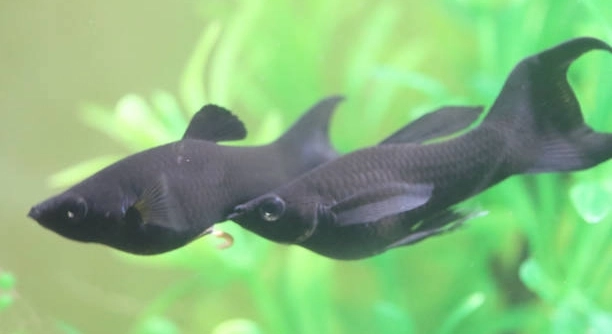
Are your Black Mollies acting restless in a crowded tank, darting around constantly and showing signs of stress? Observing their frantic swimming or hiding can be concerning, especially when you want them to feel comfortable and secure.
Calming Black Mollies in a busy tank requires addressing environmental stressors, maintaining proper water quality, providing adequate hiding spaces, controlling lighting, ensuring compatible tankmates, regulating feeding schedules, and monitoring overall health to reduce anxiety and promote stable behavior.
These simple strategies can help create a peaceful environment, allowing your Black Mollies to thrive even in a bustling aquarium.
Provide Adequate Hiding Spots
Black Mollies feel safer when they have places to hide. Plants, caves, or decorations give them spaces to retreat from constant movement in a busy tank. Dense vegetation helps reduce stress, allowing shy or nervous fish to feel secure. Even small shelters can make a noticeable difference in their behavior. Overcrowding without hiding spots can lead to continuous darting, fin nipping, or refusing food. Providing a mix of tall plants and low shelters ensures all fish have options. Floating plants also help diffuse light, creating a calmer environment. Regularly rearranging or adding new hiding spaces can keep them engaged and reduce boredom, which also contributes to calmer behavior. Mollies are naturally social, but they still need personal space to feel safe, especially in tanks with active or aggressive tankmates. Observing their preferred hiding spots can help you adjust placement to maximize comfort. Over time, these changes encourage more balanced swimming patterns and less stress-related behavior.
Proper hiding spaces help your Mollies feel secure and reduce the chances of aggression or constant darting in a busy tank.
Adding and maintaining a variety of shelters supports long-term well-being. Mollies use these spaces to escape bright lights, assertive tankmates, or sudden movements. Providing multiple options allows all fish to establish personal territories without conflict. Even in a tank with more active species, adequate hiding spots help maintain peaceful interactions and reduce stress. Mollies may still explore openly when they feel safe, but they always have a secure retreat. Plants, both tall and short, floating or rooted, offer different types of coverage. Artificial caves or ornaments can supplement natural hiding areas. Regularly changing these spaces keeps the tank stimulating and encourages natural behaviors. A well-planned layout not only calms Mollies but also improves overall tank health, as hiding spots reduce stress, which lowers the risk of disease. By observing their preferences, you can adjust and optimize the environment for maximum comfort.
Maintain Stable Water Conditions
Keeping water conditions steady is essential for calmer Mollies. Sudden changes in temperature, pH, or hardness can cause stress. Mollies thrive in slightly alkaline water with moderate hardness and a consistent temperature between 74–82°F. Regular water testing ensures these parameters remain within safe limits. Overfeeding can affect water quality, so careful portioning and prompt removal of uneaten food is important. Frequent partial water changes help maintain clarity and reduce toxin buildup, keeping fish healthy and relaxed. Filters should run steadily to provide gentle circulation without creating strong currents that can exhaust Mollies. Monitoring ammonia, nitrite, and nitrate levels keeps the environment safe, as spikes can lead to erratic swimming and hiding. Using a reliable heater and thermometer helps avoid temperature fluctuations, which Mollies notice quickly. Combining these practices with proper tank maintenance promotes a calm, stable habitat. Consistency in water quality reduces stress-related behavior and supports their natural activity levels.
Stable water conditions prevent stress and support healthy, calm behavior in Black Mollies.
Regular maintenance and careful observation are key. Checking water parameters weekly allows you to catch potential issues before they impact your fish. Partial water changes of 20–25% every one to two weeks help keep ammonia and nitrate levels low while maintaining beneficial bacteria. Using a gentle filter ensures proper oxygenation without creating strong currents, which Mollies dislike. Temperature consistency is equally important; sudden drops or spikes can lead to hiding or frantic swimming. Controlling feeding is another factor in water stability. Uneaten food contributes to waste buildup, so offering small portions and removing leftovers prevents water degradation. Combining these routines with observation of fish behavior provides insight into their comfort level. Mollies often show calmer, more predictable swimming when water conditions are stable, making it easier to manage a busy tank. Consistency fosters a healthier, more relaxed environment where all tank inhabitants can thrive.
Control Tank Lighting
Bright or inconsistent lighting can make Black Mollies nervous. Keeping lights on a regular schedule and using moderate brightness reduces stress. Avoid sudden changes or direct sunlight, which can trigger frantic swimming or hiding. Dimmed or diffused light helps them feel secure.
Consistent lighting mimics natural day-night cycles, helping fish regulate their activity. Too much light can increase aggression among tankmates and overstimulate Mollies, causing erratic behavior. Floating plants or lightly tinted aquarium backgrounds can diffuse light, creating softer areas. Timers are useful to maintain predictable light periods, ensuring the tank is not too bright during resting hours. Proper lighting supports natural feeding patterns and reduces stress-induced health problems. Over time, Mollies adapt to a stable lighting routine and display calmer swimming and more relaxed interactions with other fish.
Light placement and intensity affect comfort. Using a combination of floating plants and moderate lighting creates shaded areas, allowing Mollies to explore without fear. This approach also prevents algae overgrowth from excessive light, maintaining a cleaner tank environment. Fish will seek calmer spots under cover, which reduces sudden bursts of movement and allows more natural swimming patterns. Observing their preferences helps fine-tune lighting levels for a peaceful atmosphere. By maintaining a steady, gentle light schedule, Mollies feel secure, and the tank becomes a less stressful environment for all inhabitants.
Ensure Compatible Tankmates
Aggressive or overly active tankmates can stress Black Mollies. Choosing peaceful species that swim at different levels reduces tension and gives Mollies personal space.
When tankmates are compatible, Mollies display calmer behavior and spend more time exploring. Avoid keeping fin-nipping or territorial fish with them, as this can lead to constant hiding and stress. Peaceful species such as guppies or platies are ideal companions, providing a balanced social environment. Observing interactions regularly helps identify signs of stress early. Separating aggressive fish or using visual barriers can further protect Mollies, ensuring a stable and harmonious tank environment. A well-matched community tank promotes overall health and reduces anxiety-related behaviors.
Compatibility extends to feeding routines and activity levels. Aggressive feeders may outcompete Mollies, leading to skipped meals or stress during feeding times. Providing multiple feeding areas ensures all fish get proper nutrition without confrontation. Mollies benefit from calm swimming neighbors, allowing them to maintain natural patterns and reduce energy spent on avoidance. Over time, a thoughtfully chosen community reduces hiding and darting behaviors, helping Mollies thrive. Regular observation allows for adjustments if aggression appears, and minor changes like rearranging décor or adding plants can improve harmony. Peaceful tankmates and structured feeding support calmer, healthier fish.
Regulate Feeding Schedules
Feeding Mollies at consistent times each day helps reduce stress and prevents aggressive behavior over food. Uneaten food should be removed promptly to maintain water quality. Regular feeding creates a predictable routine, making fish feel secure and calmer in a busy tank.
Portion control is important. Overfeeding can foul the water and increase agitation among tankmates. Small, measured amounts given two to three times daily keep Mollies healthy. Observing their eating habits helps adjust portions and ensures all fish get enough without overcrowding or competition. Predictable feeding promotes calm, balanced behavior.
Monitor Water Temperature
Maintaining a stable temperature between 74–82°F is essential for Black Mollies’ comfort. Sudden fluctuations can cause stress, hiding, or erratic swimming. A reliable heater and thermometer help prevent unexpected changes.
Temperature consistency supports metabolic stability and immune health. Mollies respond poorly to rapid shifts, which can trigger stress hormones and reduce appetite. Gradual adjustments during seasonal changes or maintenance prevent shocks, keeping fish calm. Regularly checking the heater and thermometer ensures the tank remains within the safe range. Mollies thrive in stable conditions, maintaining natural swimming and social patterns.
Provide Gentle Water Flow
Black Mollies prefer moderate currents that do not overwhelm them. Strong water movement can cause fatigue and stress.
Adjusting filter output or using baffles can create calmer areas in the tank. Mollies enjoy spaces where they can swim comfortably without battling excessive flow.
How can I tell if my Black Molly is stressed?
Signs of stress in Black Mollies include frantic swimming, hiding excessively, clamped fins, or reduced appetite. They may dart around the tank without settling or spend long periods near the surface or corners. Stress can also show in duller coloration or fin damage from rubbing against decorations or other fish. Observing daily behavior helps identify changes early, allowing you to adjust the environment or care routine. Stress often results from overcrowding, incompatible tankmates, poor water quality, sudden temperature changes, or lack of hiding spaces. Consistently monitoring these behaviors ensures you can intervene before health issues develop.
What are the best hiding spots for Black Mollies?
Black Mollies prefer a combination of dense plants, caves, and floating decorations. Tall plants provide vertical cover, while shorter plants or rock structures give areas to retreat at the bottom or mid-level. Artificial ornaments, such as PVC tubes or ceramic caves, work well alongside live plants. Floating plants can diffuse light and create shaded areas, helping fish feel secure. The key is to provide multiple options in different areas of the tank, so each fish has a personal retreat. Over time, you may notice Mollies favoring certain spots, which can guide further adjustments to improve comfort and reduce stress.
How often should I change the water in a busy tank?
Partial water changes of 20–25% every one to two weeks are generally sufficient for Black Molly tanks. In heavily stocked or active tanks, more frequent changes may be needed to maintain water clarity and prevent toxin buildup. Regular testing for ammonia, nitrites, and nitrates ensures water remains within safe parameters. Removing uneaten food and debris before water changes helps reduce organic waste. Consistent maintenance not only keeps the environment safe but also reduces stress, as Mollies are sensitive to sudden fluctuations in water quality. Establishing a schedule for water changes keeps the tank stable and healthier for all inhabitants.
Can lighting affect my Black Mollies’ behavior?
Yes, lighting plays a significant role in their comfort. Bright or inconsistent light can make Black Mollies nervous and trigger erratic swimming or hiding. Maintaining moderate, consistent lighting and avoiding direct sunlight reduces stress. Using timers ensures predictable day-night cycles, mimicking natural conditions. Floating plants or shaded areas can further diffuse light, creating calmer spaces for Mollies. Proper lighting also supports natural feeding and activity patterns, which contributes to overall well-being and reduces stress-related behaviors in a busy tank.
Which tankmates work best with Black Mollies?
Peaceful, similarly sized fish are ideal companions for Black Mollies. Guppies, platies, and some tetras share similar water preferences and social behavior without being aggressive. Avoid fin-nippers or territorial fish, which can cause hiding and stress. Observing interactions early helps identify compatibility issues. Separating aggressive individuals or adding visual barriers can maintain harmony. Feeding routines and activity levels should also be compatible to prevent competition. Thoughtful selection of tankmates ensures a calmer environment where Mollies can swim comfortably, maintain natural behaviors, and reduce stress in a busy community tank.
What is the ideal diet for keeping Black Mollies calm and healthy?
Black Mollies thrive on a varied diet that includes high-quality flake food, pellets, and occasional live or frozen foods like brine shrimp or daphnia. Supplementing with vegetables, such as blanched spinach or zucchini, supports digestion and overall health. Feeding small portions two to three times daily prevents overeating and water quality issues, which can cause stress. Predictable feeding schedules make fish feel secure and reduce competition among tankmates. Observing their eating behavior allows for adjustments to portion size or frequency, helping maintain calm, well-fed, and healthier fish.
How can I reduce strong water currents in my tank?
Excessive water flow can stress Black Mollies, causing fatigue and erratic swimming. Adjusting filter output, adding baffles, or rearranging decorations creates calmer zones. Plants and rocks can break currents, allowing fish to swim comfortably without fighting the flow. Providing these gentler areas gives Mollies choice in where to swim, promoting calmer behavior and reducing energy spent on avoidance. Monitoring their preferred swimming areas helps fine-tune tank setup. Reducing strong currents also prevents injuries and supports long-term health in busy tanks, making the environment more stable and less stressful for all fish.
How do I maintain a stable temperature for Black Mollies?
Keeping the tank temperature steady between 74–82°F is essential. Sudden fluctuations stress Mollies, affecting behavior and appetite. A reliable heater and thermometer ensure stable conditions. Gradual adjustments during seasonal changes or maintenance prevent shocks. Consistent temperature supports metabolism, immune function, and natural swimming patterns. Regular monitoring allows for early detection of heater issues or temperature drops, ensuring the tank remains comfortable and reducing stress in a busy environment.
How do I know if my Mollies have enough personal space?
Signs that Mollies lack space include constant chasing, hiding, and darting. Each fish should have room to swim without encountering aggression or overcrowding. Providing multiple hiding spots, open swimming areas, and careful stocking density ensures they feel secure. Observing their interactions helps adjust tank setup or add barriers to maintain peace. Adequate personal space reduces stress, encourages natural behaviors, and supports overall health.
Are there any supplements or additives that help calm Mollies?
Some aquarists use stress-reducing additives, like aquarium salts or commercially available stress relief solutions, to support Black Mollies. These can help during minor environmental changes or after introducing new fish. Use cautiously and according to instructions, as overdosing can harm fish. Focus on consistent water quality, proper hiding spaces, and compatible tankmates for long-term calm behavior, rather than relying solely on additives.
How often should I observe my Mollies to ensure they are calm?
Daily observation is important. Spending a few minutes each day watching their swimming patterns, hiding behavior, and interactions allows early detection of stress or illness. Noting changes in appetite, coloration, or social behavior helps adjust care routines promptly. Consistent observation helps maintain a peaceful tank environment and supports long-term health.
What common mistakes increase stress in busy tanks?
Overcrowding, incompatible tankmates, poor water quality, strong currents, and irregular feeding are frequent stress factors. Sudden lighting changes or temperature fluctuations also contribute. Avoiding these mistakes by careful planning, monitoring, and maintenance promotes calm behavior. Small adjustments in tank layout, hiding spots, and routine care have a big impact on overall well-being.
How long does it take for Mollies to adjust to a busy tank?
Adjustment varies but generally takes a few days to several weeks. Providing hiding spots, stable water conditions, consistent feeding, and compatible tankmates accelerates adaptation. Observing behavior over time helps identify ongoing stressors and refine care practices. With patience and proper setup, Mollies gradually become more confident, swim openly, and display calmer, healthier behaviors.
This FAQ provides practical strategies to reduce stress and maintain calm behavior in Black Mollies, focusing on environment, care routines, and observation. Proper attention ensures a peaceful and thriving tank.
Creating a calm environment for Black Mollies in a busy tank requires consistent care and attention to detail. Small adjustments in their surroundings can make a noticeable difference in their behavior. Providing adequate hiding spots, regulating water temperature, controlling lighting, and ensuring compatible tankmates all contribute to a less stressful habitat. Even minor improvements, like adding floating plants or gentle decorations, can reduce frantic swimming and encourage natural exploration. Consistency in care, from feeding schedules to water maintenance, helps Mollies feel secure and promotes healthier interactions with other fish. Over time, these practices result in a more peaceful tank where Mollies are less likely to display stress-related behaviors. Observing how they respond to changes also gives insight into their comfort levels and needs.
Maintaining proper water conditions is one of the most effective ways to support calm behavior. Stable temperature, clean water, and appropriate pH levels help prevent stress and illness. Sudden fluctuations can trigger hiding, erratic swimming, or reduced appetite. Regular water testing and partial water changes ensure a safe environment, while a reliable heater and gentle filtration keep conditions steady. Avoiding overcrowding and selecting peaceful tankmates further reduces tension, allowing Mollies to swim confidently and interact naturally. Providing predictable routines, such as feeding at the same times each day, adds to their sense of security. This stability is particularly important in busy tanks, where multiple fish create a more dynamic environment. Consistent monitoring and timely adjustments create a healthy, comfortable space where Mollies can thrive.
Patience is key when calming Black Mollies. Changes in behavior may take time, and fish may initially hide or swim nervously before adjusting to improvements. Careful observation, thoughtful tank setup, and attention to detail allow you to identify what works best for your specific group of Mollies. Over time, consistent care leads to calmer, more confident fish that explore their surroundings without fear. A well-maintained tank benefits all inhabitants, promoting better health, social behavior, and longevity. By combining environmental adjustments with routine care and observation, you can create a harmonious aquatic space that supports the natural behaviors of Black Mollies, allowing them to thrive even in a busy, active tank.

Hello,
If you enjoy the content that we create, please consider saying a "Thank You!" by leaving a tip.
Every little bit helps us continue crafting quality advice that supports the health, happiness, and well-being of pets around the world, for pets of all shapes, sizes, and species.
We really appreciate the kindness and support that you show us!