
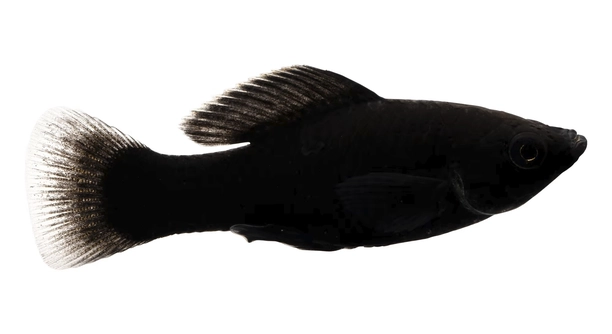
Have you ever noticed subtle changes in your black molly and wondered if it is starting to age? These small signs often appear gradually, making it tricky to tell when your fish is getting older.
Black mollies exhibit specific behavioral, physical, and health changes as they age. These changes include slower swimming, duller coloration, thinner fins, reduced appetite, and increased susceptibility to illness, which are commonly observed indicators of an aging black molly.
Recognizing these changes early can help you care for your black molly more effectively and ensure it remains comfortable in its later years.
Slower Swimming and Reduced Activity
As black mollies age, one of the first things you might notice is a change in their activity levels. Your fish may no longer dart across the tank as quickly or with the same energy it used to. Instead, it might swim more slowly, linger near the bottom, or rest frequently in corners. This behavior is normal for older mollies and usually reflects changes in their metabolism and muscle strength. Environmental factors such as water temperature, tank size, and quality can also influence activity levels. Observing these changes early allows you to adjust feeding schedules, tank enrichment, and water conditions to support your molly’s health. Consistent monitoring helps you differentiate between normal aging and potential illness. Small changes in swimming patterns are often subtle but noticeable if you spend time watching your fish daily. This stage of life calls for a gentler approach to care and observation, emphasizing comfort and stability.
Older black mollies often need more time to swim and explore their tanks.
Slower movement in older black mollies is linked to reduced metabolism and energy reserves. It is important to avoid overfeeding and to provide resting areas. Light activity and moderate tank enrichment help maintain muscle tone. Observing your molly’s swimming habits can provide early insight into its overall health, ensuring timely care adjustments.
Dull Coloration
Older black mollies frequently display a loss of vibrant coloration. Their scales may appear faded, less shiny, or slightly grayish. This change is part of the natural aging process, caused by slower cell regeneration and pigment loss over time. Diet can influence coloration, as a nutrient-rich diet may help maintain some vibrancy. Ensuring your molly receives foods high in carotenoids and other natural pigments supports their appearance and overall health. Stress, illness, and poor water conditions can worsen color fading, making it important to maintain a stable and clean tank environment. While a faded molly is not necessarily unhealthy, monitoring other signs like appetite, swimming behavior, and fin condition will help determine if additional care is needed.
Fading color is often the first visible sign of aging in black mollies.
Loss of coloration in older mollies can signal aging or underlying stress. While some fading is normal, sudden or patchy changes may indicate water quality issues, disease, or dietary deficiencies. Providing a balanced diet and consistent tank maintenance helps slow the fading process. Observation of other health indicators, like behavior and fin integrity, is essential for proper care. Adjusting lighting, adding natural pigments through food, and maintaining optimal tank conditions can help older black mollies retain some of their natural shine and prevent additional stress on their systems.
Thinner and Fraying Fins
Older black mollies often develop thinner fins that may appear frayed or slightly torn. This is a normal part of aging and usually results from slower tissue regeneration, making fins more fragile and prone to minor damage.
Fragile fins in aging mollies can result from both natural aging and minor abrasions in the tank. As their tissue regrowth slows, even small scrapes from decorations or plants can cause noticeable fraying. Maintaining clean water and minimizing sharp objects in the tank reduces further damage. Occasional trimming of overly ragged fins is sometimes necessary, but careful handling and proper nutrition can help maintain fin health.
Thinning fins may also indicate reduced strength and slower recovery from minor injuries. Older mollies might avoid rapid swimming or jumping, which helps prevent further fin damage. A balanced diet with protein and vitamins supports tissue repair, while consistent tank conditions prevent additional stress. Observation over time helps distinguish natural aging from disease or injury.
Changes in Appetite
As black mollies age, they often eat less than they used to. Reduced appetite is a common sign of aging and can affect their overall energy levels. Maintaining regular feeding schedules helps manage this change.
Older mollies may become picky eaters, preferring softer or smaller food items over harder pellets or flakes. They might eat more slowly or skip meals entirely. Ensuring a nutrient-rich diet with occasional live or frozen foods encourages eating and supports digestion. Avoid overfeeding, as uneaten food can pollute the tank and harm water quality.
Changes in appetite also reflect metabolic shifts. Older mollies digest food more slowly, requiring smaller, more frequent meals. Monitoring weight and body condition helps track nutritional health. Offering a variety of foods, including vegetables, protein, and specialized pellets, ensures they receive necessary nutrients. Maintaining optimal water conditions reduces stress, which can further support consistent feeding habits. Observing feeding behavior daily allows adjustments before malnutrition or weight loss becomes a concern.
Increased Resting
Older black mollies spend more time resting and may linger near the bottom or in corners. This is normal and reflects their slower metabolism and decreased energy levels.
Frequent resting helps mollies conserve energy. Providing soft hiding spots and gentle water flow supports their comfort while reducing stress from excessive swimming or competition with tank mates.
Breathing Changes
Aging black mollies sometimes show changes in their breathing patterns. Gills may move more slowly, or they might occasionally gasp at the surface. These changes often relate to metabolic slowing and decreased stamina, rather than illness, but monitoring water quality remains important to prevent additional strain.
Less Social Interaction
Older mollies may become less social, avoiding group swimming or chasing other fish. This behavior is common with age and reflects reduced energy and mobility.
How can I tell if my black molly is old?
You can notice aging in black mollies through changes in behavior, appearance, and health. Slower swimming, duller coloration, frayed fins, reduced appetite, and less social interaction are common signs. Monitoring these changes over time helps you distinguish normal aging from illness, allowing proper adjustments in care.
Is it normal for older black mollies to eat less?
Yes, reduced appetite is common in aging mollies. Their metabolism slows, and they may prefer smaller or softer food. Providing nutrient-rich meals in smaller portions supports health and prevents uneaten food from polluting the tank. Consistent feeding times also help older mollies maintain regular eating habits.
Should I change the tank environment for an older molly?
Adjusting the tank can help older mollies feel more comfortable. Providing gentle water flow, soft hiding spots, and fewer sharp decorations reduces stress and prevents injuries. Consistent water quality and moderate lighting also support their well-being and reduce the likelihood of additional health issues.
Can diet improve aging signs?
Yes, diet plays a key role in slowing some visible signs of aging. High-quality pellets, occasional live or frozen foods, and vegetables rich in nutrients help maintain energy, coloration, and fin health. Avoid overfeeding, and offer smaller, frequent meals to match slower digestion.
Why is my older molly less active?
Reduced activity is a natural part of aging. Older mollies have less stamina and may rest more or swim slowly. Encouraging light movement with gentle tank enrichment helps maintain muscle tone without stressing them, while observing swimming patterns ensures there are no underlying health problems.
Are dull colors a cause for concern?
Dull coloration usually indicates normal aging, but sudden or patchy fading may signal stress, illness, or dietary deficiencies. Maintaining a balanced diet with natural pigments and stable tank conditions helps preserve color. Monitoring other health signs like fins and appetite ensures there are no hidden issues.
How do I care for frayed fins?
Frayed fins result from slower tissue regeneration. Maintaining clean water, avoiding sharp decorations, and providing proper nutrition helps prevent further damage. Minor trimming may be necessary, but careful observation and gentle handling are most important to keep older mollies comfortable.
Do older mollies get sick more easily?
Yes, as mollies age, their immune systems weaken. This makes them more prone to infections and stress-related issues. Keeping water clean, feeding a nutrient-rich diet, and avoiding aggressive tank mates reduces risks. Regular observation of behavior, fins, and breathing helps catch potential problems early.
How often should I monitor my aging molly?
Daily observation is ideal. Watching swimming patterns, feeding behavior, coloration, and fin condition allows you to notice subtle changes early. Promptly addressing issues prevents minor problems from becoming serious health concerns and ensures your molly remains comfortable in its later years.
Can older mollies still breed?
Some older mollies may breed, but fertility often decreases with age. Females may produce fewer fry, and males may have lower sperm quality. Breeding is not harmful, but careful monitoring and optimal tank conditions are necessary to support both the parent and any offspring.
What signs indicate serious health problems in older mollies?
Serious problems include extreme lethargy, rapid breathing, loss of appetite, bloating, or sudden fin deterioration. These symptoms may indicate infection, parasites, or organ issues. Immediate attention with proper water quality management, diet adjustment, and, if necessary, veterinary care is crucial.
How can I help my molly live comfortably in old age?
Maintaining stable water conditions, providing a gentle environment with hiding spots, feeding a nutrient-rich diet, and observing health regularly ensures comfort. Avoid sudden changes and overhandling, and adjust care to match slower movement and reduced activity. These steps help your molly age with minimal stress and maintain quality of life.
Caring for an aging black molly requires attention to small but important changes in behavior, appearance, and health. As mollies get older, they naturally slow down and spend more time resting. Their swimming may be less energetic, and they may linger near the bottom or in corners of the tank. These changes are normal and reflect the natural slowing of metabolism. Watching your molly daily allows you to notice these small shifts early, so you can make simple adjustments in care. Adjusting tank flow, providing gentle hiding spots, and maintaining a stable environment all help older mollies remain comfortable. Observing changes in swimming patterns also allows you to distinguish between normal aging and potential illness, which is critical for timely care.
Older black mollies also experience changes in their physical appearance. Their fins may become thinner or frayed, and their coloration may appear duller or slightly faded. These changes are a normal part of aging, caused by slower tissue regeneration and reduced pigment production. Providing a balanced, nutrient-rich diet helps support fin and scale health, while keeping the tank clean reduces the risk of infections or injuries. Smaller, more frequent meals can help mollies with reduced appetite maintain energy levels and proper nutrition. Paying attention to these subtle changes ensures your molly stays healthy and comfortable, even as its body adjusts to the natural aging process.
Behavioral changes are another important consideration. Older mollies often become less social and may avoid chasing other fish or joining group swimming. This is normal and usually reflects reduced stamina and energy. Changes in breathing or occasional gasping at the water surface can also occur, often due to slower metabolism rather than illness. Maintaining good water quality, gentle lighting, and consistent care reduces stress and helps mollies adapt to these changes. By providing a stable environment, monitoring diet, and observing daily behavior, you can help your black molly live its later years with comfort and minimal stress. Regular care and attention allow you to enjoy watching your fish age gracefully while supporting its overall health.

Hello,
If you enjoy the content that we create, please consider saying a "Thank You!" by leaving a tip.
Every little bit helps us continue crafting quality advice that supports the health, happiness, and well-being of pets around the world, for pets of all shapes, sizes, and species.
We really appreciate the kindness and support that you show us!