
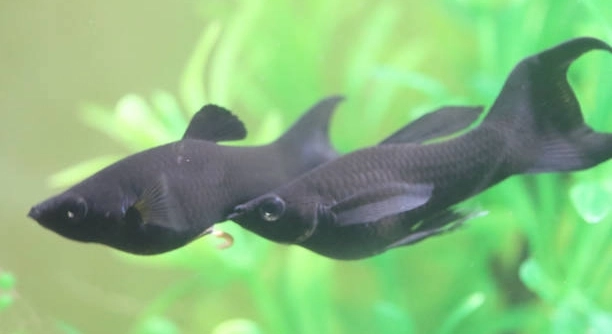
You may sometimes notice your black molly acting a bit restless, which can make you wonder if the space it has is truly enough for its comfort and long term wellbeing in your home aquarium.
Black mollies often require larger tanks when they show increased activity, rapid growth, heightened waste production, stressed interactions, or difficulty maintaining stable health conditions, indicating that their current environment is insufficient and may compromise biological processes necessary for overall stability.
Noticing these signs creates a picture of your fishs needs, encouraging you to see how a larger environment supports behavior.
Restless Swimming Patterns
When you notice your black molly swimming in tight circles or pacing along the glass, it can make you feel like something is off in the tank. I have seen this behavior before, and it usually means the fish is running out of comfortable space to move around. A small tank can limit natural patterns, causing the fish to repeat the same motions again and again. Over time, this creates stress that shows through restlessness and constant searching for open areas. As a woman who spends a lot of time observing small details in her aquarium, I can tell when a molly is craving more room because its energy shifts in a way that is hard to ignore. The tank starts to look smaller each day, and the fish reacts by trying to find space lacking. This is often the first clear sign that a bigger setup is needed most.
Restless movement becomes easier to notice when the tank feels cramped, making the behavior stand out more each day. This small shift can reflect how the fish is adapting to its limited space, and it often shows the need for a slightly larger environment to restore balance each passing moment.
Watching these early changes helps you understand what your black molly is experiencing, allowing you to respond before stress becomes more visible. I pay attention to how the fish moves from one corner to another, noticing when its usual calm patterns start to shift. A growing need for extra space becomes clearer with every small adjustment in behavior, especially when the tank no longer supports natural movement. When this happens, the environment starts to feel too tight, and the fish lets you know through subtle signs. Recognizing these patterns early makes it easier to plan a more suitable upgrade now.
Growing Size and Limited Space
As black mollies grow, their bodies take up more room than expected, making a small tank feel tight sooner than many realize. I notice this quickly when the fish begins brushing along decorations or squeezing into areas that once felt open, signaling the need for added space in your care.
Growth is one of the easiest signs to track when trying to understand whether your black molly needs a bigger tank, and it becomes even clearer when the fish starts exploring areas it once ignored. I spend a lot of time watching how size changes affect behavior, and it always becomes noticeable when the fish begins to outgrow its environment. A growing body means more movement, more feeding, and more waste, all of which demand additional space to keep conditions steady. When the tank stays too small, the fish adjusts by limiting its natural patterns, and this can slowly affect health. You may also see the molly become more territorial because space feels tight around it more daily. Decorations, plants, and hiding spots take up more room than many people expect, leaving even less open water for swimming. As the fish grows, these limitations stand out more each day, showing how much the tank influences comfort. A larger setup reduces stress and supports better activity, helping the molly settle into a calmer routine. Choosing the right size is not only about giving it room to move but also about maintaining balance in the entire environment as it continues to grow.
Increased Waste and Cloudy Water
A black molly producing more waste than the tank can handle often leads to cloudy water, which becomes harder to keep clean. I notice this quickly when the water loses clarity faster than usual, showing the space is no longer supporting the fishs daily needs.
When the tank is too small, waste builds up much faster, even with regular cleaning. I have watched this happen before, and it becomes clear when the filter struggles to keep the water stable. The molly eats more as it grows, which naturally increases ammonia levels, making the environment feel heavier and less comfortable. A cramped tank leaves little room for clean water to circulate, and this change becomes more noticeable each week. Cloudiness is not just an appearance issue but a sign the space is falling behind. A larger setup allows the filter to work more effectively and keeps the conditions healthier.
As the waste increases, the stress on the tank becomes obvious, especially when the water quality drops soon after a cleaning. I have seen how a small tank fails to balance the biological load, making the fish react through subtle shifts in energy and comfort. Poor water clarity can lead to sluggish behavior and minor health issues if left unaddressed. A spacious environment supports steadier chemical levels and slows down the buildup of harmful substances. This alone makes maintaining the tank easier while keeping the fish settled in a more natural rhythm. Expanding the space helps create a cleaner, healthier place for your molly to thrive.
Difficulty Maintaining Stable Parameters
Smaller tanks tend to fluctuate more often, making temperature and pH shifts more frequent than they should be for a black molly. I notice these changes quickly because they show through sudden behavior differences, especially when the fish becomes less active or searches for calmer pockets in the water.
Keeping parameters stable in a cramped tank becomes harder as the fish grows and produces more waste. I have experienced how even small feeding changes can disrupt the water balance, creating a chain reaction that affects the entire setup. A larger tank dilutes these swings and keeps temperature, pH, and hardness steadier throughout the day. When the environment lacks stability, the molly becomes more sensitive and may show signs of discomfort through slower movement or reduced interaction with its surroundings. By upgrading the tank, you give the system a better chance to maintain consistent conditions, easing the stress on both the fish and your maintenance routine.
Increased Aggression Toward Tank Mates
When space becomes tight, a black molly may start acting pushy toward other fish. I notice this behavior when it begins chasing or nudging tank mates more than usual, showing that the environment is no longer giving it enough room to feel comfortable.
Aggression often grows slowly, becoming clearer when the molly guards certain areas or refuses to share open space. I have seen this happen as the tank gets crowded, and the tension increases with each day. A larger environment helps reduce these stressful interactions.
Limited Swimming Space
A cramped setup restricts natural movement, making the fish adjust its patterns in uncomfortable ways. I can tell when this happens because the molly stops exploring freely and repeats the same small routes, which signals that the tank no longer supports healthy activity. Extra room encourages smoother movement and a calmer routine.
Frequent Hiding
When a black molly hides more than usual, it often reflects discomfort linked to space limitations. I notice this shift when the fish seeks shelter instead of swimming openly, showing that the environment feels too tight for its usual confidence.
FAQ
How can I tell if my black molly has outgrown its tank?
I usually notice this when the fish moves differently, showing signs like pacing along the glass or squeezing into spaces that once looked roomy. Growth changes how the molly interacts with its surroundings, and when the tank starts feeling tight, the fish makes it clear through restlessness or awkward swimming patterns. Decorations, plants, and even small hiding areas begin taking up too much space, leaving less open water for normal movement. When these shifts appear together, it becomes obvious the fish needs more room to stay comfortable. Increasing the tank size supports healthier behavior and steadier conditions.
What tank size is recommended for a single black molly?
A single black molly usually feels best in a tank that holds at least 20 gallons. I find that this size gives the fish enough space to swim freely without running into limitations. The extra water volume also stabilizes temperature, pH, and waste levels, keeping the environment safer each day. Even though mollies are small, they are active swimmers that benefit from open areas. Choosing a larger tank from the beginning prevents stress, reduces maintenance issues, and sets up a healthier foundation for long term care. It also leaves room for adding tank mates later if you wish.
Why does water quality drop faster in a small tank?
Small tanks struggle to handle waste because everything builds up more quickly. I have seen cloudy water appear soon after a cleaning when the fish is producing more waste than the system can manage. Filters work harder, ammonia rises faster, and parameters shift throughout the day. With less water to dilute these changes, the tank becomes unstable. A larger tank slows down this process by giving the water more space to cycle naturally. This helps keep the environment cleaner, reduces stress for the fish, and makes maintenance less demanding.
Can a small tank make my black molly aggressive?
Yes, limited space can cause aggression, especially when the fish feels crowded. I notice this when a molly starts guarding areas or chasing tank mates. It happens because the fish feels like it has no room to move comfortably. A small space heightens competition for territory, even in peaceful species. Expanding the tank often reduces these behaviors quickly. More room means each fish has its own space, which lowers tension and restores a calmer environment.
Does frequent hiding always mean the tank is too small?
Not always, but it is a strong clue. I watch for changes in how often the molly hides and where it chooses to rest. When hiding becomes a regular behavior instead of an occasional break, it can mean the fish feels stressed or uncomfortable. A small tank limits safe areas and makes the environment feel cramped. Increasing the space gives the fish more freedom and reduces the need to retreat constantly. After upgrading, hiding usually decreases as the fish settles into a more balanced routine.
How quickly should I upgrade the tank once I notice these signs?
I try not to wait too long. Once behaviors like restlessness, aggression, cloudiness, or hiding show up together, it means the environment is struggling. Acting sooner helps prevent health issues and keeps the fish from becoming too stressed. Upgrading the tank creates immediate improvements in water quality and behavior. A larger environment also reduces the frequency of these problems in the future, making care easier overall.
Will a bigger tank make maintenance easier?
In most cases, yes. I find that larger tanks stay stable longer, meaning fewer sudden changes in temperature, ammonia, or pH. Water stays clearer, filters work more effectively, and cleaning feels less stressful. A bigger tank gives you breathing room and supports healthier habits for the fish.
Final Thoughts
Caring for a black molly becomes easier when you understand how much space it truly needs to stay healthy. I have seen how a cramped tank slowly changes the way a fish behaves, and those changes often appear in small ways before they grow into real problems. A black molly depends on open swimming space, steady water conditions, and a calm environment to stay comfortable each day. When the tank is too small, all of these parts become harder to maintain, and the fish reacts through stress, hiding, or restless movement. Giving your molly a larger and more stable place to live is one of the most effective choices you can make because it protects the fish from unnecessary stress while also making aquarium care feel more manageable. A roomier setup allows natural behavior to return, helps the water stay clear, and gives you peace of mind knowing the environment is supporting the fish the way it should.
Upgrading the tank also encourages long term stability, which plays an important role in the health of a black molly. I have noticed that bigger tanks create a smoother rhythm in daily care, making temperature changes slower, waste buildup easier to control, and water parameters much more predictable. When your setup can support these conditions without constant fluctuations, the molly becomes more active, more relaxed, and more willing to explore without hesitation. This comfort shows through subtle movements, softer interactions, and steadier routines. A larger tank also allows space for plants, hiding spots, and decorations without sacrificing open water, giving the fish a balanced environment that feels natural instead of crowded. Even small adjustments in tank size can make a difference, especially when the fish is growing or sharing the space with other species. Stable conditions create fewer surprises, making the aquarium feel like a place where both you and your fish can thrive.
Choosing a larger tank is not only about preventing problems but also about creating a healthier and more enjoyable environment overall. I feel more connected to my aquarium when I see my fish swimming confidently, exploring calmly, and settling into the space without signs of stress. A black molly benefits from room to grow and space to move freely, and this simple change creates a lasting improvement in its daily life. Clearer water, gentler behavior, and smoother tank maintenance all come from giving the molly the environment it needs. When the space is right, everything becomes easier for both you and the fish, and the aquarium feels more peaceful each day.

Hello,
If you enjoy the content that we create, please consider saying a "Thank You!" by leaving a tip.
Every little bit helps us continue crafting quality advice that supports the health, happiness, and well-being of pets around the world, for pets of all shapes, sizes, and species.
We really appreciate the kindness and support that you show us!