
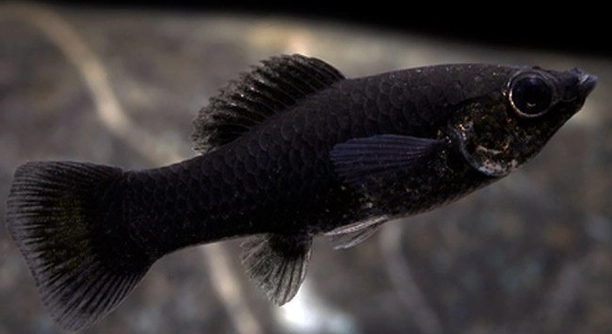
Black molly fry are small, delicate fish that need careful attention in their early days. Observing their behavior can tell you a lot about their health and the environment they live in. Staying motionless is one such signal.
If black molly fry remain motionless, it is often a sign of stress, poor water conditions, or illness. Monitoring water temperature, cleanliness, and diet can help prevent these issues and support healthy development in young fry.
Watching their movements closely can give valuable insights into their wellbeing. Understanding these behaviors ensures you provide a safe and thriving environment for them.
Common Reasons Black Molly Fry Stay Motionless
Black molly fry may stay still for a variety of reasons. Temperature changes in the tank can shock them, slowing their movements. Overcrowding or poor water quality can also create stress, making fry less active. Sometimes, young fry rest to conserve energy, especially after eating or swimming for a long time. A lack of proper hiding spaces can make them feel exposed, causing them to freeze in place. Illness or infections, such as fungal or bacterial problems, can reduce their activity. Nutrition also plays a role; fry that are underfed or fed the wrong foods may appear weak or motionless. Observing the tank regularly helps detect early signs of stress or sickness. Adjusting water parameters and offering small, frequent meals can encourage normal activity. Healthy fry tend to move around actively and explore their surroundings, so stillness is often a signal that something needs attention.
Monitoring water quality, temperature, and diet regularly is essential for their health.
Providing a well-maintained environment with clean water, proper temperature, and small hiding spots can help fry feel secure and active. Gentle observation can reveal patterns in behavior, such as resting times or signs of stress. Using a small thermometer and water test kits ensures stable conditions. Feeding tiny portions multiple times a day supports growth and energy. Removing uneaten food prevents contamination and keeps water safe. Creating areas with plants or decorations offers security, reducing fear-driven stillness. Consistent care allows fry to develop properly, improving survival rates. Over time, they grow stronger and more active, showing natural behaviors like swimming in schools and exploring corners. Paying attention to small details in their environment often prevents common problems and keeps fry thriving.
Signs of Stress in Fry
Fry that remain still or cling to surfaces may be experiencing stress. Stress can weaken their immune system.
Stress in black molly fry can result from sudden changes in water parameters, overcrowding, or the presence of aggressive tank mates. Even slight fluctuations in temperature or pH can affect their activity. Signs include hiding constantly, loss of appetite, sluggish swimming, or pale coloration. Observing fry for these symptoms allows for early intervention. Adjusting feeding, cleaning the tank more frequently, and ensuring proper water parameters can reduce stress. Removing aggressive fish or adding gentle tank mates also helps fry feel safe. Over time, a calm environment encourages healthy growth and activity, improving their chances of reaching adulthood without complications. Stress-free fry show lively swimming patterns, interact with each other, and display normal feeding behavior, which is a good indicator of proper care.
How Water Quality Affects Fry
Dirty water can quickly make black molly fry stay still. High ammonia or nitrite levels irritate them and slow their movement. Regular water changes help keep them healthy and active.
Water quality is one of the most important factors for fry health. Poor conditions, such as high ammonia, nitrites, or nitrates, can cause fry to stop moving or hide constantly. Even small changes in pH or temperature can stress them. Fry are very sensitive, so maintaining a clean tank with stable water parameters is crucial. Using a reliable water testing kit and changing a portion of the water regularly ensures a safer environment. Proper filtration and avoiding overfeeding also help prevent sudden water problems.
Introducing proper water practices early helps fry grow strong. Keeping the tank clean and stable reduces stress, encourages swimming, and supports natural feeding behavior. Fry that live in consistent conditions adapt faster and show more active and healthy movements. Observing them daily allows you to catch small changes before they become serious issues. Providing plants or hiding spots improves comfort while maintaining clean water ensures overall survival.
Feeding and Nutrition
Small, frequent feedings support black molly fry growth. Fry need easily digestible food like baby brine shrimp or finely crushed flakes.
Nutrition directly impacts fry energy and activity levels. Underfed or improperly fed fry may remain motionless, appearing weak or lethargic. Providing a balanced diet with protein-rich food promotes healthy development and strengthens their immune system. Feeding tiny amounts multiple times a day prevents overfeeding while giving fry enough energy to swim and explore. Choosing foods that float slowly or stay suspended allows all fry to access meals. Over time, fry that receive proper nutrition grow faster, maintain normal movement, and display vibrant coloration. Monitoring their feeding patterns helps detect early problems and ensures every fry gets the nutrients it needs.
Tank Size and Space
Fry need enough space to swim freely. Overcrowded tanks make them feel stressed and often motionless.
Providing hiding spots and open swimming areas reduces fear. Small tanks increase competition for food and oxygen, which can affect growth and activity.
Temperature and Fry Activity
Water temperature strongly affects black molly fry behavior. Cooler water slows their metabolism, causing them to move less or stay still for long periods. Keeping the tank at a stable, appropriate temperature helps maintain normal activity. Rapid fluctuations can stress fry and increase vulnerability to illness. Maintaining consistent warmth supports healthy growth and encourages regular feeding and swimming patterns. Fry in ideal conditions are more alert, swim energetically, and interact naturally with their environment, which improves overall survival and development.
Signs of Illness
Motionless fry may be showing early signs of sickness. Immediate attention is important to prevent further problems.
FAQ
Why is my black molly fry staying still all the time?
Fry may remain motionless due to stress, poor water quality, illness, or lack of proper nutrition. They are sensitive to changes in their environment, so even minor fluctuations in temperature, pH, or ammonia levels can affect their activity. Observing the tank and maintaining stable conditions usually helps them become active again.
Can water temperature make fry stop moving?
Yes, temperature has a big effect on black molly fry. Water that is too cold slows their metabolism, making them lethargic. Too hot can stress them and cause health problems. Keeping water in the recommended range, around 76–80°F (24–27°C), supports normal swimming and feeding patterns.
How often should I feed fry to keep them active?
Small, frequent meals are best. Feeding two to four times a day with finely crushed flakes or baby brine shrimp gives them enough energy without overloading the tank. Proper nutrition prevents weakness and encourages consistent movement. Uneaten food should be removed to avoid water contamination.
Can overcrowding cause fry to stay motionless?
Yes, overcrowded tanks increase stress and reduce oxygen availability, making fry less active. Each fry needs space to swim freely and access food. Overcrowding can also lead to aggression from other fish, further increasing stress and slowing growth. Providing plants and hiding spots helps reduce tension.
How can I tell if fry are sick?
Sick fry may stay still, float near the surface, or hide constantly. Signs include pale coloration, clamped fins, or loss of appetite. Immediate water checks, careful observation, and isolating affected fry can prevent the illness from spreading. Maintaining clean, stable water conditions supports their recovery.
Do fry sometimes stay still naturally?
Yes, brief periods of stillness are normal, especially after eating or swimming a lot. Fry may rest to conserve energy. But prolonged inactivity, especially combined with other signs like poor color or loss of appetite, usually indicates stress or health problems.
Will adding plants or decorations help fry activity?
Yes, plants and hiding spots give fry security and reduce stress. Feeling safe encourages them to swim and explore. Floating plants or small decorations allow fry to hide when nervous and create a more natural environment, improving their overall behavior and survival rates.
What should I do if fry are motionless due to poor water quality?
Check ammonia, nitrite, nitrate, and pH levels immediately. Perform partial water changes and ensure proper filtration. Remove uneaten food and debris to prevent contamination. Regular testing and maintenance help fry regain activity and reduce the risk of illness from prolonged exposure to poor conditions.
Can feeding the wrong food make fry stop moving?
Yes, fry need small, easily digestible, protein-rich foods. Feeding large flakes or inappropriate food can lead to weakness and motionlessness. Tiny portions of baby brine shrimp, microworms, or finely crushed flakes are ideal. Proper diet supports energy, growth, and active swimming behavior.
How long can fry stay still before it becomes a serious problem?
Short pauses are normal, but if fry stay motionless for several hours or show other warning signs, it requires immediate attention. Extended inactivity often indicates stress, illness, or poor environmental conditions. Acting quickly by checking water, food, and tank conditions can prevent fatalities.
Can changing tank mates help fry move more?
Yes, aggressive or larger fish can intimidate fry and make them freeze. Separating fry from these fish or providing more hiding places allows them to feel safe and encourages normal activity. Peaceful tank conditions are essential for healthy swimming and growth.
Is motionless behavior a sign of long-term health issues?
Repeated or prolonged stillness can indicate chronic stress or disease. If environmental adjustments and proper feeding don’t improve activity, further investigation is needed. Observing fry carefully and maintaining optimal conditions helps prevent long-term developmental problems and improves survival rates.
Final Thoughts
Black molly fry are delicate and require careful attention, especially in their early days. Observing their behavior closely can provide important clues about their health and environment. Fry that remain motionless for long periods often signal stress, poor water conditions, illness, or nutritional issues. Regularly checking water parameters like temperature, pH, ammonia, nitrites, and nitrates is essential. Even small fluctuations can impact fry activity and overall wellbeing. A stable, clean environment supports healthy swimming and feeding patterns, allowing fry to grow properly. Proper filtration, routine water changes, and careful feeding habits all contribute to maintaining a tank where fry can thrive. Watching fry daily helps detect early warning signs, such as changes in movement, coloration, or appetite, allowing prompt action before problems escalate.
Nutrition also plays a crucial role in fry development. Small, frequent meals of easily digestible, protein-rich foods, like baby brine shrimp or finely crushed flakes, give fry the energy they need to stay active and grow. Overfeeding can pollute the water, while underfeeding can leave fry weak and motionless. Providing balanced meals in small portions helps maintain energy levels and supports strong immune systems. Fry also benefit from a tank layout that includes hiding spots and open swimming areas. Plants, small decorations, or floating objects give fry a sense of security and reduce stress, which encourages natural swimming and exploration. Overcrowding should be avoided because it increases competition for food and oxygen, making fry more prone to stress and inactivity.
Attention to temperature and tank mates is equally important. Black molly fry are sensitive to sudden temperature changes. Water that is too cold slows metabolism, while excessively warm water can create stress or health issues. Keeping the water within the recommended temperature range ensures fry remain active and feed properly. Aggressive or larger tank mates can intimidate fry, causing them to freeze or hide constantly. Providing a peaceful environment allows fry to feel secure and promotes normal behavior. By maintaining proper water quality, nutrition, temperature, and tank conditions, fry can grow into strong, healthy adult fish. Observing their movements and behavior gives insight into their needs, helping prevent problems before they become serious. With consistent care and attention, black molly fry can thrive, develop energy, and grow steadily in a supportive environment.

Hello,
If you enjoy the content that we create, please consider saying a "Thank You!" by leaving a tip.
Every little bit helps us continue crafting quality advice that supports the health, happiness, and well-being of pets around the world, for pets of all shapes, sizes, and species.
We really appreciate the kindness and support that you show us!