
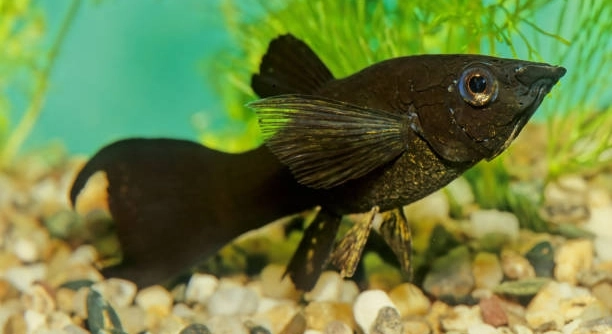
When bringing a new black molly home, it helps to understand how to make its move into the aquarium simple and stress free for everyone. A calm approach sets the tone for a healthy start.
Introducing a new black molly to a tank requires slow acclimation that matches temperature and water chemistry. Floating the bag, adding small amounts of tank water over time, and releasing the fish gently supports stability and reduces stress for adaptation.
Learning how these steps shape your black mollys experience will guide you toward smoother transitions and a calmer aquatic environment.
Preparing the Tank
Setting up the tank before adding a new black molly is important because it creates a safe place where the fish can adjust without pressure. I like to keep things calm by checking everything ahead of time. Stable water parameters help the molly settle in with less stress. A clean filter, gentle water flow, and steady lighting all contribute to a balanced space. I also make sure the tank has hiding spots since they help the molly feel secure during the first days. Proper temperature control keeps things steady, and testing the water helps prevent issues. Taking these steps sets a peaceful tone.
A stable tank encourages smooth adjustment and helps reduce unnecessary stress during the first few days inside the aquarium.
When the tank is prepared with care, the new molly can settle in with greater ease. This makes the process feel smoother both for you and for the fish, since everything is set up to support calm behavior.
Acclimating the Black Molly
A slow acclimation process is important because it helps the molly adapt without sudden changes that may overwhelm it. Giving the fish enough time to adjust to the tanks temperature and water chemistry creates a healthier start.
After floating the bag, I like to add small amounts of tank water every few minutes, allowing the molly to adjust step by step. This reduces the shock that sudden differences can cause. Once the bag holds mostly tank water, releasing the fish gently helps it settle without panic. Watching its behavior afterward is helpful, since early signs of discomfort can be addressed quickly. I keep the lights dim for a short period so the molly can explore quietly. A calm introduction encourages steady swimming and normal behavior, which shows that the acclimation worked well. This slow method supports overall stability and helps the molly begin its new routine on the right note.
Monitoring Early Behavior
During the first hours, I focus on how the molly swims and reacts to its new space. Calm movement shows it is adjusting well, while signs like hiding too much or rapid breathing may signal discomfort that needs attention.
I keep the room quiet and avoid sudden activity around the tank, since this helps the molly remain relaxed. A stable temperature and gentle filtration support steady breathing and smooth swimming. If the molly hangs near the surface or appears restless, I check the water parameters to make sure everything stays balanced. Watching these details makes it easier to respond before small issues grow into bigger problems. I also notice how the molly interacts with the environment, since curiosity often suggests steady progress. These early observations guide me through the first day.
If I see the molly settling into a routine like exploring different areas, grazing on surfaces, or swimming at a comfortable pace, I can feel more confident in its adjustment. Slow, steady improvement during the first day usually signals that the acclimation steps worked well. Any unusual signs push me to test the water again and adjust conditions as needed. This careful attention helps the molly ease into its new setting without unnecessary strain.
Supporting Stress Reduction
Reducing stress after introduction helps the molly feel secure. Soft lighting, steady temperature, and limited noise are small steps that make a noticeable difference in how the fish settles into its new surroundings.
I give the molly space and avoid tapping on the glass or changing the layout too soon, since stability matters during this period. Balanced water parameters prevent strain, and regular testing helps catch any shifts quickly. I also avoid overfeeding, because too much food affects water quality and may add stress. Taking things slow and keeping the tank routine predictable supports steady behavior. With these simple habits, the molly gains confidence and adjusts to its environment with fewer complications.
Feeding After Introduction
I keep feeding light during the first days, since the molly needs time to adjust. Small portions prevent waste from collecting in the tank, which helps maintain stable water conditions that support calm behavior and steady health.
I watch how the molly reacts to food before offering more. If it eats slowly or ignores the food, I reduce the amount. This keeps the tank clean and avoids adding pressure on the fish while it settles into its new space.
Maintaining Water Stability
Stable water conditions help the molly stay comfortable during the adjustment period. I test the water regularly to confirm that ammonia, nitrite, and nitrate remain in safe ranges. Consistent temperature and gentle filtration support normal breathing and smooth swimming. If I notice anything unusual, I correct it right away to keep the environment balanced.
Encouraging Natural Exploration
A calm environment encourages the molly to explore at its own pace. Steady lighting and familiar tank features help it feel more secure while it moves through its new surroundings.
How long should I acclimate a new black molly?
I usually float the bag for 15 to 20 minutes before adding small amounts of tank water every 5 minutes. This slow process helps the molly adjust to temperature and water chemistry without sudden stress. Rushing can cause shock, so patience is key.
Can black mollies live with other fish immediately?
It’s best to wait a few days before introducing new mollies to other fish. Observing their behavior helps you make sure the new molly is comfortable and reduces the chance of aggression. Small, calm tankmates work best during the initial period.
What should I feed a new black molly?
Start with light feeding using high-quality flakes or pellets. Offer very small portions two times a day to prevent uneaten food from affecting water quality. Watching how the molly reacts helps determine if it is adjusting well.
How do I know if my black molly is stressed?
Signs of stress include hiding constantly, rapid gill movement, or floating near the surface without swimming normally. Slight restlessness is normal, but persistent unusual behavior means you should check water quality and tank conditions.
Is tank temperature important for new mollies?
Yes. Black mollies prefer stable temperatures between 74 and 78°F. Sudden changes can cause shock. I always check my heater and thermometer before adding a new molly to make sure the environment is consistent.
How long before a new molly explores the tank?
Many mollies start exploring within a few hours if the tank is calm and stable. Some may take a day or two. I keep lights dim and avoid disturbances during this period to help them feel secure.
Should I quarantine a new black molly?
Quarantining for at least two weeks is ideal. It prevents the spread of disease and gives you time to observe any health issues before introducing the fish to the main tank. I usually use a separate tank with similar water parameters.
How often should I check water parameters?
Daily testing during the first week is helpful. Ammonia, nitrite, and nitrate should stay within safe ranges. I also monitor pH and temperature to make sure the environment remains stable, which reduces stress on the new molly.
What if the molly hides all the time?
Hiding is normal at first, especially near decorations or plants. I let the molly settle without forcing it out. If hiding continues after several days, I check water quality, temperature, and tankmates for potential stress factors.
Can I add more than one molly at a time?
Yes, but I introduce them in small numbers so they can acclimate gradually. Too many at once can create competition for space and food, which increases stress. I always make sure the tank is stable before adding more fish.
What is the best lighting for new mollies?
Soft, consistent lighting is best during the first few days. Bright or flashing lights can cause stress. I usually keep lights dim or partially shaded until the molly starts exploring confidently.
How long until a new molly behaves normally?
Most mollies adjust within three to five days. Normal behavior includes swimming actively, grazing on surfaces, and interacting with the environment. If unusual behavior continues, I review water conditions and feeding routines to identify potential issues.
Do mollies need hiding spots?
Yes, hiding spots are important. Plants, rocks, or small decorations give the molly a place to feel secure. I make sure there are multiple spots so the fish can choose where it feels safest.
Can I feed live food to a new molly?
Live food can be offered in small amounts after the first few days if the molly is eating well. It encourages natural behavior, but I monitor closely to prevent overfeeding and maintain water quality.
How often should I observe my new molly?
Frequent observation in the first week helps spot signs of stress, illness, or adjustment problems. I usually check several times a day for short periods to avoid disturbing the tank too much.
What should I do if water conditions change suddenly?
Perform small water changes gradually to restore balance. Rapid changes in temperature, pH, or chemistry can stress the molly. I always monitor behavior closely and adjust slowly until the tank stabilizes.
Is it normal for a new molly to hide at night?
Yes, black mollies are less active at night. Hiding in plants or decorations during this time is typical and should not cause concern as long as daytime activity is normal.
How do I prevent aggression from other fish?
Introducing mollies slowly and providing hiding spaces reduces aggression. I watch interactions carefully and separate any fish that show repeated chasing or nipping until the new molly is comfortable.
Can stress affect a molly’s appetite?
Yes, stress often causes a temporary loss of appetite. I continue small, light feedings while maintaining stable water conditions. Appetite usually returns as the molly adjusts and gains confidence in the tank.
How important is tank size for new mollies?
Tank size matters because it gives the molly space to explore and reduces stress. I recommend at least 20 gallons for a few mollies to maintain stable water conditions and allow natural behavior.
Should I adjust filtration when adding a new molly?
Filtration should remain steady but gentle. Strong currents can stress a new molly. I use filters that provide good water quality without creating turbulence that interferes with swimming or resting.
How do I know if a new molly is healthy?
Healthy mollies swim actively, show bright coloration, and have clear eyes and fins. I watch for signs of disease like white spots, clamped fins, or unusual swimming patterns and respond immediately if any appear.
Can black mollies change behavior when introduced?
Yes, they often become cautious and hide at first. Over several days, they usually explore, feed, and interact normally once they feel secure. I give them time and avoid sudden disturbances to support this process.
What if two mollies fight after introduction?
I separate aggressive individuals temporarily and observe interactions carefully. Often, minor chasing is normal, but continuous fighting signals the need to rearrange hiding spots or provide additional space to reduce stress.
How do I maintain long-term comfort for a new molly?
Consistent water quality, steady temperature, appropriate feeding, and hiding spots all contribute to long-term comfort. I monitor behavior regularly, adjust conditions gradually, and maintain a calm environment to support the molly’s health and well-being.
Introducing a new black molly to your tank can feel like a small challenge at first, but taking it step by step makes the process smoother for both you and the fish. The key is patience and careful observation. Rushing can cause stress, so it is important to prepare the tank in advance, check water parameters, and ensure a calm environment. A properly prepared tank provides the molly with a safe space to adjust and explore without feeling threatened. Stable temperature, gentle filtration, and hiding spots all play a role in helping the fish feel secure. By focusing on these small but important details, you create conditions that make it easier for the molly to settle in naturally. Watching its behavior during the first hours and days is helpful, as it lets you see how well it is adjusting. Calm swimming and normal interaction with its environment are signs that the fish is adapting successfully.
Feeding is another important part of helping your new molly adjust. Light portions of high-quality food reduce waste in the tank and support stable water conditions. Overfeeding can lead to poor water quality and added stress, so small, careful servings are best at the beginning. I also pay attention to how the molly responds to food. If it hesitates or seems uninterested, that is normal at first, and giving it time to explore the tank before increasing portions usually works well. Maintaining a consistent routine for feeding, lighting, and minor tank maintenance helps the fish develop confidence and feel secure in its new surroundings. Keeping water conditions stable and avoiding sudden changes prevents unnecessary stress and helps maintain overall health. Observing the fish daily, even briefly, ensures you can address any issues before they become serious.
It is also important to remember that each molly adjusts at its own pace. Some may explore the tank quickly, while others take several days to feel comfortable. Hiding at first is normal and should not be a cause for concern, as long as the fish begins swimming and interacting over time. Providing hiding spots, gentle lighting, and quiet surroundings supports this process. If you notice signs of prolonged stress or illness, checking water parameters and reviewing tank conditions is the safest approach. By combining careful preparation, slow acclimation, and daily observation, you give your black molly the best start in its new home. The process may require patience, but following these steps ensures a calmer, healthier environment, which allows the fish to thrive and gradually show its natural behavior.

Hello,
If you enjoy the content that we create, please consider saying a "Thank You!" by leaving a tip.
Every little bit helps us continue crafting quality advice that supports the health, happiness, and well-being of pets around the world, for pets of all shapes, sizes, and species.
We really appreciate the kindness and support that you show us!