
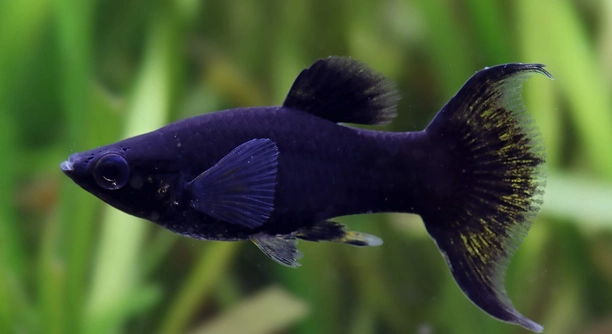
Have you ever wondered how your black molly begins acting in ways that feel unusual, bringing a hint of concern as you notice small shifts in its swimming patterns around the spaces of your aquarium.
Black mollies swim erratically due to disruptions in physiological balance caused by poor water quality, abrupt environmental changes, parasitic infections, or low oxygen levels. These conditions impair neuromuscular function, producing irregular movement patterns that indicate underlying problems within the habitat.
These insights help you act early, creating steadier conditions that support healthier behavior and a peaceful environment for black molly.
Poor Water Quality
Poor water quality is one of the strongest triggers for erratic swimming in black mollies, and it can take hold faster than many people expect. When ammonia or nitrite levels rise, the fish begin to react with discomfort that shows in sudden bursts of movement or confused patterns. This can happen after overfeeding, overcrowding, or skipping routine tank care. As I have seen with my own setups, a small shift in cleanliness can create changes in behavior that feel quite unsettling. The good news is that regular water tests, gentle feeding habits, and steady cleaning routines can keep things balanced. When the water remains stable, the fish stay calmer, and their movements return to a smoother rhythm. Paying attention to clarity, smell, and filter performance helps you protect them from stress caused by unstable conditions that build up slowly inside the tank.
Clear water allows your black molly to move comfortably, but even slight chemical shifts can push it into stressed behavior that feels sudden. By keeping the environment steady and avoiding abrupt changes, you support healthier movement that reflects a stable and safe habitat for the fish.
Testing the tank at regular intervals helps you notice changes before your fish begins to react with sharp or irregular motions. Black mollies respond quickly to imbalance, so keeping a small log of water conditions can guide your routine. When you watch their behavior closely, you will start to link certain movements with subtle chemical shifts. A soft flick of the tail, a fast dash toward the surface, or unusual pacing can all hint at developing issues. Responding early keeps your aquarium calmer and prevents your fish from falling into ongoing stress that disrupts their natural swimming patterns.
Stress From Tank Conditions
Stress builds when tank conditions create instability the fish cannot adapt to, leading to unexpected bursts of motion. Sudden temperature swings, bright lighting, or loud vibrations near the glass can unsettle your black molly. Keeping the environment predictable supports smoother behavior and lowers the strain caused by constant stimulation.
Tank conditions shape how your black molly interprets its surroundings, and even gentle changes can create tension that shows in how it swims. Temperature is one of the strongest influences, since sudden drops or rises force the fish to expend more energy as it tries to stabilize its internal balance. When this happens, you may notice panicked swims toward the heater or the corners of the tank. Bright lighting can also trouble the fish, especially if it remains on for too long without a calm period. Harsh light encourages hiding, and when escape is limited, the fish reacts with restless movement that seems hard to understand at first. Vibrations from nearby televisions, speakers, or frequent footsteps can send faint signals through the glass, and black mollies are sensitive enough to react with startled patterns. Providing gentle lighting, steady temperatures, and quiet surroundings keeps the fish grounded and encourages consistent swimming that reflects security instead of agitation.
Parasitic Irritation
Parasitic irritation causes sudden, sharp movement as the fish reacts to discomfort along its skin or gills. When parasites attach, they interrupt normal motion and make the fish flick, twitch, or scrape against objects in the tank in an attempt to find relief.
Parasites such as gill flukes or ich cling to the surface or internal areas of the fish, creating irritation that interrupts calm swimming. When this happens, the black molly may dart around or rub against decorations with clear discomfort. I have seen this behavior appear even when the tank looks clean. Treating parasites early prevents further stress and helps restore smooth movement. Quarantine tanks, gentle treatments, and close observation give you control over the situation and reduce the spread to other fish. Keeping new additions isolated before introducing them to the main tank lowers the risk of unexpected outbreaks.
Once treatment begins, behavior usually shifts slowly back to normal patterns. The fish may still show small signs of stress during recovery, but those fade as irritation decreases. Clean water, steady temperatures, and soft lighting help the fish heal at a comfortable pace. Maintaining good hygiene and stable conditions makes future flare ups less likely, keeping swimming patterns consistent and calm.
Low Oxygen Levels
Low oxygen levels push black mollies into restless motion that appears frantic as they seek better airflow. They may swim near the surface more often, cluster around the filter output, or react with sudden quick movements caused by the strain of limited oxygen.
When the tank lacks proper circulation, the fish must work harder to breathe, and this effort shows in movements that seem more urgent than usual. You might notice them rising to the surface repeatedly, staying near areas where water flows more actively, or pacing with a stressed rhythm. This strain can take a toll over time, especially in warmer water where oxygen is naturally lower. Improving aeration with an air stone or adjusting the filter flow supports better oxygen exchange. Plants can help too if they receive steady lighting and remain healthy. A balanced setup keeps the water richer in oxygen and helps the fish swim in a smoother and more relaxed pattern again.
Aggression From Tank Mates
Aggressive tank mates can push a black molly into quick, erratic movement as it tries to escape unwanted attention. Chasing, nipping, or blocking access to calm areas forces constant alertness that interrupts the steady swimming pattern the fish normally maintains.
When tension rises, the black molly may hide more often or rush across the tank in short bursts. This behavior becomes even more visible during feeding times, when competition leads to sharper interactions. Creating peaceful groupings helps reduce these stressful responses.
Sudden Environmental Changes
Sudden environmental changes place the fish under pressure that appears quickly in its movement. Shifts in lighting, filter flow, or objects within the tank can unsettle the black molly and cause it to swim in irregular paths while trying to regain its sense of security and comfort.
Improper Nutrition
Improper nutrition affects movement by lowering energy levels and disrupting natural behavior. When the diet lacks balance, the fish may show unsteady motion or sudden bursts of activity. Adjusting feeding habits supports steadier swimming and helps the fish stay in healthier condition.
FAQ
Why does my black molly show sudden bursts of movement even when the tank looks clean?
Sudden bursts of movement can happen even in tanks that appear clean because irritation often comes from factors you cannot see. Ammonia or nitrite may be rising slowly, or a small parasite may be starting to settle on the gills. These changes place pressure on the fish long before you notice a clear sign in the water. I have seen fish react to tiny shifts that seemed harmless at first, so it helps to test the water regularly. Even a slight imbalance can push the black molly into sharp or uneven movement as it tries to adapt. Stable water conditions reduce this sensitivity and help the fish regain steady rhythm in its daily activity.
Why does my black molly keep swimming near the surface?
Swimming near the surface often means the fish is seeking areas with more oxygen. When oxygen levels drop or circulation becomes weak, the surface offers easier breathing. Warm water, overcrowding, and poor aeration can all create this situation. If you notice this behavior, improving water movement usually helps. Adding an air stone or adjusting the filter output increases oxygen exchange and supports the fish more effectively. Once the environment becomes stable again, the black molly returns to its usual swimming depth without signs of stress.
Can stress from tank mates cause erratic movement?
Stress from tank mates is common and becomes obvious when a black molly starts darting quickly or hiding more often. Chasing, nipping, or blocking off certain areas of the tank can force constant alertness. This tension interrupts calm behavior and creates patterns that feel restless or sharp. Choosing peaceful companions and providing enough space reduces conflict. When the surroundings feel safe again, movement becomes smoother, and the black molly shows more confidence in its environment.
How do environmental changes affect its swimming patterns?
Environmental changes influence swimming patterns by creating sudden pressure that the fish cannot adjust to immediately. Shifts in lighting, filter flow, or decor placement alter the fish’s sense of safety. When this happens, the black molly may react with irregular paths or quick jerks. These movements are signs that the fish is trying to understand new conditions. Keeping changes small and gradual helps prevent this kind of response. Over time, predictable surroundings support steadier behavior and prevent unnecessary stress.
Why does poor nutrition cause unusual movement?
Poor nutrition affects movement by disrupting energy balance. When the diet lacks variety or essential nutrients, the fish may become weak or overstimulated. Both extremes lead to irregular swimming patterns that stand out easily. Feeding a balanced mix helps restore normal activity levels. A steady routine also prevents overeating, which can lead to bloating and discomfort. Once the diet improves, behavior settles, and movement becomes more controlled and calm.
How can I tell if the behavior is temporary or a sign of a deeper issue?
You can tell by watching how long the erratic movement continues and whether other signs appear. If the behavior lasts only a short time after a minor change, it may be temporary. If it persists or becomes stronger, something in the environment is likely out of balance. Testing the water, inspecting tank mates, and checking for physical signs like spots or frayed fins help you understand what is happening. Early attention prevents the behavior from becoming more severe and supports long term stability for the fish.
Final Thoughts
Caring for a black molly becomes easier when you understand the small signals it shows through its movement. Erratic swimming can look dramatic, but much of it comes from conditions that can be corrected with steady attention. I have learned that these fish respond quickly to their surroundings, and even gentle changes can shift how they behave. When the water remains clean and balanced, the fish begin to move in a calmer pattern that feels more natural. Ensuring steady temperatures, quiet surroundings, and gentle lighting supports a stable setting where the fish can relax. Observing the tank every day helps you notice soft signs that something might be changing, and this gives you the chance to adjust things before issues grow. A stable home brings comfort to the fish, and you will see that reflected in its smooth and confident movement.
Many of the problems that cause erratic swimming come from stress that builds slowly. Poor water quality, unstable oxygen levels, or irritation from parasites all have a way of affecting movement long before clear signs show up. By keeping a simple routine, you can prevent most of these issues. Regular water tests take only a short moment but reveal a lot about what is happening beneath the surface. Feeding a balanced diet keeps the fish from feeling bloated or weak, and choosing peaceful tank mates helps prevent tension that develops during feeding or swimming. Working with the tank instead of rushing changes allows everything inside it to adjust more easily. Soft steps usually bring better results than big shifts, especially with sensitive fish like black mollies. When you look at the tank as a small environment that needs steady care, the fish respond with a calmness that shows you are moving in the right direction.
There is something reassuring about seeing a black molly glide smoothly across its tank. That calm movement reflects balance, comfort, and stability. When erratic swimming appears, it is simply a message that something needs your attention. Responding early helps prevent stress from building, and the fish will adjust once the conditions improve. Over time, you will begin to recognize what feels normal and what feels out of place. This kind of awareness grows naturally as you spend more time observing your aquarium. Each step you take to create a cleaner, steadier, and gentler environment brings you closer to maintaining healthy behavior. With simple care, patience, and a steady routine, you support an aquarium where your black molly can move with ease and remain in good condition for the long term.

Hello,
If you enjoy the content that we create, please consider saying a "Thank You!" by leaving a tip.
Every little bit helps us continue crafting quality advice that supports the health, happiness, and well-being of pets around the world, for pets of all shapes, sizes, and species.
We really appreciate the kindness and support that you show us!