
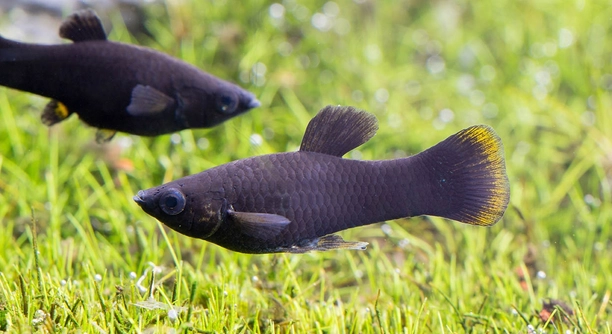
Flaky skin in Black Molly fish can be worrying for any owner. It often signals underlying health or environmental issues that need attention. Observing your fish closely helps identify the causes and prevent further stress or harm.
The main causes of flaky skin in Black Molly include poor water quality, sudden temperature changes, inadequate nutrition, parasitic infections, bacterial or fungal diseases, physical injuries, and stress induced by overcrowding or incompatible tank mates. Addressing these factors promptly ensures healthier fish.
Recognizing the signs early can make a significant difference. Taking the right measures helps maintain your Molly’s health and keeps its skin smooth and vibrant.
Water Quality Issues
Maintaining clean water is essential for keeping a Black Molly’s skin healthy. When ammonia, nitrite, or nitrate levels rise, the fish becomes stressed, and its skin may start to flake. Dirty water also allows harmful microorganisms to grow, which can irritate the skin and weaken the fish’s natural defenses. Regular testing helps you detect changes early, and steady maintenance keeps conditions stable. Consistent cleaning, proper filtration, and avoiding sudden shifts in water chemistry make a noticeable difference. As a woman who cares deeply about creating a calm and stable tank, I find that staying organized with water checks helps prevent unexpected problems.
Keeping the tank clean reduces irritation and helps your Molly recover faster by giving it a stable and healthy place to rest and heal.
A clean environment supports your fish’s immune system and prevents unnecessary stress. Once water conditions are steady, the skin begins to improve as the fish feels more comfortable. Monitoring the tank weekly, changing water regularly, and feeding your fish responsibly can prevent this issue from returning. When the water remains stable, the Black Molly can focus its energy on staying active, maintaining smooth skin, and living comfortably in its habitat.
Temperature Fluctuations
Sudden temperature shifts can affect a Black Molly’s skin quickly and may cause it to become flaky or irritated.
Stable temperatures are important because these fish rely on consistency to stay comfortable. When the water cools or warms too quickly, their bodies react with stress, which often appears on the skin. Using a reliable heater helps maintain stability, and placing the tank away from windows or drafty areas prevents unexpected changes. I have learned that checking the thermometer each day makes these fluctuations easier to avoid. A steady environment keeps the fish calm and supports proper immune function. Allowing the temperature to change gradually when needed can also prevent shock. With the right care, your Molly can stay active, relaxed, and protected from unnecessary skin irritation caused by unstable conditions.
Nutritional Deficiencies
Poor nutrition can weaken a Black Molly’s skin and lead to flaking. When the diet lacks essential vitamins, minerals, and varied proteins, the fish becomes more vulnerable. I always aim to offer balanced meals to support healthier skin and steady overall strength.
A diet built on high quality flakes alone often falls short, so adding vegetables, algae-based foods, and protein sources helps maintain proper skin condition. Vitamins like A and C support tissue repair, while minerals help strengthen the protective layer. I find that rotating foods keeps my fish more active and reduces skin problems. Feeding small portions prevents leftovers from polluting the tank, which also protects the skin. Careful feeding habits create a cleaner environment and improve overall health.
Deficiencies can show up slowly, and flaky skin is often one of the first signs. Offering varied meals helps the Molly regain strength, restore moisture balance in the skin, and maintain smoother scales. Overfeeding should be avoided since spoiled food affects water quality and creates more stress for the fish. I have noticed that consistent feeding routines make a real difference in preventing these issues. When nutrition is balanced, the skin becomes healthier and the fish remains more resilient.
Parasitic Infections
Parasites irritate the skin and cause inflammation that leads to flaking. When a Black Molly scratches against objects or seems restless, it may be reacting to discomfort. Quick identification and treatment help prevent more serious irritation and keep the fish stable.
Parasites like ich, flukes, and anchor worms attack the skin and weaken the protective barrier, allowing infections to develop. Recognizing symptoms early makes treatment easier. I rely on steady observation, isolation when needed, and appropriate medication to keep the tank under control. These treatments work best alongside clean water and stable temperatures. Removing stress factors helps the fish recover faster. Proper quarantine for new fish also reduces the chances of parasites entering the tank. Paying attention to small signs protects your Molly from extended discomfort, supports healing, and keeps the rest of the tank safe from spreading issues.
Bacterial and Fungal Irritation
Bacterial and fungal issues weaken the skin and make it flake as the fish becomes stressed. I have seen how quickly these problems can spread, so keeping the tank clean and stable helps protect the fish before the irritation becomes severe.
Treating these concerns early supports healthier skin and gives the fish a better chance to recover. Using proper medication, improving water quality, and reducing stress help restore comfort. I always monitor behavior closely since changes often appear before physical symptoms become noticeable.
Physical Injuries
Injuries from sharp decorations or rough tank mates can cause the skin to flake as it heals. Removing risky objects and choosing peaceful fish helps protect the Molly’s skin. A calm environment makes a noticeable difference in how quickly the fish recovers.
Stress and Overcrowding
Stress from crowded conditions or constant disturbances weakens the immune system and affects skin health. Creating a peaceful space with enough room helps prevent flaking. I find that stable routines and gentle tank mates make the Molly feel more secure and comfortable.
FAQ
Why is my Black Molly developing flaky skin even though the tank looks clean?
Flaky skin can still appear in clean looking tanks because water quality issues are not always visible. Ammonia and nitrite can rise without cloudiness, and these shifts irritate the skin quickly. I always rely on test kits rather than appearance alone. Even small imbalances stress the fish and make the skin weaker. Regular testing helps prevent hidden problems, and stable maintenance protects the Molly from unnecessary irritation.
Can poor diet cause skin problems in Black Molly fish?
Yes, diet plays an important role in skin health. A poor diet leads to nutrient gaps that weaken the skin’s natural barrier. When the fish lacks vitamins and minerals, flaking often becomes noticeable. I have found that offering varied foods, such as high quality flakes, vegetables, and protein rich options, helps the Molly maintain smoother skin. Balanced meals support healing and protect the fish from stress related flare ups.
How do parasites contribute to flaky skin?
Parasites irritate the skin and create constant discomfort, which causes the fish to scratch and damage the outer layer. These small organisms attach to the skin and interrupt normal function. This leads to inflammation and peeling. I always observe the fish closely if I notice rubbing or unusual restlessness. Treating parasites early reduces long term irritation and keeps the Molly more comfortable. Clean water, steady temperature, and proper quarantine help prevent parasites from entering the tank.
Can temperature swings cause the skin to flake?
Temperature swings affect the Molly’s comfort and disrupt its normal biology. When water becomes too warm or too cold too quickly, the fish becomes stressed, and the skin is often one of the first areas to react. I keep a reliable heater in place to avoid unexpected shifts, especially at night. A stable temperature helps the fish feel secure and reduces skin problems caused by sudden environmental changes.
How do bacterial and fungal problems create flaky skin?
Bacterial and fungal concerns attack weakened areas of the skin and cause irritation that leads to flaking. They thrive in unstable or poorly maintained tanks, and once they take hold, the skin begins to peel as the infection spreads. Proper treatment and steady water conditions are essential for recovery. I have learned that acting quickly prevents these problems from becoming more severe. Clean water and reduced stress support healing and help keep the skin smooth again.
Can injuries cause flaking even if the fish looks active?
Yes, injuries from sharp objects or aggressive tank mates can cause small wounds that later peel as they heal. Even if the fish swims normally, the skin may still be recovering underneath. I always check decorations for rough edges and remove anything that could scratch the fish. Creating a peaceful space helps prevent further damage and supports better healing.
Does overcrowding affect skin health?
Overcrowding increases stress and reduces water quality, both of which contribute to flaky skin. When too many fish share a space, waste builds up faster, and the Molly feels constant pressure from limited room. I prefer giving my fish more space to move freely. A calm environment supports healthier skin and steadier behavior.
How can I help my Black Molly recover from flaky skin?
Supporting recovery involves improving water quality, offering balanced nutrition, maintaining steady temperature, and treating infections or parasites if needed. I always start with testing the water and fixing any imbalances. Clean conditions make a noticeable difference in how quickly the skin improves. Adding varied foods helps strengthen the body and support healing. Separating the fish temporarily may also help reduce stress. When the environment is stable and peaceful, the Molly usually recovers well and regains smooth skin.
Final Thoughts
Caring for a Black Molly with flaky skin takes patience, steady observation, and a calm approach. These fish respond well to consistency, so creating an environment that supports their needs is one of the most effective ways to maintain their health. Water quality, temperature stability, and a balanced diet are the foundation of their wellbeing. When any of these areas become unstable, the effects show on the skin first. By paying attention to these signals, it becomes easier to catch problems before they become stressful for the fish. Each small adjustment you make, whether it is testing the water more often or improving feeding routines, contributes to a healthier environment that supports long term comfort. I find that taking things one step at a time helps keep the process manageable, and it also builds a steady rhythm that benefits both you and the fish.
Flaky skin is often a sign of underlying stress, and addressing it requires looking at the tank as a whole, not just the visible symptoms. Parasites, bacteria, poor nutrition, and rough objects can all play a role, but they usually become problems when the environment is already strained. This is why creating a stable setup is so important. When the water remains clean and the temperature stays consistent, the fish has the strength to handle minor challenges. A well balanced diet adds another layer of protection, helping the body repair damaged skin and maintain a strong barrier. Over time, these habits create a steady routine that supports better health. By focusing on prevention and gentle care, the overall experience becomes less stressful, and the Molly can return to its normal behavior with fewer interruptions. I appreciate how small improvements lead to noticeable changes in their comfort and appearance.
Supporting a Black Molly through skin concerns also builds a stronger connection to the tank and its needs. The more attention you give to stability, the more you notice subtle shifts in behavior, appetite, or color. These quiet signs help you act early and prevent issues from escalating. Keeping the environment clean, offering varied foods, and removing stressors create conditions that allow the fish to thrive. With time, the skin smooths out, and the Molly becomes more active again. Caring for these fish is a simple process when broken into manageable tasks. Consistent routines, gentle corrections, and regular monitoring form the basis of steady health. By focusing on these practical steps, you create a space where your Molly can feel secure, stay vibrant, and enjoy a healthier life overall.

Hello,
If you enjoy the content that we create, please consider saying a "Thank You!" by leaving a tip.
Every little bit helps us continue crafting quality advice that supports the health, happiness, and well-being of pets around the world, for pets of all shapes, sizes, and species.
We really appreciate the kindness and support that you show us!