
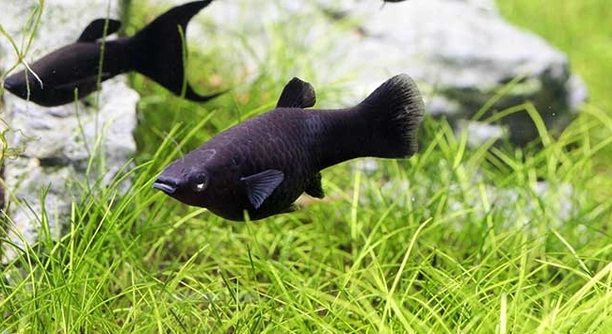
Are your black molly fish showing signs of stress or unusual behavior after water changes? Many fish owners struggle to maintain a healthy tank environment while keeping water conditions stable and safe for their pets.
Regular water changes are essential for black molly tanks to maintain water quality, reduce harmful toxins, and support overall fish health. Proper techniques, such as partial water replacement and gradual conditioning, prevent stress and promote a stable aquatic environment.
Knowing the right approach to water changes can make a big difference in your tank’s ecosystem and your fish’s well-being. Small adjustments often lead to noticeable improvements in water clarity and fish behavior.
Preparing Your Tank Before a Water Change
Before changing the water in your black molly tank, it is important to prepare properly. Start by checking the water parameters, such as temperature, pH, and hardness, to make sure they match the current tank conditions. Gather all equipment, including a clean bucket, siphon, and water conditioner. Make sure any replacement water has been treated and allowed to sit for at least 24 hours to remove chlorine and other chemicals. Turn off electrical devices like filters and heaters during the water change to prevent accidents. Remove any uneaten food and debris from the substrate with a siphon. While it may seem tedious, careful preparation ensures your fish remain calm and healthy. A smooth water change reduces the risk of stress, which can lead to disease or unusual behavior. By taking these steps, your black mollies will remain active and vibrant, and water clarity will improve. Always maintain a consistent schedule to avoid sudden fluctuations.
Proper preparation reduces stress and maintains stable water conditions, keeping your fish healthier over time.
Consistency in preparation is key for black molly tanks. Skipping steps or rushing the process can shock your fish. Small changes, like matching water temperature and using a water conditioner, make a noticeable difference. Over time, following a clear process prevents problems like cloudy water, algae growth, or fish hiding in corners. Properly removing debris and uneaten food also limits toxin buildup. Even experienced fish keepers find that taking 10–15 extra minutes to prep leads to calmer fish during the water change. Gradual adjustments and attention to detail help keep your tank balanced, reducing stress on the entire ecosystem. Monitoring fish behavior after a water change is important. Look for signs of lethargy, gasping, or unusual swimming patterns. These can indicate sudden changes in water conditions. Maintaining a consistent water change routine and careful preparation will keep black mollies thriving, maintaining both their health and the cleanliness of the tank environment.
How Much Water to Change
For black molly tanks, partial water changes are recommended rather than replacing all water at once.
Changing 20–30% of the water weekly helps maintain optimal water quality without shocking the fish. Large changes can disrupt beneficial bacteria in the filter.
The percentage of water you change depends on tank size, number of fish, and feeding habits. Overfeeding leads to faster toxin buildup, which may require slightly larger or more frequent water changes. When removing water, avoid disturbing the substrate too much to keep beneficial bacteria intact. Replace with water that closely matches the tank’s temperature and pH to prevent sudden shifts. Observing the fish during and after the change is important, as some may react to minor differences in water. Keeping a consistent schedule allows the aquarium’s ecosystem to remain balanced. Remember, the goal is to gradually dilute waste products while maintaining a stable environment for your black mollies, which promotes growth, coloration, and overall well-being. Tracking water parameters over time can help you adjust water change frequency based on the tank’s needs.
Using a Water Conditioner
Water conditioners neutralize chlorine and heavy metals in tap water, making it safe for black mollies. Always measure carefully according to the volume of water being added, and treat the water before pouring it into the tank.
Adding conditioner before the water enters the tank prevents sudden chemical exposure. Chlorine and chloramine are harmful to gills and can stress fish quickly. Conditioners also help bind metals that may be present in tap water. Even if the water appears clean, these chemicals can accumulate and cause long-term health problems. Treating all replacement water ensures consistency and reduces the chance of shock. Some conditioners also include beneficial bacteria support, which helps maintain a healthy biofilter, supporting the tank’s natural balance. Using a reliable brand and following dosage instructions protects your fish and keeps the tank stable over time.
Conditioned water also helps black mollies maintain vibrant coloration and activity. Regular use contributes to overall tank stability.
Conditioners come in various forms, including liquid and tablets. Liquid conditioners are quick to mix and easy to dose accurately. Tablets or powders may take longer to dissolve but can be convenient for scheduled water changes. Always shake or mix liquid products thoroughly to ensure even distribution. Measure water volume carefully, as over- or under-dosing can reduce effectiveness. Store conditioners in a cool, dry place to maintain potency. Observing fish behavior after water changes can indicate whether treatment is effective. Adjust dosing if necessary, and never skip conditioning, even during partial water changes. Consistency in water treatment is key to preventing stress and maintaining a stable tank environment.
Temperature Matching
Black mollies are sensitive to sudden temperature changes, which can stress or even shock them. Always match replacement water to the tank’s current temperature.
Use a thermometer to check both tank water and replacement water. Adjust temperature gradually if needed using a heater or allowing water to sit at room temperature. Avoid adding cold or hot water directly, as even a few degrees difference can disturb fish. Slowly introducing replacement water allows black mollies to acclimate without panic. This step is especially important in smaller tanks, where temperature shifts are more pronounced. Regular checks ensure stability and prevent health issues related to sudden fluctuations.
Temperature fluctuations can weaken immune systems and increase susceptibility to disease. Gradual adjustments maintain overall health.
For larger tanks, consider using a mixing container to gradually blend new and tank water before adding it. This helps buffer temperature differences and reduces stress. If using tap water, measure temperature at multiple points, as water heaters or sunlight exposure can create variations. During seasonal changes, monitor tank temperature more closely to avoid extremes. Some aquarists use floating thermometers near black molly activity areas to ensure consistent readings. Sudden shifts can trigger erratic swimming, hiding, or loss of appetite. Maintaining steady water temperature not only supports health but encourages active behavior and proper feeding. A careful approach to matching temperature protects the tank ecosystem and keeps fish vibrant.
Partial Water Changes
Partial water changes remove accumulated waste without shocking the fish. Replace about 20–30% of the tank water weekly to maintain stable conditions and reduce toxins.
Avoid removing too much water at once, as it can disturb the tank’s balance and stress black mollies. Consistency is more important than large changes.
Siphoning the Substrate
Siphoning helps remove leftover food, waste, and debris from the substrate. Use a siphon during water changes to keep the tank clean and prevent harmful buildup. Regular siphoning keeps water clearer and reduces the risk of ammonia spikes that can harm black mollies.
Avoid Overfeeding
Overfeeding produces excess waste, making water changes less effective and water quality harder to maintain. Feed black mollies small portions they can eat within a few minutes.
Monitoring Water Parameters
Regularly check pH, ammonia, nitrite, and nitrate levels to ensure water stays within safe ranges. Monitoring helps detect issues early and prevents stress or illness in black mollies.
FAQ
How often should I change water in a black molly tank?
Water changes should be done weekly, replacing about 20–30% of the tank water each time. Frequent partial changes help maintain stable water parameters, reduce toxins, and support healthy fish growth. Larger water changes are only necessary if water quality has declined suddenly.
Can I change all the water at once?
Changing all the water at once is not recommended. Sudden shifts in water chemistry can stress black mollies, damage beneficial bacteria, and even cause illness. Partial water changes are safer and maintain a balanced ecosystem, protecting both fish and plants.
Do I need to use a water conditioner?
Yes, always treat replacement water with a conditioner to neutralize chlorine and heavy metals. Untreated water can irritate gills, harm the immune system, and reduce overall fish health. Water conditioners also help maintain beneficial bacteria in the filter.
What temperature should the replacement water be?
Match the replacement water to the tank’s current temperature. Even small differences can shock black mollies. Use a thermometer and adjust gradually if needed. Avoid adding water that is too hot or too cold, as temperature swings can cause stress and illness.
Is siphoning the substrate really necessary?
Siphoning is important to remove uneaten food, waste, and debris from the substrate. Skipping this step can lead to ammonia buildup, cloudy water, and algae growth. A clean substrate ensures healthier water conditions and reduces the risk of disease in black mollies.
How can I prevent my black mollies from getting stressed during water changes?
Keep changes gradual and consistent, avoid large water replacements, match temperature, and treat water with conditioner. Moving slowly and minimizing disturbances in the tank will help black mollies stay calm and maintain normal behavior during water maintenance.
Can overfeeding affect water quality?
Yes, overfeeding increases waste, which can raise ammonia and nitrate levels quickly. Feed only what black mollies can consume in a few minutes. Regular feeding in small amounts keeps water cleaner and reduces the frequency of emergency water changes.
What should I check after a water change?
After every water change, observe fish behavior and check water parameters, including pH, ammonia, nitrite, and nitrate. Look for signs of stress such as hiding, rapid gill movement, or erratic swimming. Early detection helps prevent long-term health issues and keeps the tank balanced.
Do plants affect water change frequency?
Live plants can help absorb some toxins and reduce nitrate buildup, but regular water changes are still necessary. Plants support water quality but cannot replace the need for removing waste and replenishing minerals through partial water changes.
Is it safe to skip a water change occasionally?
Occasional skips may not immediately harm fish, but regular changes are important for long-term health. Skipping too often can lead to poor water quality, stress, and higher risk of disease. A consistent schedule maintains a stable and healthy environment for black mollies.
Can I use tap water directly from the faucet?
Tap water should always be treated with a conditioner to remove chlorine, chloramine, and heavy metals. Direct tap water can irritate fish gills and damage beneficial bacteria in the filter. Properly conditioned water ensures a safer environment for black mollies.
How do I know if my water change routine is working?
Clear water, active fish, and stable water parameters indicate an effective routine. Fish should appear healthy, feed normally, and swim actively. Regular monitoring and observation are key to maintaining a successful water change schedule.
Can I change water during the day or night?
Water changes can be done any time, but it’s best to perform them when fish are active. Avoid disturbing fish during feeding or rest periods. Consistent timing helps maintain a predictable routine and reduces stress for black mollies.
What tools are best for water changes?
A siphon, clean bucket, thermometer, and water conditioner are essential. A siphon helps remove debris and waste efficiently. Thermometers ensure temperature consistency, and treated water protects fish health. These simple tools make water changes easier and safer.
How can I reduce algae growth during water changes?
Regular partial water changes, avoiding overfeeding, and maintaining clean substrate help reduce algae. Removing excess nutrients and waste prevents algae from taking over, keeping the tank clear and safe for black mollies.
Are black mollies sensitive to water hardness?
Yes, black mollies prefer slightly hard, alkaline water. Sudden changes in hardness or pH can stress them. Testing water and adjusting gradually ensures a comfortable environment, supporting growth, coloration, and overall health.
Final Thoughts
Maintaining a healthy black molly tank requires attention to water quality and consistent care. Regular water changes are essential for removing toxins, leftover food, and waste that can accumulate over time. Partial water changes, typically around 20–30% weekly, are more effective than replacing all the water at once because they prevent sudden shifts in temperature and water chemistry. Consistency in timing and process helps black mollies remain calm and active, avoiding stress that can lead to illness. Using tools like a siphon, thermometer, and bucket makes the process smoother and more precise, ensuring that debris is removed without disturbing the tank too much. Proper preparation, including checking parameters and treating replacement water with conditioner, contributes significantly to fish health and overall tank stability.
Temperature and chemical balance play a crucial role in keeping black mollies healthy. Tap water often contains chlorine, chloramine, or heavy metals that are harmful to fish, so using a water conditioner is necessary before adding water to the tank. Replacement water should always be matched to the tank’s current temperature to prevent stress. Sudden changes in temperature or pH can affect behavior, reduce immunity, and even cause death in extreme cases. By monitoring water parameters like pH, ammonia, nitrite, and nitrate, owners can detect potential problems early and take action before fish are affected. Observing your fish during and after water changes allows you to notice signs of discomfort or unusual behavior, which may indicate a need for adjustments. Taking these steps ensures that your black mollies remain healthy, active, and colorful.
Overfeeding and neglecting maintenance are common reasons water quality declines. Feeding black mollies only the amount they can consume in a few minutes prevents excess waste from overwhelming the tank. Siphoning the substrate regularly removes food particles and debris, helping maintain clean water and reducing the risk of harmful bacteria growth. Plants can help absorb some toxins and support the ecosystem, but they do not replace the need for regular water changes. Following a routine that combines partial water changes, proper feeding, and careful observation allows the tank to remain stable. This approach supports long-term fish health, encourages natural behavior, and creates a cleaner, more visually appealing aquarium. Consistency and attention to detail are key to keeping black mollies thriving in a balanced environment.

Hello,
If you enjoy the content that we create, please consider saying a "Thank You!" by leaving a tip.
Every little bit helps us continue crafting quality advice that supports the health, happiness, and well-being of pets around the world, for pets of all shapes, sizes, and species.
We really appreciate the kindness and support that you show us!